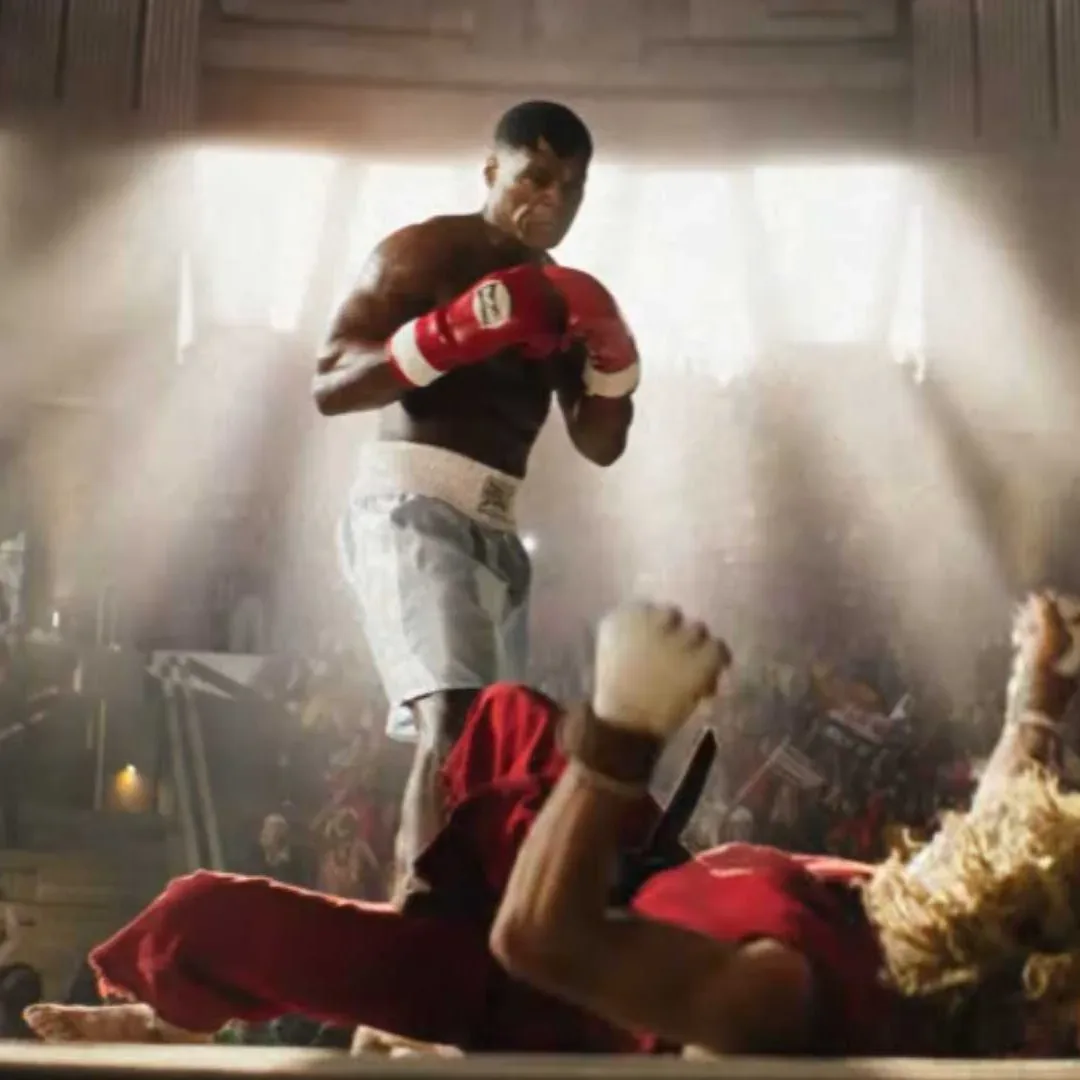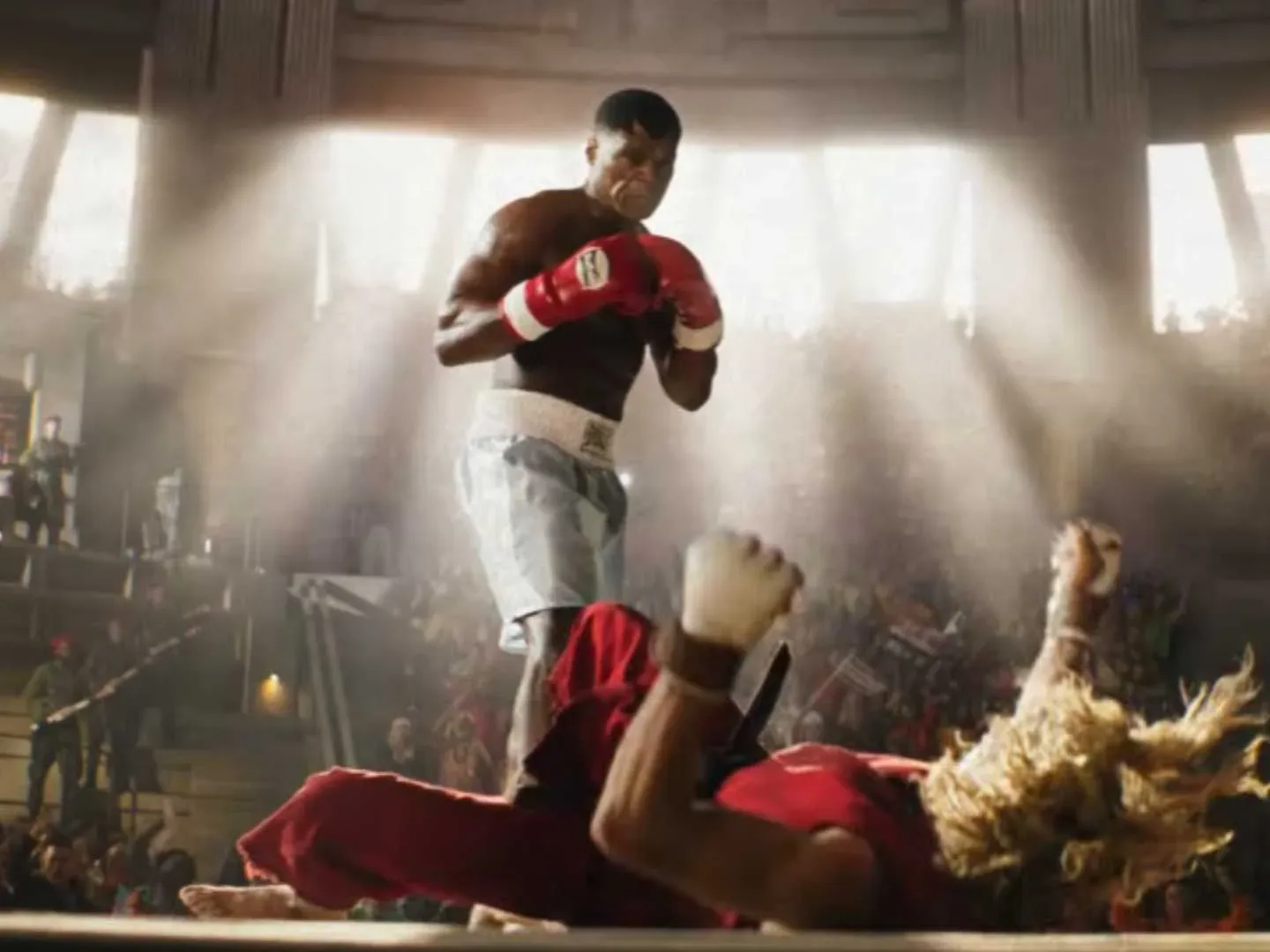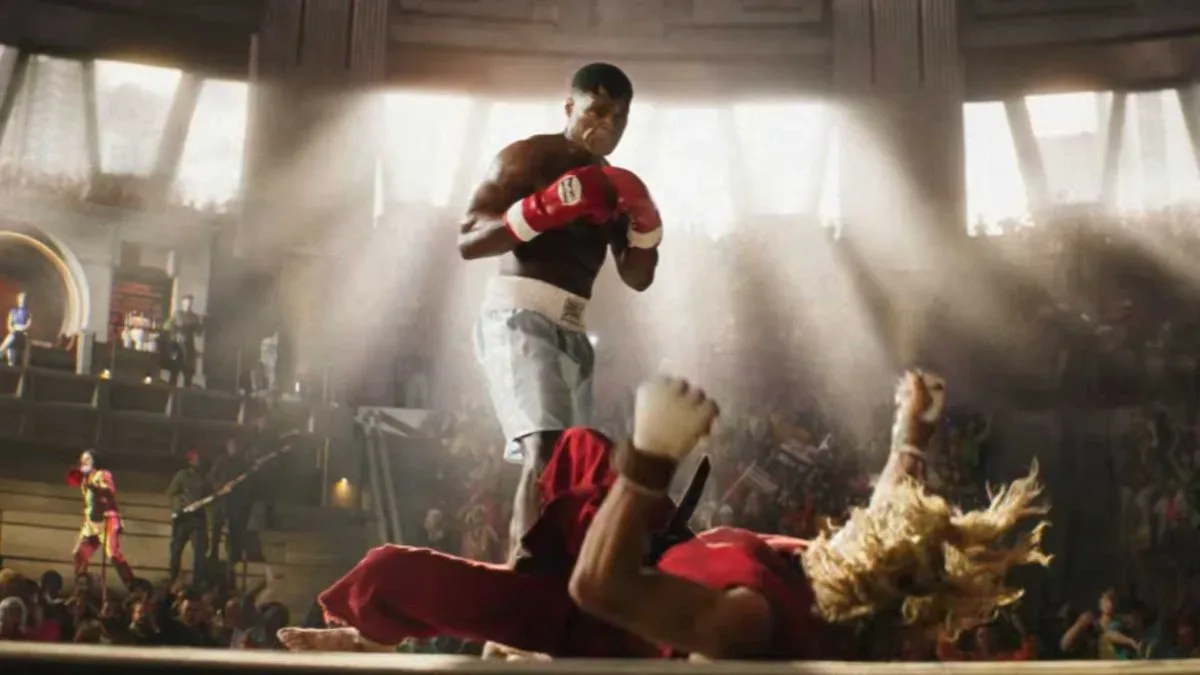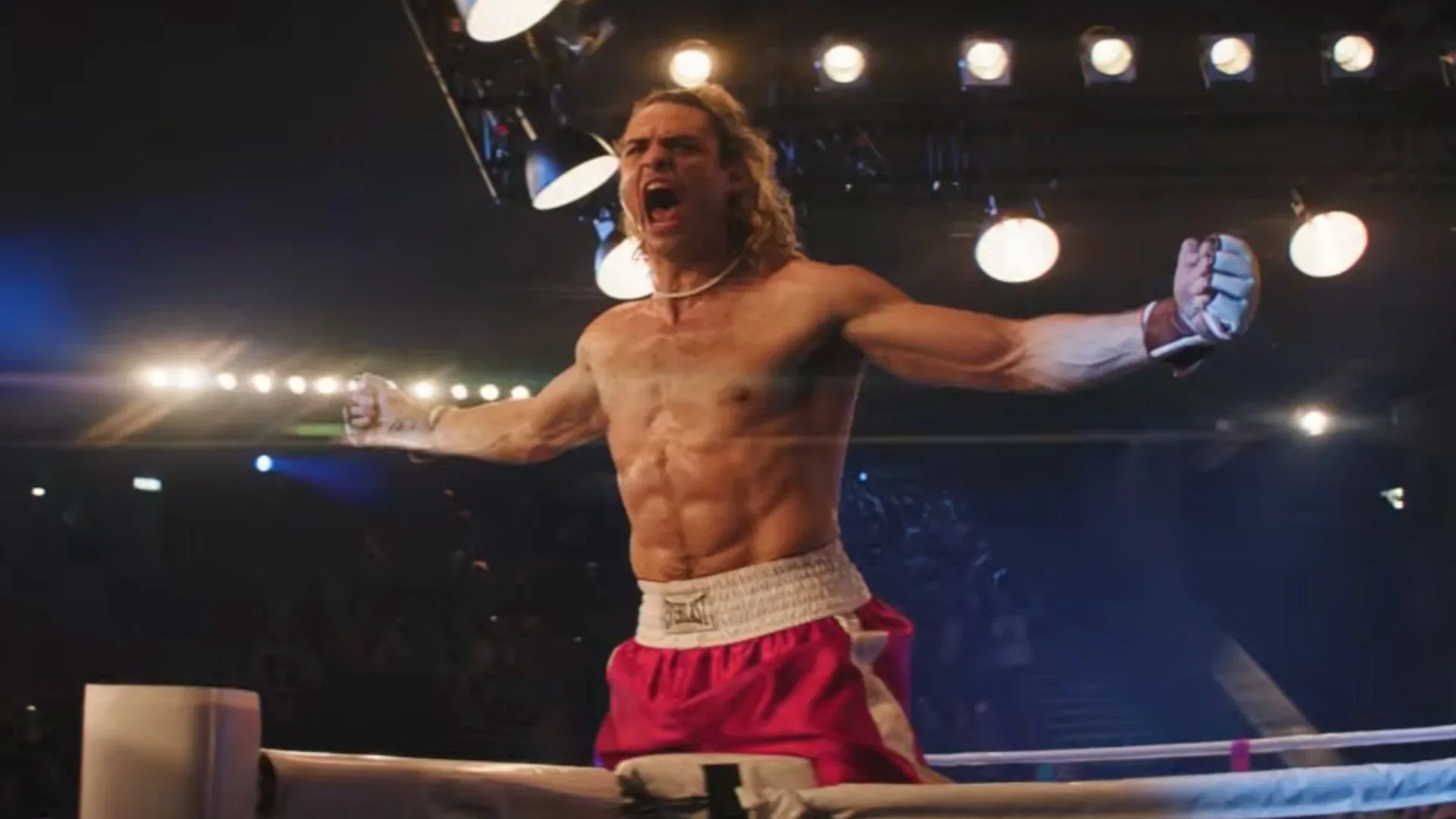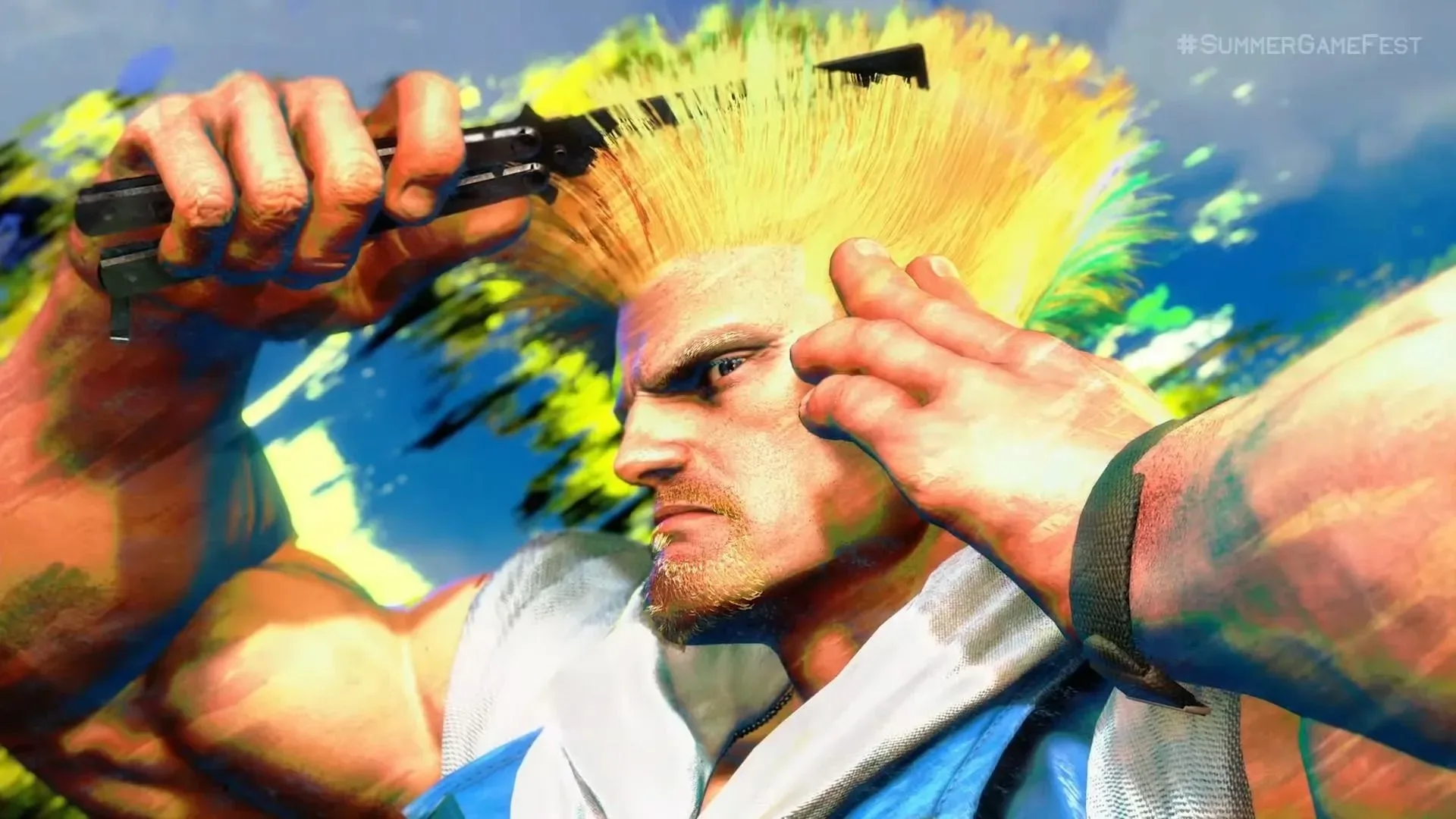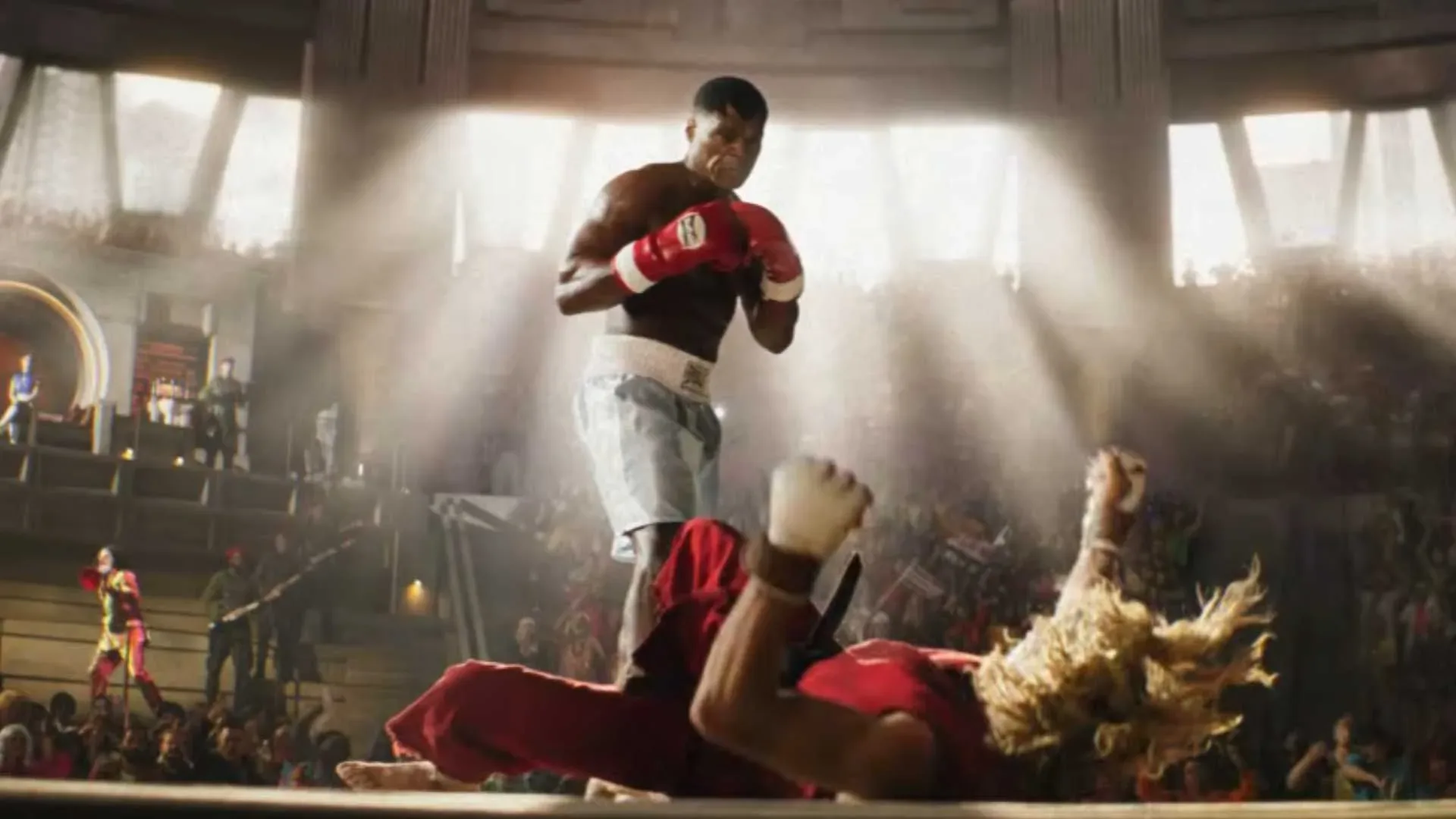
Street Fighter is entering theaters with the sort of opening critical split that feels oddly appropriate for a franchise built on hard reads, risky inputs and spectacular whiffs. Directed by Kitato Sakurai, the new live-action adaptation held a 41% Rotten Tomatoes score at the time of publication, putting its early response firmly in mixed-to-negative territory. Yet that number is still considerably higher than the 20% held by the 1994 Street Fighter movie.
That comparison will inevitably invite some playful triumphalism: a 41% score is nearly double 20%, after all. It is not, however, a straightforward verdict that the new film has solved the notoriously difficult task of adapting a fighting game for the screen. The early reactions point to a movie that is deliberately loud, densely populated and deeply tied to 1990s arcade culture. For some, that is a feature. For others, it is the central problem.
Its theatrical release is set for October 16. The premise follows Ryu, played by Andrew Koji, and Ken, played by Noah Centineo, entering the World Warrior Tournament after Chun-Li, played by Callina Liang, persuades them to join the fight. Chun-Li’s own objective is to bring down M. Bison, portrayed by David Dastmalchian. It is a clean setup on paper: put signature fighters into a tournament framework, establish Bison as the threat, then let the personalities and rivalries collide.
A score is a snapshot, not a combo counter
Rotten Tomatoes’ percentage is an aggregation measure: it reflects the share of counted reviews classified as positive, rather than an average star rating or a universal measure of quality. A 41% score therefore means fewer than half of the reviews included in that total were deemed positive. It does not mean every critic considers the film a 4.1 out of 10, nor does it tell viewers which specific elements will work for them.
For more context, explore ‘Frisco King’ Sets Dec. 18 Paramount+ Premiere With Samuel L. Jackson Leading Taylor Sheridan’s New Crime Series.
That distinction matters for a film as intentionally particular as Street Fighter. A viewer looking for a polished, emotionally coherent action movie may take warnings about uneven tone seriously. Someone hoping for a messy, maximalist arcade-inspired spectacle could interpret the same warning as an invitation. The review divide appears to sit precisely along that fault line.
One negative assessment characterizes the movie as overloaded, rapidly edited, stuffed with crude jokes and inconsistent in tone, arguing that its ending arrives before the story feels complete. Another criticism takes issue with the film’s relationship to the 1990s, suggesting it mocks the decade’s cringier qualities while also remaining trapped in them. Those are substantial concerns because tone is not a decorative layer in a fighting-game adaptation; it determines whether exaggerated costumes, heightened villains and knowingly ridiculous moments become charming or exhausting.
The more favorable case sees that same excess as the point. One positive reaction frames the film as an arcade player’s imagination running unchecked: a chain of ever-bigger fighter fantasies that evokes someone leaving the theater ready to throw kicks at thin air. That is hardly a conventional standard of cinematic restraint, but it may be a useful one for this property. Street Fighter has never depended on understatement.
The tournament is the obvious answer—and a demanding one
A tournament is a natural cinematic device for a fighting-game series. It gives characters a reason to meet, compete and reveal their particular techniques, while producing a steady structure of escalating confrontations. The World Warrior Tournament also provides a recognizable framework for fans who associate the series with international fighters and distinct personalities.
But “natural” does not mean easy. A fighting game can introduce a large roster with a portrait, a stage and a few seconds of animation before the player understands the essentials. A feature film must fit those introductions into an ongoing story. Every additional fighter competes for screen time, jokes, action and narrative purpose. If the movie tries to honor too many favorites at once, it risks turning character appearances into roll call rather than drama.
That tension is visible in the scale of the announced ensemble. Alongside Koji, Centineo, Liang and Dastmalchian, the cast includes Cody Rhodes as Guile, Roman Reigns as Akuma, Curtis “50 Cent” Jackson as Balrog, Jason Momoa as Blanka, Orville Peck as Vega, Andrew Schulz as Dan and Mel Jarnson as Cammy. It is a lineup designed to signal breadth. It also places a substantial storytelling burden on the film, especially when the central plot already needs to establish Ryu and Ken’s route into the tournament, Chun-Li’s mission and Bison’s threat.
For viewers, the practical implication is simple: expectations should be calibrated toward an ensemble adaptation rather than a narrowly focused origin story. The roster is part of the attraction. Whether the film gives each character meaningful room, or primarily uses some as visual and comic punctuation, is likely to be one of the key questions audiences take into the theater.
Nostalgia can be texture, trap or both
The 1990s are not merely background color here. The early reception repeatedly treats nostalgia as a central creative choice. That makes sense for a franchise inseparable from arcade-era fighting games, but a nostalgia-driven approach can pull in opposing directions.
At its best, it can offer a clear visual and tonal identity: heightened rivalries, outsized costumes, uncomplicated villainy and the sensation of an arcade cabinet’s attract mode suddenly becoming a feature-length story. At its least effective, it can become repetition without momentum—referencing the aesthetic without finding a fresh dramatic purpose for it.
The response to Street Fighter suggests the movie may be testing that boundary constantly. The criticism of its editing and tonal shifts indicates that its affection for excess is not always being perceived as controlled. The favorable interpretation, meanwhile, embraces the very idea of an “and then, and then” escalation. Neither reading disputes that the film is going big. They disagree about whether big is enough.
That is the especially revealing part of its 41% start. The number does not describe a film that critics uniformly found inert. It describes a movie generating sharply different reactions to its core sensibility. In fighting-game language, it is less a clean unanimous finish than a move that leaves the room arguing about whether it was brave, silly, unsafe or all three.
The 1994 shadow remains unavoidable
The 1994 adaptation remains an unavoidable reference point, partly because it has such a low aggregate score and partly because Raul Julia’s M. Bison performance endures as a frequently celebrated element of a broadly maligned film. The new movie’s 41% places it ahead of that predecessor by the available score, but the comparison should be handled with a little caution.
Critical aggregates capture a moment in reception, not a permanent cultural fate. Older films can outlive their initial notices through repeat viewing, memorable performances, quotable scenes or a growing fondness for their peculiar decisions. Conversely, clearing a predecessor’s score is not the same as becoming a great adaptation. The 2026 film’s early standing mainly says it has not repeated the same scale of immediate critical rejection.
Still, the numbers do give fans a concise way to frame the new release. This is not a universally praised reboot arriving to declare a finished victory for video-game adaptations. Nor is it entering with the same level of critical damage as the 1994 film. It is landing in the awkward, entertainingly unstable middle: better received than its famous predecessor, but still divisive enough that a viewer’s appetite for chaotic arcade nostalgia may matter more than the percentage.
What the early response means for fans
Fans deciding whether to see Street Fighter on opening weekend have more useful information than a single score can provide. The early criticism flags a packed narrative, hyperactive construction, crude humor and tonal inconsistency. The positive response suggests the same movie may deliver a gleefully unrestrained interpretation of the fantasies that fighting games encourage.
- Go in expecting an ensemble: the film has assembled a broad set of recognizable fighters rather than centering only a small handful.
- Expect the 1990s to be part of the experience: early reactions portray the era’s style as fundamental to the movie’s identity, not a passing reference.
- Do not read 41% as a universal rating: it is the proportion of positive reviews in an aggregate, and the written reactions reveal a more specific split over style and tone.
- Keep the 1994 comparison in perspective: the new film’s score is higher, but the real question is whether its particular mix of tournament action, jokes and nostalgia matches what an individual viewer wants from Street Fighter.
The larger question is whether game adaptations need to sand down their weirdest edges to be successful on film. Street Fighter appears to have made the opposite bet. It has a villain described as impossibly evil and distinguished by a silly hat, an oversized fighter lineup, a World Warrior Tournament and an apparent willingness to embrace the unruly logic of arcade fantasy. The critical reaction indicates that this bet does not land cleanly for everyone. It may, though, be more interesting than an adaptation that treats a game’s flamboyance as something to apologize for.
For another look at the early score and the nostalgia debate around the release, see this coverage of Street Fighter’s split critical reception. The essential takeaway remains uncomplicated: the new Street Fighter is arriving with a bruised review aggregate, a loaded roster and enough stylistic conviction to make its flaws and its appeal appear inseparable.