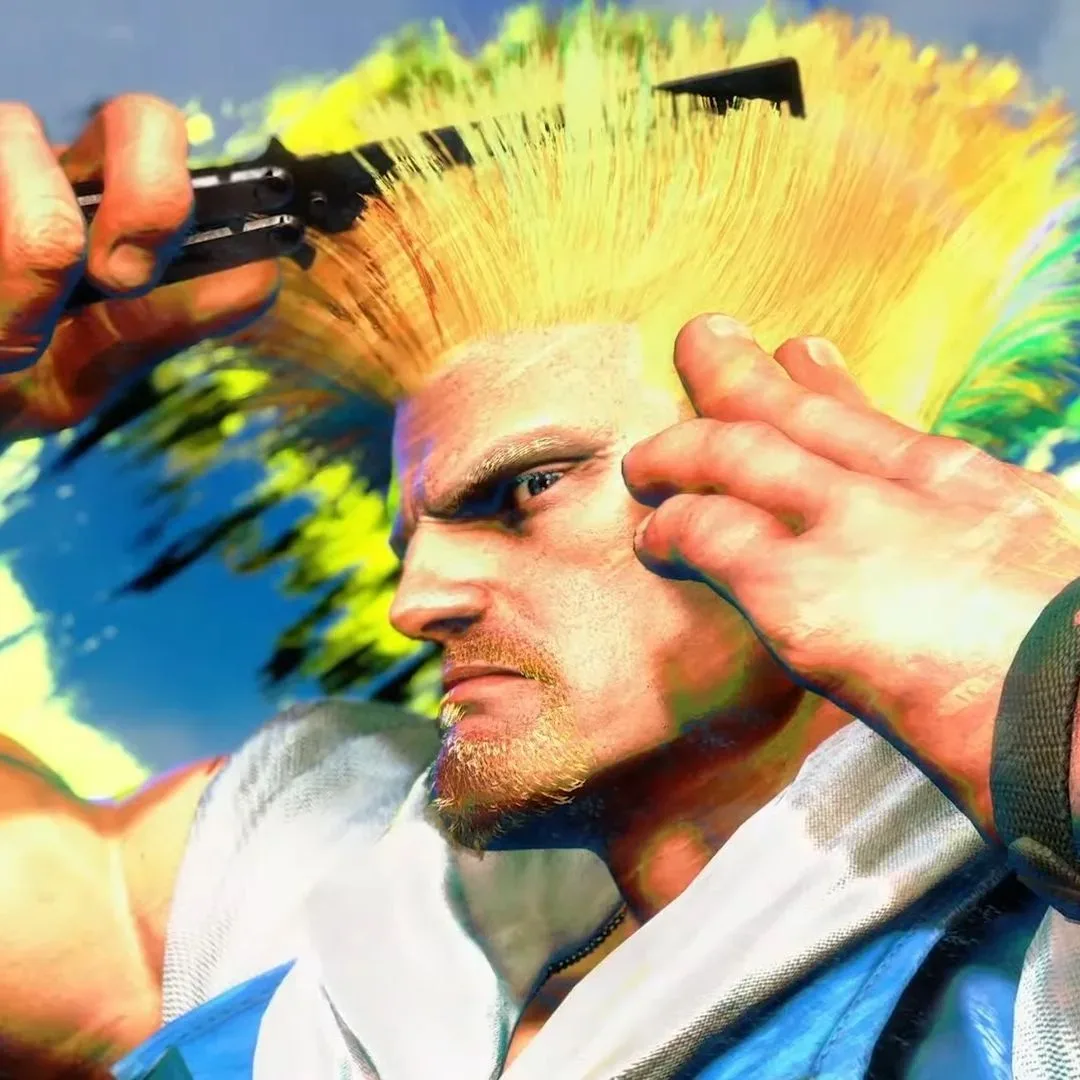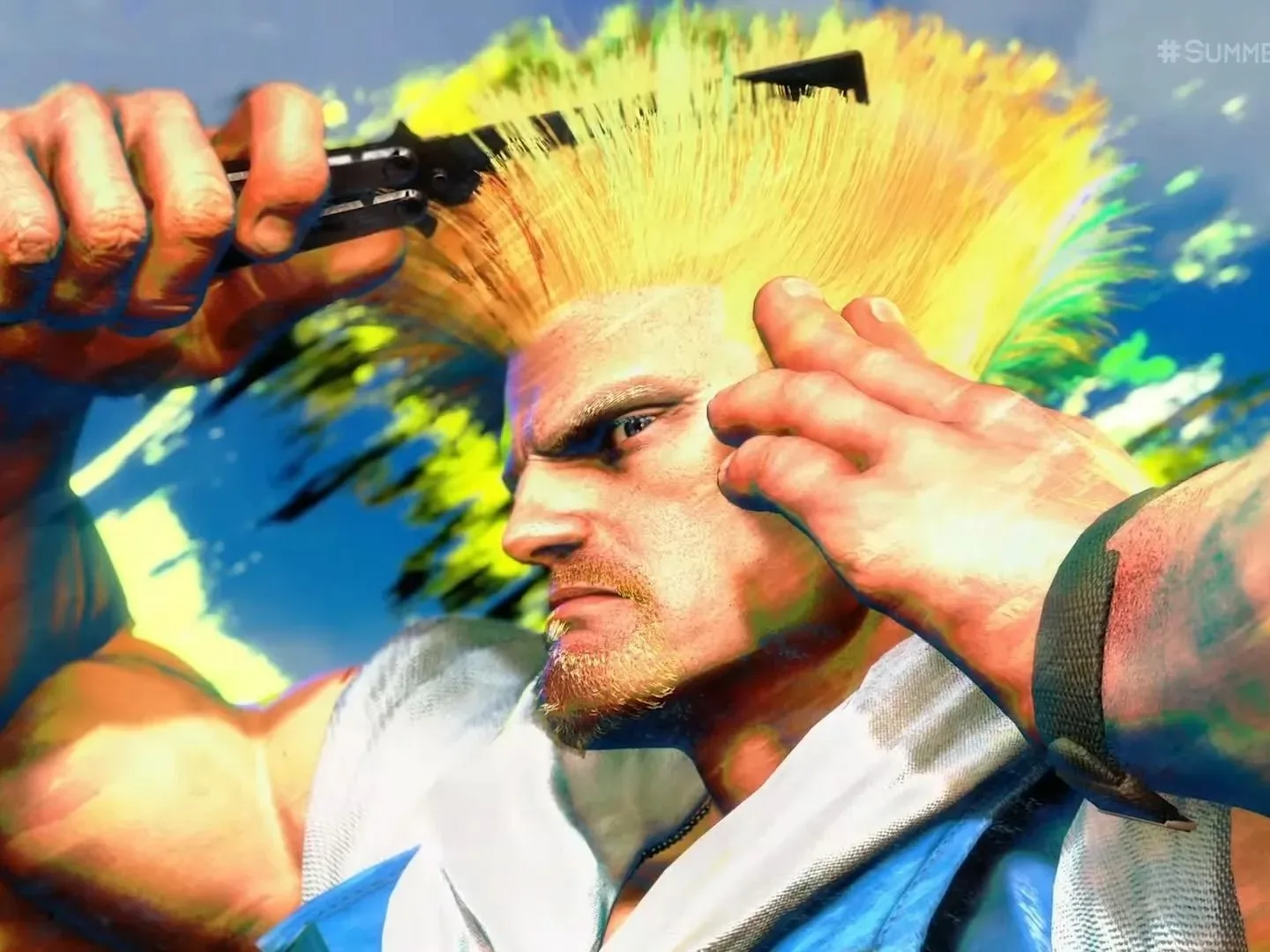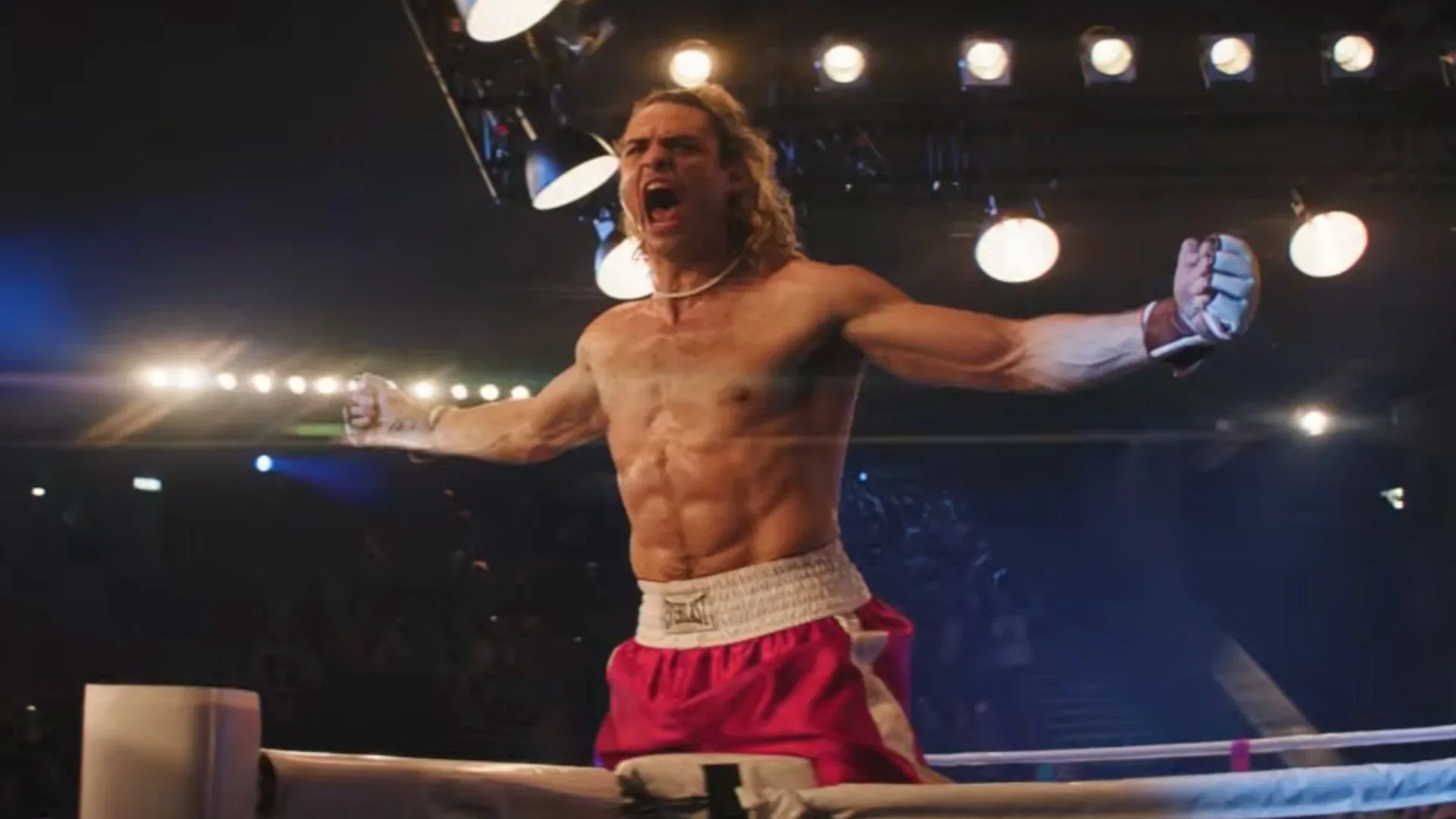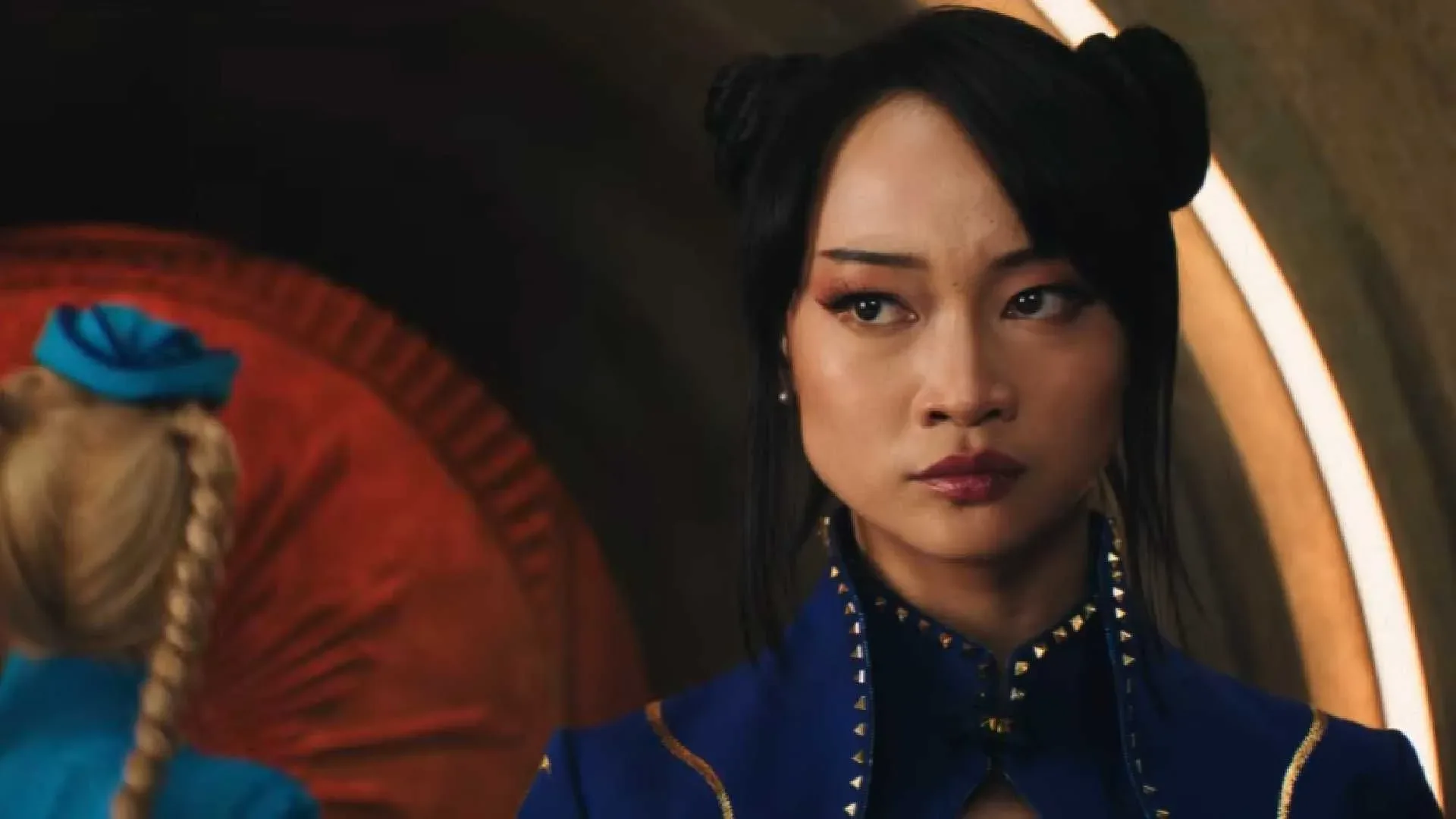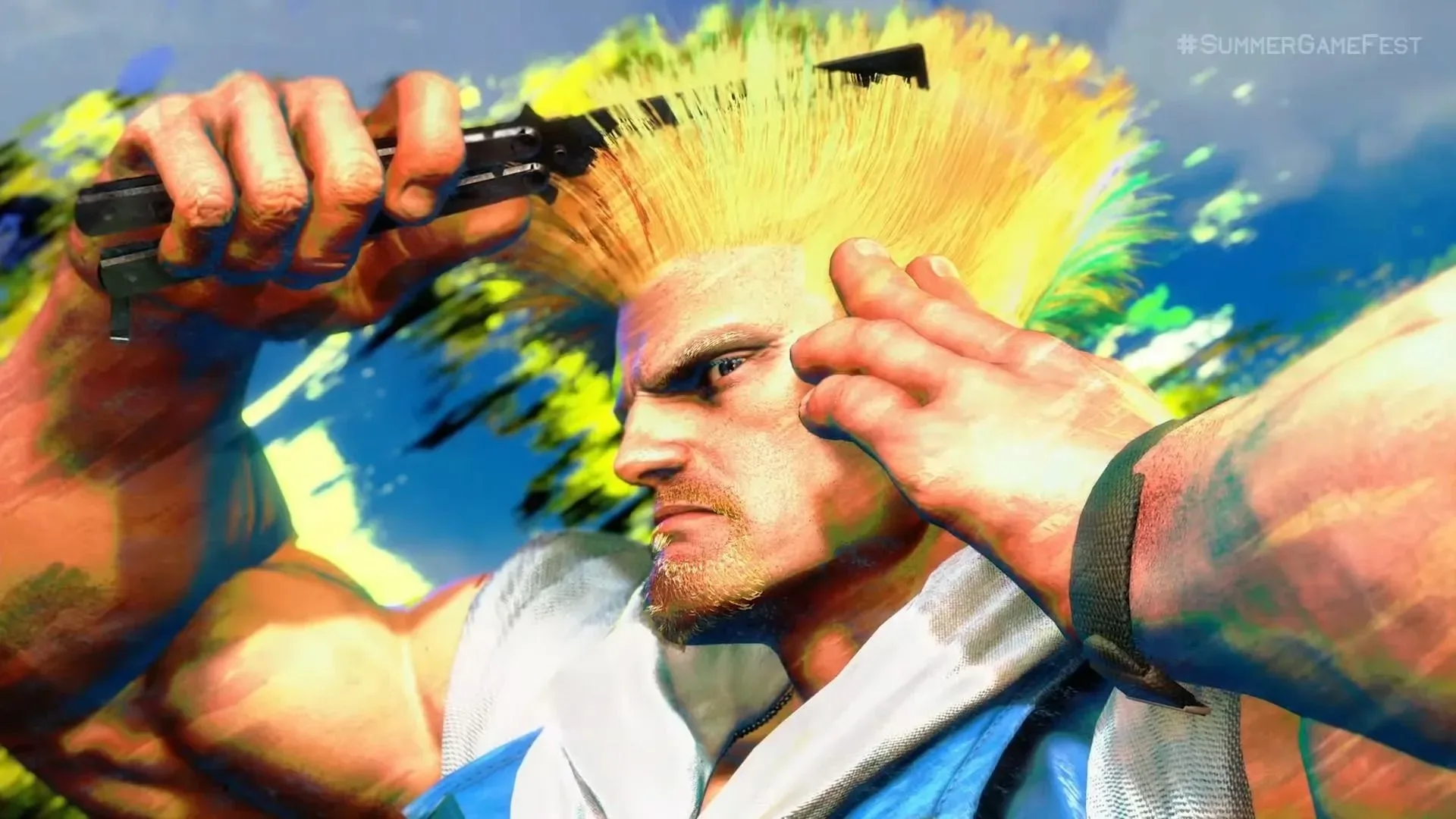
Capcom has given the upcoming Street Fighter film an enthusiastic response, director Kitao Sakurai has said ahead of its October 16 cinema release. Sakurai’s account is especially notable because it goes beyond the broad idea of a rights holder approving an adaptation: he says Takayuki Nakayama, the director associated with Street Fighter V and Street Fighter 6, saw the movie as a realization of the Street Fighter he had pictured in his own head.
“They love the movie,” Sakurai said of Capcom’s reaction. He added that Nakayama has been a major supporter of the film and described the response as an honor.
That is a meaningful vote of confidence, even if it is not the same thing as a public review. A game developer’s enthusiasm can indicate that an adaptation has captured recognizable priorities: the personalities of its fighters, the tone around their rivalries, or the physical language of combat. It cannot settle whether a film works for viewers who have no attachment to the games, nor does it erase the mixed nature of the early reactions that have surfaced so far.
Those early responses have pulled in opposite directions. Some have characterized the film as an exuberant, no-holds-barred good time. Others have raised concerns about its dialogue and what they see as a premise that is not fully developed. The split makes the movie’s imminent theatrical arrival more interesting than a simple story of franchise approval. Capcom’s apparent backing establishes one kind of authenticity test; audiences will decide whether the story, performances, action and humor cohere as a feature film.
A tournament story with Ryu and Ken at its center
The film reunites Ryu, played by Andrew Koji, and Ken, played by Noah Centineo. Both are presented as world-famous martial artists who enter the World Warrior Tournament, a competition intended to determine the greatest fighter on the planet. Yet the tournament is not framed as a clean sporting event. Forces operating in the background may be steering events toward their own purpose.
That setup supplies a useful bridge between the basic grammar of a fighting game and the needs of a movie. Fighting games naturally organize their casts around confrontations, distinct combat styles and competitive stakes. A film still needs connective tissue between bouts: reasons for allies to reunite, motivation for competitors to participate, and an escalating threat that can make individual matches part of one larger plot. Here, the World Warrior Tournament is the device that gathers fighters in one place, while the unseen manipulation promises a wider conflict beyond the bracket.
Ryu and Ken are a logical pair for that structure. Their reunion provides an emotional through-line before the tournament’s larger stakes become clear. The supplied details do not establish precisely how their relationship has changed or what has kept them apart, so it would be premature to project a specific arc onto the movie. What is clear is that the film has positioned its central narrative around two of the franchise’s most recognizable martial artists rather than treating the tournament purely as a sequence of disconnected showcase fights.
What “faithful” can mean for a fighting-game film
The cast has emphasized the research undertaken for both the iconic characters and the fights. That claim matters because Street Fighter is not merely a premise about martial artists. Its identity is carried by fighters with long-established visual silhouettes, attitudes and ways of moving. In an adaptation, that work can extend from costume and stance to how a character’s personality informs their fight choreography.
Related coverage includes Capcom "Loves" Street Fighter Movie, Director Says Ahead of October 16 Release.
Fight choreography is the planned design of a screen fight: the sequence of movements, the performers’ spacing, camera placement, editing and the rhythm that lets viewers understand what is happening. In a game, a player supplies timing and intent through controls. On film, the choreography and filmmaking must communicate that intent for the viewer. The challenge is not simply to reproduce gestures that players recognize. It is to make them readable, dramatic and connected to the people performing them.
That is where a development team’s response may carry a particular kind of weight. The people behind the games are close to the details that distinguish one combatant from another. Sakurai’s description of Nakayama as an enthusiastic champion of the film suggests the movie’s creative choices landed for someone deeply familiar with the modern series. It does not provide a checklist of scenes or confirm every design choice, but it supports the idea that the production made a serious effort to engage with Street Fighter as more than a recognizable brand name.
There is an important distinction between fidelity and literal replication. Fidelity means preserving the qualities that make a work feel like itself: its characters’ identities, its competitive tension and the spirit of its action. Literal replication would mean moving game elements directly to the screen without adaptation. The available information points to a production concerned with the former, through character study and researched action, while the tournament plot provides a cinematic framework around it.
Capcom’s busy adaptation period raises the stakes
The Street Fighter release arrives during a particularly active period for Capcom properties beyond games. Devil May Cry season 2 arrived on Netflix earlier this year, while Resident Evil recently found success in cinemas. With Street Fighter next in line, the company’s franchises are reaching viewers through several formats and genres rather than relying on one screen strategy.
That broader context makes Sakurai’s comments more than a pleasant promotional soundbite. It suggests that Capcom is engaged with how its characters and worlds are being carried into other media at a moment when its adaptations are highly visible. A positive internal reaction can help reassure fans who worry that an adaptation will flatten a game’s personality into generic action. But it is still only one piece of the picture. Internal enthusiasm, early critical chatter and audience response are related but separate measures.
For fans, the most practical takeaway is to keep those measures distinct. A development director responding warmly to a film is encouraging evidence that the team respected the games. Mixed early reactions are a reminder that respect for source material does not automatically determine how a script or tonal approach will land. Neither point is a substitute for seeing the finished film.
This tension is familiar across game adaptations. Translating an interactive medium into a fixed narrative always means selecting a viewpoint, a lead character and a pace for viewers who cannot control the action themselves. The discussion around how a game’s perspective can shape an adaptation reflects the same underlying issue: form matters as much as franchise recognition. Street Fighter’s solution, based on the details currently available, is to use Ryu and Ken’s return and a high-stakes tournament as its anchor.
Why the audience response remains the real unknown
There is no contradiction between Capcom loving the movie and some early viewers finding fault with its dialogue or story setup. These reactions are judging different things from different perspectives. A franchise steward may respond strongly to character accuracy, action choices and the way the film honors a decades-spanning fighting-game tradition. A general moviegoer may place more emphasis on narrative momentum, dialogue and whether the stakes feel sufficiently built out.
The comments also should not be inflated into a guarantee of commercial success. The film is aiming for a theatrical audience, and the only confirmed release detail is its October 16 cinema debut. Box-office performance, broad audience reception and the durability of its reputation are matters that will emerge after that release rather than facts already established by the production’s internal support.
Still, Sakurai’s account offers a clearer indication of the filmmakers’ relationship with the property than a standard claim of inspiration. Nakayama’s reported description—that the movie resembles his personal vision of Street Fighter brought to life—puts the emphasis on creative recognition. For a series built around vivid fighters, heightened rivalries and carefully differentiated combat, that recognition is significant.
Street Fighter now faces the harder test: whether that recognition translates from the people who know the games intimately to audiences in the theater. The split in early reactions means the answer is not settled in advance. On October 16, viewers will be able to judge whether the World Warrior Tournament, Ryu and Ken’s reunion, and the promised attention to the fighters deliver a film that lands as decisively as Capcom’s reaction suggests.