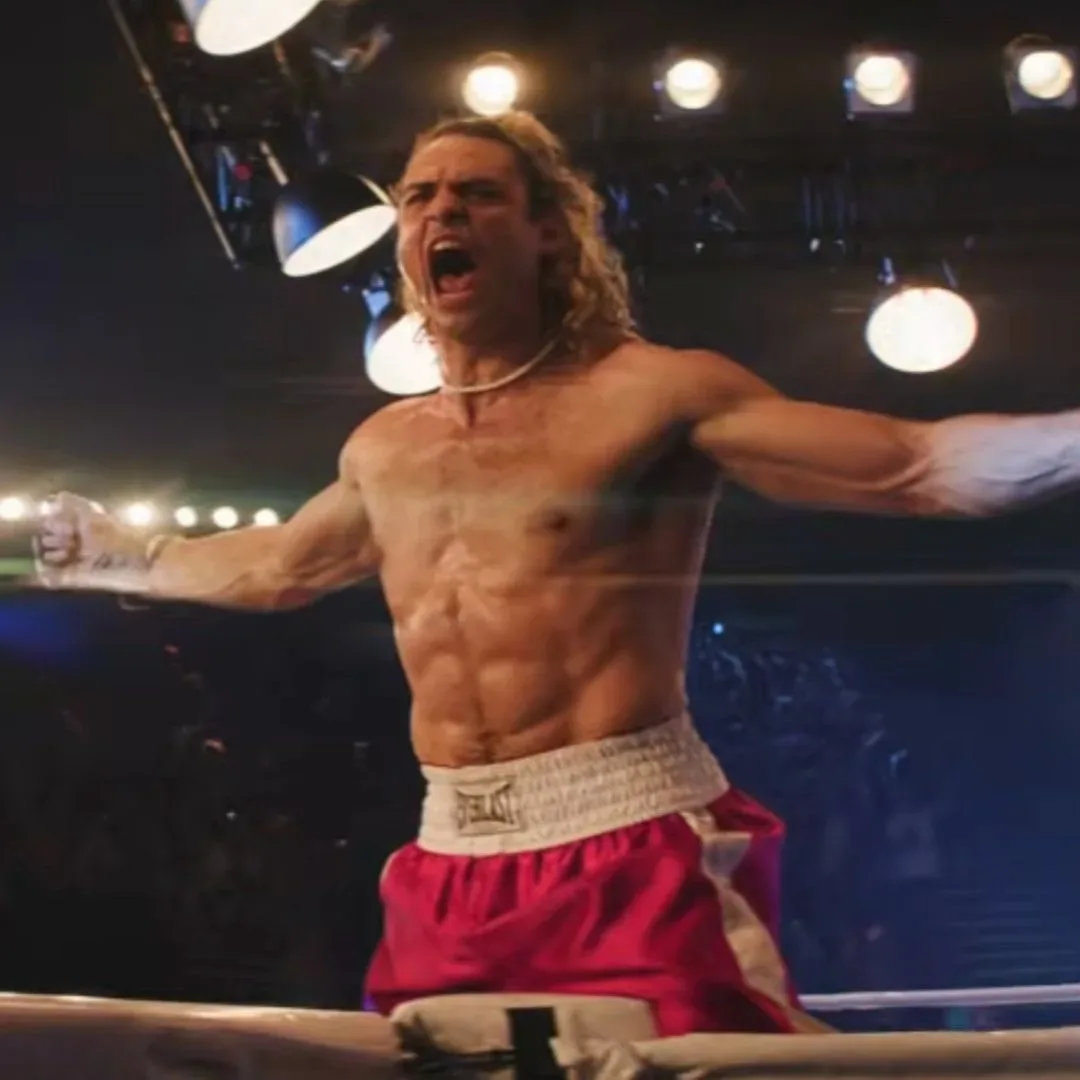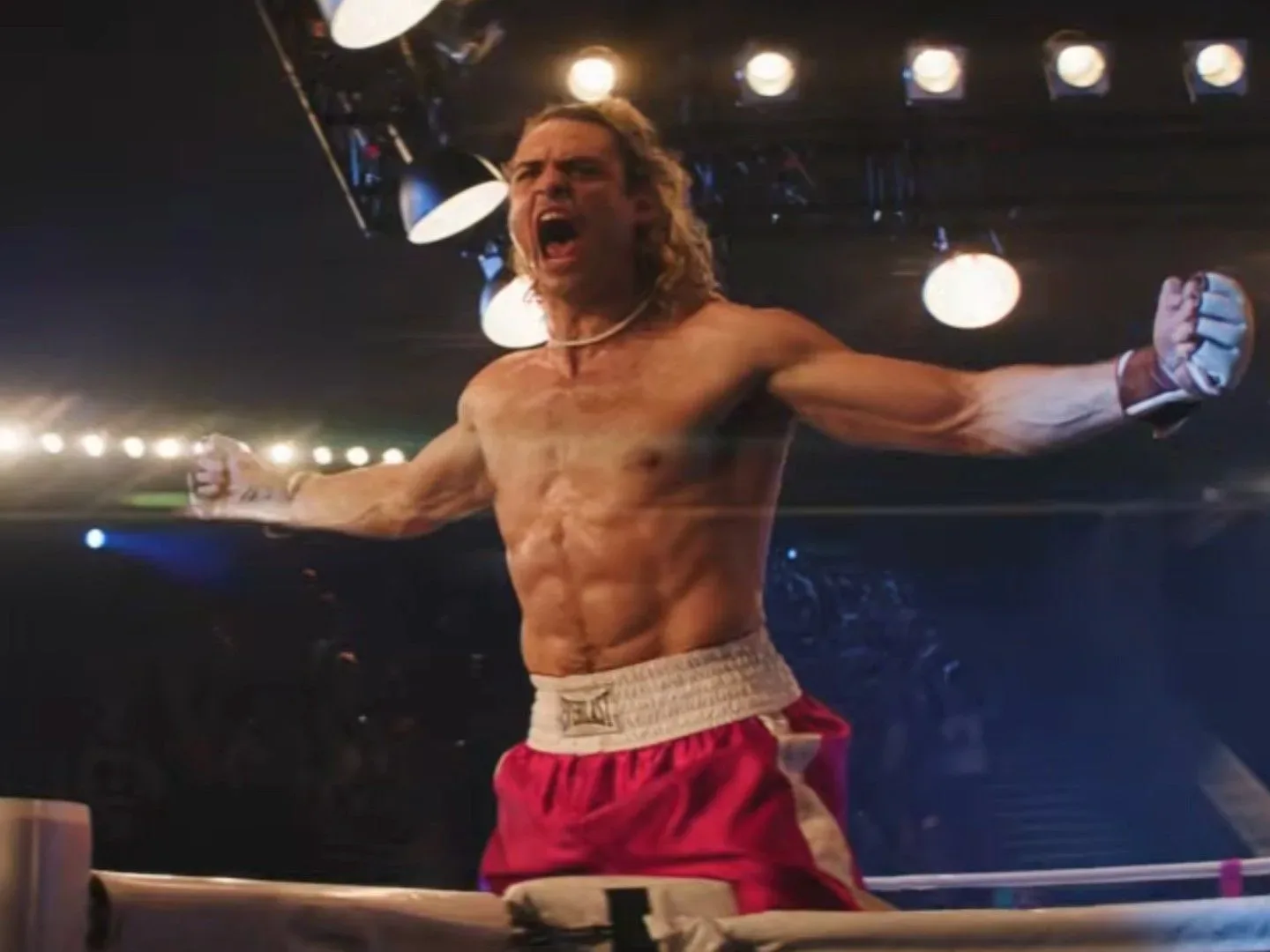
The bell has not officially rung for the new Street Fighter movie, but early reactions have already entered the ring—and they are not scoring it the same way. Following its October 12 world premiere in Los Angeles, the video-game adaptation is drawing a notably mixed first response ahead of its October 16 cinema release.
At one end, viewers have embraced the film as loud, deliberately silly action entertainment with a strong affection for the franchise’s larger-than-life identity. At the other, critics have argued that the movie’s premise and dialogue do not quite come together, leaving a busy story without a fully settled direction. The common ground is more encouraging than the split may first suggest: the cast, combat and visual nods to the games are repeatedly identified as strengths.
That makes the immediate question less about whether the film is attempting to play Street Fighter straight, and more about whether its chosen mix of comedy, nostalgia, tournament fighting and conspiracy plot works for each viewer.
A 1990s-style action throwback—for better and worse
Positive reactions describe the film as a throwback in both its appearance and its sense of humour. The comparison is not simply about costumes or arcade-era iconography. It points to a knowingly exaggerated action-movie mode: a hot ensemble cast, big personalities, heightened violence and jokes that recognise how outrageous old-school fight films could be.
One early reaction likened the result to an especially over-the-top version of Bloodsport, praising it for honouring the excesses of 1980s action cinema while also making fun of the toxic machismo those films helped popularise. That distinction matters. A movie can borrow an old action template without fully endorsing every attitude embedded in it. In this case, early viewers see an effort to turn the genre’s chest-thumping absurdity into part of the joke.
Others call the new film a fearless, goofy good time. For an adaptation of a fighting-game series, that is a potentially sensible lane. Street Fighter’s appeal has always involved personalities and spectacle as much as the rules of a match: rivals, signature techniques, colourful arenas and a cast of combatants who are rarely subtle. A film that deliberately makes room for that excess can feel closer to the source’s spirit than one that treats every special move as a grave military secret.
Still, “deliberately silly” is a difficult tone to balance. A joke can make a character feel human and ease the pressure between fights; too many unsuccessful jokes can make the dramatic stakes feel disposable. The negative notices suggest the latter may be the sticking point for some viewers. They say the humour rarely connects and that the material feels incomplete despite an appealing setup.
Ryu, Ken and Chun-Li return to the tournament
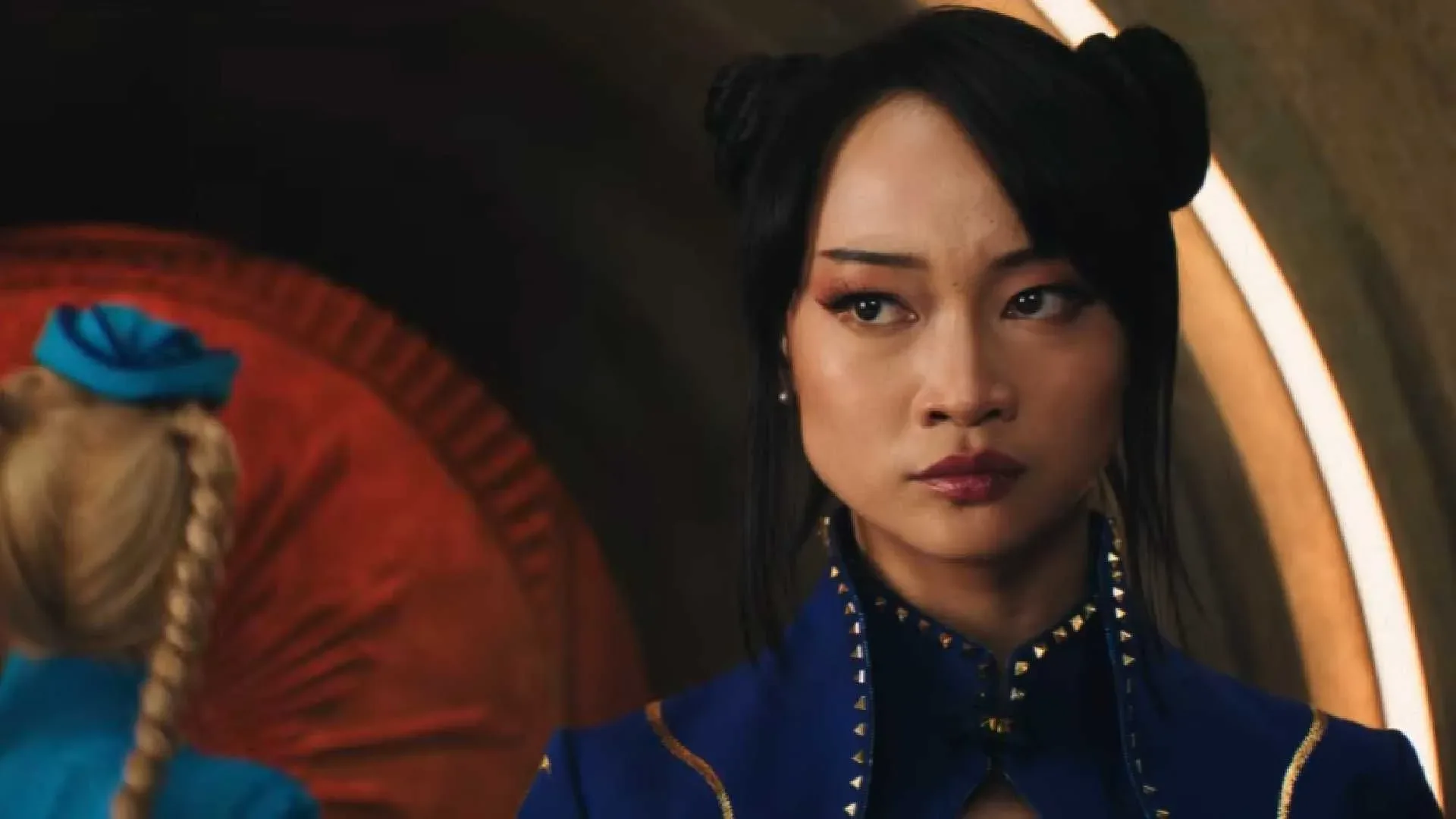
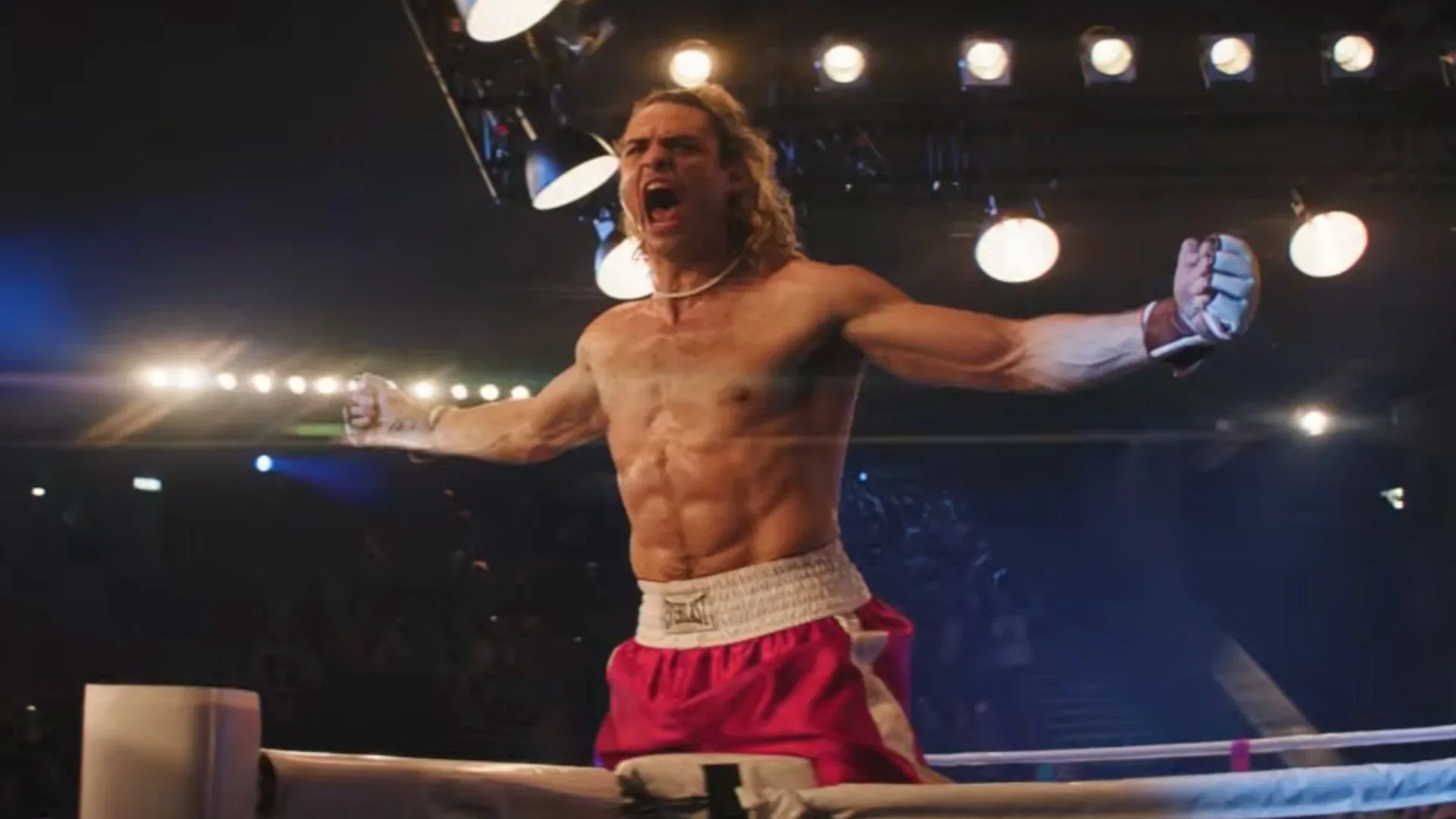
The story centres on Ryu, played by Andrew Koji, and Ken Masters, played by Noah Centineo. They are drawn back into the fighting world when Chun-Li, played by Callina Liang, recruits them for the next World Warrior Tournament. Their path is not restricted to the ring: a deadly conspiracy is also developing around the fighters.
Related coverage includes Street Fighter Movie Reactions Split Critics Ahead of October 16 Release.
That is a familiar but flexible framework for Street Fighter. The World Warrior Tournament provides a natural reason for the series’ fighters to meet, clash and show off their individual styles. The conspiracy offers a second layer of stakes, giving the movie something to pursue between bouts. In theory, that arrangement can satisfy viewers who want faithful fighting-game moments and those looking for a conventional action plot.
The concern in several early reactions is that the film may be trying to carry too many tones or narrative priorities at once. Descriptions of an “underbaked” premise and a movie that does not know exactly which direction it wants to take point to a structural issue rather than an objection to the basic concept. A tournament movie needs simple forward momentum: who is fighting, what is at risk, and why the next encounter matters. A conspiracy story requires its own clarity—motives, danger and payoff. When both are present, each must support the other rather than compete for attention.
It is worth separating that criticism from a claim that the movie has no worthwhile ideas. One disappointed response specifically suggested there is a genuinely interesting hook in the setup. The frustration, then, is that some viewers see the ingredients for an entertaining adaptation without feeling that the finished narrative fully develops them.
Fan service appears to be one of the film’s clearest wins
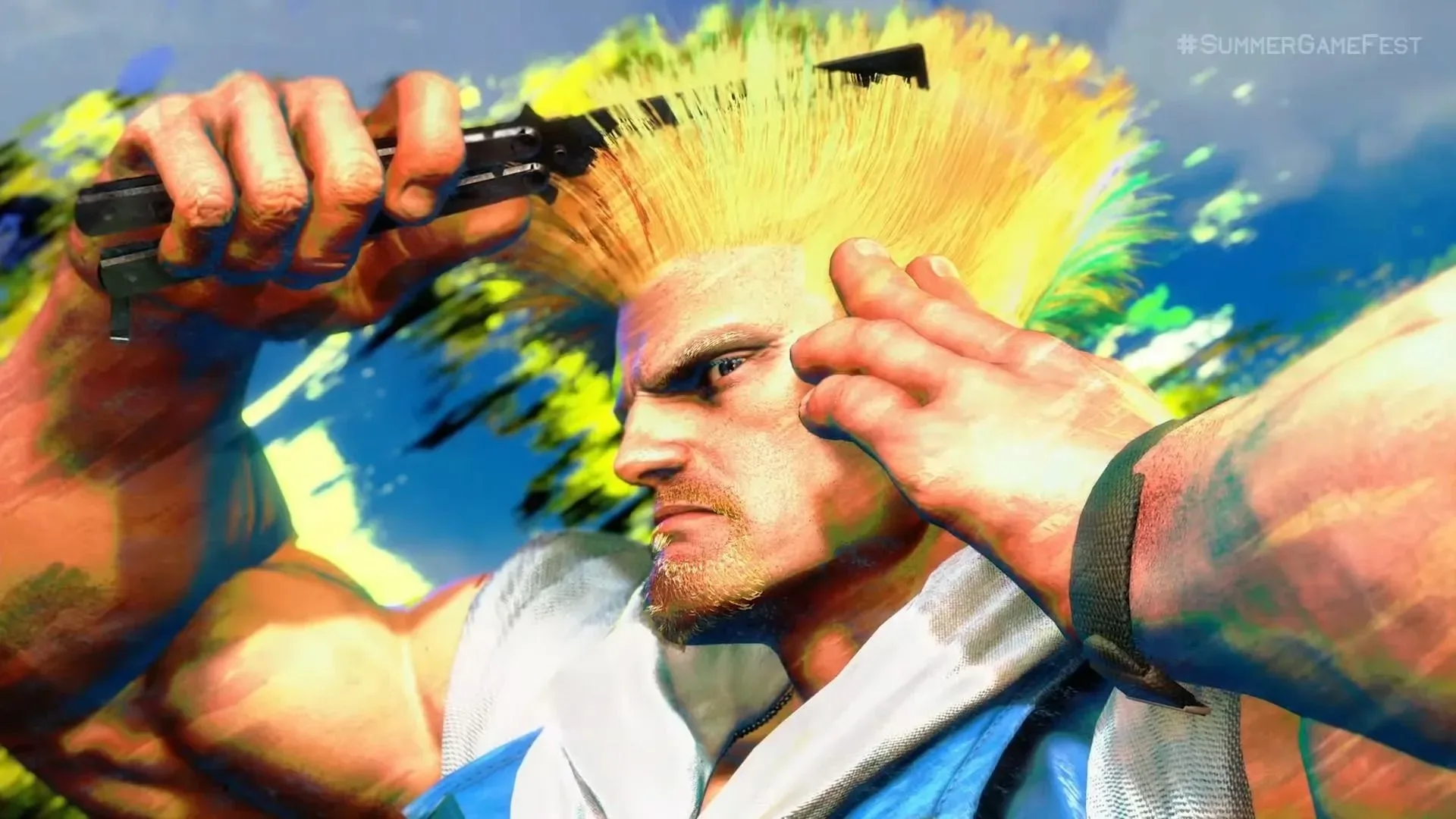
The most enthusiastic reactions make special mention of how closely the movie honours the games’ characters and fighting moves. One viewer said the film contains more than 100 Easter eggs for people who grew up with Street Fighter and for newer fans.
An Easter egg is a small, often optional reference planted for attentive audiences: a visual callback, line, object, move, character detail or other piece of recognition. In an adaptation, Easter eggs can do more than create a checklist. At their best, they show that the filmmakers understand which details players associate with a character or series.
There is an important difference between fan service and story. Fan service, in this context, means material designed to reward existing fans through familiar imagery, moves and references. It can deliver a real burst of recognition—especially when a movie recreates a beloved combat technique—but it cannot independently make a plot coherent. The mixed response to Street Fighter seems to reflect precisely that divide: a considerable amount of franchise-aware craft may be present even if some viewers find the script and tonal throughline less convincing.
For audiences already fluent in the games, the film’s reference density could be a major part of the appeal. For viewers who have never executed a special move or recognised the World Warrior name, the more decisive test will likely be whether the characters and action remain enjoyable without that extra layer of recognition.
Action, animation and an unusually broad ensemble
Even among the more reserved first impressions, there is praise for the performances and action. The movie also reportedly uses animated sequences, a stylistic choice that could help it acknowledge the visual language of a game series without forcing every idea into conventional live-action realism.
The ensemble is extensive. Alongside Koji, Centineo and Liang, the cast includes David Dastmalchian, 50 Cent, Andrew Schulz, Eric André as Don Sauvage, Jason Momoa, and WWE performers Roman Reigns and Cody Rhodes. Early reactions repeatedly note that the actors appear to be having fun, which is particularly valuable in a heightened action comedy. If performers commit to a knowingly outsized world, the audience is more likely to accept its unusual names, rivalries and combat spectacle on the movie’s own terms.
However, a large cast can also intensify the storytelling challenge. More personalities create more opportunities for memorable entrances and references, but also more demands on running time and focus. The criticism that the film feels like only half a movie may therefore be read as a concern about compression: a lot of people, plot and tone competing for room, rather than a shortage of ingredients.
What the split reactions mean before release
Early reactions are not a substitute for a full critical consensus, and they are especially limited when they emerge immediately after a premiere. They do, however, establish useful expectations. Viewers heading in chiefly for recognisable moves, boisterous fight scenes, animation and a cast playing into the franchise’s theatricality may find much to enjoy. Those hoping for a tightly disciplined tournament drama or consistently sharp comedy should know that the initial response is less certain on those fronts.
The positive and negative takes are not completely incompatible. Both sides describe a movie packed with action, references and an enthusiastic ensemble. They disagree over whether that energy coheres into a satisfying whole. That is a more specific—and more useful—warning than a simple good-or-bad verdict.
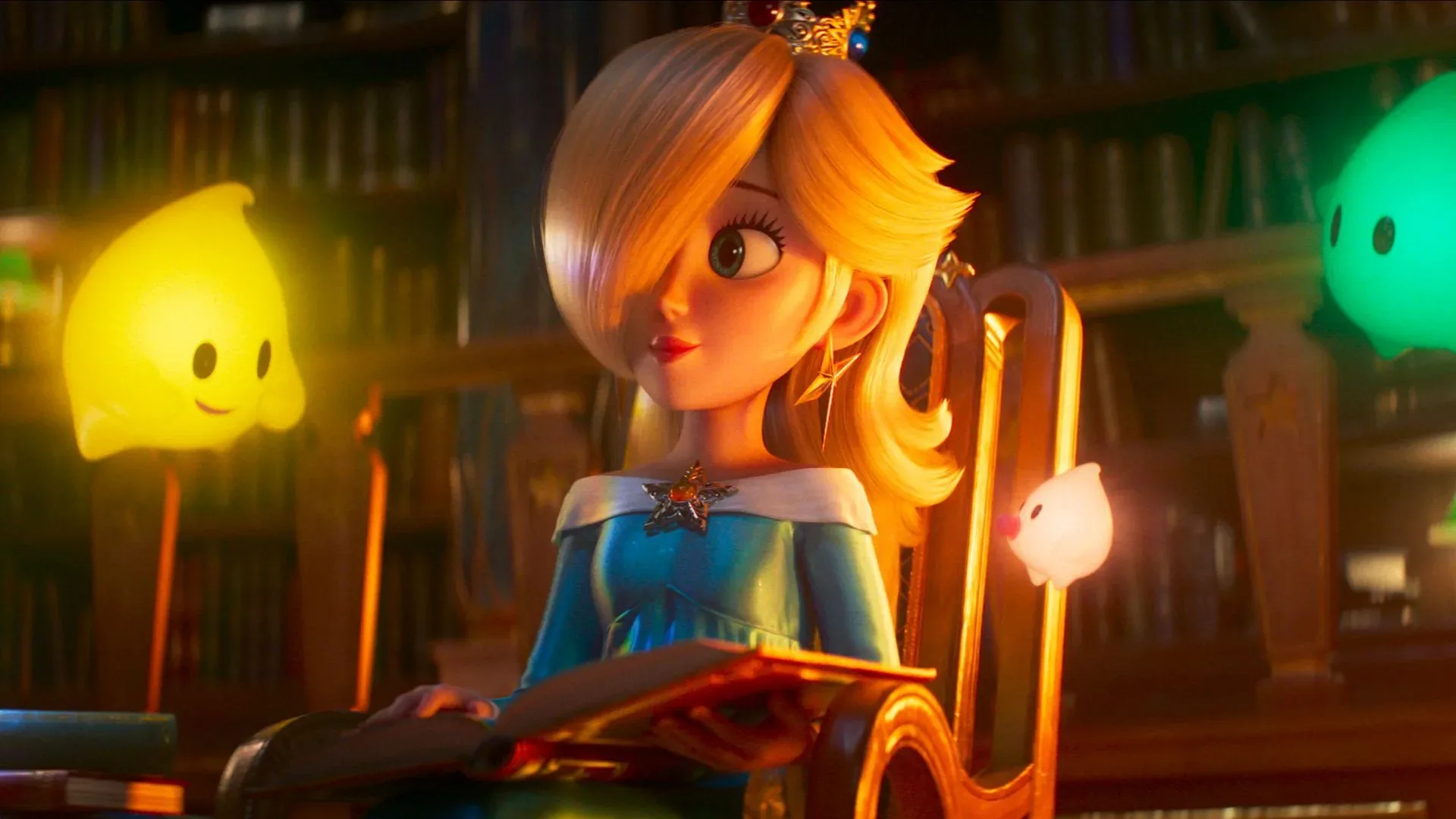
The film also arrives amid continued interest in game stories reaching the screen. For another recent discussion about how game-film characters can be served by limited screen time, see our report on Rosalina’s role in The Super Mario Galaxy Movie. Street Fighter faces a different challenge: it must bring the chaos of a competitive fighting roster into a single narrative while retaining the flamboyant pleasures that made the games memorable.
Audiences will get the chance to judge that balance when Street Fighter opens in cinemas on October 16. For now, the first word is clear: expect plenty of kicks, callbacks and confidence, but do not expect everyone to agree on whether the movie’s story lands the final hit.