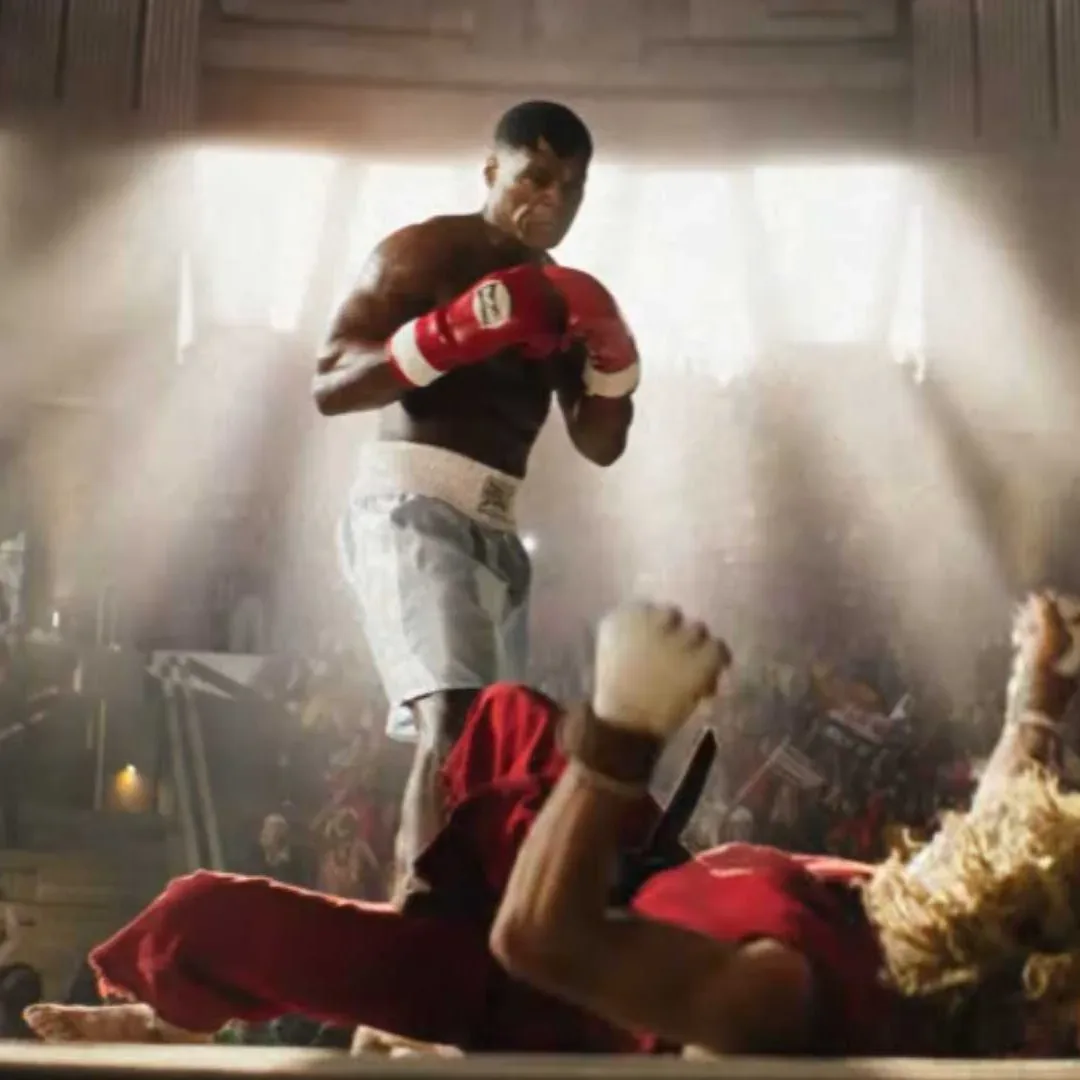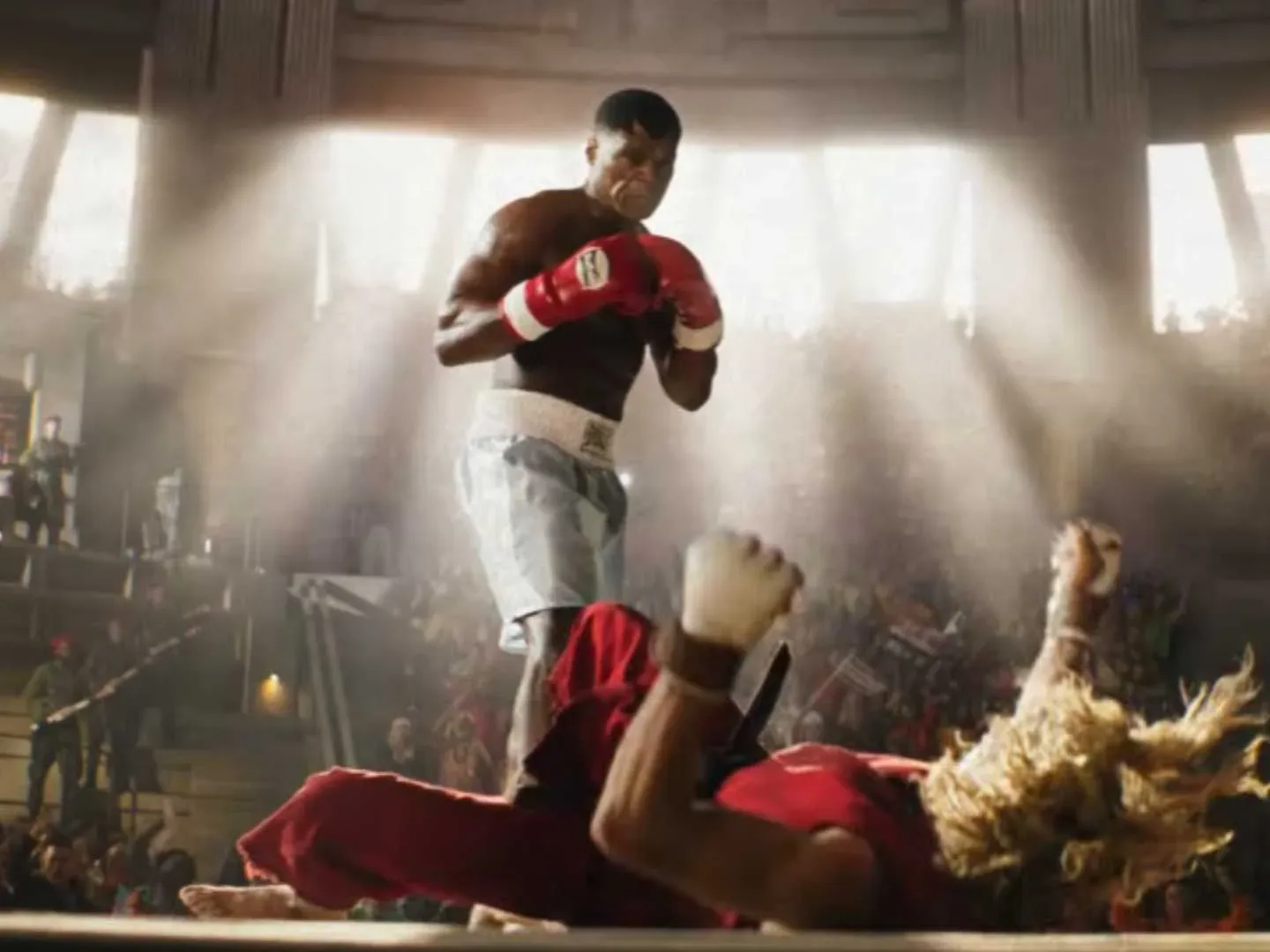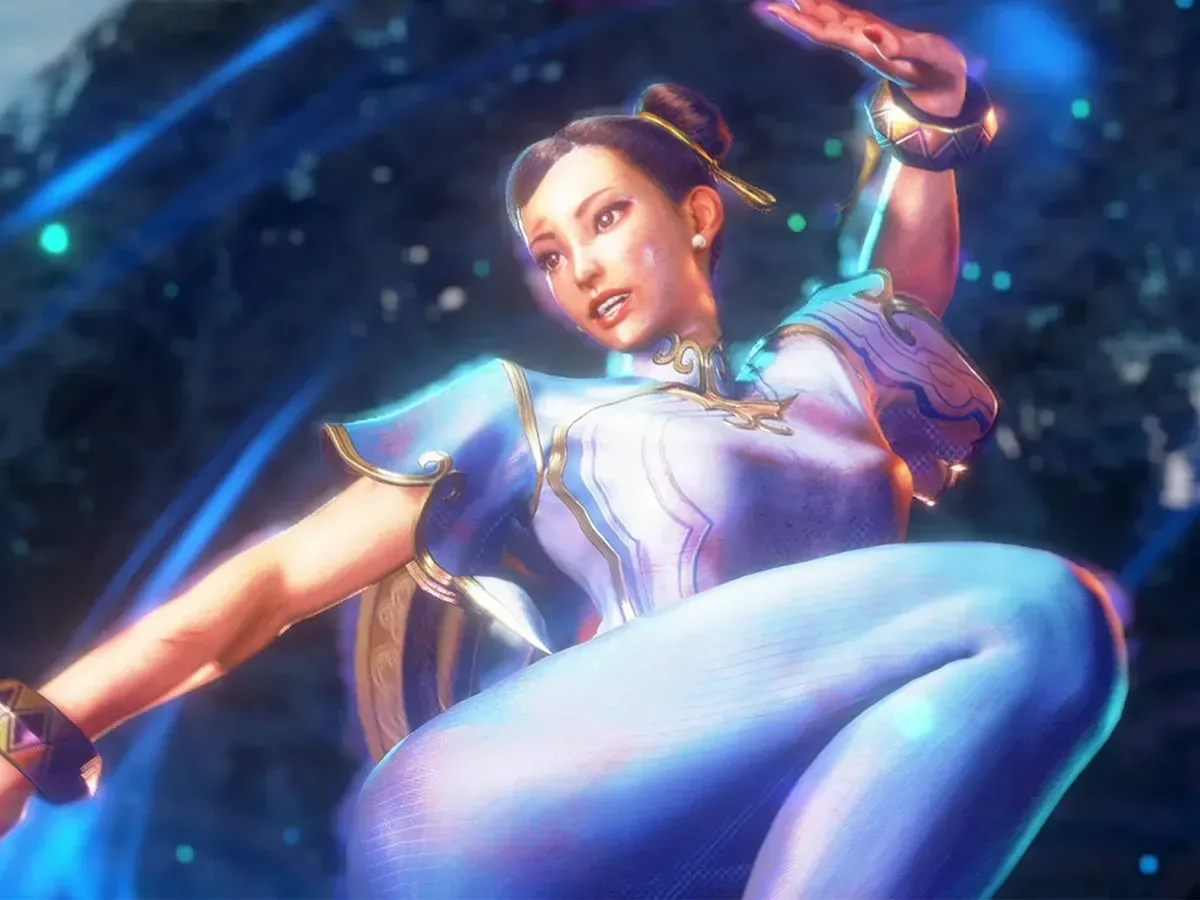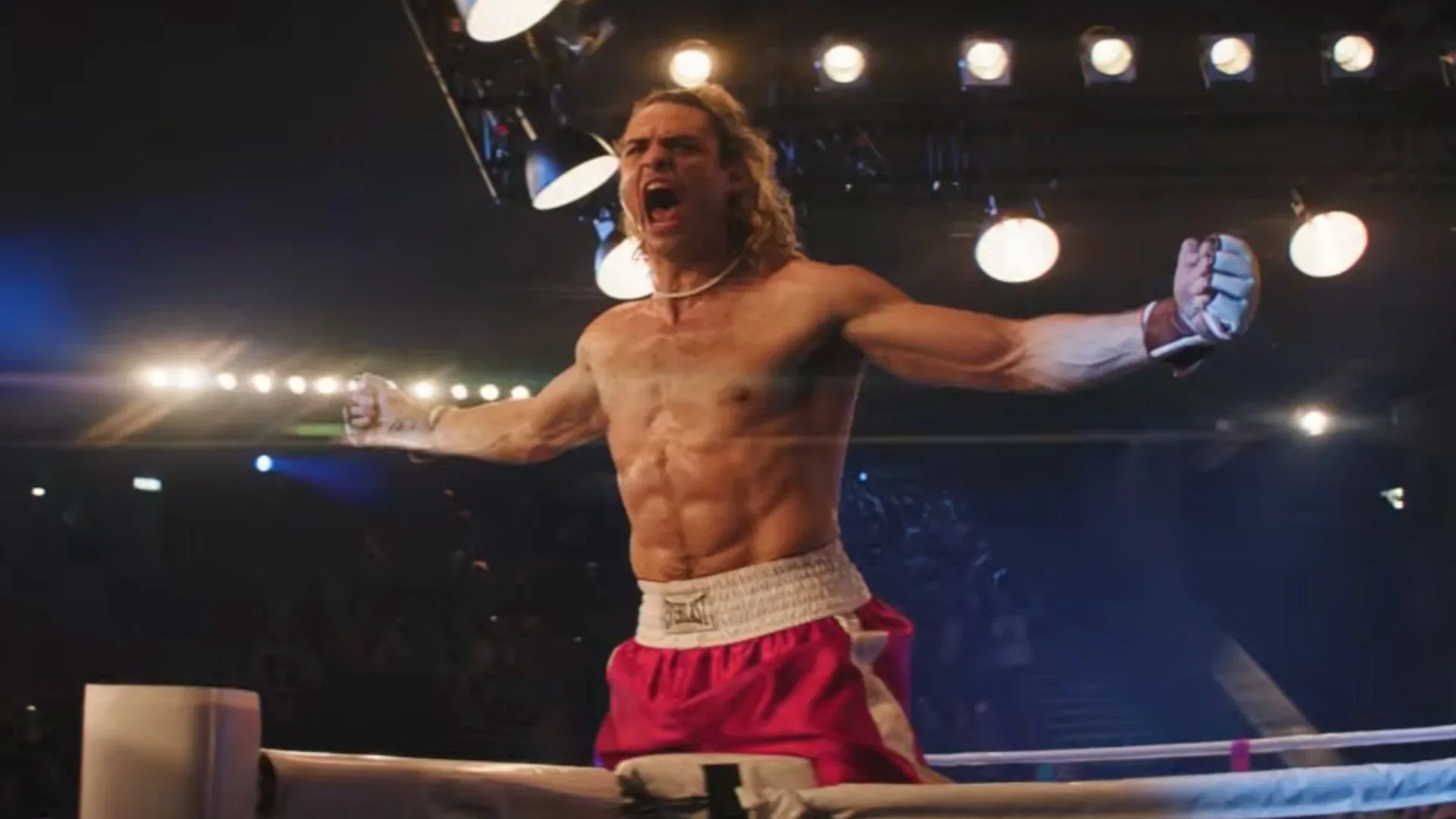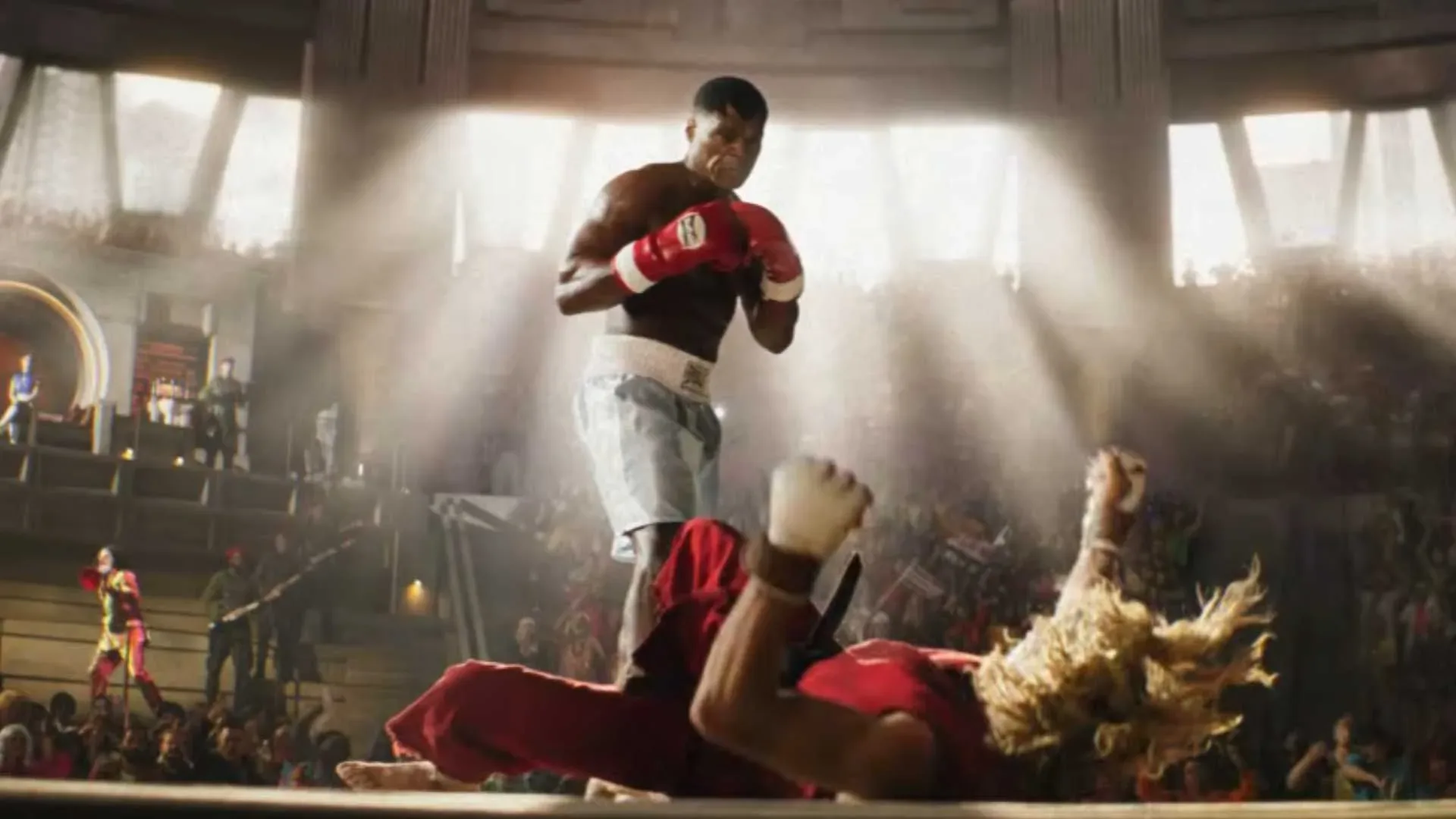
The newest Street Fighter trailer has chosen a very direct way to answer the central question facing any live-action fighting-game adaptation: will the moves look like the moves? Its answer is a rapid-fire showcase of signature techniques associated with the series’ fighters, from Ryu’s Shoryuken to Chun-Li’s Hundred Lightning Kicks.
That emphasis matters because special moves are not merely decorative in a fighting game. They are part of a character’s vocabulary. A player can recognize a combatant through stance, animation, spacing and rhythm before a health bar has meaningfully moved. For a movie, recreating those attacks offers an immediate visual bridge between the screen version and the game audiences know, without requiring the audience to be versed in tournament brackets, motion inputs or frame data.
The trailer includes the Shoryuken, Dhalsim’s aerial Yoga Mummy, Chun-Li’s Hundred Lightning Kicks, Balrog’s Buffalo Headbutt, the Dragonlash Kick identified as coming from Street Fighter 7, and the Hundred Hand Slaps. The selection reaches beyond simply putting a fireball in a trailer and calling it a day. It highlights attacks with distinct physical identities: a rising punch, a rapid kick sequence, a forward-driving headbutt and an airborne strike.
Why the move compilation is a useful signal
In fighting-game terms, a special move is an attack with a defined identity that often asks for a particular input in play. On film, the input naturally disappears; no one expects Ryu to pause, perform a controller motion and tap a button. What remains is the payoff: the pose, trajectory, impact and personality of the attack.
That distinction is important. A faithful adaptation does not need to mimic the mechanics literally, but it does need to understand why a move reads instantly. The Shoryuken, for example, is not just any upward punch. Its upward motion and iconic association with Ryu make it a recognizable piece of action language. Likewise, a barrage such as Chun-Li’s Hundred Lightning Kicks communicates speed and pressure before viewers need any spoken explanation.
Dhalsim’s Yoga Mummy is especially notable as a named aerial attack rather than a broad reference to the character’s unusual fighting style. Including attacks at that level of specificity suggests the trailer is interested in game-facing details, not solely familiar character names. Balrog’s Buffalo Headbutt receives the same treatment, making the sequence feel designed as a catalogue of combat signatures.
There is a practical benefit to that approach, too. A trailer cannot explain an entire fictional tournament or every relationship between fighters in a few minutes. Recognizable moves efficiently establish identity. A viewer who has played the games can spot an allusion immediately, while a newcomer can still understand what kind of fighter they are watching: quick, powerful, acrobatic or strange.
A tournament story gives the fighters a shared arena
Kitato Sakurai directs the live-action film. The setup has Ryu, played by Andrew Koji, and Ken, played by Noah Centineo, entering the World Warrior Tournament after Chun-Li, played by Callina Liang, urges them to do so. Chun-Li is focused on bringing down M. Bison, portrayed by David Dastmalchian.
Related coverage includes New Street Fighter Trailer Spotlights Game Moves Recreated for the Live-Action Film.
The World Warrior Tournament provides an understandable framework for a large ensemble. Fighting games are built around matchups, and a tournament premise creates room for characters with radically different styles to encounter each other without every confrontation needing a separate, elaborate justification. It also gives the trailer’s move-focused strategy a narrative home: these are not isolated nods tossed into unrelated action scenes, but techniques presented within a story built around competitive combat.
M. Bison’s presence also establishes a clear antagonist for the plot described so far. The reported focus on Chun-Li’s mission to stop him gives the tournament something beyond sporting stakes. Ryu and Ken’s entry is therefore tied to a conflict that can connect the roster rather than treating the competition as an end in itself.
The cast extends well beyond Ryu, Ken and Chun-Li
The announced lineup pairs several prominent characters with a notably varied cast. Cody Rhodes plays Guile, Roman Reigns plays Akuma, Curtis “50 Cent” Jackson plays Balrog, Jason Momoa plays Blanka, Orville Peck plays Vega, Andrew Schulz plays Dan and Mel Jarnson plays Cammy.
For fans, the key implication is range. Guile, Akuma, Balrog, Blanka, Vega, Dan and Cammy are not interchangeable additions to a poster. Their names signal different fighting personas and different opportunities for the film to distinguish its action. The latest footage’s attention to individual attacks is therefore consistent with the broader ensemble: the film appears positioned to make room for characters whose visual styles need to be immediately legible.
An earlier trailer had already leaned into the series’ history by recreating the loading screen from 1991’s Street Fighter 2. It also included directing duo Danny and Michael Philippou as two fighters. Together with the new move compilation, that earlier reference points toward a film willing to use the games’ presentation as part of its visual toolkit, not just its character list.
What viewers can actually expect before release
Street Fighter is scheduled to arrive in theaters on October 16. Participating IMAX theaters will host a special event on October 15 at 7 p.m. local time, giving attendees the chance to see the film one day early. The event is set to include a special poster print and seven minutes of bonus footage.
Those details are worth separating from the general release. The October 15 screening is a participating-theater event rather than the film’s broad theatrical opening, and its 7 p.m. start is specified in local time. Anyone interested in the poster or extra footage will need to check whether a nearby IMAX location is participating rather than assuming every theater is included.
There is also a Guile hair-shaped popcorn bucket. Whether it is a spectacularly committed piece of movie merchandise or a snack container that stares back into the soul is probably a matter of personal taste. Either way, it fits the same larger strategy as the trailers: embrace the exaggerated silhouettes and unmistakable iconography that make Street Fighter feel like Street Fighter.
Recognition is the trailer’s real fighting stance
The most revealing thing about this new preview is its confidence in specificity. Rather than relying only on a generic promise of martial-arts action, it calls out techniques that have names, histories and dedicated fans. That does not by itself answer every question about the finished film’s tone, characters or action staging. A compilation trailer is designed to highlight its strongest hooks, after all.
But it does make the adaptation’s priorities clearer. The movie is presenting special moves as a foundational feature, while its World Warrior Tournament premise supplies a vehicle for bringing the roster together. It is an approach that asks the film to translate the recognizable language of a fighting game into live action, not to hide that language behind realism.
For players following other game-world developments while waiting for the movie, there is also fresh news on the PC side: a Dark Souls 2 seamless co-op mod is targeting persistent parties, proximity chat and PC fixes.