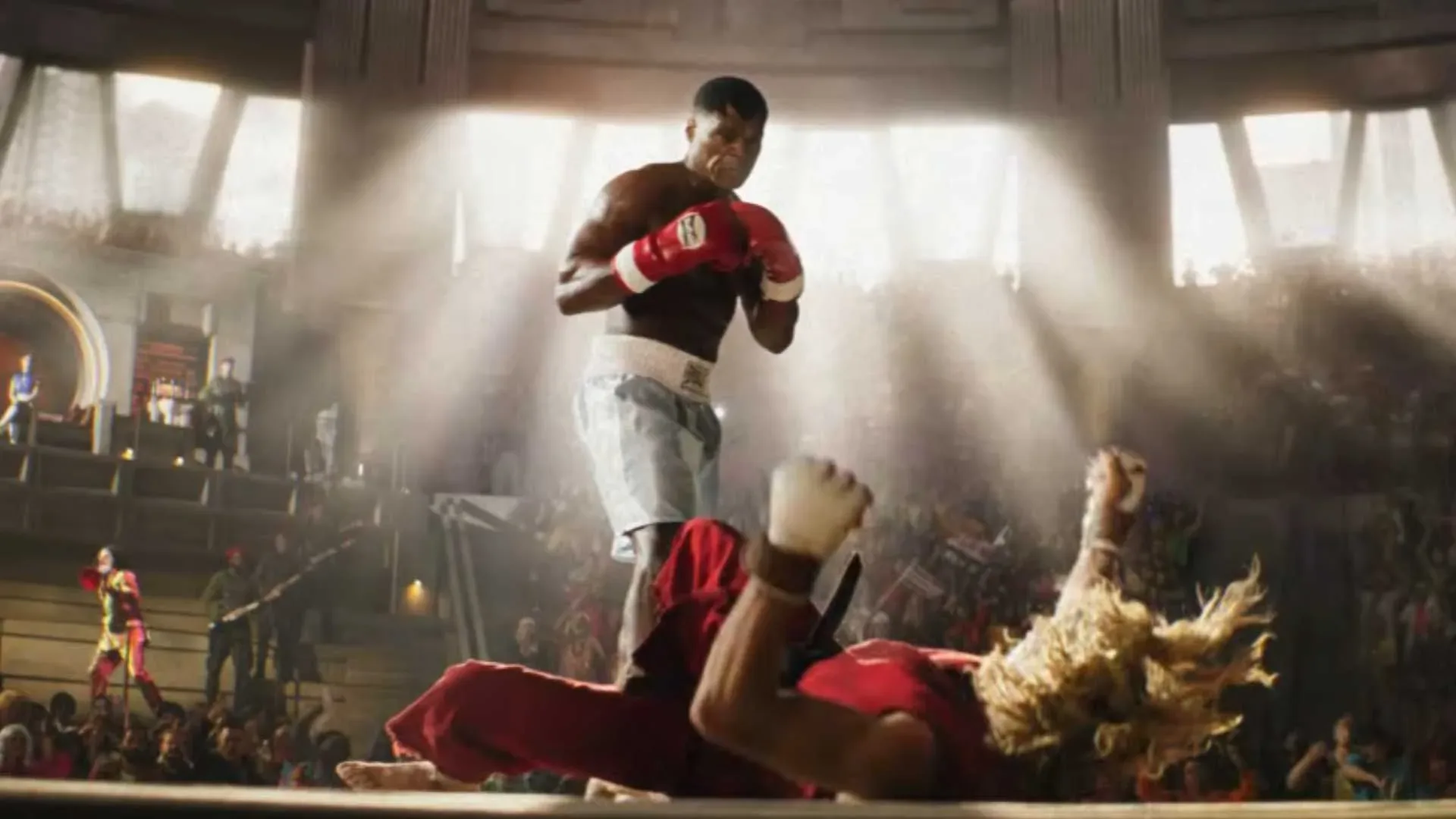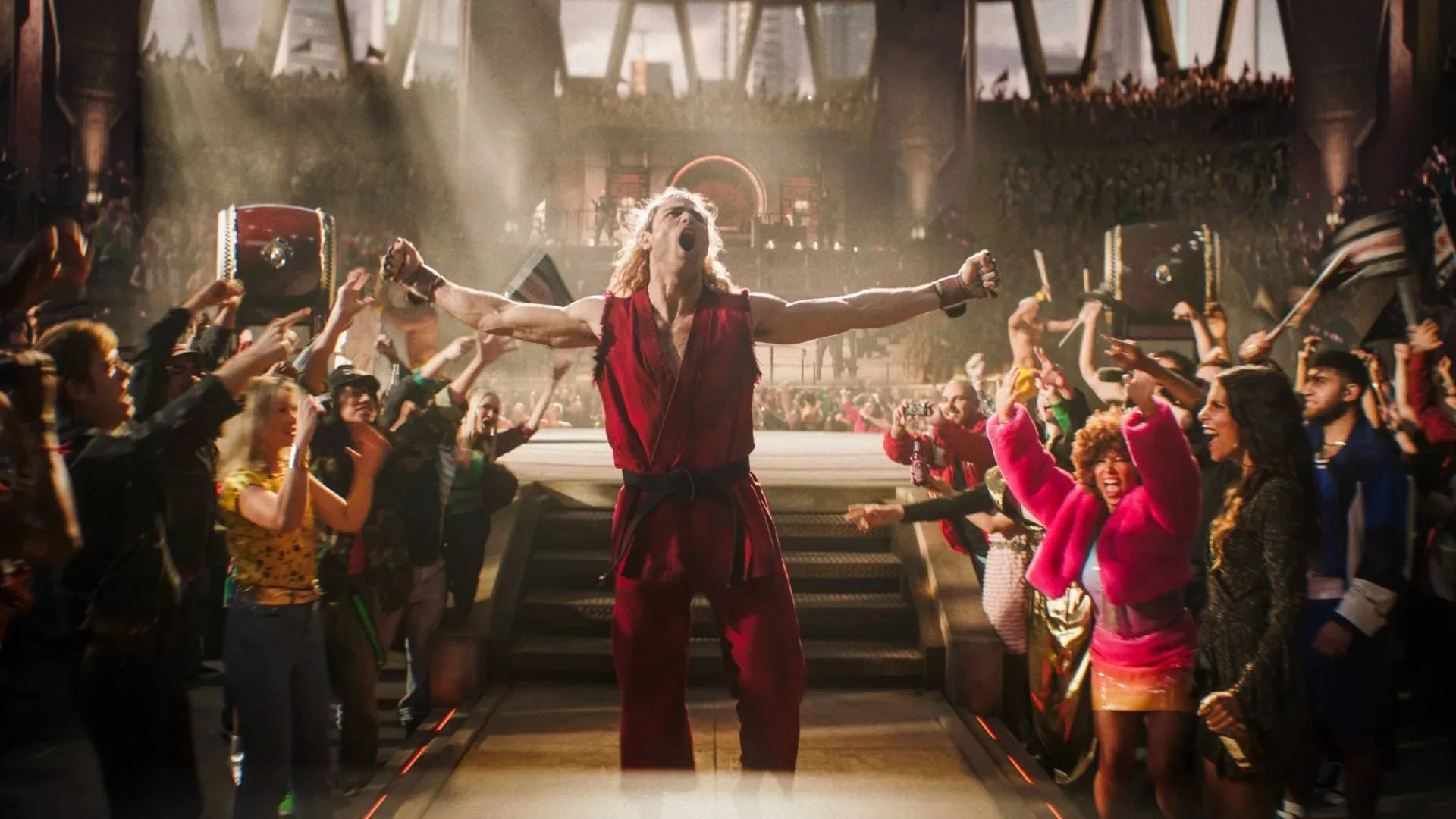
The new live-action Street Fighter is landing exactly where a fighting-game adaptation might expect to land: in the middle of a loud argument. The film is now in theaters, and early fan conversation shows no clear consensus. Some viewers say it gets more right than wrong; others have come away unenthused, especially by the way its story concludes.
That split is also visible in the film’s Rotten Tomatoes figures. Its critics score has risen to 45% after starting lower, while its audience score sits at 82%. Those numbers measure different pools of responses, so they are not competing verdicts so much as a sign that the movie is being received very differently depending on who is watching and what they want from it.
For a property as character-driven and match-up-focused as Street Fighter, that distinction matters. Fans may place particular value on whether familiar fighters, rivalries, powers and tournament stakes feel recognizable on screen. Critics may focus more closely on the film’s pacing, plotting, dialogue and ability to work as a standalone movie. A viewer can enjoy the spectacle and still be frustrated by the script; another can find the adaptation imperfect while appreciating its commitment to its game roots.
Ryu, Ken and Chun-Li lead the tournament story
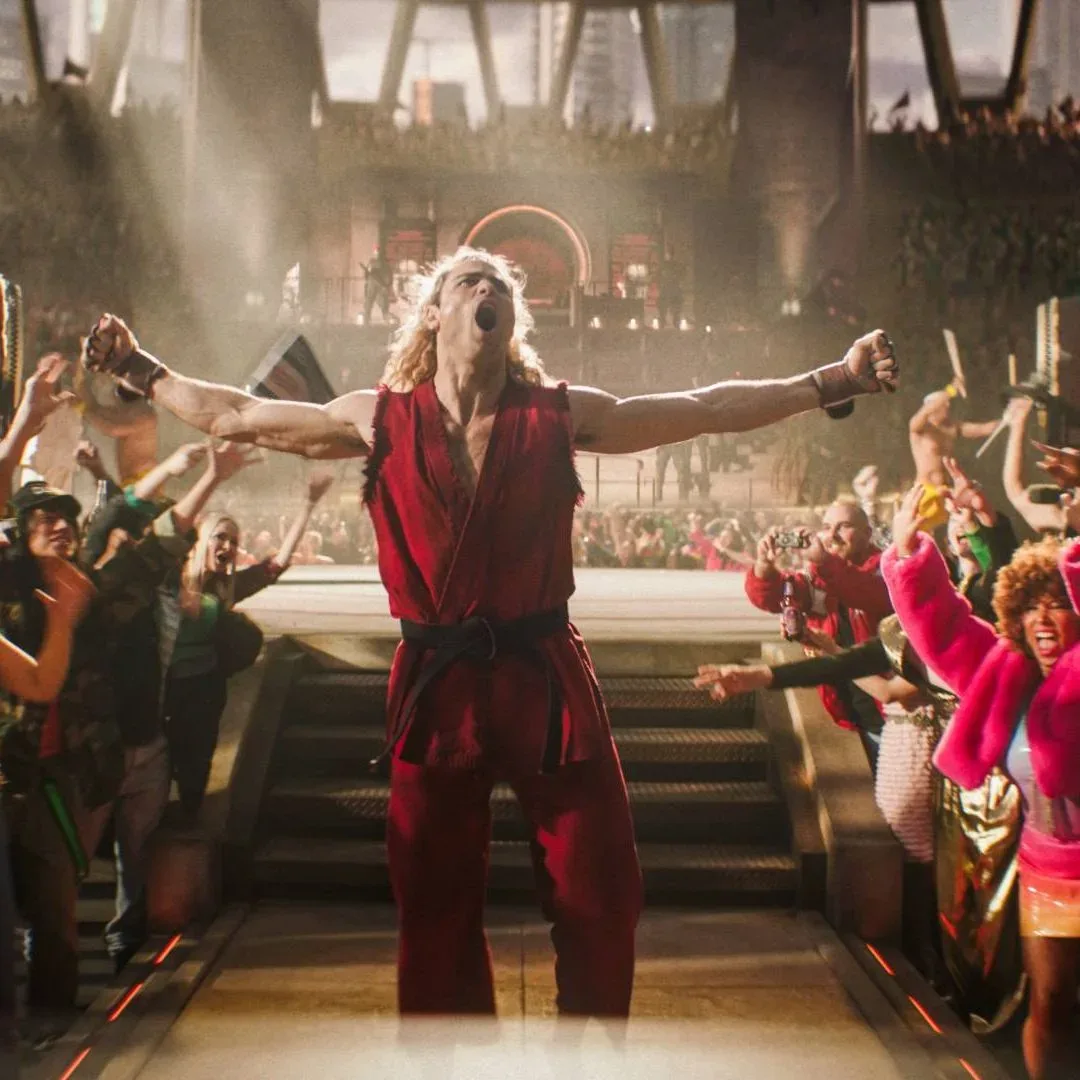
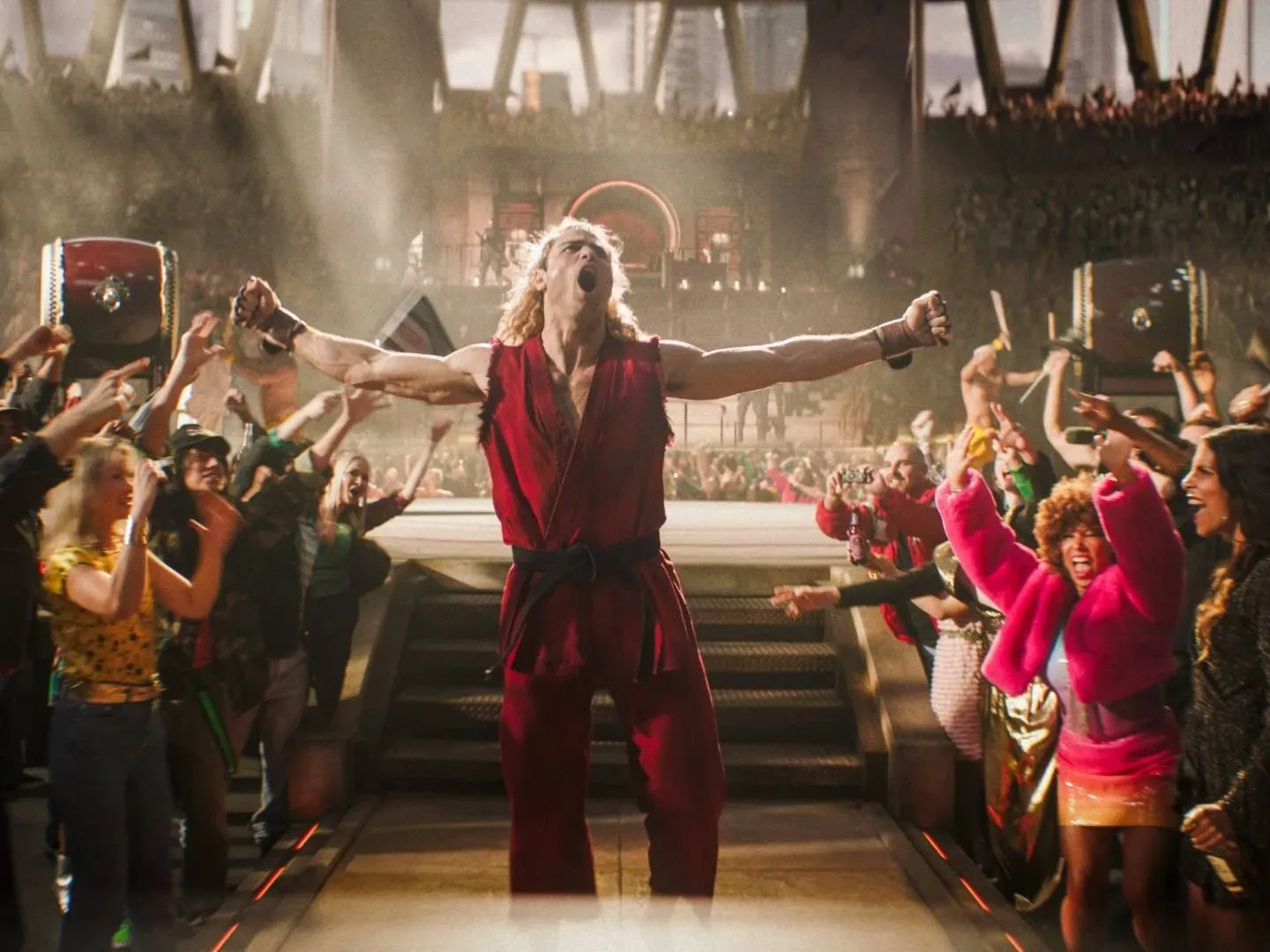
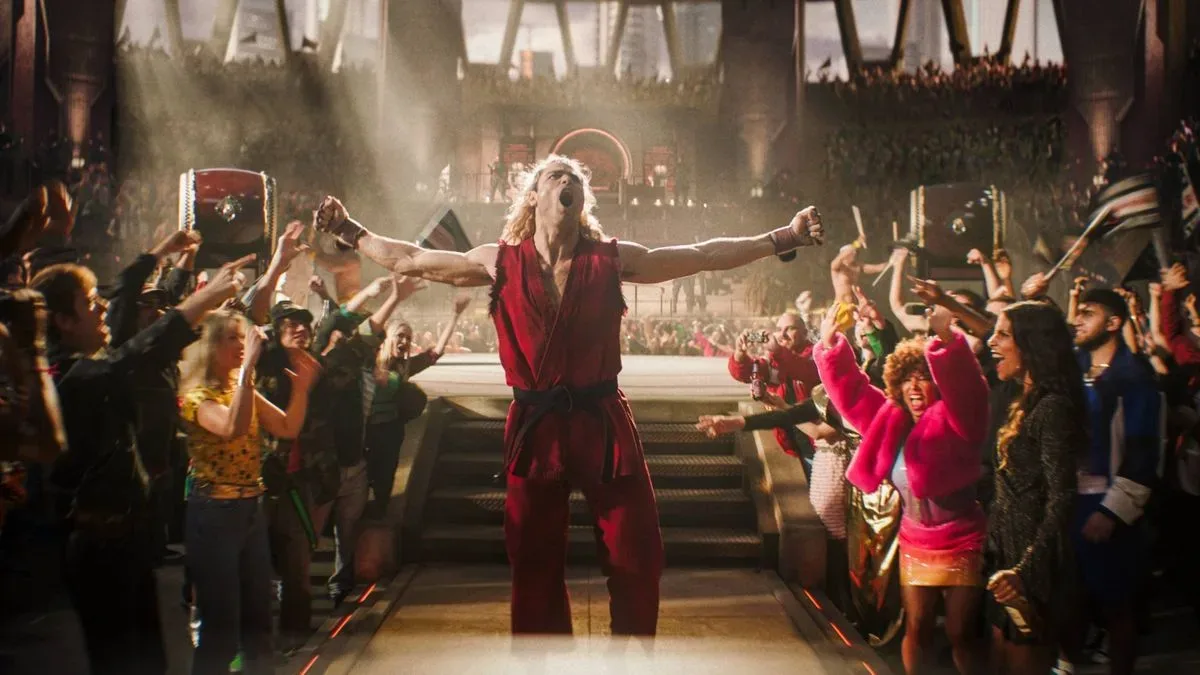
Directed by Kitato Sakurai, Street Fighter centers on Ryu, played by Andrew Koji, and Ken, played by Noah Centineo. The pair enter the World Warrior Tournament at the urging of a vengeful Chun-Li, played by Callina Liang.
The World Warrior Tournament is the story framework at the center of this version of the franchise. In practical terms, a tournament structure gives a fighting-game film a ready-made reason for competitors from different backgrounds to meet, clash and advance the central conflict. It can also provide a familiar rhythm: introductions, confrontations, escalating stakes and a final stage. But it puts extra pressure on the ending. If the tournament and its surrounding conflict are the engine of the movie, audiences will likely expect the film to deliver a satisfying resolution rather than simply position the next chapter.
That is where some of the strongest negative fan reactions have gathered. Several viewers described the ending as abrupt or confusing, and some felt the movie leaned too heavily into setting up a follow-up rather than completing its own story. One reaction characterized the close as sequel bait that undercut the finale.
It is important to separate that criticism from a claim that every viewer disliked the ending or the film as a whole. The available fan discussion is plainly mixed. One viewer said they genuinely enjoyed the movie and believed its positive elements outweighed its problems. Another offered a more qualified assessment: as a video-game movie, it could have turned out much worse.
Why the score gap is worth reading carefully
A Rotten Tomatoes critics score is an aggregate of reviews classified as positive or negative. The audience score, meanwhile, reflects ratings from audience members. Neither number tells a prospective viewer exactly which elements will work for them. The gap does, however, point to an especially useful question for Street Fighter: are you looking for a broadly polished action movie, a faithful-feeling game adaptation, or a mix of both?
Related coverage includes Street Fighter Movie Draws Mixed Fan Reactions as Audience Score Outpaces Critics.
For viewers primarily seeking an action film with a complete and self-contained narrative, the comments about the conclusion are a meaningful caution. For longtime players more interested in seeing the series’ world and major figures brought into live action, the warmer audience response may be more encouraging. Those are not mutually exclusive expectations, but the divide suggests the film does not satisfy them evenly.
The phrase “video-game movie” can also conceal several different standards. It may mean a movie that faithfully uses familiar characters and visual touchstones. It may mean a film that captures the original game’s tone. Or it may simply mean an adaptation that understands why players care about the material, even after changing details to fit a feature-length narrative. A successful adaptation does not necessarily need to reproduce every game element, but it needs to make its changes feel purposeful.
Fan responses indicate that this Street Fighter has connected with at least a significant portion of its audience on that level. At the same time, the criticism aimed at its script and ending suggests that recognition alone is not enough to make the experience land for everyone.
M. Bison is another point of disagreement
David Dastmalchian’s M. Bison has become a notable flashpoint in the conversation. Some fans felt the actor had the ability for the role but that the writing did not give the character the support it needed. That is a particularly pointed criticism because it distinguishes performance from script.
In other words, those viewers are not necessarily saying the casting was wrong. They are saying a performer’s work can be limited by how a movie frames the character, develops their motivations and uses them within the plot. It is a useful distinction in franchise discussion, where reaction often gets flattened into a simple “good casting” or “bad casting” verdict.
M. Bison is described as the film’s supervillain, which naturally makes expectations high. A major antagonist has to carry more than visual recognition: the character must create pressure on the heroes and give the movie’s conflict a sense of direction. If audiences feel the story is shaky, villains can become the clearest place where that strain is felt.
The franchise audience is not one audience
The online reaction also illustrates a broader reality of long-running game franchises: people arrive with different relationships to the same name. One audience member may know Street Fighter chiefly through competitive play, another through a favorite character, another through earlier adaptations, and another through the appeal of a new martial-arts action film. Their thresholds for success will vary accordingly.
That is why an 82% audience score should not be treated as proof that every fan is satisfied, just as a 45% critics score does not establish that the movie lacks an audience. Both can be true at once: the movie can be divisive, and it can still offer enough for many viewers to enjoy.
There is also a practical takeaway for anyone deciding whether to see it. Go in expecting a live-action take on a game universe built around Ryu, Ken, Chun-Li and the World Warrior Tournament—not a guarantee of universal acclaim. If a film’s ending is a major part of what makes or breaks the experience for you, the recurring concerns about the finale are worth keeping in mind. If you are more open to an uneven but recognizable adaptation, the more favorable fan responses suggest there may be plenty to enjoy.
The debate around creative identity is not limited to adaptations, either. Across games, players often care deeply about whether a project preserves the human choices that made a series distinctive; that wider concern also appears in discussion of Konami’s view of AI as a tool rather than a replacement for game creators. For Street Fighter, the current conversation is less about technology than about translation: whether its characters and conflicts retain enough of their identity while functioning in a new medium.
A mixed reception, not a settled verdict
For now, the clearest verdict is that Street Fighter has produced a genuine split. Fans have praised the movie’s strengths and found reasons to defend it, while others have singled out the conclusion, overall script and the handling of M. Bison as weaknesses. Its critics and audience scores reflect that tension rather than resolving it.
That makes the film a conversation-starter as much as a consensus hit. The audience score indicates substantial enthusiasm, but the critical score and vocal fan reservations show that enthusiasm comes with qualifications. Whether those qualifications feel minor or decisive will depend on what each viewer expects from a Street Fighter movie.