Uwe Boll has found an irresistible opening to revisit one of video-game cinema’s oldest arguments: if a major new adaptation struggles with critics, does that make the genre’s longtime punching bags look any better?
The filmmaker, whose name remains closely tied to several widely derided game adaptations, shared a negative reaction to the new Street Fighter movie and added a blunt message: “Don’t ever bash my movies again.” It is a characteristically provocative victory lap, and one that arrives while the latest trip into Capcom’s fighting-game world is receiving a notably chilly critical response.
Street Fighter debuted with a 41% Rotten Tomatoes score and has since moved to 45%. That is not a review of the film by itself; Rotten Tomatoes’ percentage represents the share of collected critics’ reviews judged positive. Still, a result below 50% indicates that unfavorable notices outnumber favorable ones in the aggregation available at the time. The movement from 41% to 45% also matters as a reminder that such scores can change as more reviews are included, rather than functioning as a final immutable grade on opening day.
A sharp jab, not a serious scorecard
Boll’s post is funny precisely because it does not need to survive much scrutiny. One film getting a mixed-to-negative response does not erase the historical response to another. But it does spotlight a useful truth: a recognizable game brand, a large ensemble, and decades of audience familiarity do not automatically solve the difficult task of turning competitive game mechanics into a satisfying feature-film narrative.
That task has always been particularly visible with Street Fighter. Fighting games communicate character through costume silhouettes, special moves, arenas, rivalries and brief pre-fight exchanges. A match can establish stakes in seconds because players already understand the goal: defeat the opponent. A movie has different obligations. It must make room for characters, escalation, pacing, visual geography and an ending that feels complete even to viewers who do not know their Hadoukens from their Spinning Bird Kicks.
The current criticism suggests the new film has not fully solved that translation. One assessment awarded it 2.5 out of 5 and described it as an overstuffed, hyper-edited and tonally uneven movie, with crude jokes and a story that appears to stop midway through its larger arc. That is more specific than a broad “bad adaptation” label. The complaint is fundamentally about construction: too many ingredients competing for attention, editing that may be exhausting rather than clarifying, and an endpoint that does not deliver enough dramatic payoff.
For an ensemble built from a fighting-game roster, those concerns are understandable in principle. A large cast creates immediate fan appeal, but it can also produce a structural problem. Every character needs some combination of introduction, motivation, action beat and resolution. If the movie tries to service too many fan-favorite names at once, the result can feel like a sequence of entrances rather than one steadily developing story. That is analysis based on the criticisms, not a claim about scenes beyond what has been reported.
What the new Street Fighter is trying to do
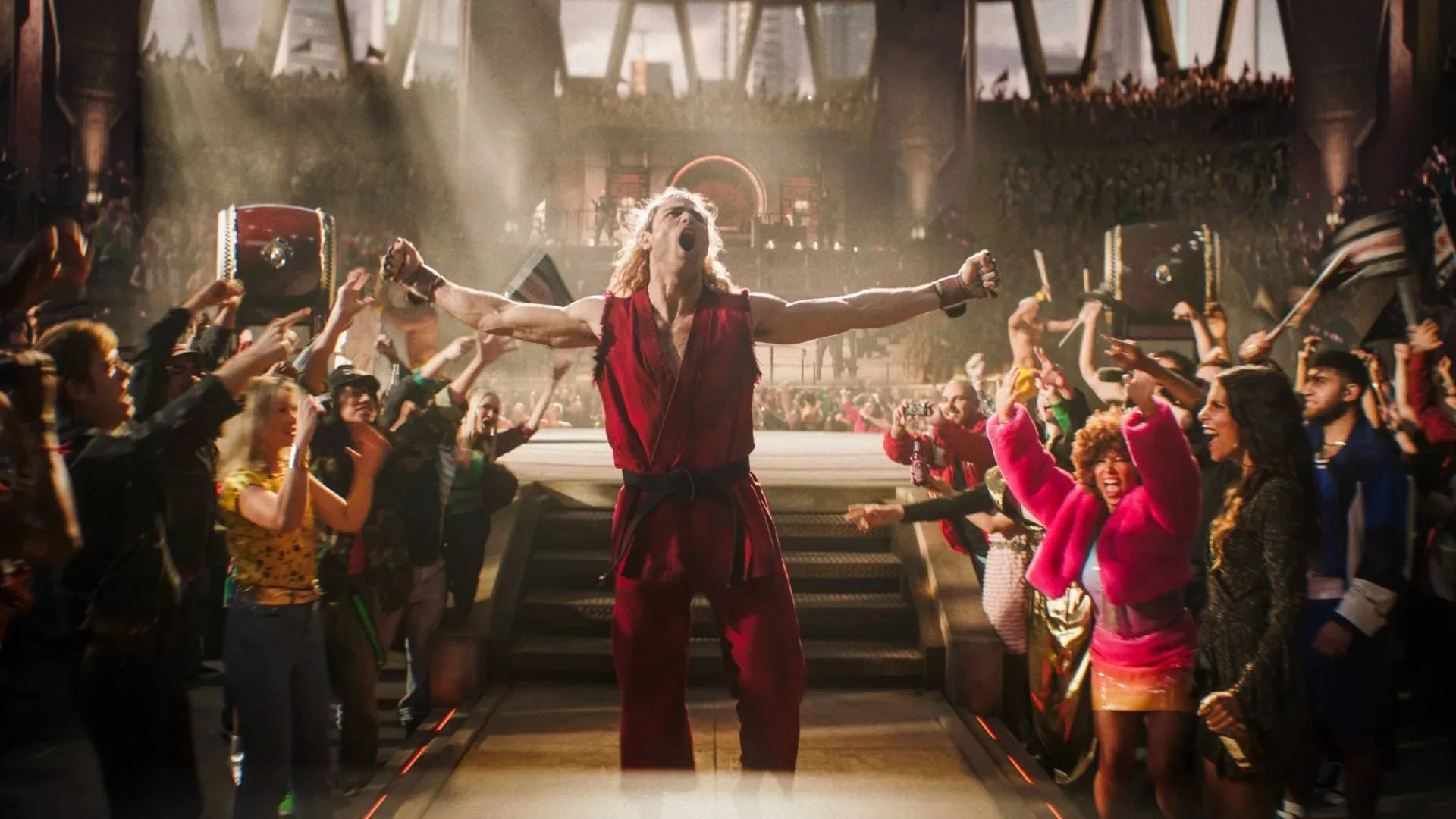
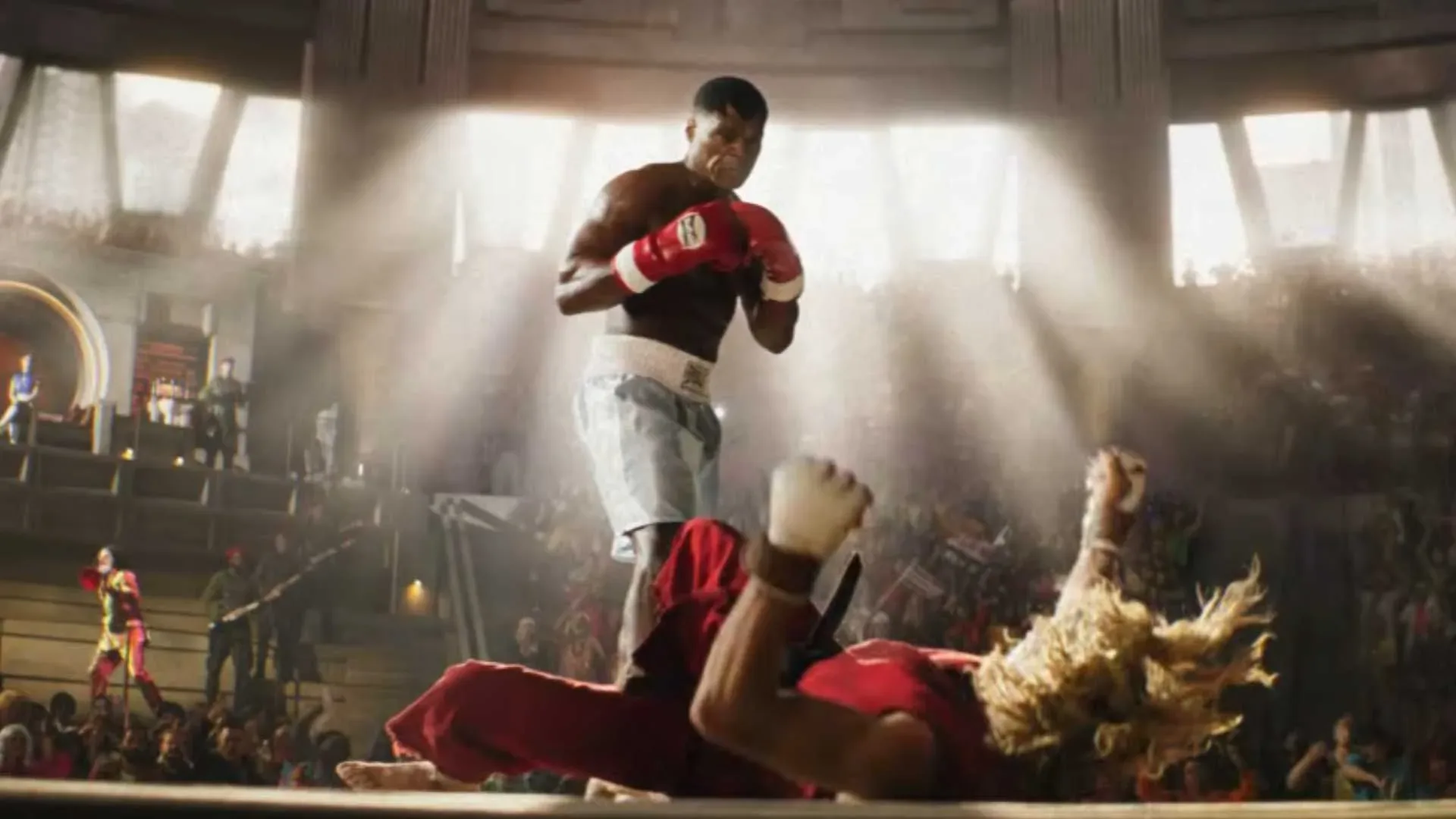
Directed by Kitao Sakurai, the film brings Ryu, played by Andrew Koji, and Ken Masters, played by Noah Centineo, back together. Chun-Li, played by Callina Liang, recruits them for the next World Warrior Tournament. The World Warrior name is central to the franchise’s fighting-game identity, so its use gives the movie an obvious framework for gathering combatants and staging clashes.
Related coverage includes Uwe Boll Jabs at Street Fighter as New Movie Struggles With Critics.
The supporting cast includes Jason Momoa, 50 Cent, and WWE performers Cody Rhodes and Roman Reigns. It is an attention-grabbing lineup that blends film, music and professional-wrestling visibility around a property famous for a broad, international fighter roster. Yet a star-heavy cast can only be the beginning of an adaptation’s work. The tournament premise tells viewers why people fight; it does not by itself establish why those fights should matter emotionally, or how each character’s goals fit within a single plot.
That distinction is important for audiences deciding what the reviews mean. A negative aggregate does not establish that every part of the movie fails, nor does it mean that existing fans cannot enjoy seeing these figures brought together. It does mean that viewers looking for a tightly shaped narrative may want to calibrate expectations around the complaints being raised: density, tonal inconsistency and incomplete-feeling storytelling.
Boll’s unusually low comparison point
Boll’s filmography makes him an especially conspicuous commentator. His game-related films include 2003’s House of the Dead, adapted from the light-gun shooter; 2005’s Alone in the Dark; the 2008 direct-to-video Alone in the Dark sequel; 2007’s Postal, based on the cult PC game; and 2008’s Far Cry, adapted from the first game in that series.
The available Rotten Tomatoes numbers illustrate why his response lands as a joke with a long memory. House of the Dead stands at 3%, Alone in the Dark at 1%, and Postal at 9%. Far Cry has no Rotten Tomatoes rating listed. Against those figures, a 45% score for Street Fighter is not actually a numerical case for Boll’s movies being better received. His post instead turns the new movie’s disappointment into an opportunity for self-aware—or at least strategically self-serving—gloating.
There is also an important difference between a critic score and a cultural reputation. Scores describe the collected review pool on a particular site at a particular point. Reputation takes shape over years through audience discussion, repeat viewing, memes, genre history and the changing standards people bring to older work. Boll’s movies have endured as shorthand for an era when game adaptations were routinely treated with suspicion, while newer productions are often judged against a higher modern expectation for faithfulness, production value and storytelling ambition.
One underperformer does not end the adaptation boom
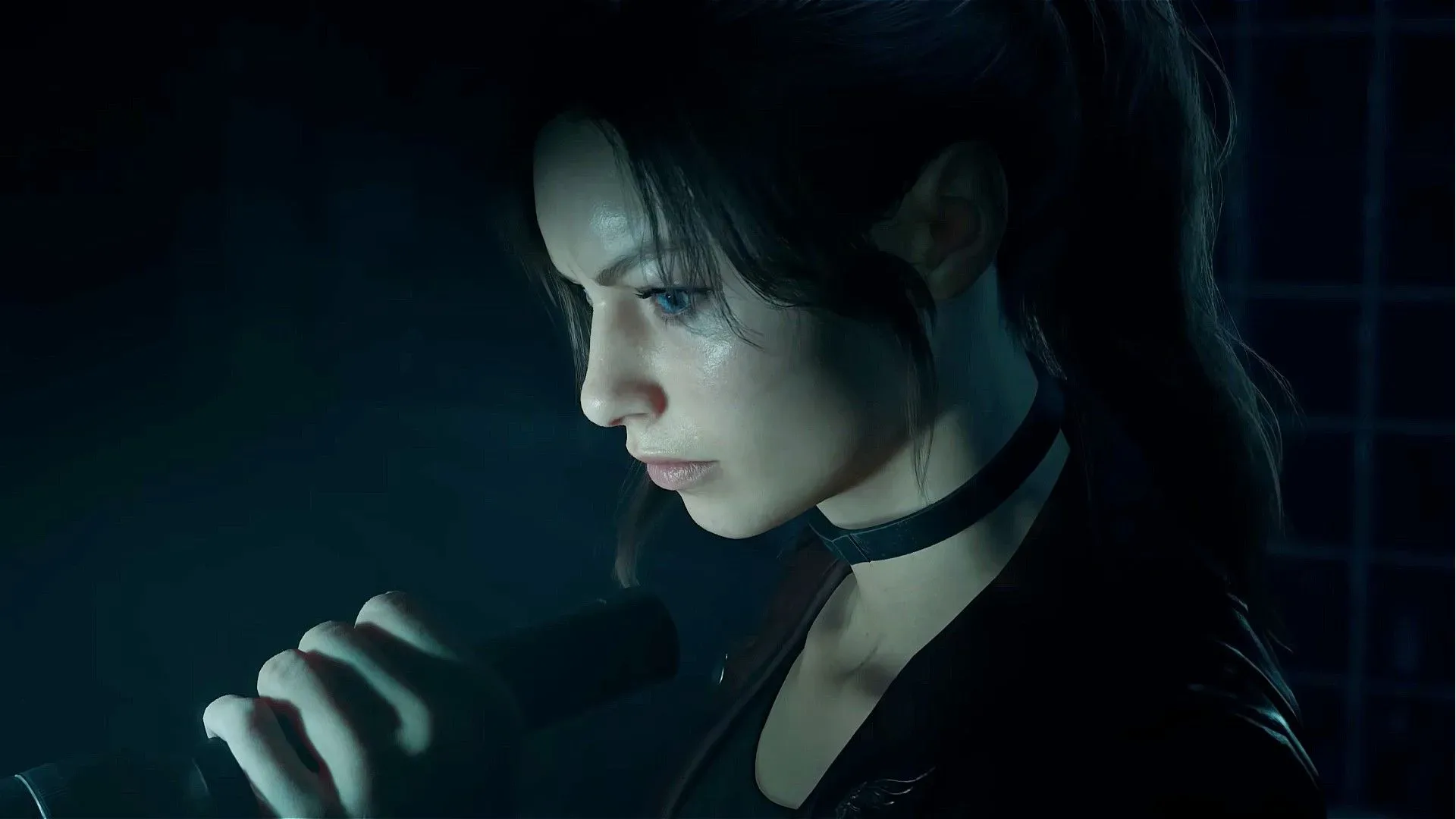
It would be easy to frame Street Fighter as proof that video-game movies have reverted to their old reputation. The evidence does not support that sweeping conclusion. The broader screen-adaptation pipeline is still active, and a recent counterexample is Zach Cregger’s Resident Evil, which exceeded box-office expectations and was described as one of the strongest video-game movies to date. That makes the contrast more useful than the caricature: this is a category with uneven results, not one locked into either failure or success.
Game adaptations are not a single genre. A survival-horror property, a light-gun shooter, a cult PC satire and a one-on-one fighting series ask for radically different things in film form. The central challenge changes with the source material. Horror can lean into atmosphere and survival pressure. A fighter must find a narrative spine capable of carrying a parade of distinctive combatants. Neither approach comes with a guaranteed audience response.
For more on another major game series moving between mediums and formats, see the reported 2027 return of Resident Evil: Veronica.
The practical takeaway for studios is not that tournament stories or enormous casts are doomed. It is that recognizability must be organized. Fans may arrive for Ryu, Ken and Chun-Li, but a movie still needs to decide whose story it is, what changes for them, and where the film’s own beginning, middle and end reside. If the criticism that Street Fighter ends halfway through its own narrative resonates with viewers, that will be a particularly instructive warning: setting up more franchise material is not a substitute for finishing the installment people paid to see.
Why the Boll moment is sticking
Boll’s remark works because it compresses years of game-movie baggage into one antagonistic sentence. It is less a measured defense of his past work than a reminder that every new adaptation enters an argument already in progress. Fans want the style and characters that made the games memorable. Critics tend to demand that those elements cohere as cinema rather than mere reference material. Studios want a recognizable property that can sustain future installments. Those goals can overlap, but they do not automatically do so.
The new Street Fighter is now in theaters, and its 45% Rotten Tomatoes figure may continue to shift as reviews accumulate. For the moment, though, Boll has a fresh occasion to needle a genre that once made him its enduring villain. The joke only goes so far: his cited films remain far lower on the same score scale. But the episode is a pointed reminder that even a beloved, globally recognizable fighting-game series can stumble when the round moves from the arcade cabinet to the cinema screen.