Warning: This article discusses character appearances, fights and the final line of the Street Fighter movie.
The Street Fighter movie approaches its World Warrior tournament as more than a setting for a collection of bouts. It is also the framework for a dense run of visual and audio callbacks: recognizable costumes, named fighters, moves translated from game inputs into choreography, brief stage recreations, and references reaching from the original 1987 game and Street Fighter II to animation and the 1994 live-action movie.
That breadth matters because Street Fighter has accumulated a huge shared language over its long lifespan. A fireball is not merely a fireball to players; a particular pose, sound or name can identify it as a Hadouken. A sauna can be more than a sauna when E. Honda is involved. Even a short bit of announcer dialogue can turn into a signal that the movie understands the series’ theatrical fighting-game roots.
Here is a detailed guide to the game material incorporated into the film, separating clearly established references from the one notable poster detail that remains an interpretation rather than a confirmed connection.
A large World Warrior roster, not just the headliners
The film includes the following characters associated with the games:
- Akuma
- Balrog
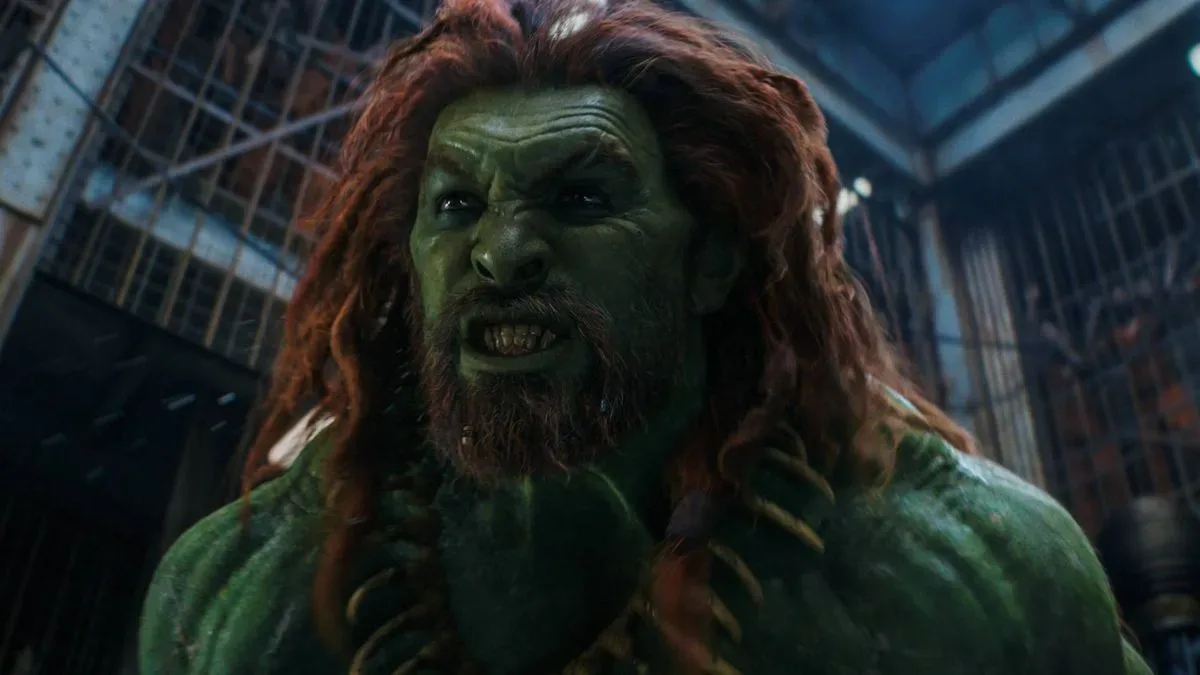
- Blanka
- Cammy
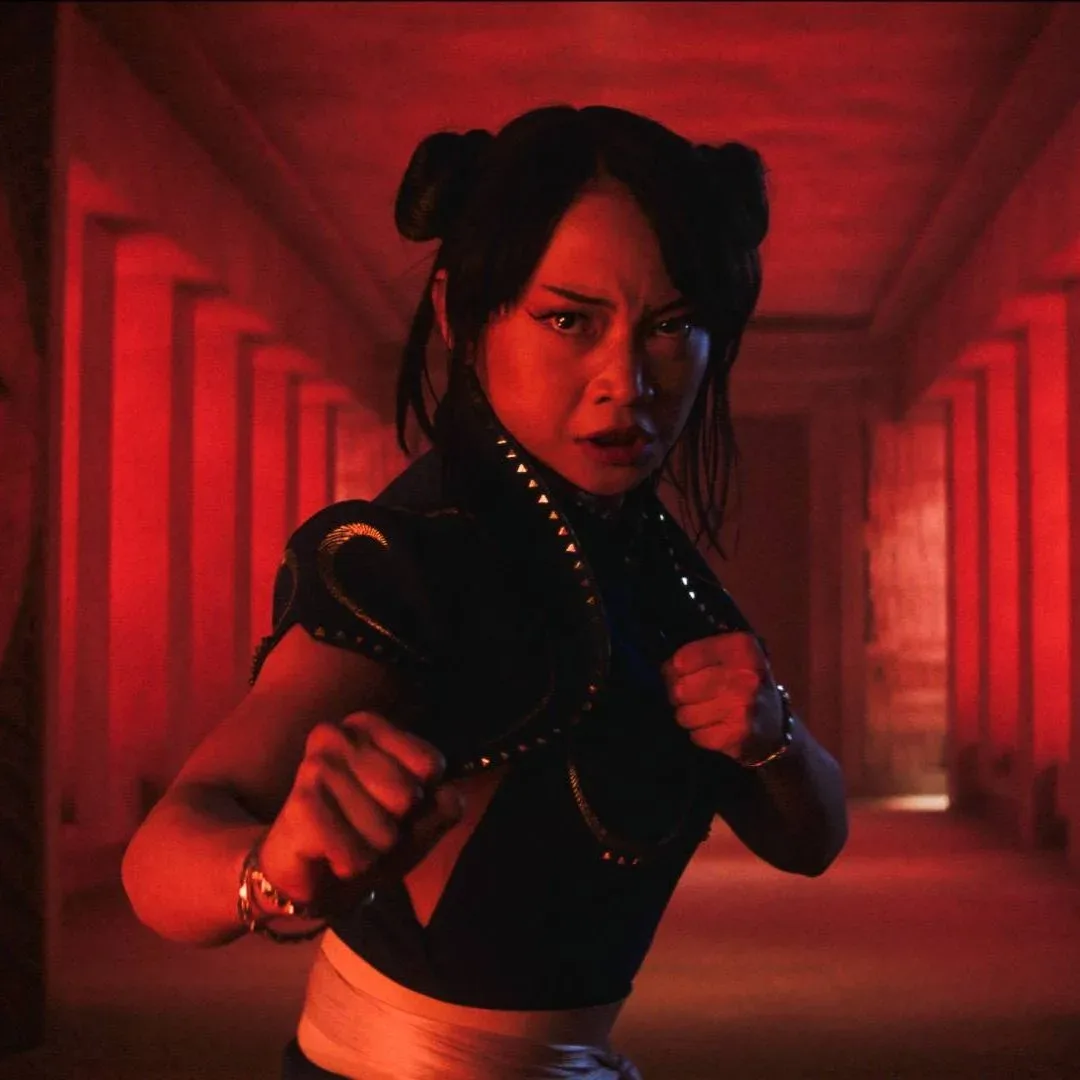
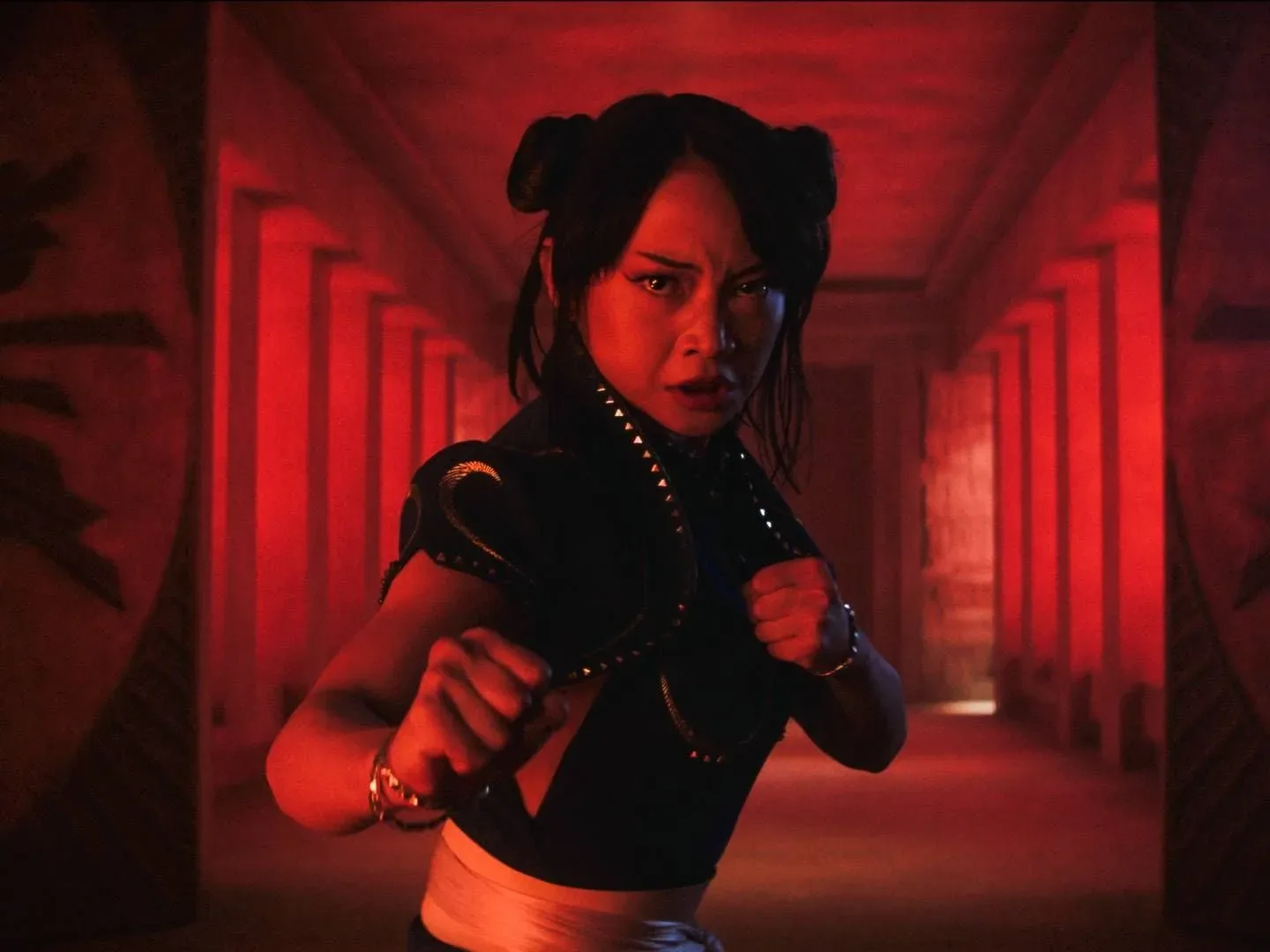
- Chun-Li
- Dan Hibiki
- Dhalsim
- Don Sauvage
- E. Honda
- Gouken
- Guile
- Joe
- Juli
- Ken
- M. Bison
- Ryu
- Sagat
- Vega
- Zangief
The list does not imply every character receives equal narrative attention or is treated as a selectable-style combatant. The point is the movie’s willingness to populate its world with faces beyond the most inevitable Ryu, Ken, Chun-Li and Bison choices. Most of these figures have appeared across multiple Street Fighter games, while the wider franchise itself began in 1987.
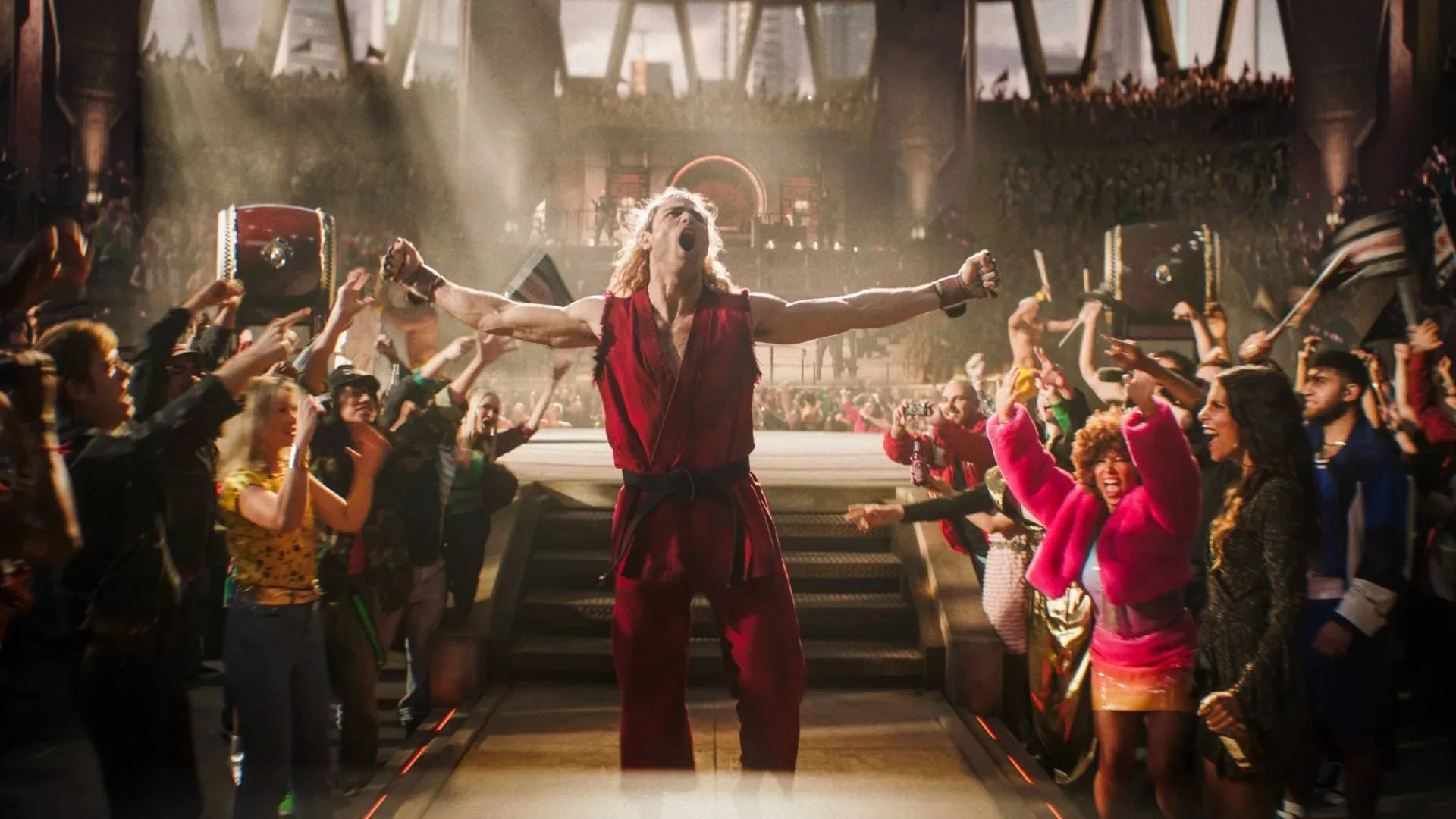
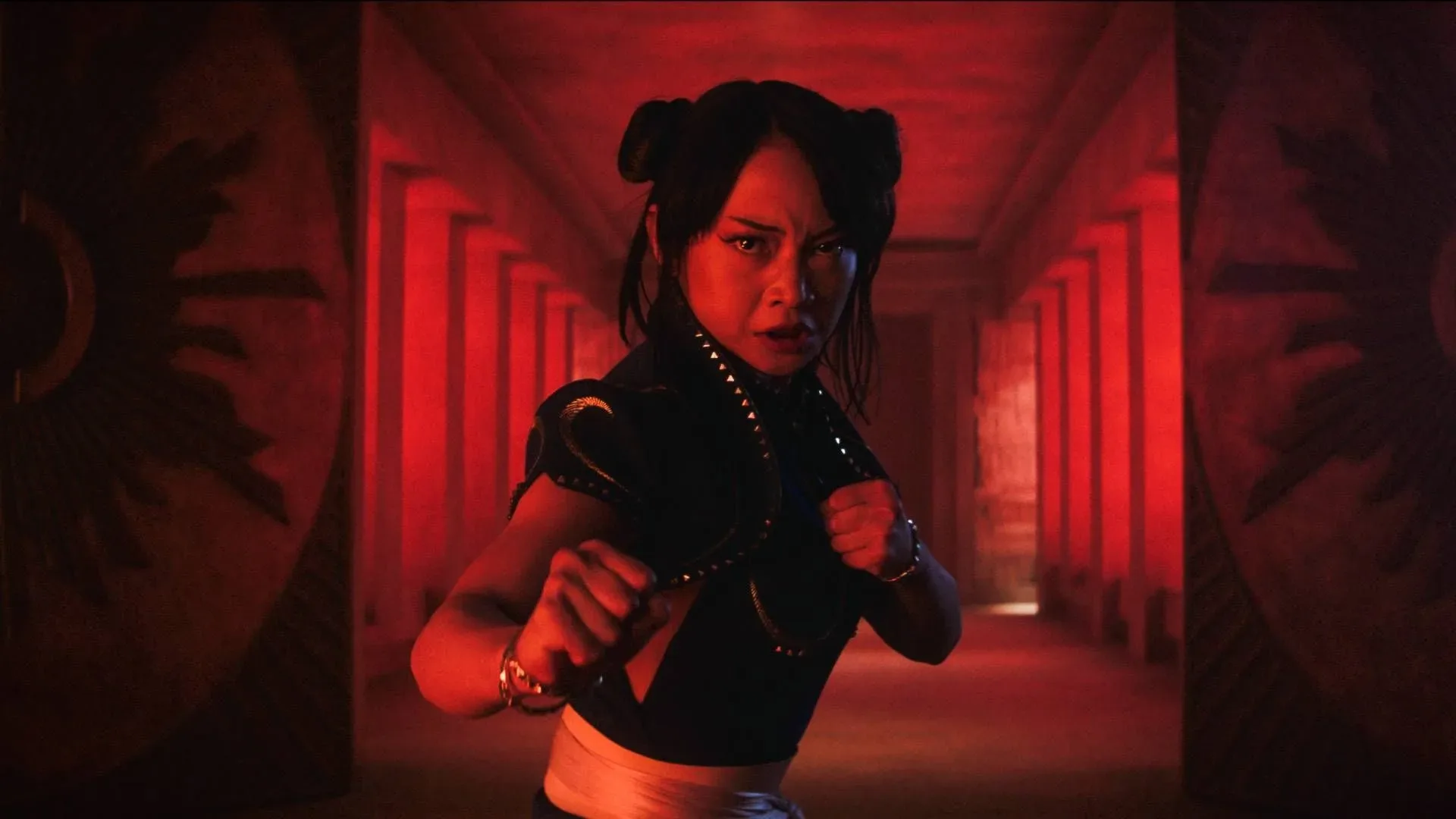
Costuming does a great deal of the work. The film keeps most, if not all, of these fighters in looks strongly associated with their game identities. That is a practical adaptation choice: it gives even a fast appearance immediate readability. In a tournament film with a large cast, silhouette and color coding can communicate a character’s lineage before dialogue needs to do the job.
It also establishes a useful rule for watching the movie. Not every reference is hidden in a prop or a spoken line. Some are in the very direct decision to let a fighter look like the character audiences recognize rather than redesigning them beyond recognition.
Related coverage includes Street Fighter Movie Easter Eggs: Every Fighter, Move, Stage and Game Reference Spotted.
The special moves translated into live-action fights
The most overt game-to-screen connection is the use of signature attacks. The movie incorporates numerous moves associated with Street Fighter II and later entries, with several described as being recreated frame for frame. In fighting games, a special move is a distinctive attack tied to a character, often performed with a specific directional input and button command. The movie cannot reproduce controller inputs, but it can preserve the attack’s posture, motion and payoff.
Ryu and Ken retain their defining combat vocabulary
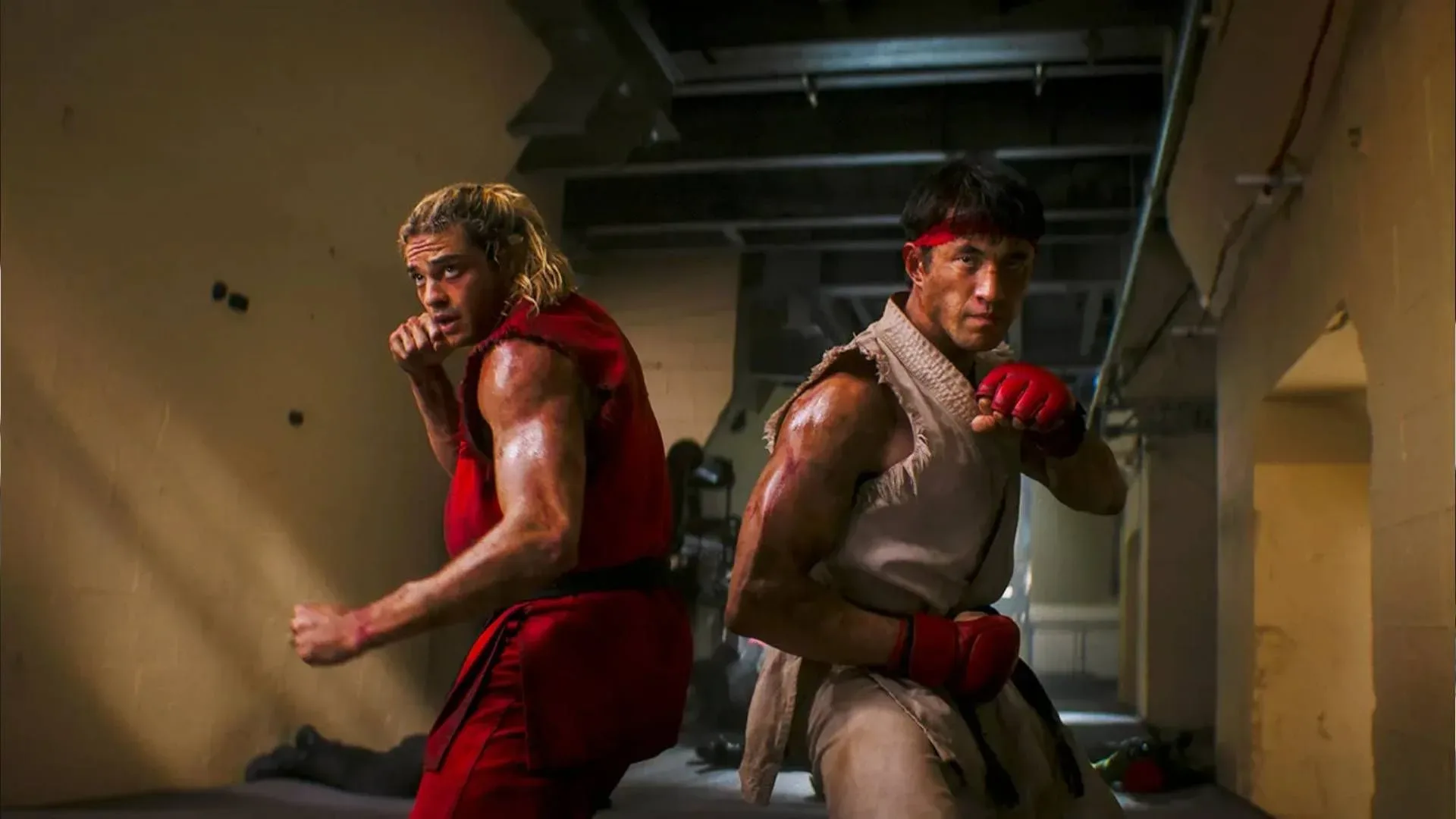
Ryu uses the Hadouken, Hurricane Kick and Dragon Punch. Those three moves are a compact reminder of why Ryu is such a central Street Fighter figure: projectile, spinning kick and rising punch are each instantly legible parts of his fighting identity.
Ken’s move set in the film includes the Axe Kick, Hell Wheel, Dragonlash Kick and Chinbuster. Giving Ken this set distinguishes him from Ryu rather than treating the pair as interchangeable variations. The list draws attention to the franchise’s later move evolution as well as its classic foundations.
Chun-Li, Honda and the tournament’s recognizable techniques
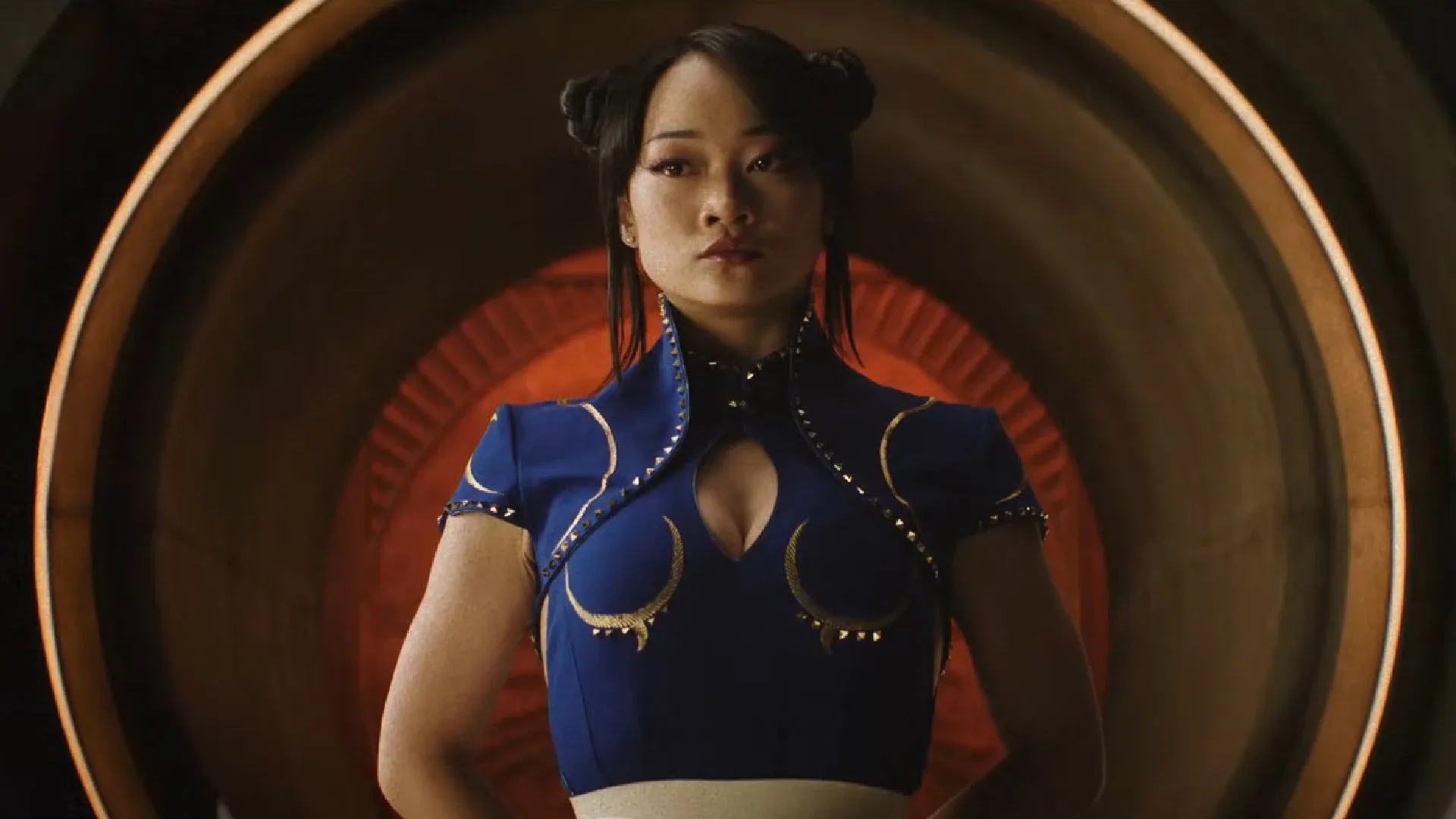
Chun-Li receives the Lightning Kick, Spinning Bird Kick, Falling Crane and Hazanshu. The Spinning Bird Kick in particular is one of the series’ clearest visual signatures, making it an especially natural translation to screen movement.
E. Honda’s set comprises the Hundred Hand Slap, Sumo Headbutt, Oicho Throw and Power Stomp. These techniques preserve the sumo-derived identity central to the character, moving between rapid hand strikes, a charging headbutt, a grab and a forceful ground attack.
Zangief brings the Russian Suplex and Cyclone Lariat. Dhalsim uses Yoga Mummy, Karma Kick and Yoga Mountain. In each case, the selections show the movie favoring named attacks with clear visual personalities instead of reducing the fights to generic punches and throws.
Other special-move appearances
- Balrog: Crazy Rush and Buffalo Headbutt
- Guile: Flash Kick
- Blanka: Electric Thunder
- M. Bison: Psycho Crusher
- Akuma: Empyrean’s End
For longtime players, this is the film’s most useful kind of fan service because the references belong to the action rather than interrupting it. A named move carries both plot-level utility and a recognition reward. For viewers unfamiliar with command lists, it can simply read as an expressive piece of combat choreography. For fans, the attack’s identity adds a second layer.
Stages are less common, but the callbacks are deliberate
The movie does not turn every fight into a globe-hopping recreation of a classic game stage. Much of the action occurs in the World Warrior tournament arena in Metrolao City. Still, three references use locations and activity to evoke familiar Street Fighter spaces.
First is Ayutthaya Ruins, Thailand, the site of Ryu and Sagat’s 1987 clash for the inaugural World Warrior tournament championship. The film presents the pairing and its outcome in animated flashback form: Ryu defeats Sagat, matching the game history described in the movie’s source material.
Second is the car bonus stage reference. Ken appears in an early montage destroying a car with fists and feet. Bonus stages are a specific kind of fighting-game detour: rather than another opponent, the player is asked to demolish an object against a time limit. Moving that idea into a montage is a concise way to acknowledge it without pretending a realistic tournament needs to pause for an actual score challenge.
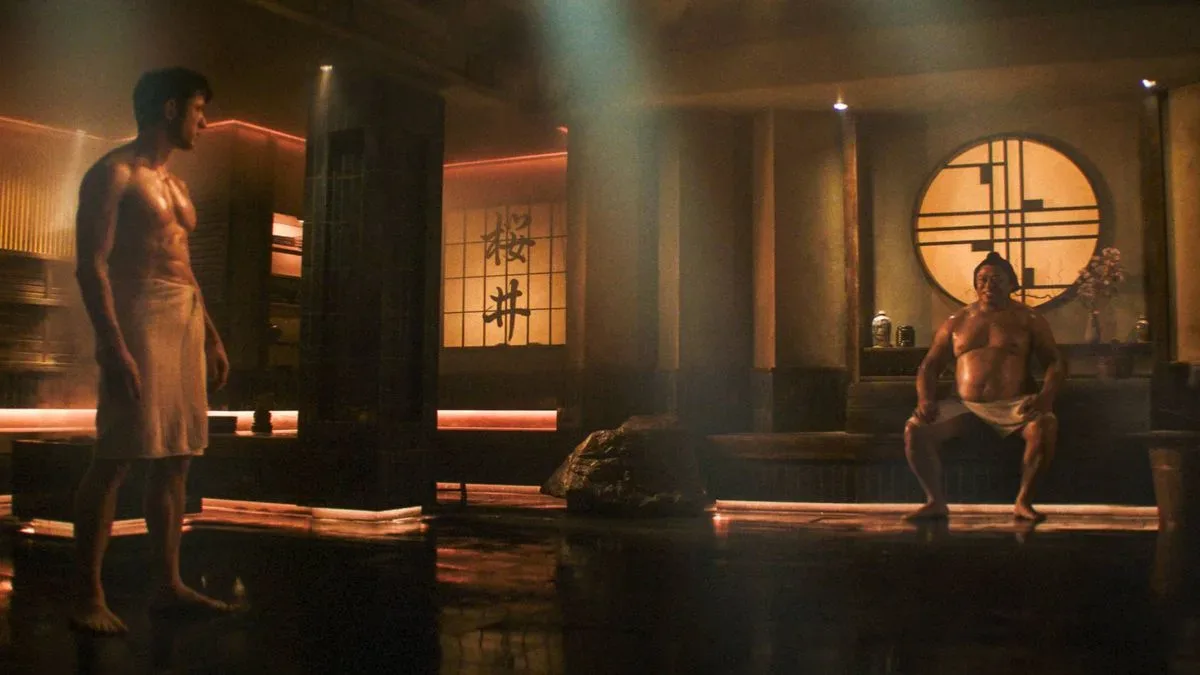
Third is the bathhouse or Kapukon Yu callback. Ryu and E. Honda fight in a sauna room for a place in the second World Warrior tournament. The setting points back to Honda’s iconic bathhouse stage, letting the film reference a familiar locale while giving the fight a narrative reason to happen.
Audio cues and specific lines bring Street Fighter II into the movie
The title-card audio includes the unmistakable “Round 1: fight!” announcement. It is one of the most direct ways to tell an audience it has entered Street Fighter territory: no explanation is necessary for anyone who has heard a match begin in Street Fighter II.
The score also incorporates themes from both Street Fighter and Street Fighter II, alongside numerous needle drops. That creates a musical link to the games without making every callback visual.
M. Bison’s final line is “You lose.” Its deliberately abrupt quality references the Street Fighter II announcer’s famously curt loss declaration. This is a small joke with a serious bit of franchise grammar behind it: in a fighting game, defeat is an immediate state, announced without consolation.
David Dastmalchian’s Bison also recreates the familiar “M. Bison says yes” online reaction image. The gag recognizes that Street Fighter’s cultural footprint now includes not only arcade and console memories, but also the afterlife of its images in online conversation.
References beyond the games: anime, the 1994 movie and cameos
The film’s reach is not limited to the games. It includes multiple callbacks to 1994’s Street Fighter II: The Animated Movie. Chun-Li stepping into a shower echoes a scene from that animated film. Later, her disfiguring of the masked Vega parallels the result of their confrontation there. These references are more specific than simply putting Chun-Li and Vega in the same movie; they recreate narrative and visual associations from a separate adaptation.
Another line connects the new movie to the 1994 live-action Street Fighter. Bison’s use of “For me, it’s Tuesday” recalls Raul Julia’s character’s famous speech, in which Bison contrasts a victim’s defining day with his own casual indifference. The film does not need to repeat the full speech for the callback to land. The compressed phrase has become the essential shorthand.
During the Blanka-versus-Ryu fight in Bison’s prison, several creators, influencers and esports players appear, including Justin Wong and Maximilian Dood. Their presence extends the movie’s acknowledgement of Street Fighter’s modern community. Competitive play and creator culture are part of how many people now encounter, study and celebrate fighting games, so these cameos connect the fictional tournament to that real-world audience.
The Street Fighter II opening image and the Chaos Games question
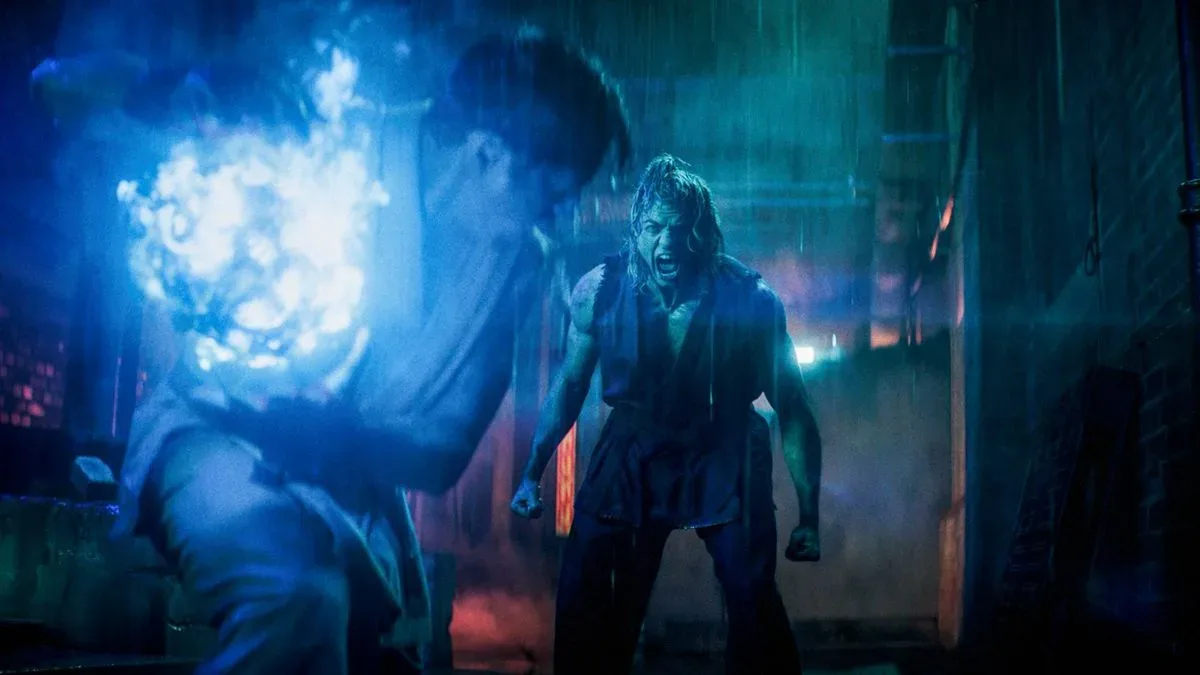
One of the most explicit visual recreations is the Street Fighter II title-screen image of two men fighting in the shadow of a skyscraper. The movie restages it, with directors Danny and Michael Philippou appearing as the two fighters. It is a precise homage to an image that functions as an opening statement for one of the series’ most consequential games.
Outside Ryu’s warehouse apartment, posters advertise the Chaos Games. This may be a deep-cut nod to SVC Chaos: SNK vs. Capcom, a crossover fighting game, but it should be treated as a possibility rather than a confirmed reference. The wording is close enough to invite the reading, especially in a movie packed with deliberate callbacks, yet the poster detail alone does not establish intent.
That distinction is worth retaining in any Easter-egg guide. A good reference hunt can make room for plausible interpretation without turning every similar name or background texture into fact.
Why the movie’s reference strategy works
The clearest pattern is that the film uses different kinds of references for different jobs. Costumes identify fighters. Special moves shape the action. stage-like environments ground individual scenes. Music and announcer phrases summon the game’s soundscape. The animated-film and 1994-movie allusions acknowledge that Street Fighter has already lived through multiple screen versions.
Rather than relying on only a parade of recognisable faces, the movie builds references into its structure: the Ryu-Sagat tournament history, the second World Warrior tournament qualification bout, the Blanka-Ryu prison scene and Bison’s ending. That integration gives the callbacks a purpose beyond decoration.
For more discussion of where the story leaves key characters and what its future-facing material suggests, see our Street Fighter ending breakdown.