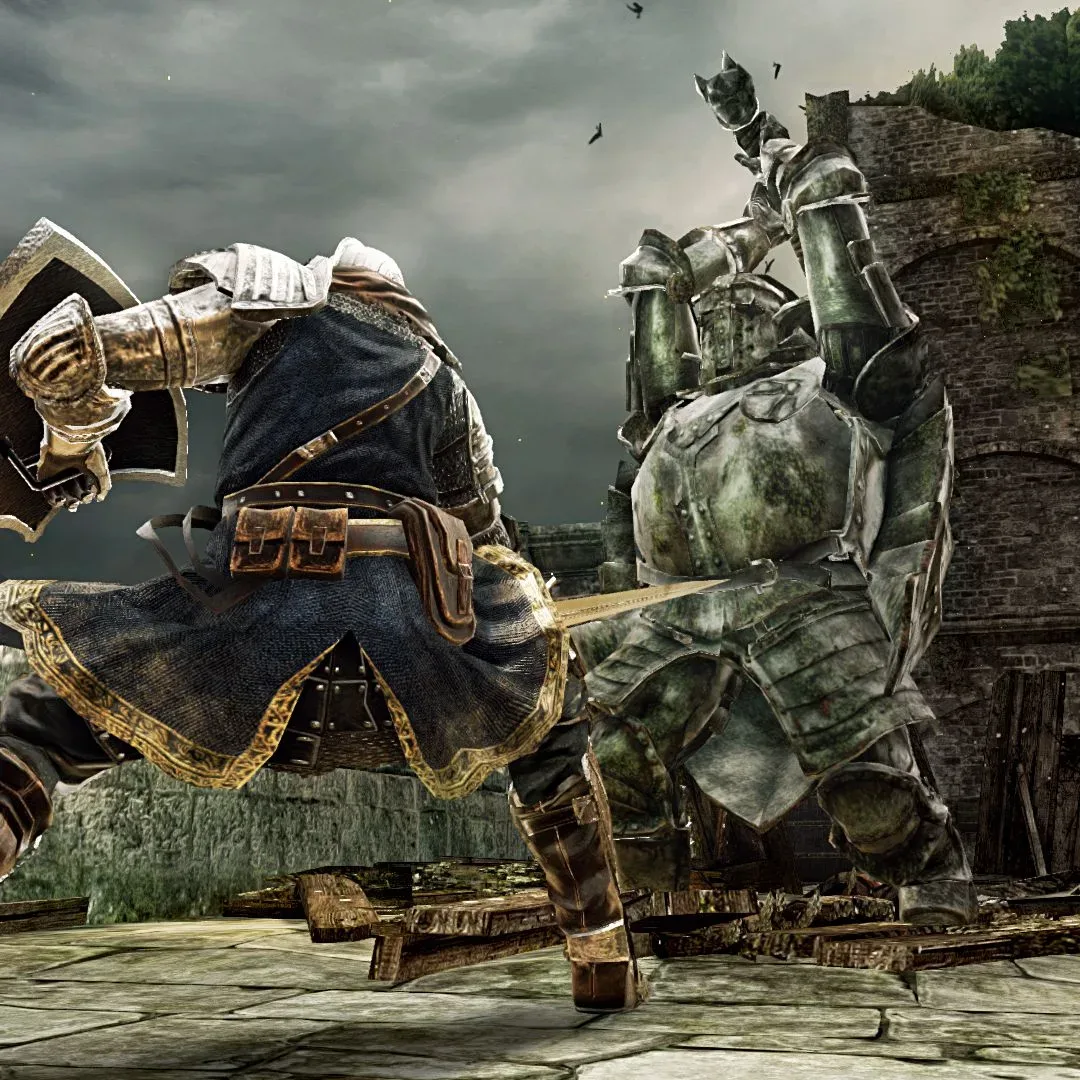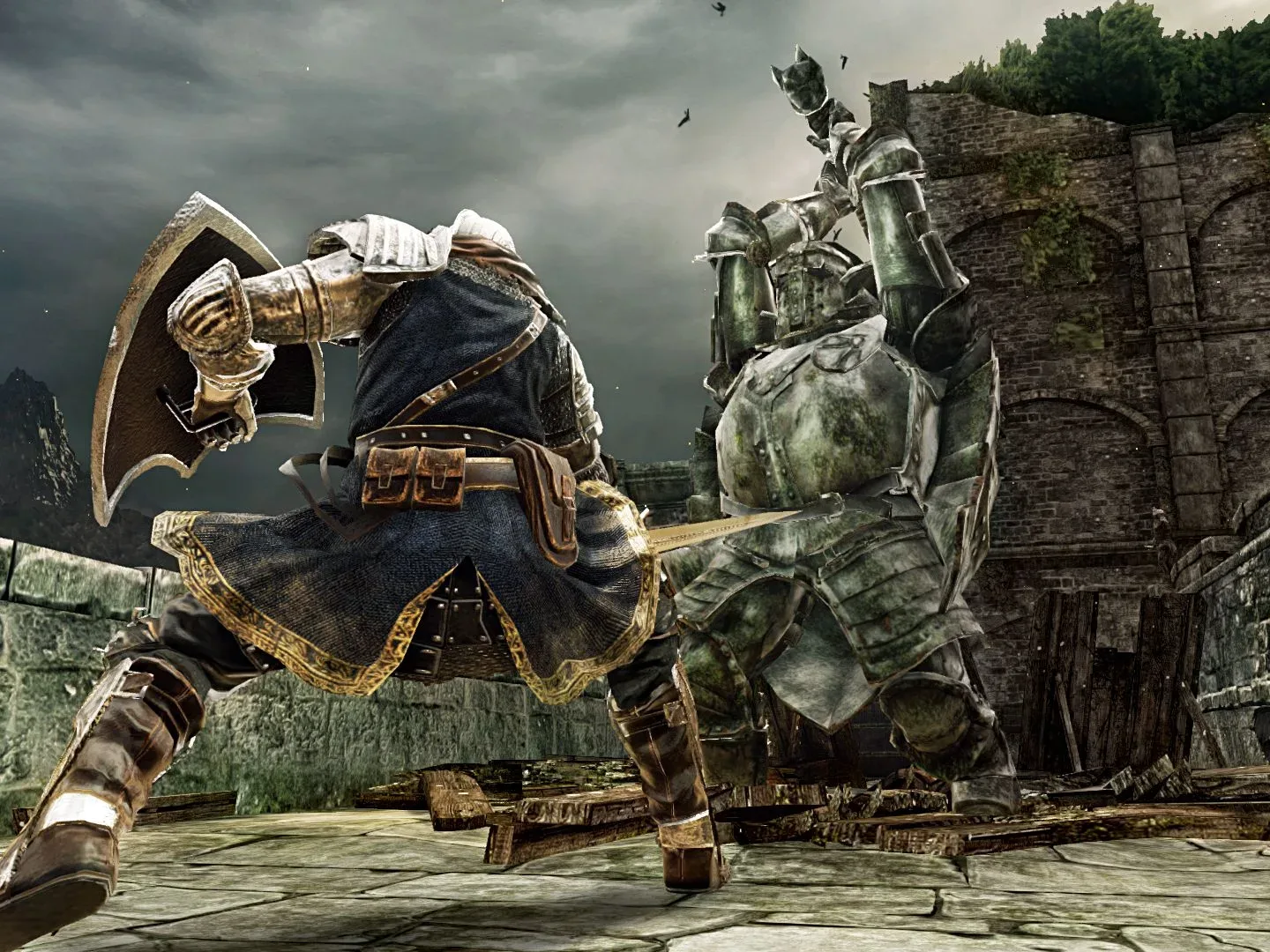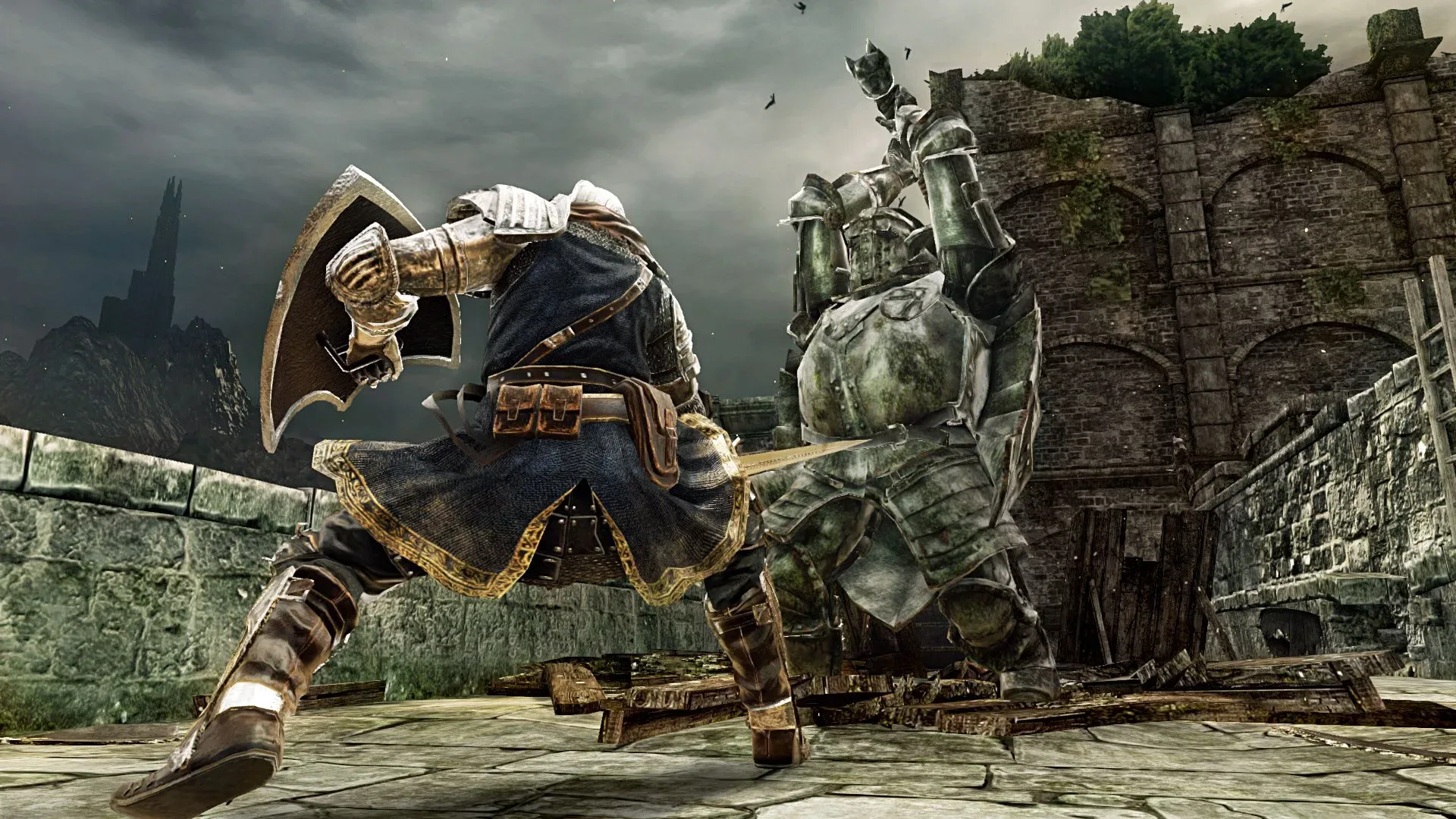
Dark Souls 2 is set for a major community-made multiplayer overhaul on Tuesday, September 22. Modder Yui’s forthcoming seamless co-op project is intended to make the game playable from beginning to end with friends in a continuing session, rather than treating each successful summons as a short-lived visit. The mod is also planned to include optional proximity voice chat, synchronized progress, a new death-related difficulty mechanic and several quality-of-life adjustments for PC players.
The project will be made available through Nexus Mods and GitHub as well as Yui’s Patreon. That means the Patreon post describing the release is not, by itself, an indication that the mod will be locked behind a paywall.
For a game whose multiplayer is built around temporary connections and restrictions, the central promise is simple but substantial: a group should be able to keep moving through Dark Souls 2 together. In practical terms, a player death, a boss defeat or a loading screen is not meant to eject summoned companions from the session. Progress is also designed to transfer back to the worlds of players who joined someone else’s game.
What “seamless co-op” changes in Dark Souls 2
Dark Souls 2 already supports online co-op, but its normal summoning structure places limits on how a party forms and how long it stays together. A summoned ally is not necessarily a permanent member of the host’s adventure. The session can be interrupted by major milestones and transitions, making a full playthrough with a fixed group more administrative than seamless.
Yui’s mod is designed around removing those interruptions. The intended result is a multiplayer campaign where friends remain in the same shared session across deaths, completed boss encounters and loading screens. That does not merely save time on repeated summoning. It changes the rhythm of a Souls game: instead of repeatedly stopping to rebuild a group, players can focus on exploration, fights and the inevitable disagreement over who walked into the suspiciously empty room first.
Synchronized progress is particularly important here. It means advancement during the shared session is meant to carry into the joined players’ own worlds as well, rather than making their assistance feel like a side trip that must later be repeated alone. The mod’s stated goal is therefore not only more convenient boss help, but a co-op run that can serve as the group’s actual progression path.
That distinction matters for returning players as much as newcomers. Dark Souls 2 has long been a game people may want to discuss, revisit or defend with friends, but its default multiplayer structure does not naturally resemble a conventional campaign co-op game. A persistent party makes that social experience more direct without claiming to turn the game into something mechanically unrelated to Dark Souls.
Optional proximity chat brings allies and invaders into earshot
The mod includes proximity chat for co-op partners and invaders, with both forms optional. Proximity chat is voice communication governed by virtual distance: players close to one another can hear each other, while those farther away may not. It differs from an external group call, where everyone hears everyone regardless of where they are in the game world.
Related coverage includes Dark Souls 2 Seamless Co-op Mod Arrives September 22 With Proximity Chat and Major Fixes.
For friendly groups, this can make separation feel more meaningful. One player can range ahead, another can linger behind, and communication becomes tied to whether the party is actually together. In a game that thrives on corridors, blind turns and suddenly inconvenient verticality, that can produce a more location-aware co-op experience than a permanently open voice channel.
Applying the system to invaders is the more unpredictable piece. Invaders are opposing players entering another session, and voice proximity potentially adds a layer of encounter-specific interaction that standard game systems do not provide. It could invite warnings, bluffs, panic, good sportsmanship or the digital equivalent of hearing someone nearby discover a trap a fraction of a second too late.
Just as important as its inclusion is the choice to make it optional. Voice chat is not a universal improvement for every player or every group. The ability to opt in separately for allies and invaders lets people seek the more theatrical multiplayer atmosphere without making it compulsory for those who prefer quiet, external communication or no voice contact at all.
A death mechanic meant to preserve the stakes
Persistent co-op creates an obvious balance question. If dying no longer clears the group from the world and does not reset that world state in the usual way, repeated failures could become less consequential. The mod addresses that with cursed soul fragments.
Each death grants a cursed soul fragment. As the group collectively carries more of them, enemies gradually become more powerful. Resting at a bonfire resets enemies and also clears the fragments. The mechanic is optional, but it is a notable attempt to retain pressure within a structure that is otherwise deliberately more forgiving and continuous.
The system creates a choice between persistence and reset. Pressing ahead after several deaths may keep the party’s momentum intact, but it also means facing strengthened enemies. Returning to a bonfire clears the accumulated fragments, yet resetting enemies may change the immediate route back through an area. It is not simply a punishment for dying; it is a group-level escalation mechanism that gives repeated failure a visible cost without ending the session.
This is a useful example of the design problem seamless multiplayer has to solve. Removing friction is appealing, but removing every consequence can flatten a game’s tension. The optional fragment system appears to be an effort to preserve Dark Souls 2’s demand for careful progress while recognizing that a co-op group does not necessarily want to reassemble after every setback.
Because it is optional, groups can decide what kind of run they want. Players looking for a more relaxed shared tour can leave it off. Those who want the uninterrupted format without making repeated deaths completely consequence-free can enable it. The important caveat is that this is a mod-specific rule set, not a statement about the original game’s default multiplayer balance.
PC quality-of-life changes go beyond party persistence
The project also bundles adjustments aimed at everyday play on PC. The controller dead zone has been improved, and a double-clicking issue associated with apparent input lag for mouse-and-keyboard players has been addressed.
A controller dead zone is the small range of analog-stick movement that a game ignores around the stick’s resting center. It exists to prevent unwanted movement caused by minor hardware variance or wear. How that range is tuned affects responsiveness: too broad and a player must move the stick farther before the game reacts; too narrow and unwanted drift can become more noticeable. An improvement to the dead zone is therefore relevant to the basic feel of movement and camera control, even though it is separate from the mod’s co-op ambitions.
The mouse-and-keyboard fix concerns an issue described as double clicking that could create apparent input lag. Input lag, in plain terms, is the perceived delay between an action from the player and a response from the game. The planned adjustment is not presented as a wholesale redesign of mouse-and-keyboard controls, but targeting a specific source of apparent delay is still meaningful in a game where timing and deliberate inputs are core to combat.
Limited-time event content is also planned to be accessible at any time. That change has a clear preservation benefit. Event material that is normally temporary can be difficult for later players to encounter on the same terms as players who were present when it ran. Making it available continuously reduces that timing barrier for people beginning or revisiting Dark Souls 2 after the original event window.
Players interested in the broader PC side of game hardware and control quirks may also appreciate how unusual controllers can turn up outside the living room; a Steam Deck used in ExoMars rover testing is a much stranger reminder that input devices have lives beyond the sofa.
Why this may matter for Dark Souls 2’s reputation
Dark Souls 2 remains a debated entry among fans, particularly when it is measured against other games in the trilogy. That reputation does not settle the question of whether it is worth playing, but it can affect how readily people approach it—especially players whose most appealing route into these games is a shared one.
A seamless co-op framework cannot rewrite level design, combat preferences or the arguments people have had for years. What it can do is lower the practical friction of experiencing the game with friends. That is a concrete reason for experienced players to revisit it and for uncertain players to try it in a format built around a stable party rather than intermittent assistance.
The mod’s appeal is also bigger than a convenience checklist. Persistent companionship, transferred progression, optional voice proximity and a configurable death penalty combine into a particular style of play: social, continuous and still capable of applying pressure when the team starts treating danger as a mere scheduling inconvenience. Whether that becomes the preferred way to play will depend on individual tastes, but it is clearly aimed at making a complete cooperative journey viable.
What players should keep in mind
- Release timing: the planned release date is Tuesday, September 22.
- Where it is expected to appear: Nexus Mods and GitHub are planned distribution points, alongside the Patreon post where the release was discussed.
- Core co-op promise: deaths, boss kills and loading screens are not intended to remove summoned players from the session.
- Progression: advancement is intended to synchronize and carry back to joined players’ own worlds.
- Voice options: proximity chat for co-op partners and invaders is optional.
- Difficulty option: cursed soul fragments accumulate on death and strengthen enemies, then clear when the group rests at a bonfire; this system is optional.
- Other changes: planned fixes include improved controller dead-zone behavior, a mouse-and-keyboard double-clicking/input-delay adjustment and anytime access to limited-time event content.
For Dark Souls 2 players, the practical question is less whether a mod can end every long-running debate and more whether it delivers the kind of uninterrupted adventure its feature list describes. If it does, a game built around precarious journeys will have a new way to let a whole party make the trip together—without repeatedly filing the paperwork to meet back at the fog gate.