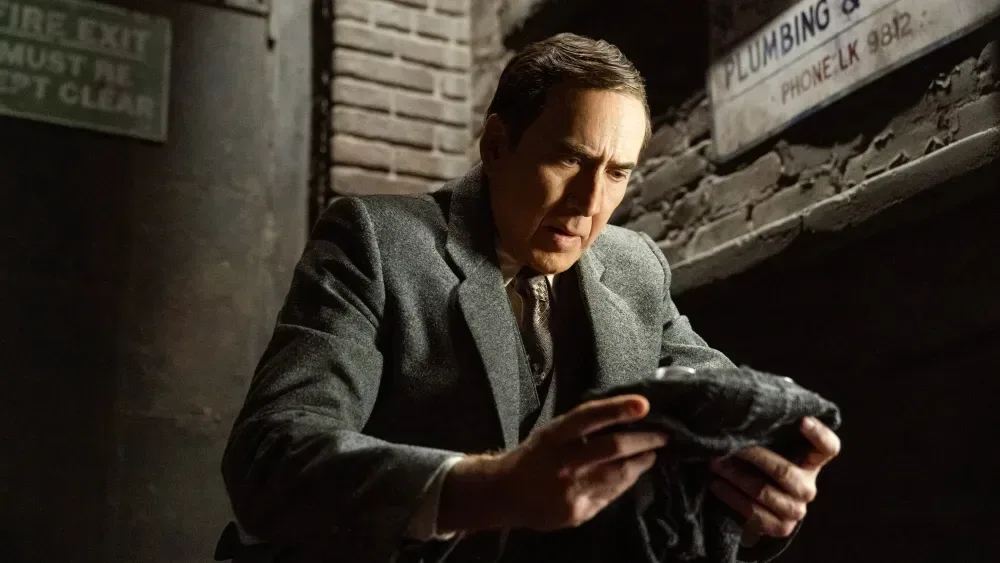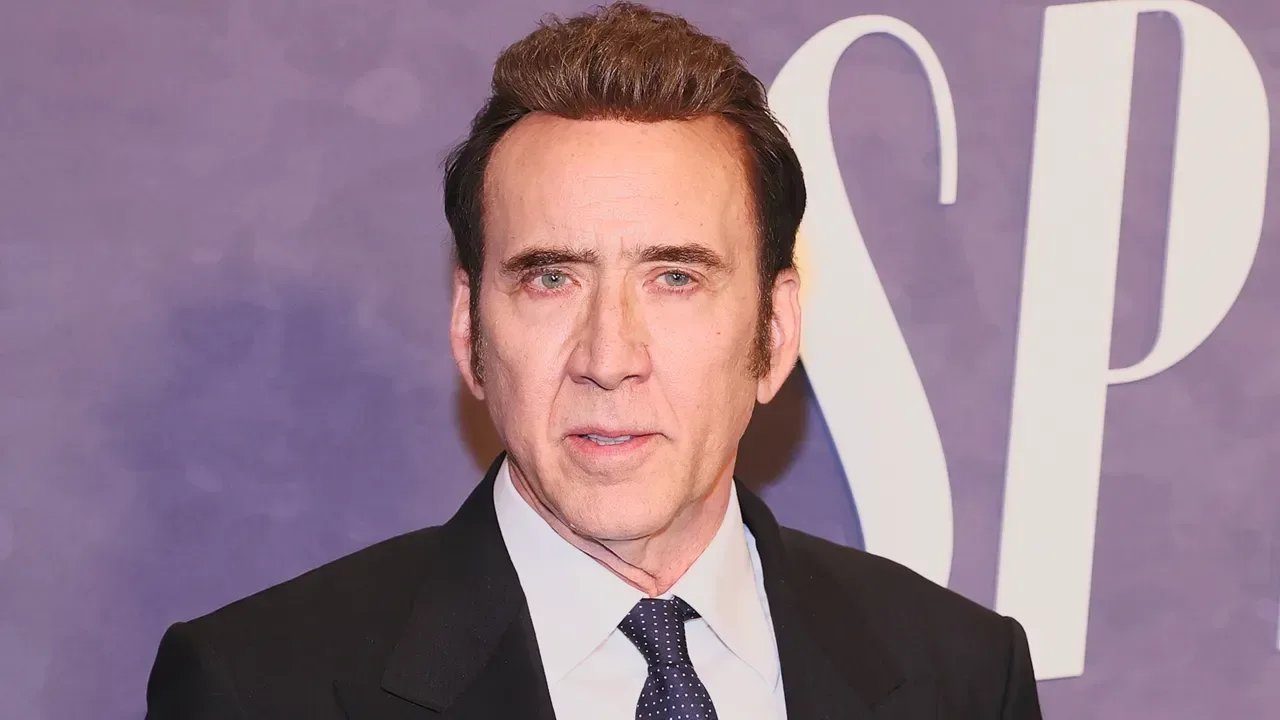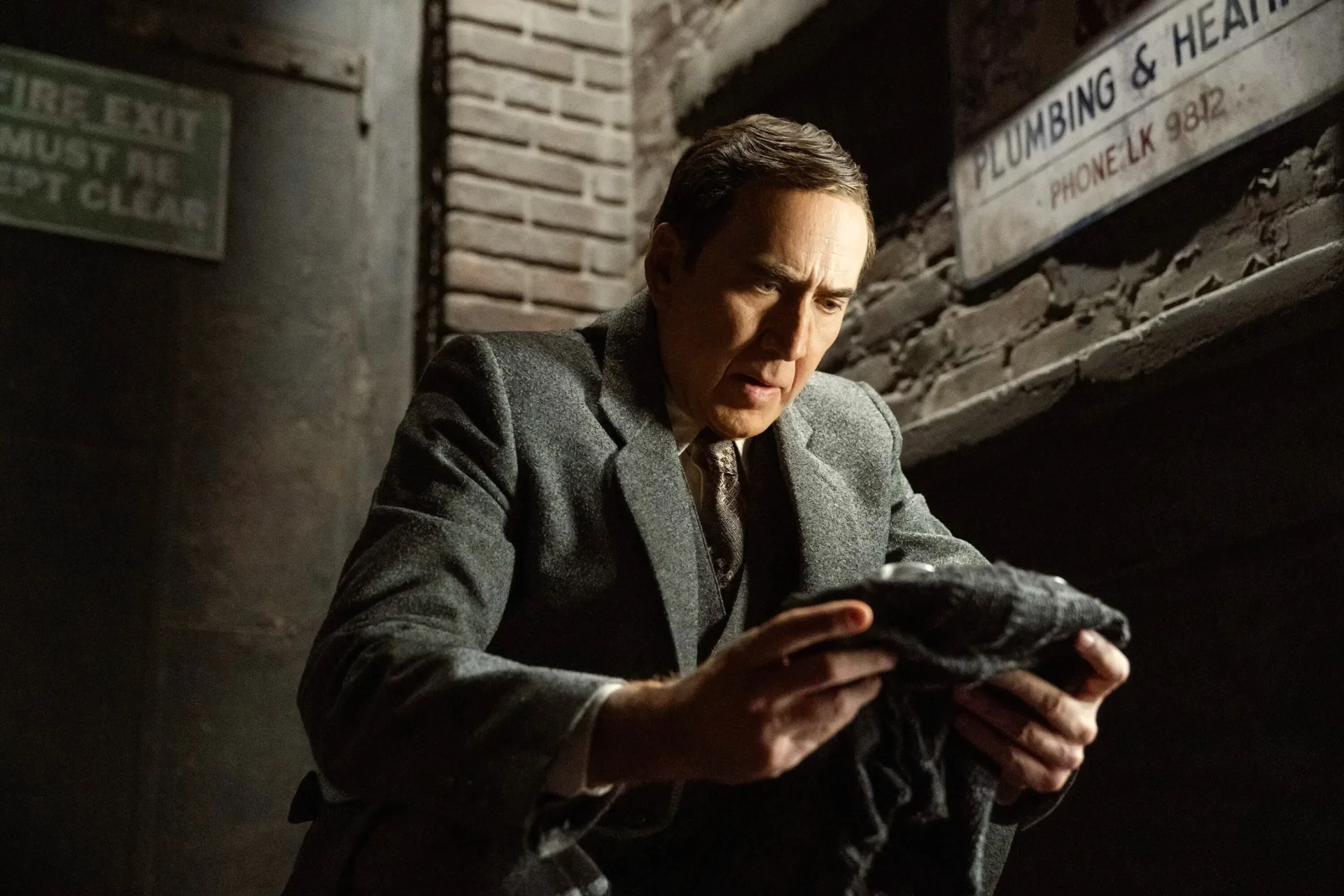
Nicolas Cage used a New York Comic Con appearance to draw a firm line on artificial intelligence and performer consent. Speaking during a panel on the Empire Stage, Cage said he had declined an AI waiver connected to Spider-Noir, the Prime Video superhero series in which he took his first leading television role.
“I am not an AI-friendly actor,” Cage told the crowd, adding that he did not sign the waiver. He suggested the decision could mean he does not work with the studio again, while making clear that he was comfortable with that possibility.
The comments are notable because they are not a broad objection to every computer-assisted filmmaking tool. Cage’s remarks concern permission: whether an actor should agree to language allowing AI-related use of their performance, image, voice, or other material. The precise text, scope and intended application of the reported waiver have not been made public, so it would be a mistake to assume what rights it requested or what technology would have been used.
What an AI waiver can mean — and what remains unknown here
An AI waiver is a general description rather than a single standardized Hollywood document. In practical terms, it can refer to contractual consent for a company to use AI systems in relation to an actor’s work. Depending on the agreement, that might involve scanned likenesses, digital replicas, voice work, performance data, synthetic alterations, training material, or other uses. A waiver’s real impact is determined by its wording: the permitted use, duration, compensation, approval rights, security practices, whether use is limited to one production, and whether the material can be reused later.
None of those specifics were disclosed in Cage’s remarks. That distinction matters. It is fair to say Cage described refusing an AI waiver tied to Spider-Noir; it is not possible from the available information to say that the document would have authorized a digital double, voice clone, training dataset, or any particular replacement of his performance.
Still, Cage’s response identifies the core concern that makes these clauses consequential. A filmed performance is more than a one-time service. It includes recognizable personal attributes: a face, physical mannerisms, timing, cadence and voice. When contractual language extends control over those attributes into AI-assisted workflows, the question becomes less about the novelty of the software and more about informed consent and the boundaries of reuse.
For performers, the practical questions are straightforward even when the technology is not. What exactly is being captured? Can it be modified? Is the use confined to the specific series? Who approves it? Is additional payment involved? Can permission be withdrawn? Cage’s public refusal puts the emphasis on an actor retaining the ability to answer those questions rather than accepting an undefined category of future use.
The tension between a noir Spider-Man project and an AI dispute
Spider-Noir sits within one of entertainment’s most recognizable superhero spaces, which makes the dispute especially visible. Productions built around established comic-book characters typically carry a large network of creative and commercial interests: studios, streaming platforms, rights holders, effects vendors, audiences and performers. A headline performer publicly questioning AI terms adds another dimension to how viewers may think about a finished show, even without knowing whether any AI-generated material appeared onscreen.
Related coverage includes Nicolas Cage Says He Rejected AI Waiver for Spider-Noir.
The available report says the series was canceled after one season. It also says the program received 11 Emmy nominations, the highest count for any Prime Video program that year, and accumulated 2.6 billion minutes viewed during its first six weeks. Those figures, if reported accurately, underline an important reality of modern streaming: visibility, critical response and total viewing time do not automatically reveal why a platform continues or ends a series. Without a formal explanation of the decision, they cannot establish a reason for the cancellation.
Cage’s remarks likewise should not be read as proof that his refusal caused, affected, or followed from the show’s end. He connected his future willingness to work with the studio to his AI concerns, but the specific relationship between the waiver, the production and the cancellation has not been detailed publicly.
Why consent language matters beyond one production
AI is often discussed as though it were a single switch: for it or against it. Contracts make the subject much more granular. A narrowly defined use could be very different from an open-ended provision that reaches beyond a production’s initial release. Clear terms give a performer, crew member, or other contributor a meaningful understanding of the trade they are making. Vague terms can turn a signature into a commitment whose practical meaning only becomes apparent as tools evolve.
Cage framed himself as outside what he called an AI-friendly corporate culture. Whether or not one agrees with his position, it is a useful reminder that enthusiasm for technology at the company level does not eliminate an individual performer’s interest in bargaining over their identity and labor.
That issue also extends beyond actors. AI-related production systems can touch writers, artists, editors, designers, musicians and voice performers in different ways. The common thread is provenance: knowing whose work entered a system, what was done with it, and what rights govern the result. Strong disclosure does not resolve every disagreement, but it gives participants a real basis for consent instead of asking them to guess at future applications.
The wider technology conversation is moving quickly across entertainment hardware and services as well. For example, reports around an expected Apple TV 4K update and its unresolved Siri AI questions show how AI is becoming a recurring part of consumer-tech expectations. Cage’s comments concern a different side of the equation: not what AI features audiences may receive, but what permissions creative workers are asked to grant while those systems are developed and deployed.
Cage looks toward newer filmmakers and more television
Although his comments about the waiver were blunt, Cage also used the panel to talk about where he wants to go next creatively. He praised younger, Gen-Z filmmakers who build audiences through YouTube and make work “from scratch and by hand.” He specifically highlighted Kane Parsons, the director of Backrooms.
The contrast in Cage’s comments is clear. He expressed interest in creators developing a personal route into filmmaking, while rejecting contractual terms that he believes could diminish a performer’s control. That is not necessarily an argument against every digital production method; it is an argument for preserving a human decision-maker’s authority over their own participation.
Cage also said he wants to do more television following Spider-Noir. During the appearance, he stated that his next project would be a season of True Detective, joking that his agent might object to him revealing it first. No further details about his role, a production schedule, or the season’s release plans were provided in the available information.
What viewers and performers can take from the moment
For audiences, an AI clause can sound like paperwork far removed from the screen. Cage’s statement helps explain why it is not. The most important questions are human ones: who gets to say yes, what are they saying yes to, and can that permission expand beyond the work they believed they were making?
For performers and other creative professionals, the practical takeaway is not that every AI-related agreement has the same effect. It is the opposite. Labels alone are inadequate. The relevant protections lie in the details: narrowly defined purpose, limits on reuse, notice, approval, payment, data handling and remedies if terms are exceeded.
Cage’s refusal is therefore bigger than a single superhero series, while still remaining a personal account of one actor’s decision. It adds a high-profile voice to a debate that will increasingly be settled not by slogans about AI, but by specific contractual language and the consent behind every signature.