Spider-Noir has reached the end of its web. The Prime Video series starring Nicolas Cage will not return for a second season, closing the book on its unusual black-and-white-and-color Marvel detective story after one run of episodes.
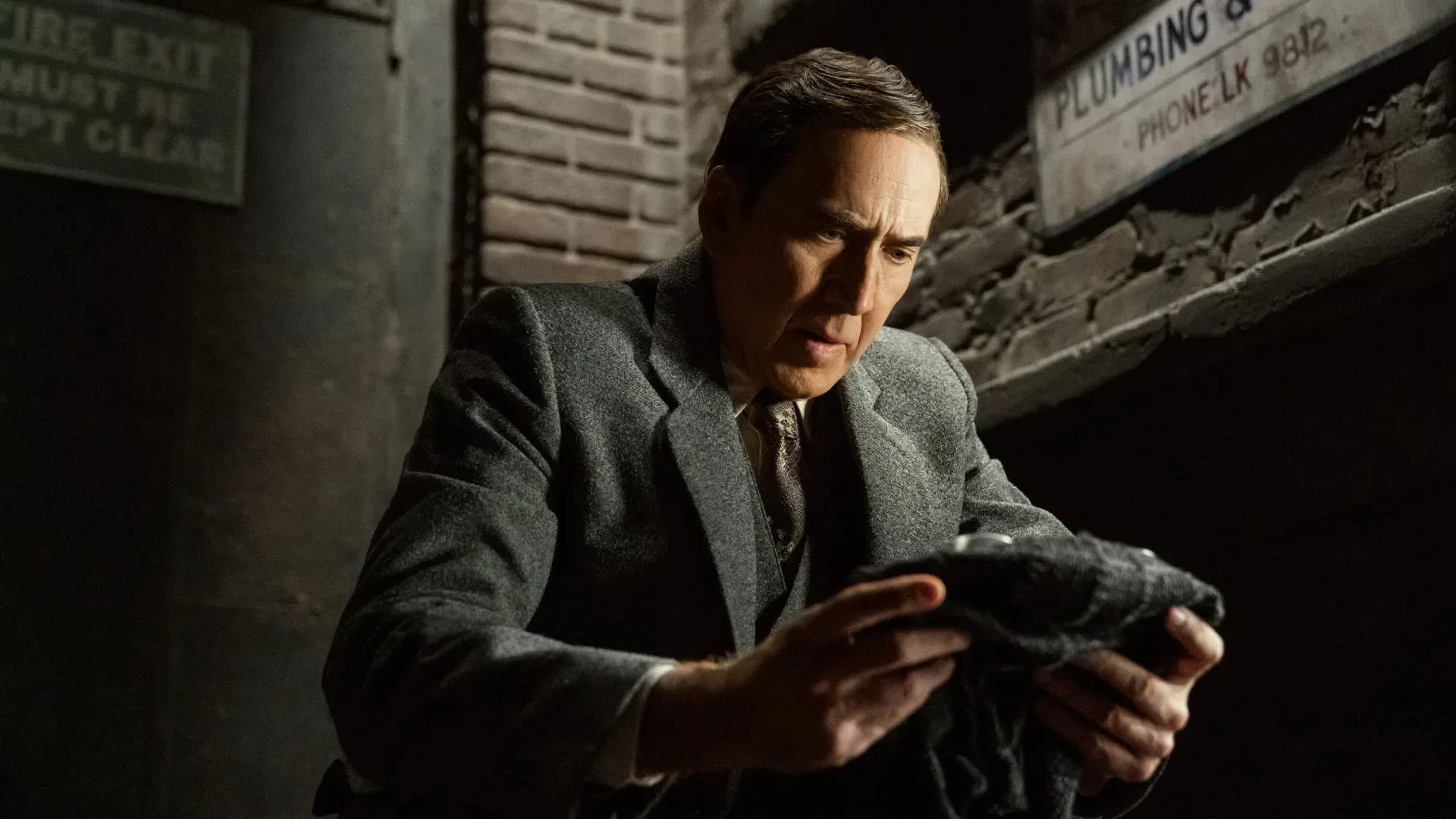
Cage, who plays Ben Reilly, has met the news with an unusually serene response. Rather than framing the cancellation as unfinished business, he described the one-season format as the right size for the character and the show’s particular creative swing.
“For me, one season is perfect, having said what I wanted to say with this dangerous, innovative, pop-art Spider-Man,” Cage said. “Onwards, upwards, inwards.”
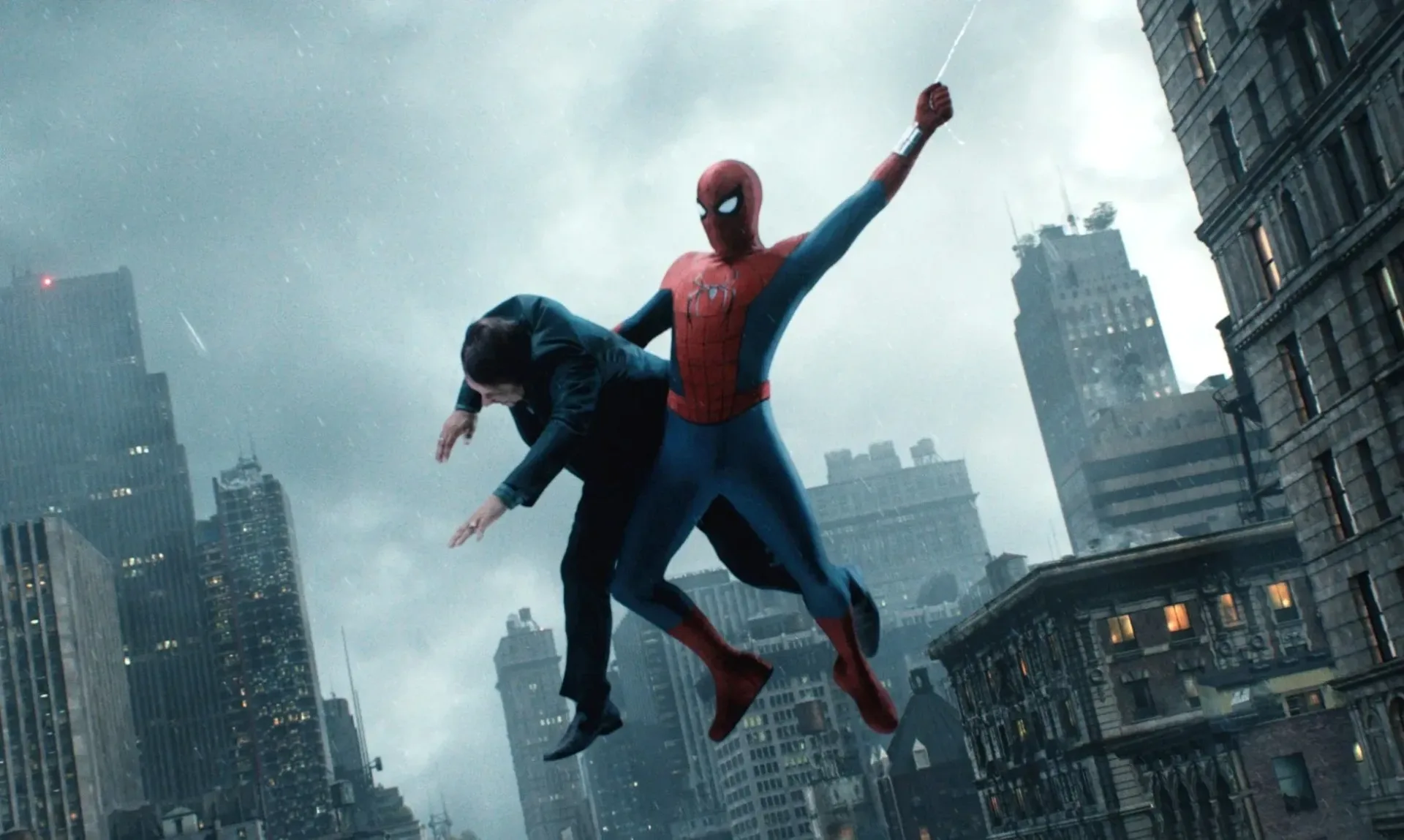
That is a remarkably Cage-like farewell: direct in its acceptance, a little poetic, and just eccentric enough to feel fitting for a series that placed a Spider-Man-adjacent hero inside a Prohibition-era noir world. Spider-Noir did not set out to be another cleanly interchangeable chapter in a superhero conveyor belt. Its central image was already a left turn: Cage’s Ben Reilly, a private investigator having a difficult time of it in 1930s New York, also happens to be the city’s only super-powered vigilante.
For viewers who caught the show on MGM+ beginning May 25, 2026, or through its global Prime Video rollout two days later, the presentation itself was part of the proposition. Spider-Noir was made available in both black and white and color. That gave audiences the option of embracing the hardboiled visual experiment in monochrome or watching the same story with its palette fully switched on. It is a rare release strategy for a comic-book television show, and one that underlined the project’s determination to treat style as more than decorative wallpaper.
A short run for a deliberately strange Spider-Man corner
Spider-Noir arrives from the broad family of Marvel characters controlled through Sony’s Spider-Man-related slate, but it was not built around the usual modern-day superhero machinery. Ben Reilly is a recognisable name to comic readers, yet the show’s premise recast him through a period-crime lens. He is not merely a hero in a fedora; he is an investigator facing a city shaped by the pressures and shadows of the Prohibition era, while carrying the isolation of being its lone extraordinary protector.
Cage was a natural focal point for that collision of pulp, melancholy, absurdity, and heightened comic-book energy. The performance was widely noticed as a major feature of the show’s identity, and its critical reception was solid: the first season earned an 8/10 assessment that praised the way Cage’s hero merged classic noir leading-man DNA with a more cartoonishly elastic streak. That is an apt description of a project trying to make old-Hollywood grit, stylised humor, and superhero myth coexist.
One season can be a frustrating endpoint for fans who connected with a show’s cast or setting. It also means there will be no opportunity to see whether Spider-Noir could have widened its version of 1930s New York, developed Ben Reilly’s cases across a longer arc, or pushed the split visual formats in new directions. Cage’s comments, however, suggest he sees the run as a complete creative statement rather than a chapter cut off mid-sentence.
That distinction matters. Streaming cancellations are frequently discussed only in terms of what audiences lose: planned plotlines, potential character development, and the simple comfort of returning to a familiar world. In this instance, the lead actor’s own view is that the series communicated its intended ideas in the space it had. A single season may not satisfy every viewer, but it does give Spider-Noir a chance to stand as a compact oddity instead of a premise required to endlessly justify another renewal.
Viewing momentum and production costs shaped the decision
The series reportedly opened with strong viewing minutes, but that early momentum did not hold. It later fell out of Prime Video’s top 10, and the production’s cost was also reportedly a factor in the decision not to proceed. Those details reflect the increasingly unforgiving equation for high-concept streaming genre shows: an attention-grabbing debut is valuable, but sustained viewing and the economics of producing the series remain crucial.
Spider-Noir’s period setting and distinctive visual ambition were among the reasons it stood apart, but they are also the kinds of qualities that can make a project more complicated than a contemporary, lower-footprint drama. The available information does not assign one sole reason for the cancellation. Instead, the picture is of a show that started well, lost chart momentum after launch, and carried a high price tag.
For audiences, chart placement is an imperfect way to measure affection or artistic value. It cannot explain why a specific performance lands, why a stylised world becomes memorable, or why a choice between color and monochrome might become a conversation point. But it can influence whether an expensive series continues. Spider-Noir’s outcome is another reminder that strong initial curiosity does not automatically turn into the long-running future fans may want.
The series also sits in a wider business relationship between Amazon MGM Studios and Sony Pictures Television. Their multi-title arrangement draws from Sony’s Marvel-character library, so the end of Spider-Noir is not the end of that overall deal. Multiple projects are still in development. That broader context makes the cancellation less like a complete withdrawal from the space and more like a specific decision about one show’s next season.
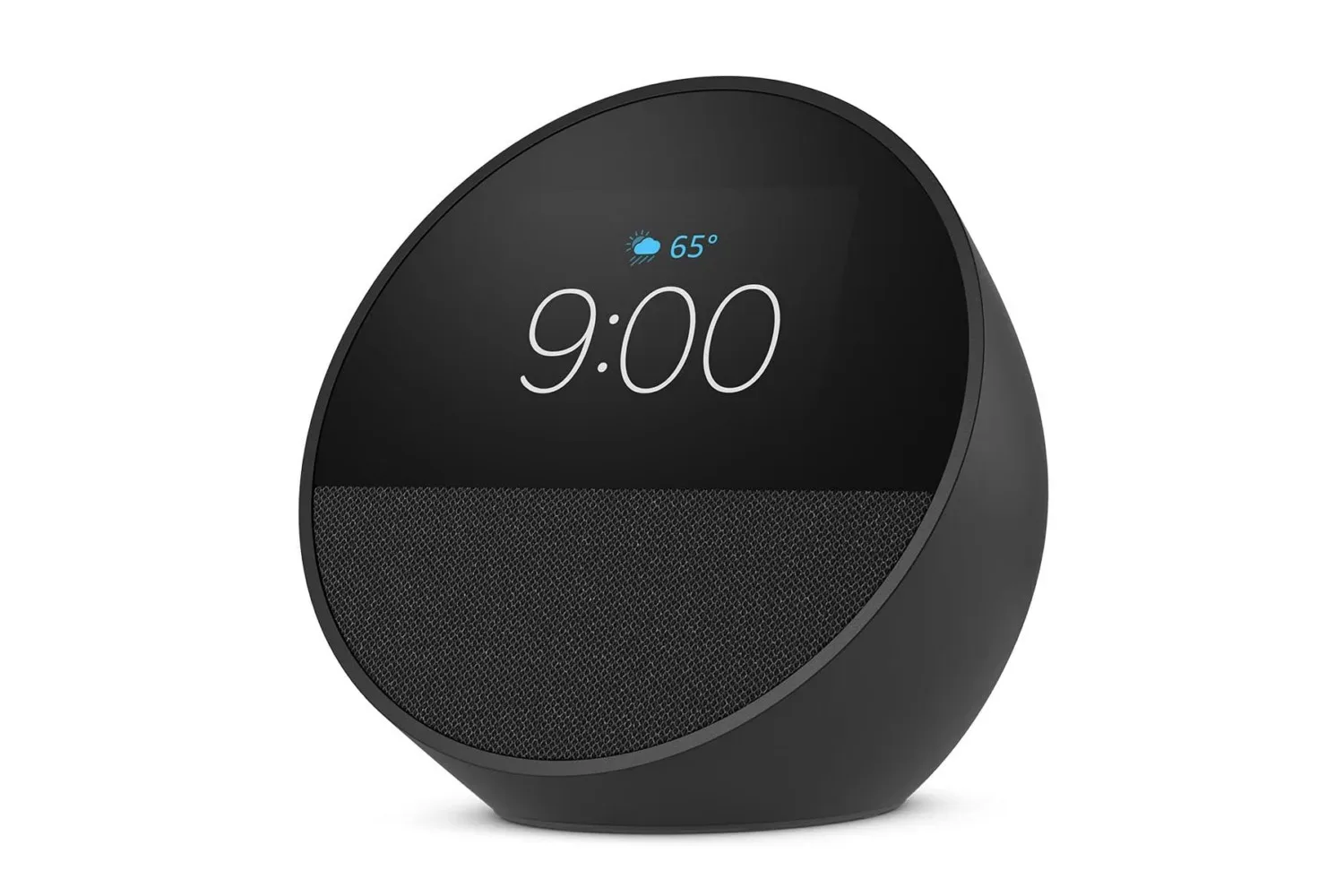
Amazon’s entertainment footprint, of course, exists alongside a much wider consumer-tech ecosystem. Readers tracking its device side can also see how the company appears elsewhere in the news cycle, including the Amazon Echo Spot listing after a Labor Day price cut. That does not change Spider-Noir’s television fate, but it illustrates the unusually broad range of products and services operating under the Amazon banner.
The Sony Marvel television path continues, even as Silk did not
Spider-Noir was not the first project affected within this portion of the Marvel television landscape. Silk, another Spider-Man spin-off associated with the same arrangement, was cancelled only days after Spider-Noir received its green light. The two outcomes make clear that a multi-project deal does not guarantee that every individual idea will reach the screen, or continue once it does.
Still, there is an important difference between a cancelled title and a cancelled strategy. The agreement between Amazon MGM Studios and Sony Pictures Television remains active, with further projects in development. No additional titles or release details have been established here, so it would be premature to treat that pipeline as either a promise of a Spider-Noir replacement or an indication that every future project will follow the same creative template.
That may be for the best. Spider-Noir’s appeal was precisely its specificity. It was not simply “a Spider-Man show,” but a period detective drama with a super-powered protagonist, a presentation available in two color modes, and Cage at the center. Repeating the ingredients too closely would risk flattening what made this entry distinctive. Future productions under the deal may draw on different characters and genres entirely.
What Spider-Man fans can look toward next
Spider-Noir’s ending does not leave Spider-Man-related releases absent from the calendar. Spider-Man: Brand New Day has been setting major box-office records, keeping the web-slinger highly visible on the film side. The next scheduled Spider-Man taste is Spider-Man: Beyond the Spider-Verse, which is due in theaters on June 18, 2027.
That next film belongs to a different branch of the larger Spider-Man multiverse, and it should not be read as a continuation of Cage’s Ben Reilly story. Still, the franchise’s willingness to accommodate radically different tones is one of its ongoing strengths. A record-breaking theatrical superhero release, an animated multiverse feature, and a live-action 1930s noir detective series can all occupy nearby territory while pursuing very different audiences.
For Spider-Noir specifically, the record now stands at one season: a May 2026 debut, a rapid expansion from MGM+ to global Prime Video access, a bold choice of black-and-white or color viewing, and a lead actor who believes the story reached its proper stopping point. In an era where franchises often measure success by how long they can extend, that is not the usual ending. It is, at minimum, a suitably unconventional one.