For anyone whose morning routine currently begins with an alarm that sounds like a boss battle has started in the next room, Amazon’s Echo Spot is positioned as a gentler bedside alternative. The latest model is listed for $70, down from $110, which represents a 36% Labor Day reduction. The discounted price is available in all three listed finishes: Black, Glacier White, and Ocean Blue.
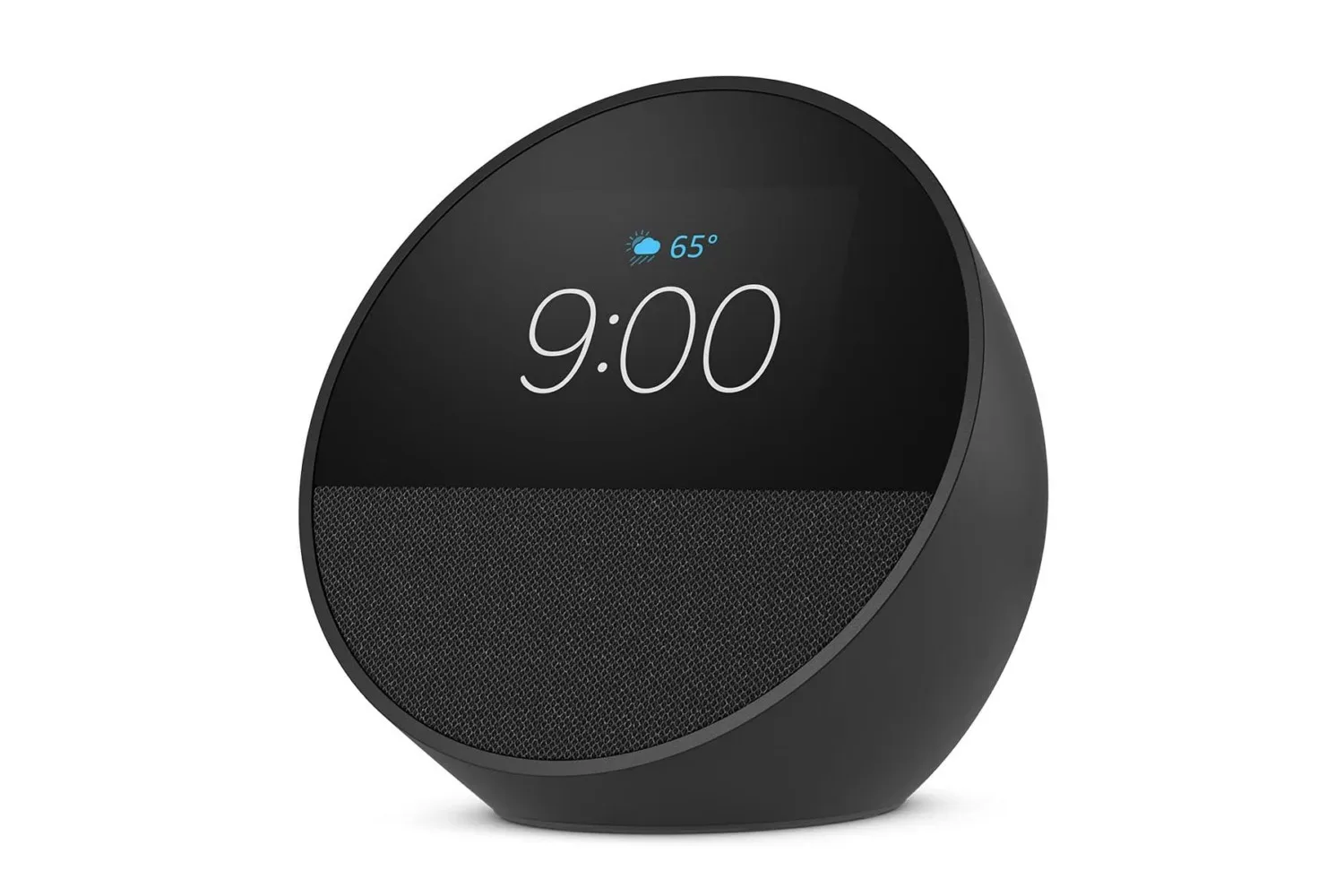
The Echo Spot occupies a fairly specific corner of smart-home territory. It is a compact Alexa-enabled alarm clock with a display and speaker, rather than a device built primarily for watching video or filling an entire room with sound. Its appeal is in putting several small everyday functions in one place: timekeeping, alarms, weather information, audio playback, voice control, and smart-home access. On a bedside table, that combination can mean fewer reasons to immediately grab a phone after waking up.
At $70, the current listing takes $40 off the stated $110 price. That makes the deal worth noting for shoppers who already use Alexa-compatible lights, thermostats, or other connected home equipment, as well as those who simply want an alarm clock that can do more than flash a time in red digits. Still, retail pricing can change without warning, and a listed Labor Day deal should be treated as time-sensitive rather than permanent.
A bedside clock with a little more on its character sheet
The central idea behind the Echo Spot is straightforward: it is designed to wake users with gradual light and calmer music instead of relying exclusively on an abrupt alarm tone. For people who prefer a less jarring start to the day, a sunrise-style wake-up experience may be the headline feature. It is not just trying to tell the time; it is trying to make the first moments of the morning feel less like a penalty for having slept.
Its built-in display can show the time and weather at a glance. That may sound modest, but it matters in the room where many people begin and end their day. Checking basic conditions without unlocking a handset can be useful for anyone trying to make their bedroom a slightly less screen-dependent space. The display is also part of what separates the Echo Spot from a conventional smart speaker, while its alarm-clock form distinguishes it from devices designed around a larger screen.
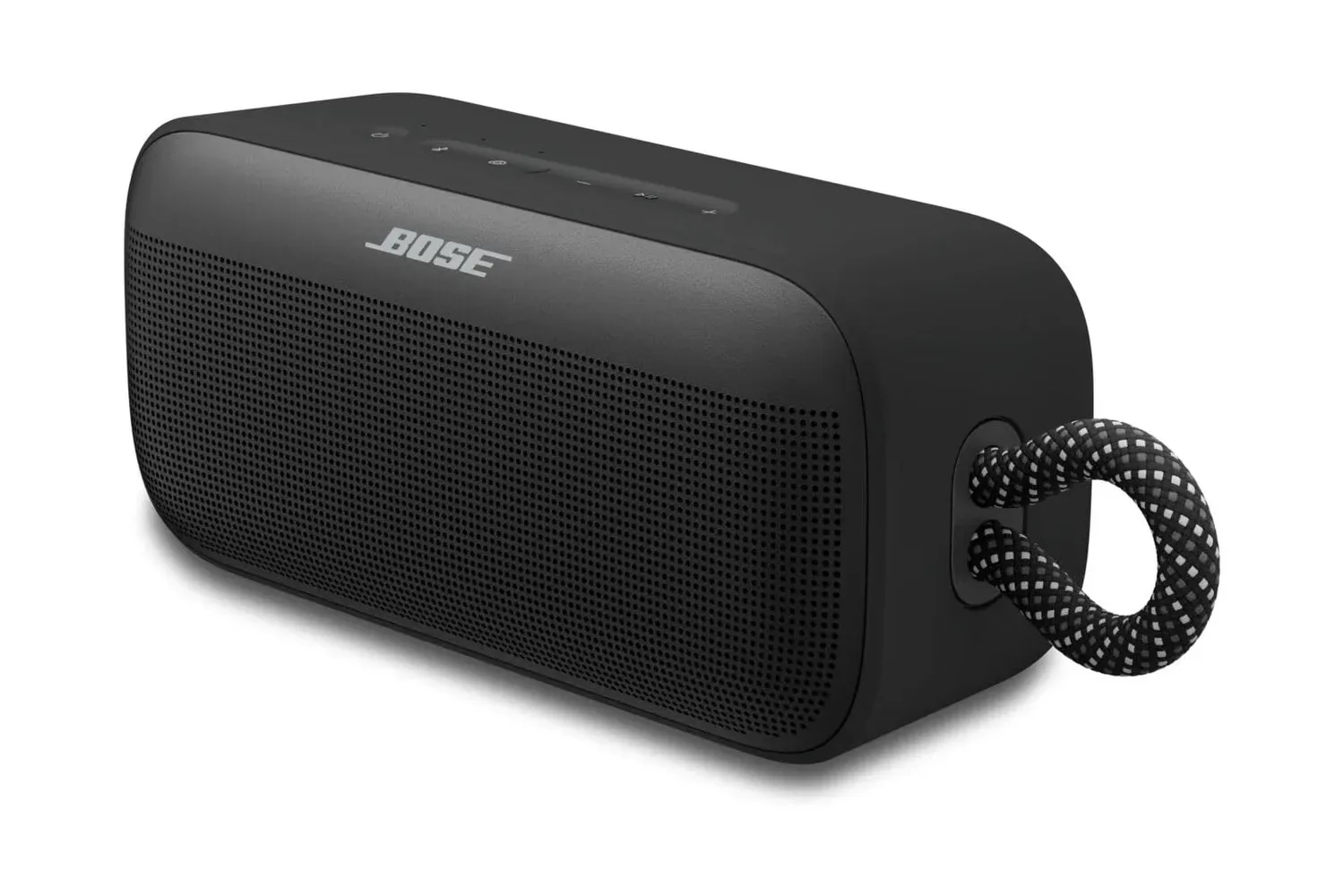
Audio is another major part of the package. The speaker can be used for music, podcasts, and audiobooks in addition to alarm duties. That makes the device a possible companion for low-key listening while getting ready, winding down, or doing small tasks around the home. Buyers should keep expectations aligned with the product’s role: it is presented as a smart alarm clock with a capable speaker, not as a substitute for a dedicated hi-fi setup or a bigger portable Bluetooth unit. Those after a speaker aimed more directly at outdoor or room-filling use may want to compare this type of device with options such as the Bose SoundLink Plus.
Alexa is where the clock becomes a smart-home controller
Echo Spot’s Alexa support is the feature that turns the bedside device into something more flexible than a display clock and radio. Voice commands can be used for everyday requests and for compatible smart-home actions. The listed functions include switching lights on or off, adjusting a thermostat, and creating routines that use motion detection.
That last point is especially relevant to a bedroom setup. A routine can potentially connect multiple actions to a single trigger, reducing the number of separate controls someone needs to use. The benefit is convenience, not magic: compatibility with a user’s existing devices and routines will determine how much of the feature set becomes genuinely useful. For a home without connected lights, thermostats, or other Alexa-compatible gear, the Echo Spot can still operate as an alarm clock, display, and audio device, but its smart-home role will naturally be smaller.
Amazon also offers Alexa+, described as a more advanced version of Alexa, for Prime members. Standard Alexa remains available for the core hands-free functions outlined here. Prospective buyers should consider which version of the assistant is available to them and which tasks they actually expect to perform before treating Alexa+ as a deciding factor. The practical value of a voice assistant often comes down to repeated, simple requests: setting alarms, controlling lights, checking the weather, or starting audio without reaching for another device.
Useful routines are the ones that fit a real schedule
A smart alarm clock has a better chance of earning its bedside space when it replaces habitual steps rather than creating new ones. Someone who already starts the day by checking the forecast, turning on a connected lamp, and playing a podcast could find a voice-operated clock more coherent than juggling separate apps. Someone who only needs a dependable alarm may find that the extra functionality is nice to have but not essential.
- Morning use: gradual light and calming music are intended to provide a softer wake-up option.
- At-a-glance information: the display can show time and weather without requiring a phone check.
- Audio playback: music, podcasts, and audiobooks can be played through the built-in speaker.
- Connected-home control: Alexa can handle compatible lights and thermostats through voice commands.
- Automation potential: routines with motion detection can extend the device beyond a standard clock.
Privacy controls remain part of the decision
Because the Echo Spot is a voice-assistant device, privacy controls should be part of the buying conversation, not a footnote hidden behind the excitement of a lower price. Echo devices are described as having multiple layers of privacy protection. Specific controls include the ability to disable the microphone when it is not wanted and the option to ask Alexa to clear recent voice recordings.
Those features do not mean every shopper will be equally comfortable with a voice-enabled device near the bed. They do, however, provide direct controls for people who want to decide when the microphone is active and manage recordings using voice commands. Anyone considering the Echo Spot primarily as a bedroom clock should weigh that comfort level alongside the convenience of hands-free controls. The device’s best feature for one person—always-available Alexa—may be the reason another prefers a traditional alarm clock.
Setup is intended to be simple
Getting started does not require a complicated installation process. The basic path is to plug the Echo Spot into a power outlet, download and open the Alexa app, and follow the on-screen instructions. As with most connected devices, the most involved part may not be the initial setup but deciding how much to connect afterward: audio services, smart-home accessories, routines, alarms, and personal preferences can all shape the experience.
That distinction is useful for prospective buyers. The Echo Spot can begin with a relatively simple job—telling the time and waking someone up—then take on additional duties if the household already has compatible equipment. It is not necessary to build an elaborate automated home on day one to get use out of it. Conversely, someone shopping only for speaker performance or a large smart display may be better served by looking at products tailored to those needs.
What the $70 listing means
The current $70 price is the key reason the Echo Spot is drawing attention. A $40 reduction from $110 is substantial in percentage terms, and the fact that Black, Glacier White, and Ocean Blue are all included avoids the common deal caveat where only one less-popular finish gets the headline price. Buyers can choose the color that makes the most sense for their nightstand rather than chasing a discount tied to a single option.
There is no need to pretend a smart alarm clock is a mandatory upgrade for every bedroom. Its value is clearest for people who want the combination of gradual wake-up lighting, an easy-to-read display, casual audio playback, Alexa voice requests, and access to compatible smart-home controls. For that audience, the reduced listing makes the current model more approachable than its $110 price. For everyone else, it remains a specialized convenience device—just one that has temporarily shed a meaningful chunk of its cost.
Shoppers interested in the Echo Spot should verify the price, selected color, and any account-specific service details before checking out, as promotions and availability can shift. But based on the listed reduction, the $70 Echo Spot offers a notably lower entry point for a compact Alexa-powered alarm clock that is trying to make mornings feel a little less like an emergency broadcast.
Shop the products
Check current price, model and availability at the retailer.