Spider-Noir will not return for a second season at Prime Video, ending Nicolas Cage’s unusual, hard-boiled corner of Sony’s Marvel-adjacent screen universe after a single season. The decision arrives despite strong critical reception and 11 Emmy nominations—an abrupt reminder that prestige recognition does not automatically solve the increasingly unromantic mathematics of streaming television.
In this case, the mathematics may have been especially severe. Reports have placed the first season’s budget at roughly $400 million, though that figure should be treated as reported rather than officially confirmed. At that scale, a series likely needs to be more than admired. It needs to become a major audience event, the kind of title that can convincingly justify another enormous production commitment.
That did not happen strongly enough for a renewal. The series is still available on Prime Video in two presentations: a black-and-white version that leans into its period-noir identity, and a color version for viewers who prefer their rain-soaked alleys with a little more visible pigment. Either way, the show’s one-season run is now the complete case file.
A noir detective with spider problems
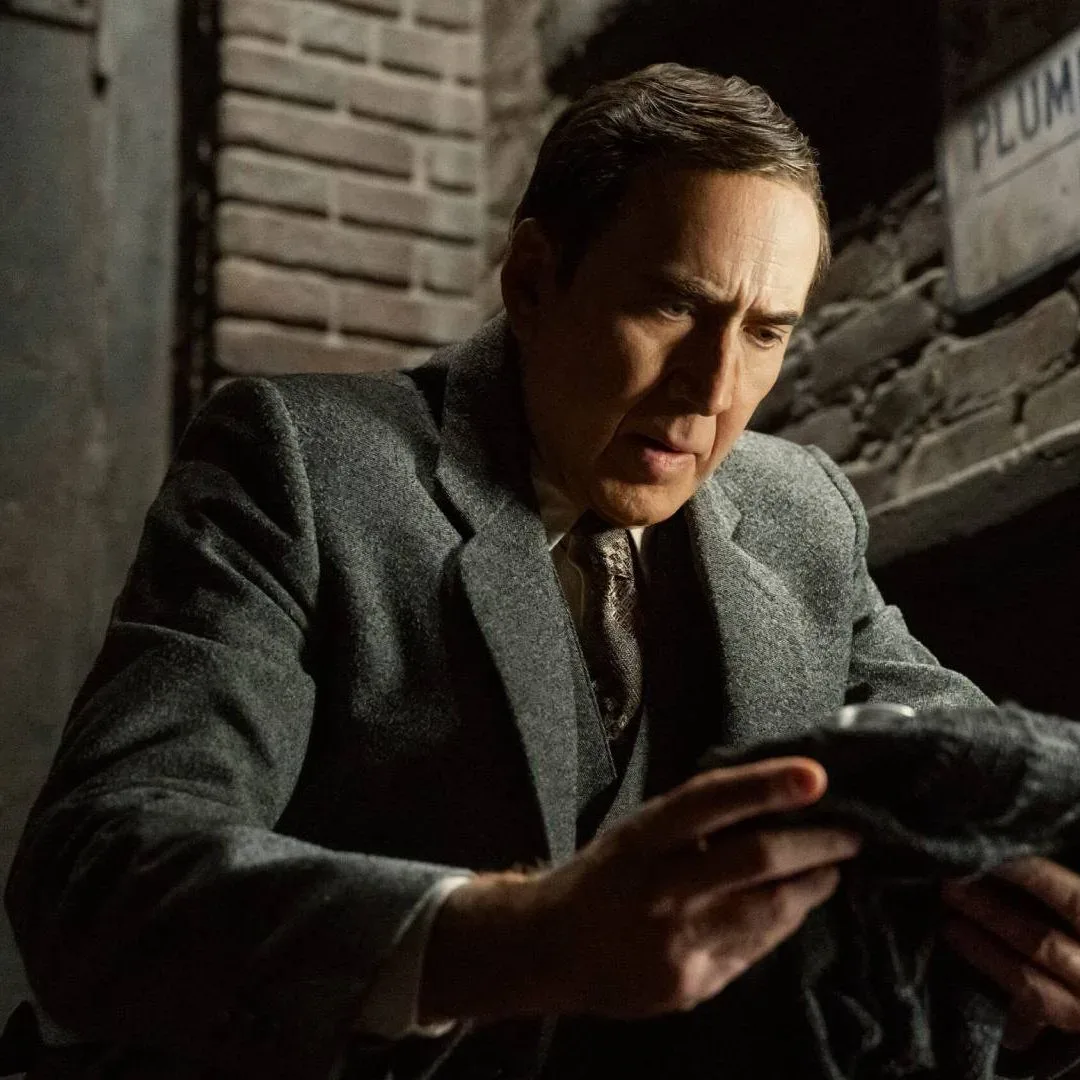
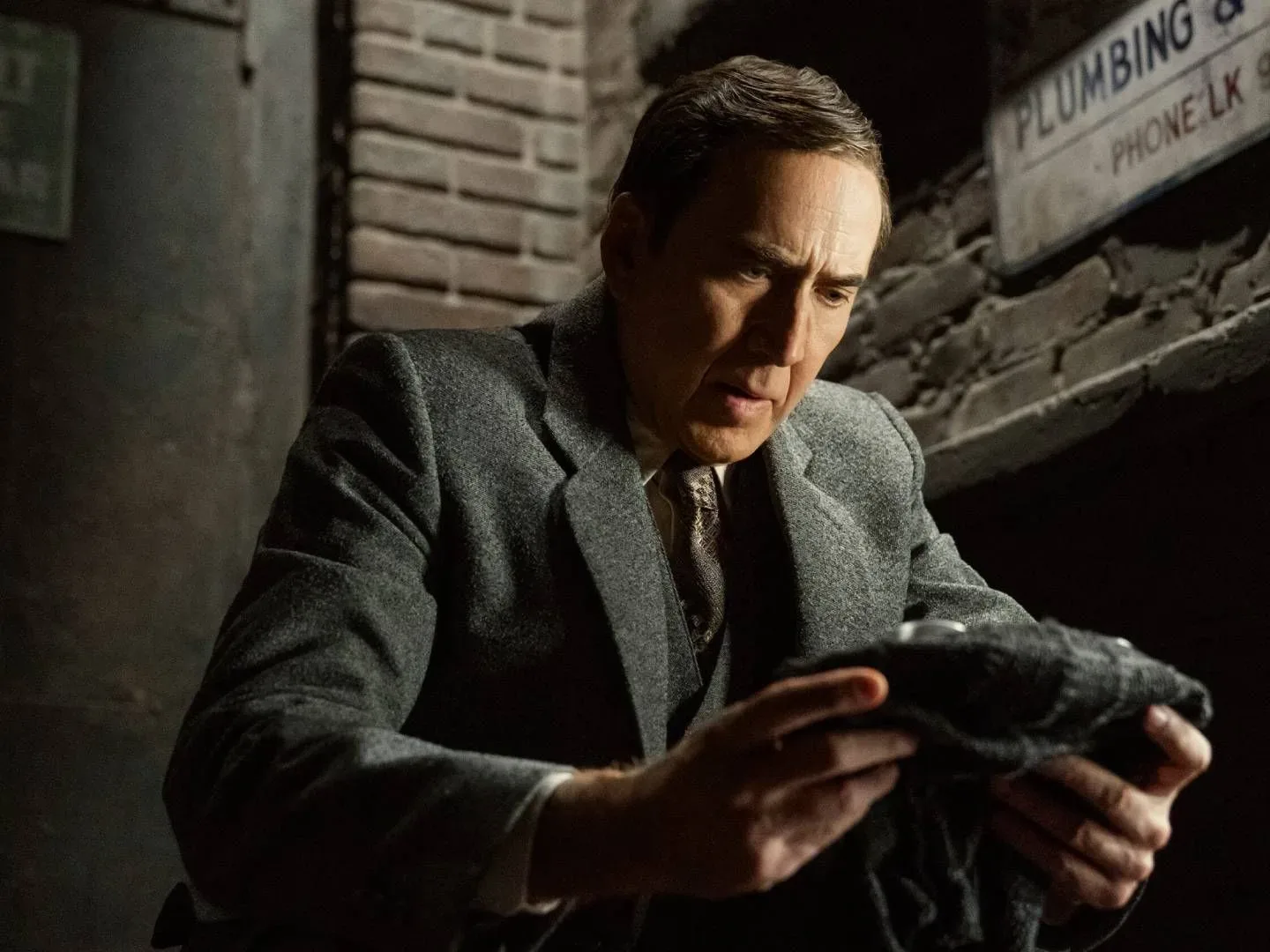
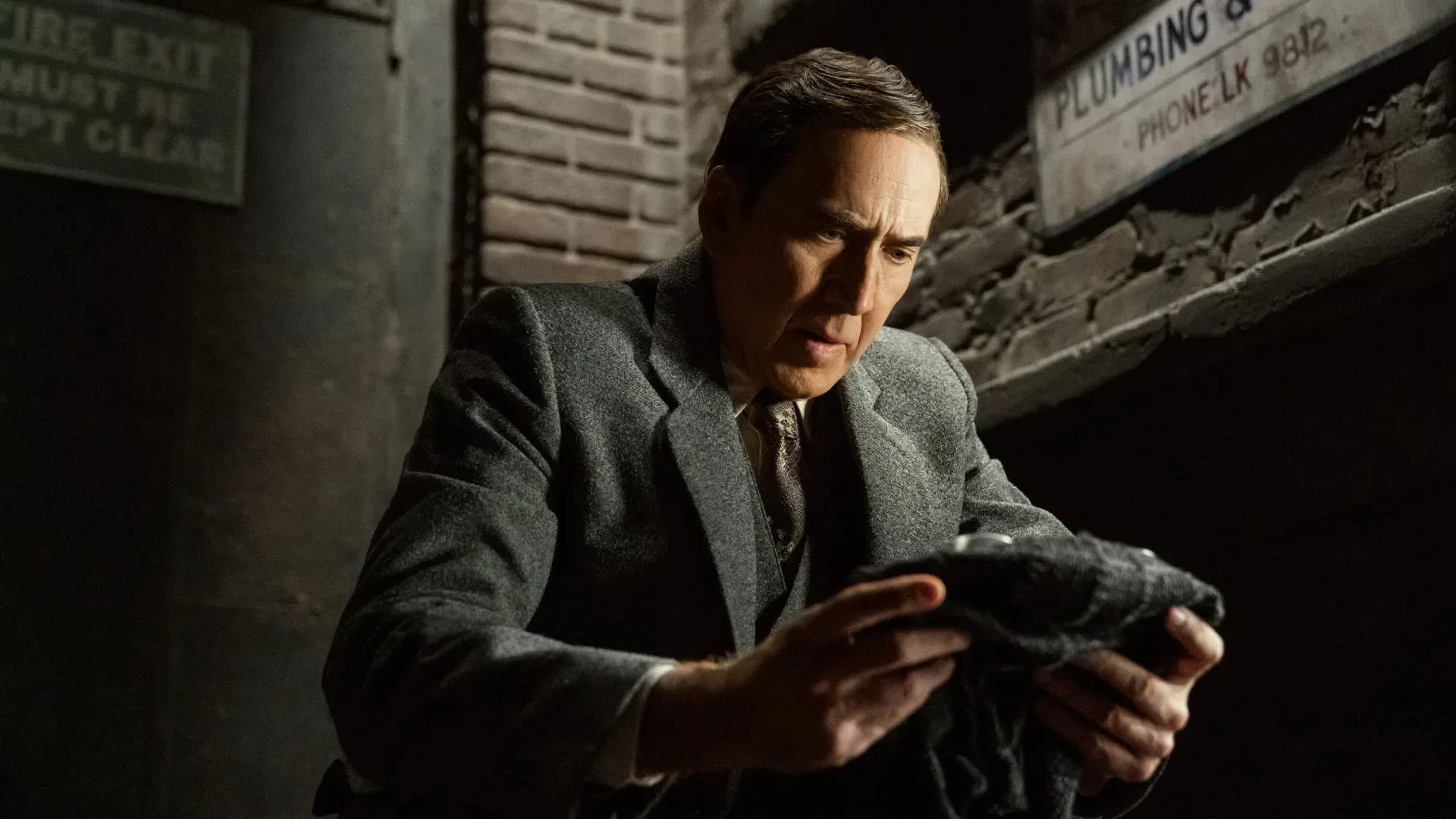
Spider-Noir cast Cage as Ben Reilly, also known as the Spider, a worn-down private detective pulled back toward superhero work. Rather than treating the familiar wall-crawler framework as a brightly colored obligation, the series placed its central hero in a tougher, more downbeat detective mode. The character must contend with classic members of Spider-Man’s rogues’ gallery, including Sandman and Silvermane.
It was a premise designed to stand apart from the crowded field of superhero adaptations. Cage has long been closely associated with bold, sometimes gleefully strange acting choices, and that sensibility appears to have been central to the program’s appeal. The series earned a 91% score on Rotten Tomatoes, a notable mark for a production whose identity was less “safe crossover product” and more “detective drama where the investigator has to make peace with being a spider-themed hero again.”
The 11 Emmy nominations further indicate that the show drew serious industry attention. But awards consideration and audience scale measure different things. One recognizes achievement across categories; the other determines whether a service believes it can support the cost of additional episodes. A nomination list may look splendid on a shelf, but it cannot by itself keep a giant production budget from giving executives the thousand-yard stare.
Why acclaim did not guarantee a second season
Streaming cancellations are often reduced to a blunt phrase—“not enough viewers”—but the practical calculation is usually more complicated. A show’s renewal prospects can involve completion rates, subscriber acquisition, subscriber retention, international performance, marketing needs, contractual obligations, and the projected cost of making the next season. None of those details have been publicly laid out here, and it would be a mistake to pretend otherwise.
What is clear is that Spider-Noir’s reported price tag made its threshold for success unusually high. A smaller, critically loved series can sometimes persist as a reputation-builder or an efficient catalog asset. A production rumored to cost around $400 million faces a much harsher standard. It needs a response large enough to make a follow-up feel like expansion rather than an expensive act of faith.
That reality can be frustrating for viewers, particularly because the cancellation lands after a season built to distinguish itself from standard superhero TV. Still, the presence of both black-and-white and color editions means the completed season remains an unusually flexible artifact. Fans can choose the presentation that best suits the story’s noir mood—or use the two versions as an excuse to explain to friends that, yes, there are apparently multiple acceptable ways to watch a gloomy spider detective have a very bad evening.
Sony’s Marvel-character TV plans are not over
The end of Spider-Noir does not mean the end of the broader agreement between Amazon and Sony to develop television projects based on characters from Sony’s universe of Marvel properties. The partnership remains active, and multiple projects are reportedly still in development. One project is said to be nearing a series order, although its identity and creative details have not been disclosed.
Spider-Noir is, however, the second project from this planned pipeline to be canceled. Silk: Spider-Society, another Spider-Man-related spin-off, was canceled before it entered production. Together, the two outcomes show how quickly an ambitious franchise strategy can change shape. Development slates are maps, not promises; a character can be circled in red one year and quietly filed away the next.
That remaining project nearing an order therefore deserves attention, but not assumptions. There is no confirmed title, cast, premise, release window, or indication that it will resemble Spider-Noir in tone or scale. The safest reading is simple: Sony and Amazon are continuing to explore the property pool, while applying what is presumably a much more cautious eye to the costs and audience goals of any project that moves forward.
What the cancellation means for Spider-Man fans
For fans, Spider-Noir’s end is less a deletion than a limit. The season remains watchable, Nicolas Cage’s detective version of Ben Reilly remains a distinct interpretation of a spider-powered hero, and the show’s visual concept has a finished form rather than an unresolved streaming limbo. It is not the desired outcome for anyone hoping to see more stories involving Sandman, Silvermane, and this particular exhausted investigator, but it is also not a case where an announced second season vanished midway through production.
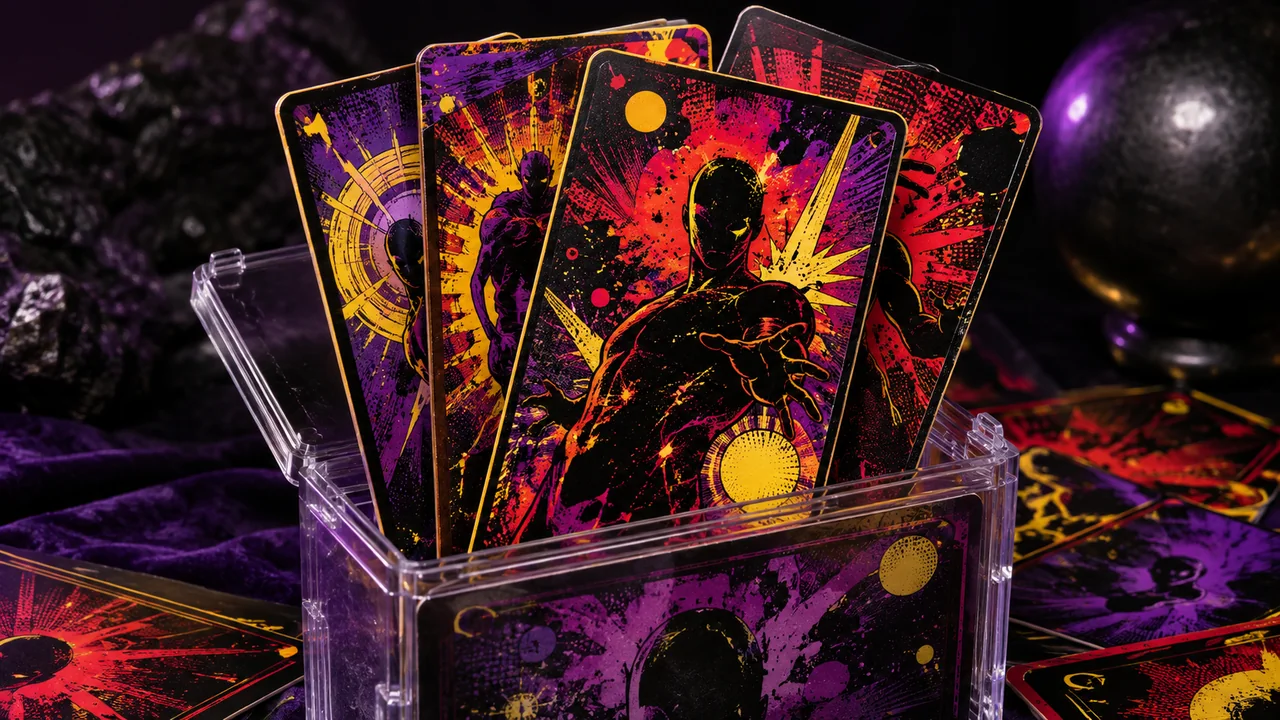
It may also encourage viewers to revisit the broader range of Marvel-related material beyond the screen. Collectors drawn to the character’s comic-book lineage can start with A Beginner’s Guide to Marvel Trading Cards, while those interested in a landmark all-Marvel card release can explore why 1990 Marvel Universe remains a satisfying set to collect. Those collecting lanes are separate from the show, of course, but they speak to the unusual longevity of Marvel characters: a screen project may end, while the larger web of comics, cards, figures, and interpretations keeps producing new routes in.
Spider-Noir also arrives at a useful moment for audiences who are trying to understand how adaptations can share inspiration without requiring a single tidy continuity chart. The series uses a Spider-Man-derived concept and familiar villain names, yet its detective-led noir approach is its own thing. Viewers do not need to treat it as homework for every Spider-Verse film or every Sony-related Marvel production. It can be approached as a self-contained season with a recognizable hero placed in an intentionally unfamiliar genre machine.
A complete season, and an unfinished strategy
The larger story now has two layers. On the creative side, Spider-Noir leaves behind a critically well-regarded season, a 91% Rotten Tomatoes score, 11 Emmy nominations, and a lead performance built around Cage’s distinctive screen persona. On the business side, it demonstrates that those strengths were not enough to clear the renewal bar attached to its reported budget and expected streaming performance.
Amazon and Sony still have more Marvel-character television work in development, including one undisclosed project reportedly close to a series order. That makes Spider-Noir a meaningful data point rather than a full stop: the strategy continues, but its next steps are being kept under wraps. For now, the detective has one season, two visual versions, several classic enemies, and no confirmed second case to solve. In noir terms, the city did not get safer. It just ran out of episodes.