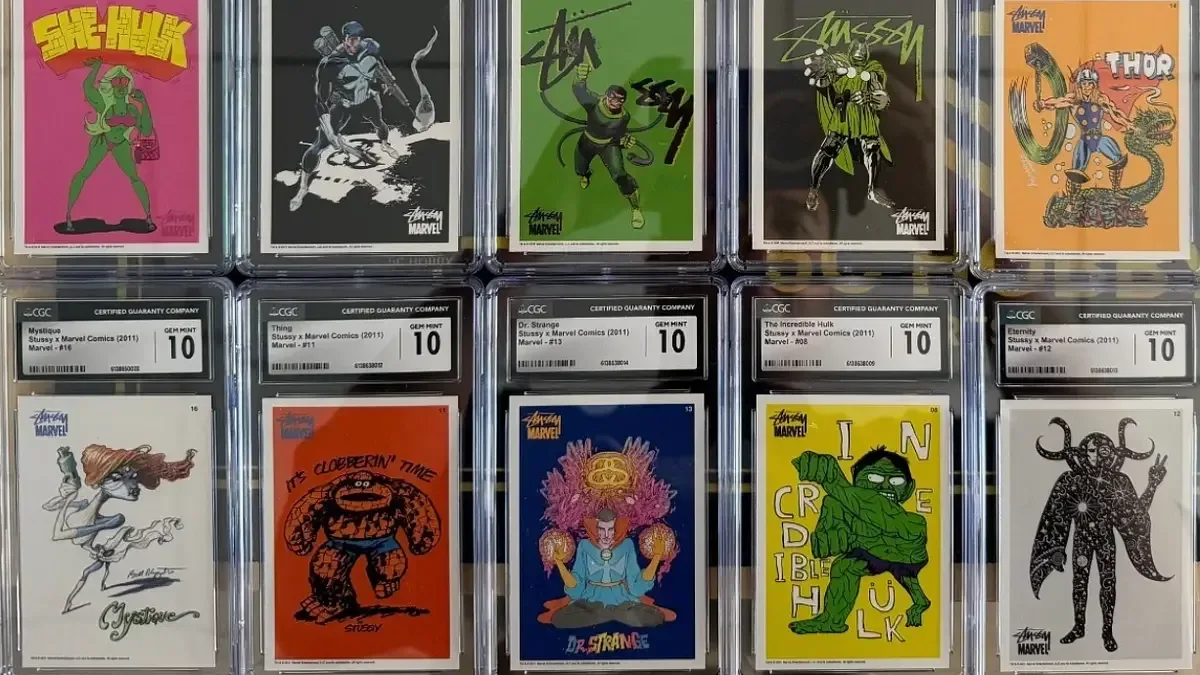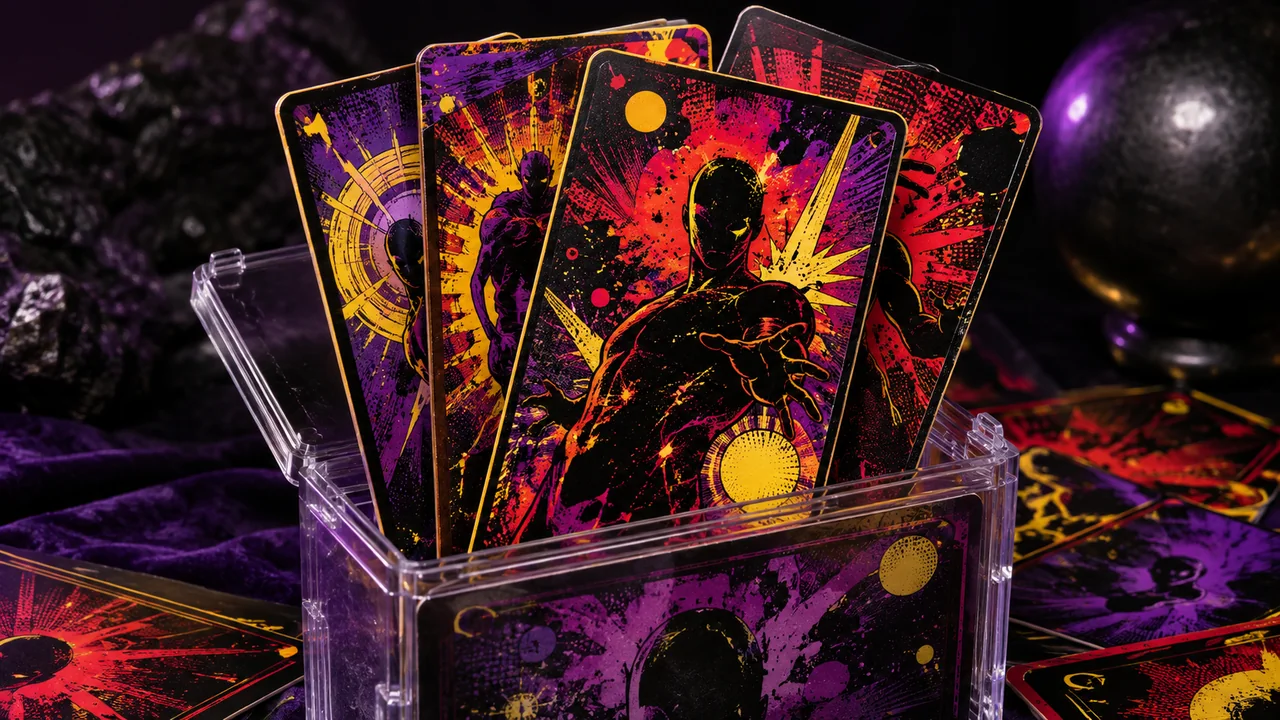
Marvel cards are a particularly enjoyable collecting entry point if your first interest is the artwork. A collection can start with a character you like, a set you remember, or a single image that looks excellent in a binder. You do not need to begin by learning every parallel name or treating every purchase as a market prediction.
Choose your first collecting question
A character collector asks which portrayals of a favorite hero belong together. An artist collector follows visual style across subjects. A set collector wants a checklist with a clear beginning and end. Pick one of those questions for your first project. You can change direction later, but a defined starting point makes each purchase easier to judge.
A useful first goal might be a single binder page with a consistent theme. This gives you a finished object to enjoy before a sprawling wish list turns collecting into an unpaid administrative position.
Identify the product precisely
Record the manufacturer, set name, year, card number, and version. Marvel Universe and Marvel Masterpieces are distinct collecting names. For example, PSA’s set profile identifies the 1990 Impel Marvel Universe release, while FPG’s officially licensed art book documents Joe Jusko’s work for 1992 Marvel Masterpieces. Those are useful historical anchors, not interchangeable labels. See PSA’s set profile and FPG’s art-book description.
Look at the back of a card as carefully as the front. Copyright information, numbering, and product identity can resolve questions that a cropped marketplace image leaves unanswered. Similar artwork is a reason to investigate the edition, not proof that two listings describe the same object.
Separate the checklist layers
Start by distinguishing the base set from separately identified inserts and parallels. Manufacturer checklists show how a product organizes those layers. Upper Deck’s Masterpieces ’92 Platinum checklist, for example, separates named card groups and includes fields for numbering and odds. Always use the checklist for the exact product being considered.
Decide what “complete” means for your own project. Finishing the base checklist is a valid goal even when a product offers many additional versions. Write that scope in the front of your inventory so a new release does not silently expand the assignment.
Inspect the object you are buying
Ask for front, back, and surface photographs of the actual card. Note corners, edges, visible marks, and anything hidden by glare. For signatures and sketch cards, identify the product’s certification or provenance claims separately from the condition of the card. Do not assume that a word in the listing title independently authenticates the item.
Keep current pricing questions narrow. Compare the same product, number, version, and condition. A spectacular result for a different parallel or a top-graded copy should not define your budget for an ordinary ungraded card.
Let the artwork set the pace
Save an image reference and a source link for a card you want, then revisit the wish list before buying. If the card still fits the theme, check the listing details. If it only fits because someone called it the next big thing, there is no obligation to make room.
Our 1990 Marvel Universe guide offers a manageable set-building example. However you begin, the collection should be enjoyable to look through even on a day when you have no interest in checking prices.