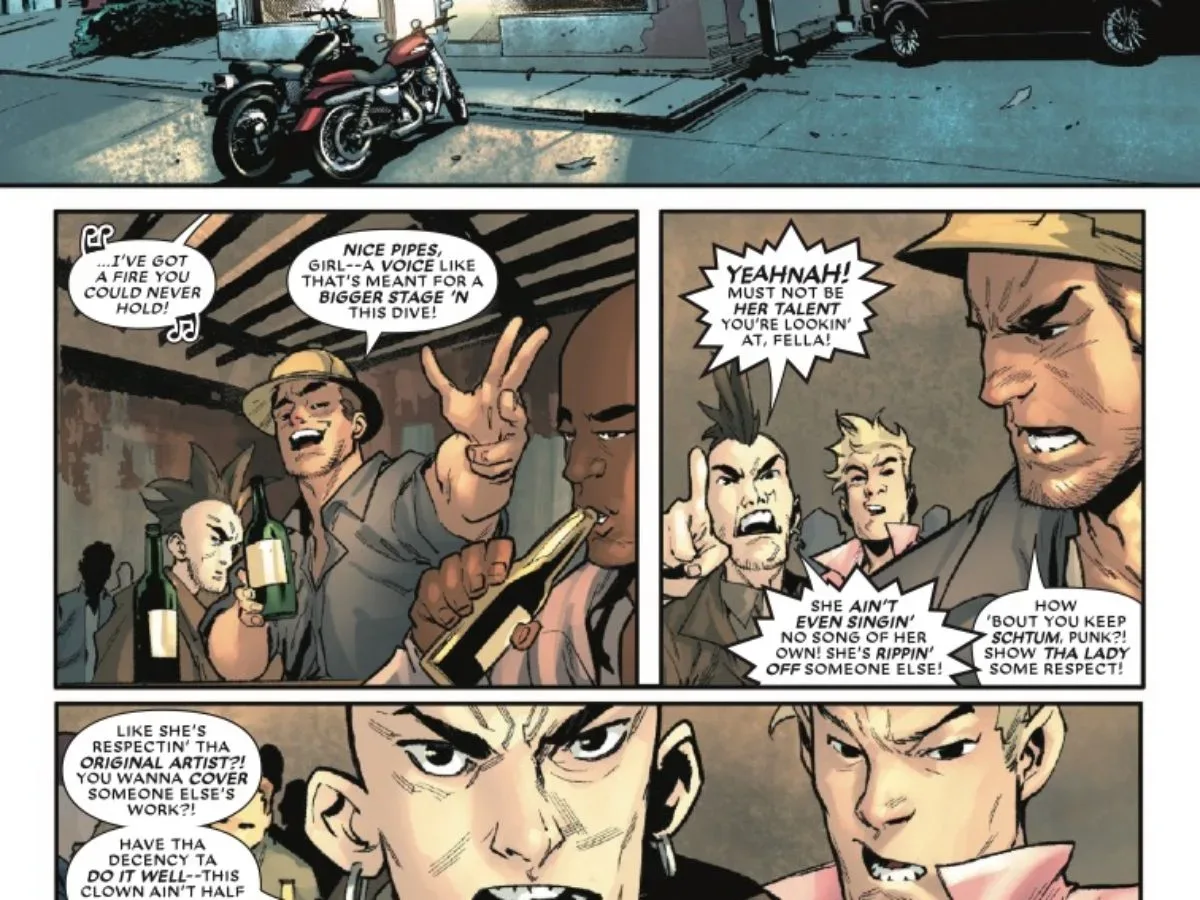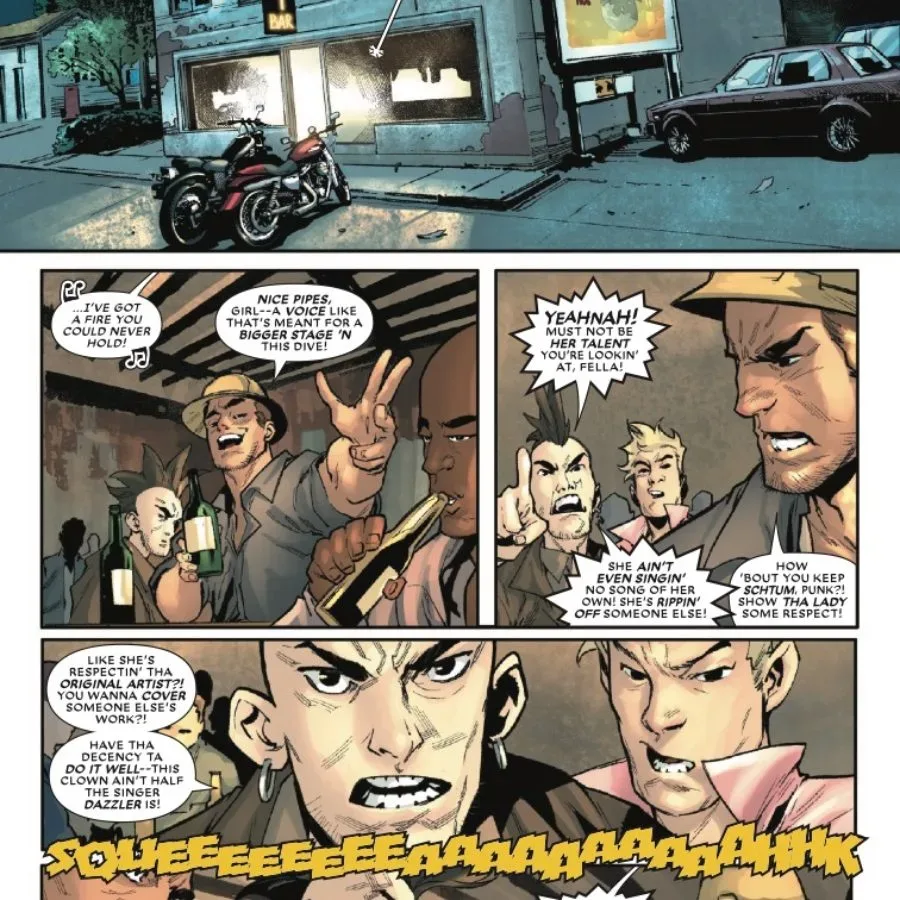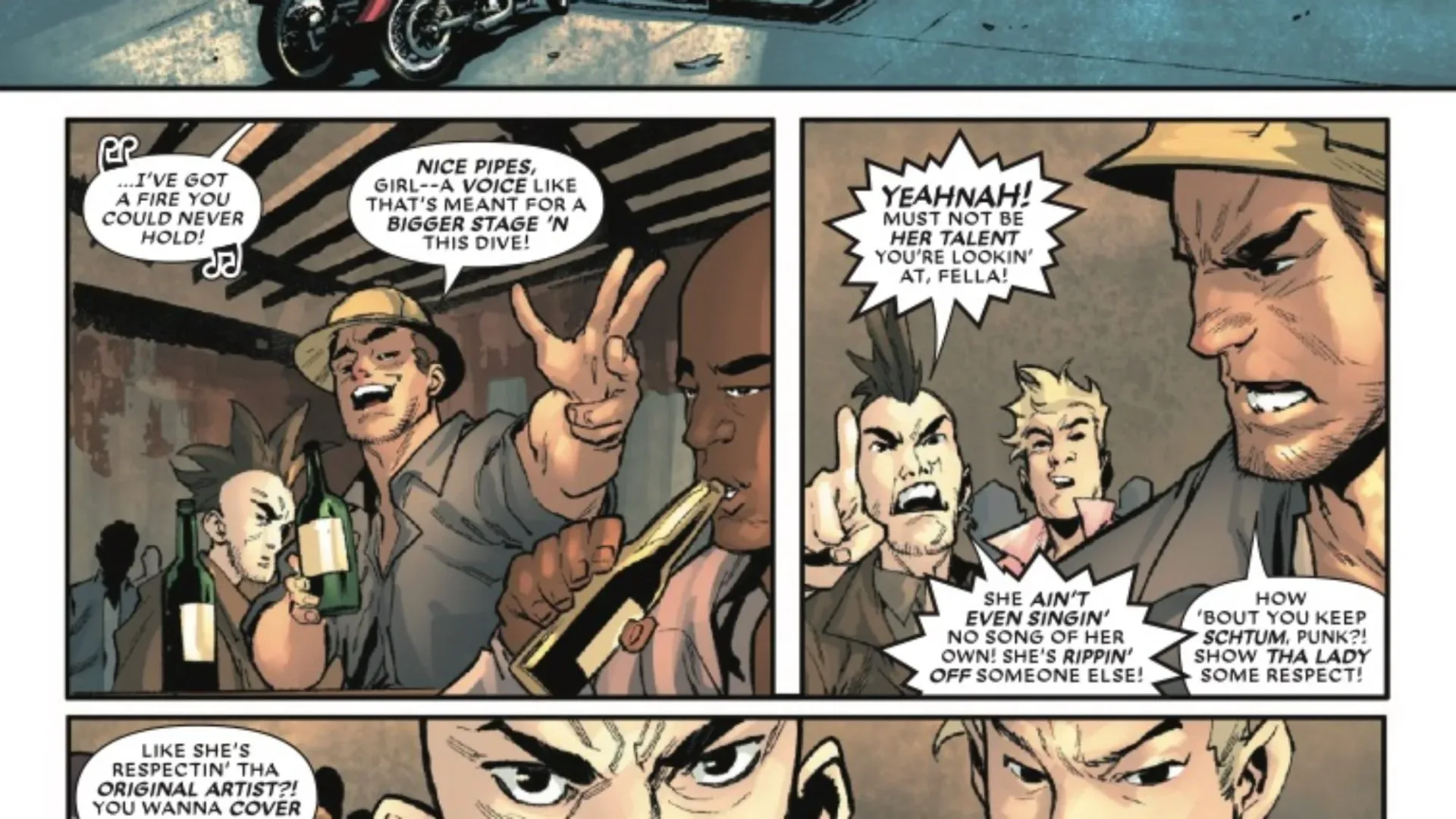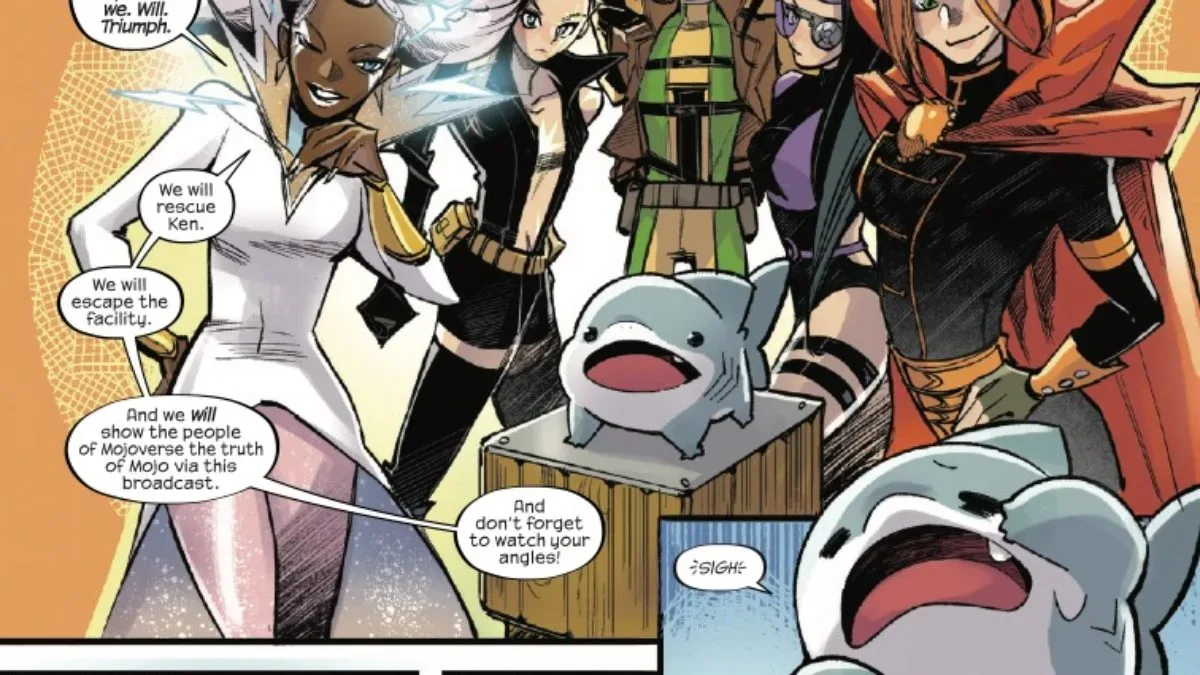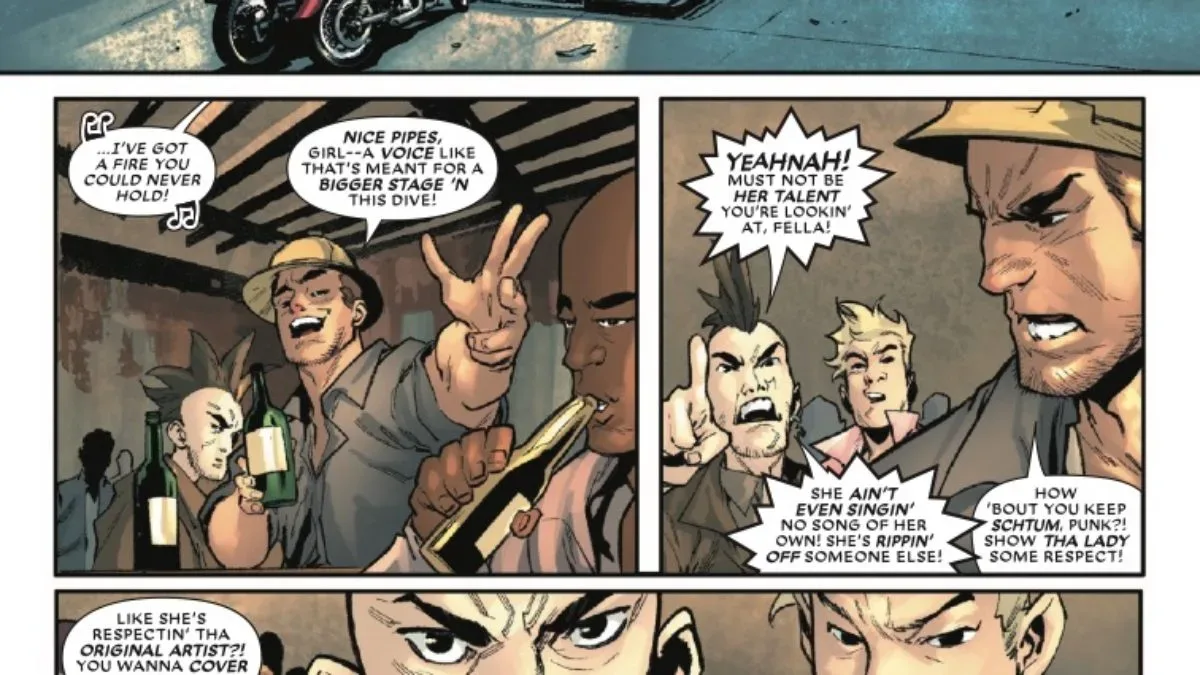
Marvel’s X-Men: Outback #5 is set to turn the team’s presumed deaths into the key constraint of its next mission. The issue, on sale October 21, 2026, finds Mojo responding to the loss of his preferred on-screen attractions by launching a new production: the Murder Video Channel. The X-Men have to stop its deadly spectacle without letting the world know they survived.
That covert objective would be difficult enough before the personal complication at the center of the issue. Mojo’s featured Murder Video star is Cliffhanger, identified in the solicitation as Longshot’s former girlfriend. The setup places a familiar superhero problem—preventing civilians from being harmed—inside a scenario built around exposure, performance and an unwanted reunion.
Mojo Needs a New Main Attraction
The central premise is unusually direct: the world believes the X-Men are dead, while Mojo sees that apparent loss through the lens of programming. He has lost a major draw and wants a replacement. His answer is the Murder Video Channel, a title that makes its intended mix of violence and entertainment unmistakable.
Mojo’s project gives the issue two simultaneous stakes. On the surface, the team must halt murderous mayhem. Beneath that action plot is the question of whether they can operate at all without revealing that the reports of their deaths were wrong. A public intervention might save people but undo the secrecy that currently protects them. Staying hidden, meanwhile, risks allowing Mojo’s show to continue.
That tension makes the word channel important. This is not framed merely as one villainous trap or one isolated crime. The premise describes a media operation, with an audience-facing format and a star. In practical story terms, that can make the conflict broader than defeating a single opponent: the X-Men may need to disrupt the machinery that turns danger into content while avoiding becoming its most valuable guests.
Longshot’s Past Becomes Part of the Mission
Cliffhanger’s place in the solicitation gives Longshot a conflict that is personal rather than purely tactical. She is not only connected to Mojo’s programming; she is its star, and she is Longshot’s ex. Whether she is an ally, adversary, captive, willing performer or something more complicated is not established by the available details. What is clear is that her relationship with Longshot will make the operation less straightforward.
That distinction matters. Longshot cannot approach the situation as a detached rescue or a simple fight when someone from his past is central to the threat. The rest of the X-Men also have to account for how that history affects decisions made under pressure. A covert mission depends on timing, trust and restraint, all of which can be tested when one team member has an emotional stake in the outcome.
The character’s name also fits the issue’s entertainment-industry angle. “Cliffhanger” is a term for an ending designed to leave an audience in suspense and eager for the next installment. Here, it is the name of Mojo’s headline attraction. That is a neat bit of framing: the person most likely to complicate Longshot’s plans is also presented as the figure meant to keep viewers watching.
A Story About Spectacle as a Weapon
“Murder television” is deliberately sensational language, and the solicitation treats that sensationalism as the engine of Mojo’s scheme. The danger is designed to be watched. That makes the premise a darkly comic exaggeration of a familiar media logic: attention becomes the commodity, and escalating stakes become the way to hold it.
Within this setup, Mojo’s desperation is just as significant as his cruelty. He has lost his “meal ticket” in the X-Men, so he develops a replacement attraction. The villain’s motive is not described as conquest, revenge or even personal hatred. It is the need to restore a successful product. That framing creates room for the issue to play with the ugly absurdity of treating real jeopardy as an answer to a ratings problem.
The X-Men’s supposed deaths sharpen that satire. If they emerge openly to stop the broadcast, they potentially become the event Mojo wants. If they remain entirely unseen, Mojo’s channel retains control of the spotlight. The team therefore faces a problem that cannot necessarily be solved through a conventional, highly visible superhero entrance.
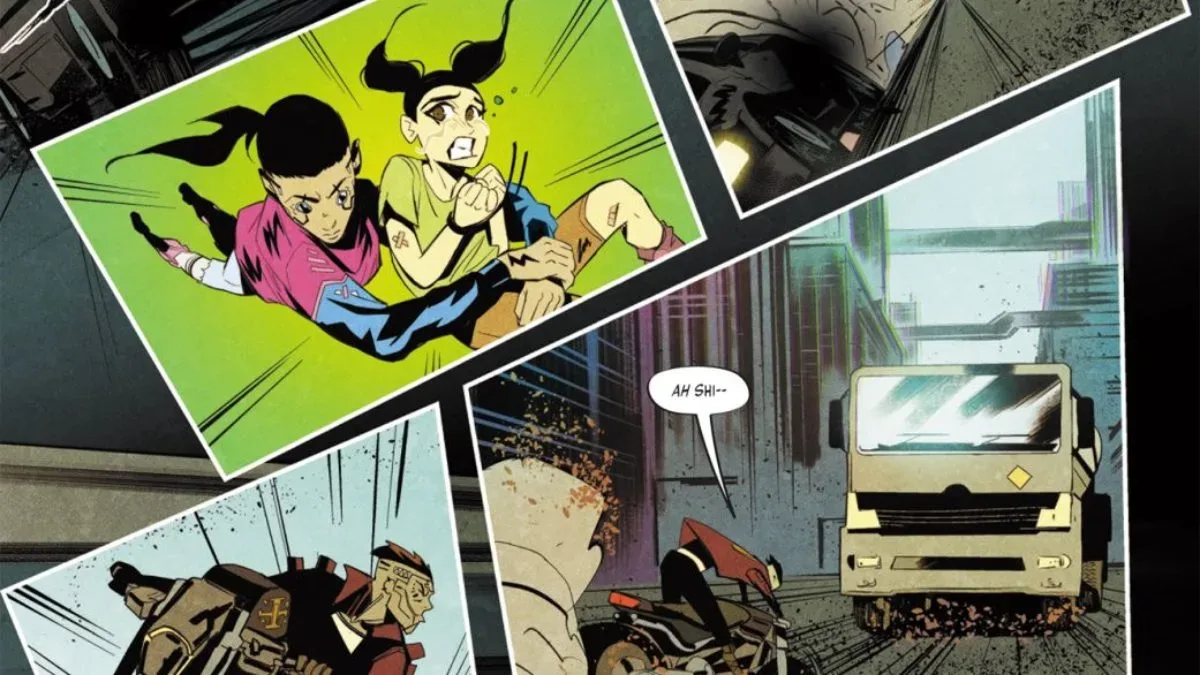
Readers looking for another comic involving murder mystery stakes in a stylized genre setting can also find a different kind of case in Cyberpunk 2077: Jayk’s Case #1. The premise there is noir-oriented, while X-Men: Outback #5 is positioned around Mojo’s deliberately excessive broadcast spectacle.
What “Outback” Means for This Issue’s Premise
The issue’s title points to an X-Men status quo in which the team’s survival is not public knowledge. For a reader coming in from the solicitation alone, the most useful takeaway is simple: secrecy is not background flavor. It is an active limitation on every response to the Murder Video Channel.
That creates a different kind of pressure from an ordinary superhero confrontation. The X-Men may be able to stop a threat, but doing so visibly can create consequences of its own. Their challenge is not solely victory; it is preserving the circumstances that let them act from the shadows. Mojo’s channel, designed around attention, is an especially inconvenient opponent for people trying not to be seen.
The solicitation does not reveal which members of the X-Men will take part, how the channel operates, or what Cliffhanger’s exact role entails. It also does not establish whether the issue resolves Longshot’s history with her or leaves that complication for later. Those unknowns are part of the hook rather than details to assume in advance.
Creative Team, Format and Variant
X-Men: Outback #5 is written by Steve Orlando and drawn by Stephen Segovia, with a cover by Russell Dauterman. It is a 32-page Marvel comic rated T+ and priced at $4.99 in the United States. The listed on-sale date is Wednesday, October 21, 2026.
A Chris Allen variant is also listed at $4.99 in the United States and $6.25 in Canada. The main issue’s listed item number is 75960621530000511, while the Chris Allen variant is listed as 75960621530000521.
For readers following the immediate setup, the essential ingredients are now on the board: a team believed dead, a villain trying to replace them with a lethal television phenomenon, and a star whose past with Longshot could make every decision more complicated. Whether the X-Men can end Mojo’s production without becoming its biggest attraction is the question driving issue #5.