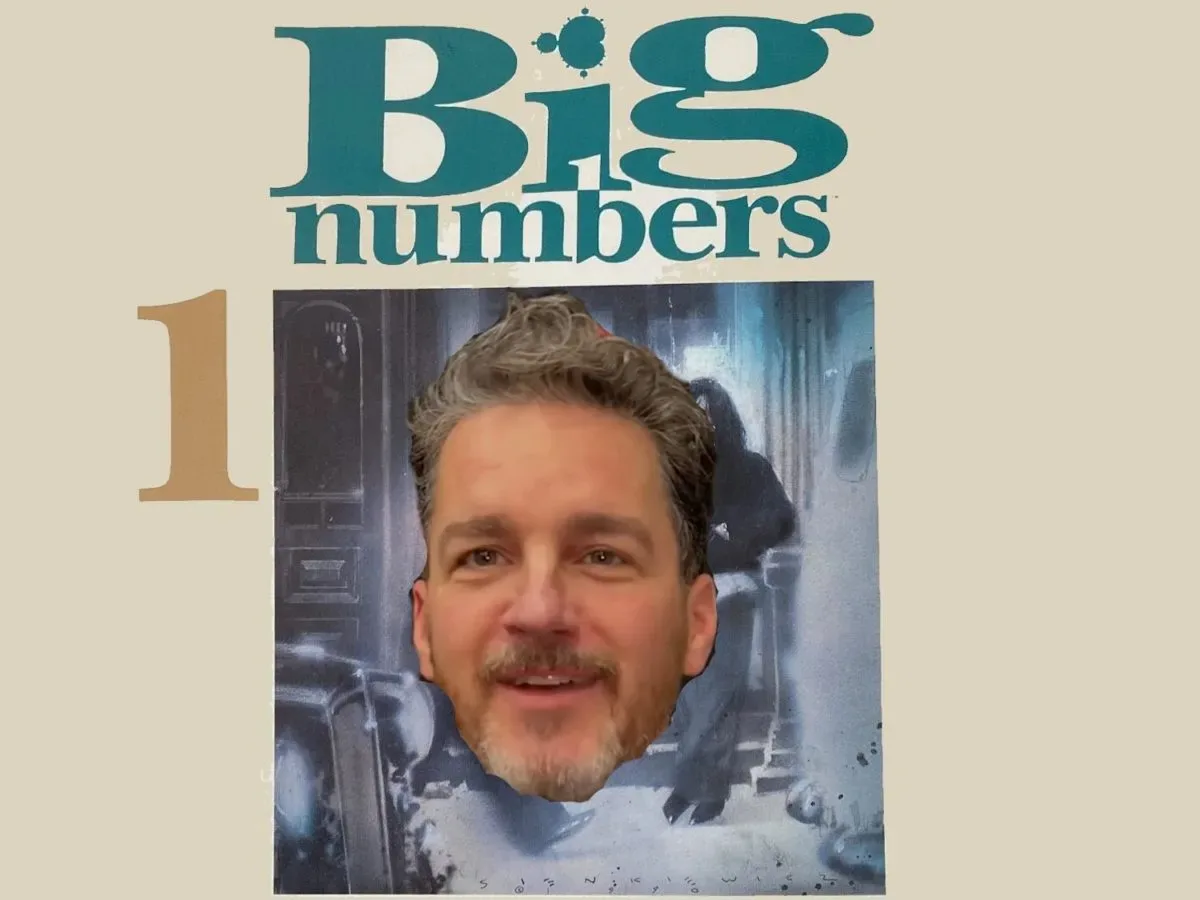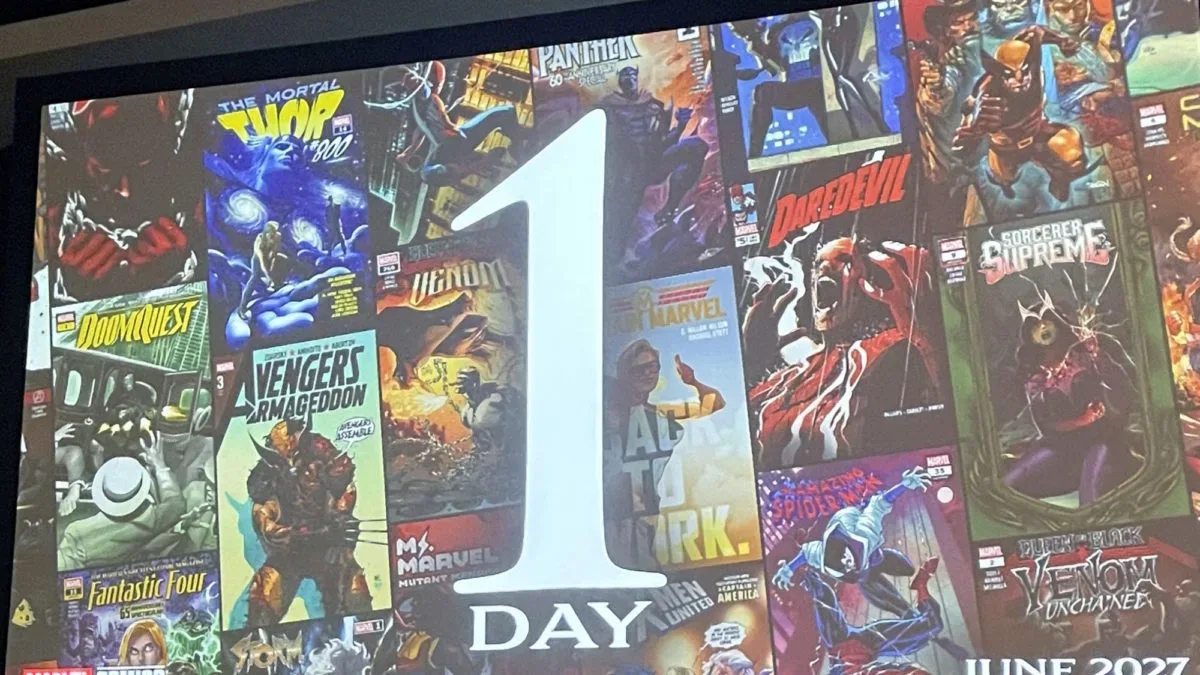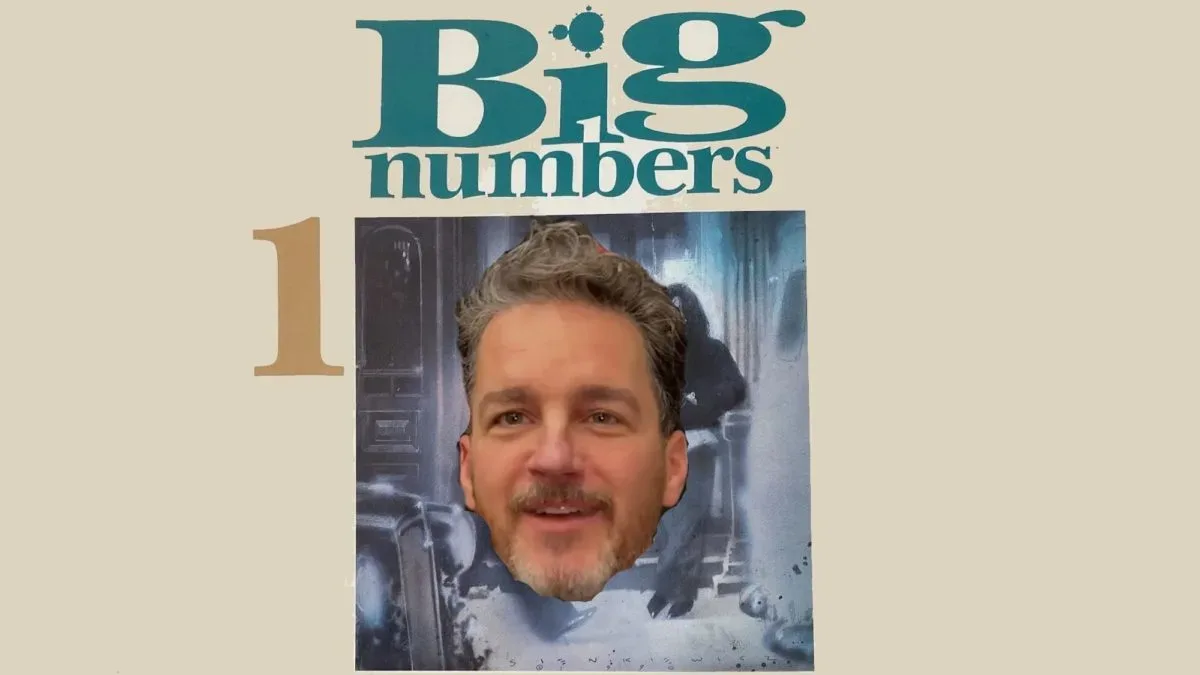
A discussion centered on Steve Wacker and Marvel Comics’ return to big numbers was the most-read item in a daily comics news chart dated October 14, 2026. The result arrived amid an especially Spider-Man-focused stretch of attention: stories tied to Amazing Spider-Man #1001, Peter Parker, Mary Jane, Venom, Aunt May and Mephisto all appeared among the day’s prominent comics subjects.
The phrase “big numbers” needs a little caution here. The available material identifies it as the topic of Wacker’s leading story, but does not spell out what numbers are being revived, how Marvel intends to use them, or what that could mean for any particular series. It is therefore best read as a headline-level indication of a Marvel publishing conversation, rather than a confirmed roadmap for readers or retailers.
Spider-Man remained the clearest attention magnet
Several of the most-read entries orbited Marvel’s Spider-Man corner. Alongside the Wacker item, the list included January 2027 solicitation coverage involving Spider-Man, Venom and Mary Jane, plus an item addressing Mary Jane, marriages, Mephisto, Miracleman and One More Day. The concentration is meaningful even without knowing the full details of each story: Spider-Man news was not limited to a single creative or publishing question on this day. It crossed upcoming solicits, character relationships and continuity-loaded subjects.
Solicitations, in comics publishing, are advance listings that generally identify forthcoming issues and may include creative credits, cover information and story teases. They can become major discussion points because even a short synopsis or an image can invite readers to speculate about the direction of a serial narrative. A January 2027 listing involving Spider-Man, Venom and Mary Jane naturally gives readers a reason to watch beyond the immediate release schedule, though it should not be treated as a complete account of those books until fuller official details are available.
The presence of Mary Jane, marriages and Mephisto in another highly read item also illustrates how quickly Spider-Man conversation can reach long-running continuity debates. Those names and concepts carry substantial meaning for audiences invested in Peter Parker’s personal life, so headlines connecting them are likely to prompt close reading. What the material supports is reader interest in that discussion—not any definitive claim about a specific plot resolution, reunion or status-quo change.
A chart mixing publishing news, market talk and oddities
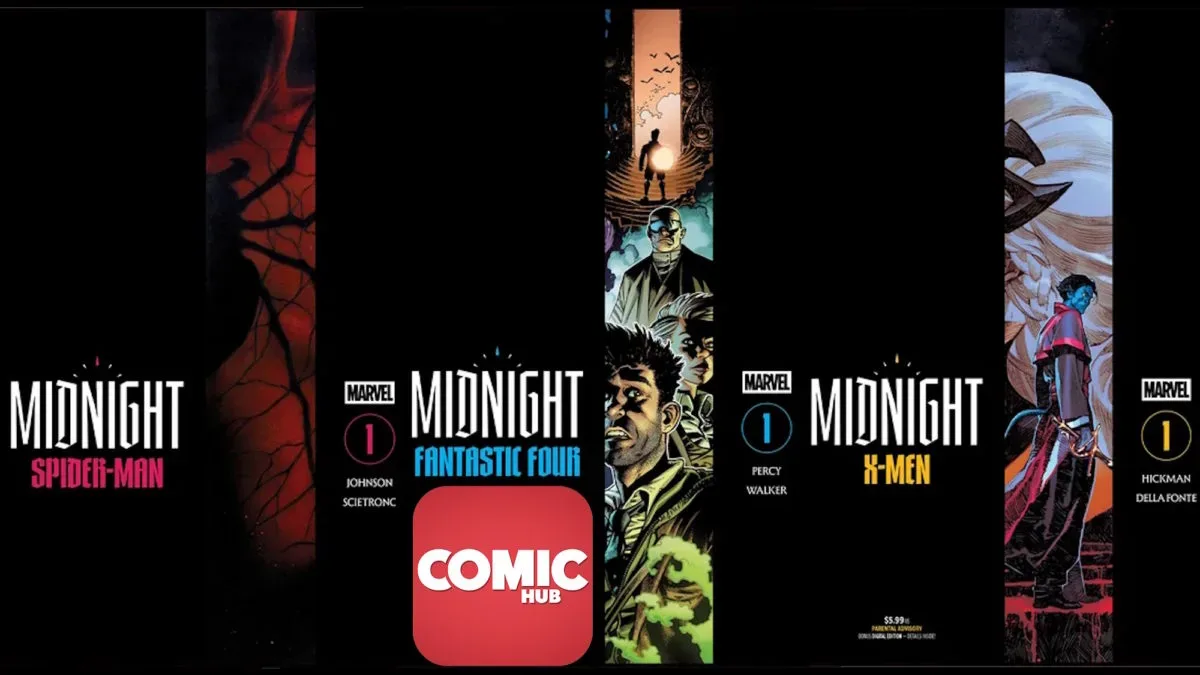
The day’s popular items did not stay exclusively in Marvel territory. A weekly list of hot comics named LEGO Batman and Midnight Spider-Man; other top stories concerned a holiday Shirley Temple-flavored 7UP return, images for Yellowjackets season 4, and an MTV News update. That is a useful reminder that a general pop-culture readership chart measures more than one fandom’s temperature. Attention moves between comics, television, consumer products and entertainment-industry developments.
Two creator-led items also made the list: Clayton Crain’s new comic Out of Hell, described as launching completely free, and Mark Millar’s discussion of his missing War Heroes project, a comic involving U.S. and Iranian supersoldiers. These entries point toward an appetite for news that reaches beyond monthly superhero continuity. Readers are also following what creators are making, revisiting, releasing in unusual ways or explaining after a long absence.
Comic-market coverage similarly appeared in the surrounding news slate. One item concerned a costly black-and-white version of Batman: The Killing Joke; another noted that Crossed #0 had sold for $300 on eBay while remaining available for $35 elsewhere. Those details are a good practical lesson for collectors: a single marketplace sale is not, by itself, a universal price guide.
Why one sale does not establish a comic’s value
In collecting, an asking price is what a seller hopes to receive. A realized price is what a buyer actually paid in a completed transaction. Neither necessarily describes the value of every copy. Condition, edition, timing, listing presentation and buyer urgency can all affect an individual sale. The contrast reported for Crossed #0 is especially useful as a warning against treating a notable eBay result as a command to immediately spend the same amount elsewhere.
For readers, market stories can be entertaining without becoming purchase instructions. Comparing available copies, checking which edition is being offered and separating a sold listing from an active listing are more grounded habits than chasing a headline. The available information does not establish condition details for either cited price, so it cannot support a direct like-for-like valuation.
Chef José Andrés and the X-Men broaden Marvel’s conversation
Another notable result was the confirmed news that chef José Andrés will join the X-Men in 2027. It is a striking headline because it links a real-world public figure to one of Marvel’s flagship teams. Beyond the stated 2027 timing and the confirmation that he will join the X-Men, however, the supplied information does not identify the comic, creative team, format or narrative circumstances. Those unanswered details matter, and readers should resist filling them in from the headline alone.
Still, its place near Spider-Man, Venom and Mary Jane stories shows the breadth of Marvel material that can compete for attention in a single news cycle. A daily top 10 can be driven by established serialized drama, future solicitations, creator conversations and unexpected character-adjacent crossovers all at once.
What the retrospective list says—and does not say
The daily roundup also looked back at popular stories from the same point across the previous eight years. The retrospective touched on Doctor Who, DC’s publishing plans, Pokémon Trading Card Game market coverage, ThunderCats, Fortnite, Magic: The Gathering, Star Wars, Superman, Batman and earlier Spider-Man marriage conversation.
That long view reveals a recurring pattern: enduring franchises draw attention when they present uncertainty, change, a new release, a collectible-market wrinkle or a question about the next status quo. But it should not be interpreted as a clean popularity ranking across eight years. These are snapshots of what readers were opening on particular days, shaped by the stories available and the news climate at the time.
For example, one year-back entries included speculation around Doctor Who, DC’s “Next Level” plans and Pokémon TCG values. Two-year-back headlines covered Absolute Batman #1, Wolverine and Hulk merchandise, Transformers figures and a new Ultimate Hawkeye discussion. Farther back, the roundup captured news around a new ThunderCats series, Marvel replying to a letter about Spider-Man’s marriage, and a report that Fortnite had ended in a way that caused Twitch errors. These are different kinds of stories, but they share a common advantage: they offer readers either a concrete change or a question worth debating.
What readers can take from the October 14 list
The immediate takeaway is not that every listed subject is equally significant to comics publishing. Rather, the chart shows how a major Marvel discussion can sit alongside retailer-facing market chatter, advance solicitations, creator news and broader entertainment stories. Steve Wacker’s “big numbers” discussion took the top spot, but Spider-Man-related interest was distributed across several entries rather than confined to one headline.
- Confirmed from the chart: the Wacker/Marvel “big numbers” discussion led the day’s readership, and Spider-Man-related topics occupied multiple high-interest slots.
- Worth watching: further information on the January 2027 Spider-Man, Venom and Mary Jane solicitations, plus details of José Andrés’ 2027 X-Men appearance.
- Not established here: the precise meaning of Marvel’s “big numbers,” a specific Spider-Man relationship outcome, or a reliable universal market value for Crossed #0.
For a sense of the wider October 14 release-day competition for people’s attention, see our games releasing today roundup. Comics do not operate in a vacuum: the same audience may be tracking new issues, TV news, card prices and game launches in the same day.