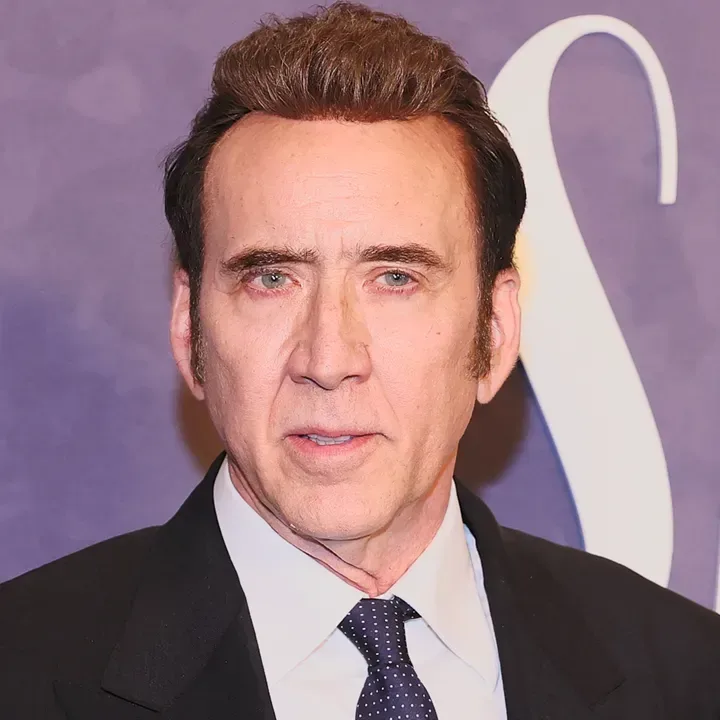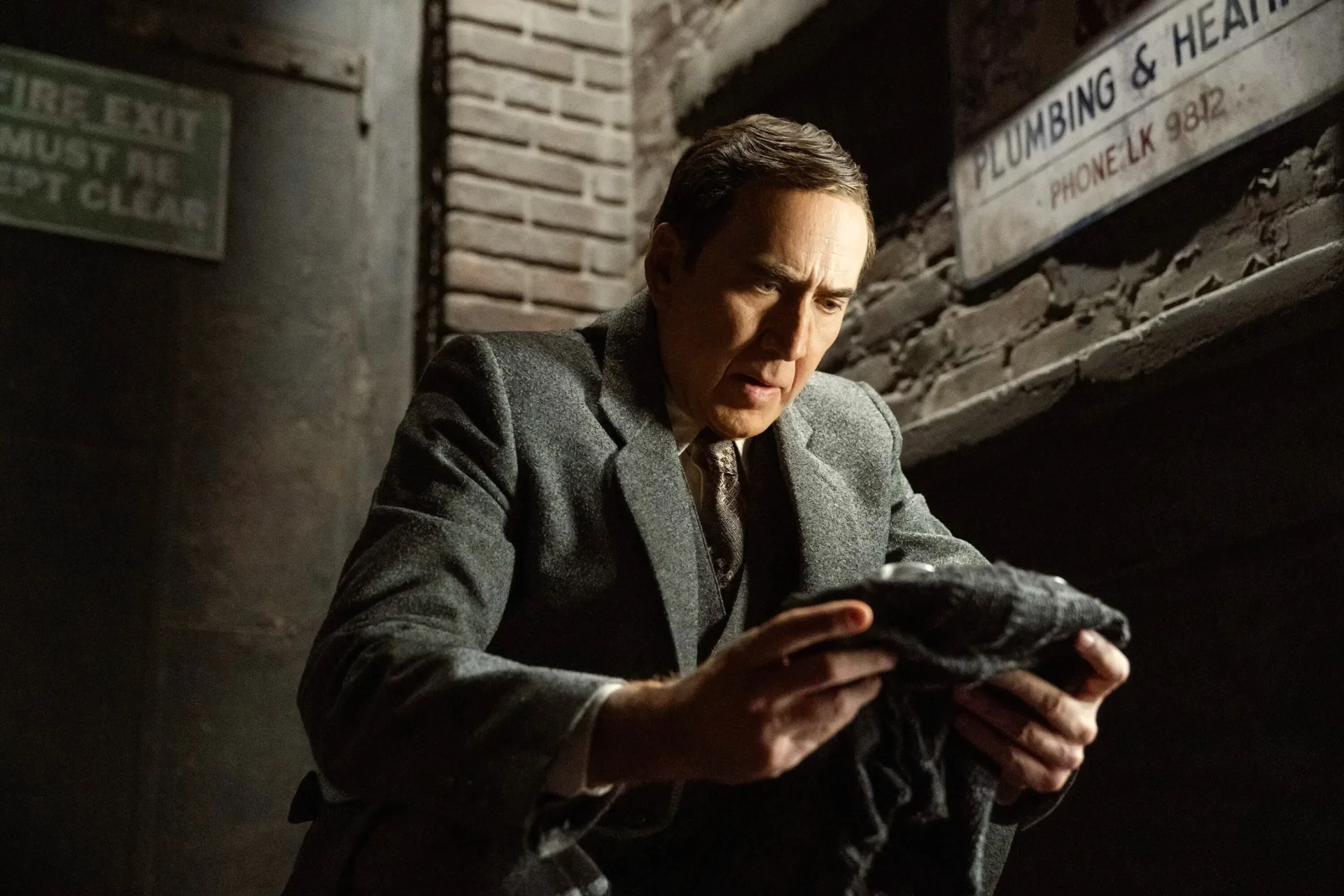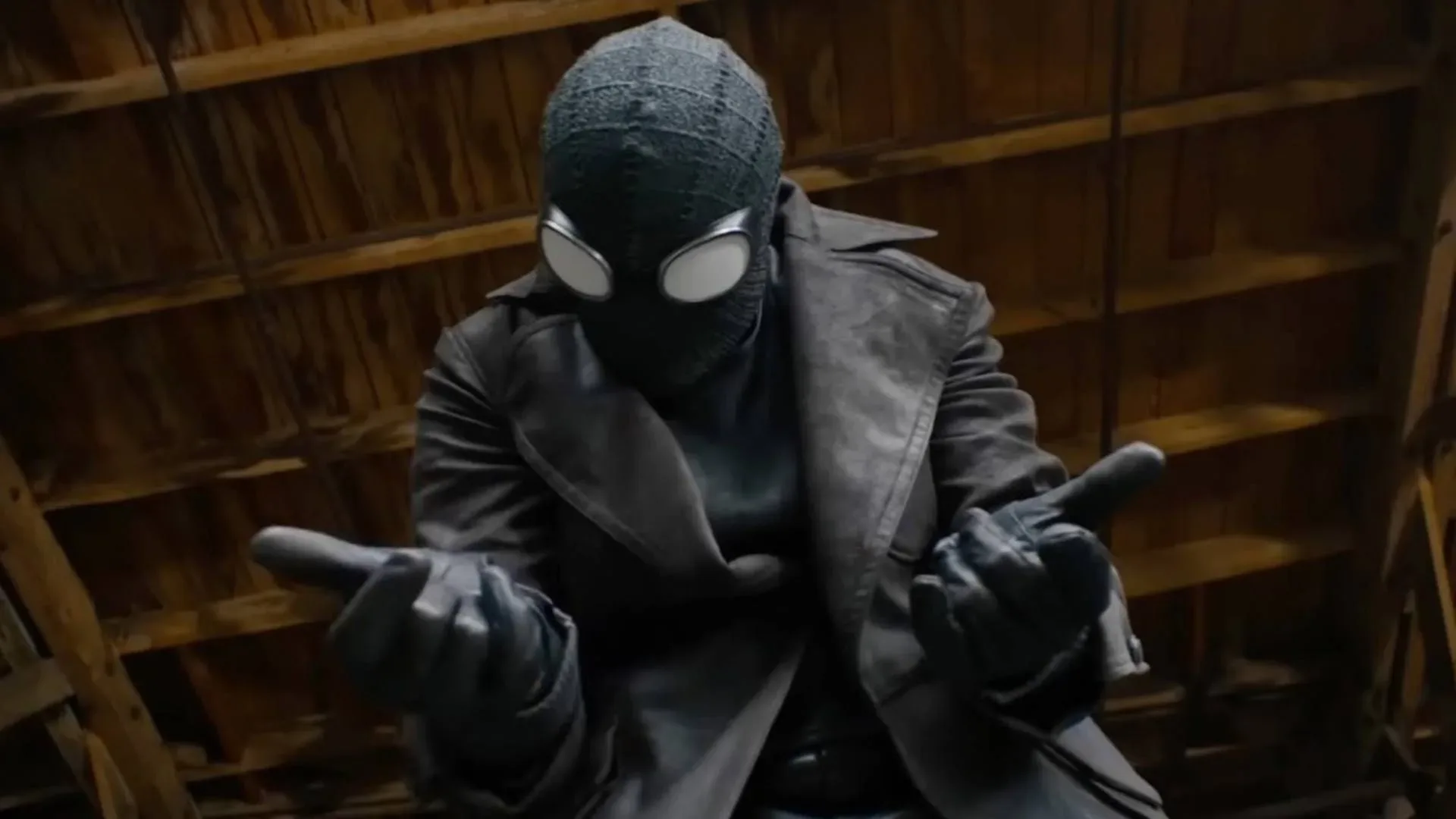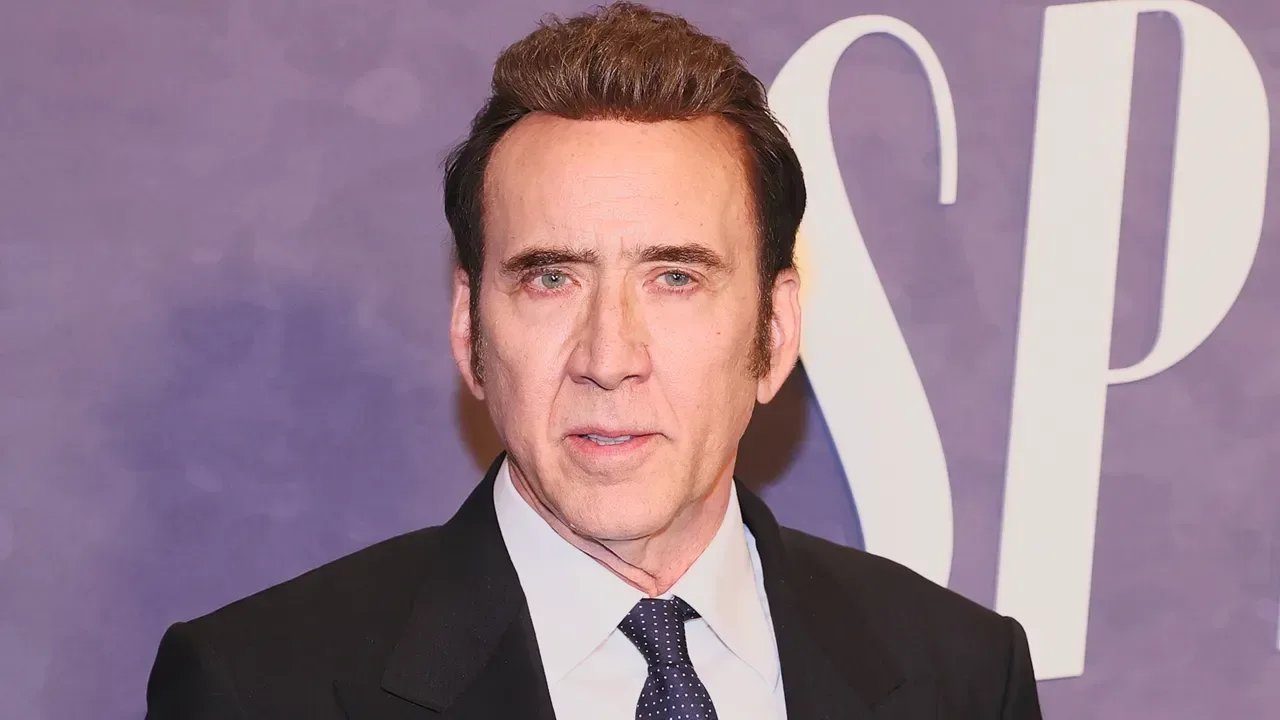
Nicolas Cage has drawn a sharp personal boundary around artificial intelligence and screen performance. Speaking at New York Comic Con 2026, Cage said he declined to sign a waiver concerning AI use on Spider-Noir, the live-action Marvel project that was canceled last month, and suggested that decision could end his relationship with Amazon.
“Amazon is a very AI-friendly company, to the tune of $50 billion invested in OpenAI. I’m not an AI-friendly actor,” Cage said. “I’m not part of their club. I didn’t sign the waiver to use AI on Spider-Noir. I’ll probably never work with that studio again, but that’s OK.”
The statement is notable not because it offers a complete picture of the proposed waiver—it does not—but because it makes Cage’s position unusually explicit. He is not simply expressing unease about AI in the abstract. He says he refused consent for its use in connection with a specific production, even as he was attached to play its central character.
Spider-Noir had been set up as a live-action take on Marvel’s noir-flavored Spider-Man concept, with Cage’s involvement extending a relationship with the character that also includes his voice role in the animated Spider-Verse films. Its cancellation means viewers will not see where that particular production might have gone. But Cage’s comments ensure that the discussion around it now extends beyond one canceled season or one superhero role.
What an AI waiver question can mean for an actor
An AI waiver, in the broad sense, is a consent document that can address permissions related to artificial-intelligence tools. The details of the Spider-Noir waiver have not been provided, so it would be wrong to state exactly what uses it covered, how long any permission would have lasted, or whether it would have allowed a digital replica of Cage.
That missing detail matters. “AI” can describe very different technologies and production practices. In a performer context, the subject may involve the handling of a person’s image, voice, recorded dialogue, facial movement, performance data, or material used to create a synthetic or altered output. A waiver can therefore become a question of scope: what is being authorized, for which project, in what form, and under what future conditions?
Cage’s objection centers on a deeper creative issue. An actor’s work is not only a final image on a screen. It is the combination of choices in voice, timing, expression, physicality, reaction, and interpretation. Any discussion of using AI in relation to that work immediately raises questions about control and attribution—even when the full contractual terms are unknown.
For audiences, this can sound technical until it is framed more simply: if a performance can be modified, reproduced, or used as input for a new result, who gets to decide? Cage’s answer is clear in his own case. He chose not to sign.
Related coverage includes Nicolas Cage Says He May Never Work With Amazon Again After Rejecting Spider-Noir AI Waiver.
Cage’s view has been consistent
This is not Cage’s first warning about artificial intelligence. He spoke against it at the Saturn Awards in early 2025, arguing that machines cannot convey the human condition in the same way artists can. He warned that allowing AI to manipulate a performer’s work, even in a small way, could lead creative integrity to give way to financial priorities.
He had also described himself as “terrified” by AI in 2024. His latest comments are consequential precisely because they connect that long-running concern to an employment decision. Saying that he will “probably never work with” Amazon again is not an absolute declaration of every future possibility, but it is a strong indication that the divide is practical as well as philosophical.
There is an important distinction here. Cage has not said that every digital tool is identical, nor has he publicly detailed the language he was asked to accept for Spider-Noir. The available information supports a narrower conclusion: he rejected this AI-related waiver, objects to AI’s role in acting, and sees the issue as serious enough to potentially forgo future work with the company.
That precision is useful. Conversations about generative AI often collapse into a vague argument over whether technology is “good” or “bad.” Contractual consent is more concrete. A performer may want to know whether a use is limited to one production, whether it can be expanded later, and whether the person has a meaningful chance to approve or decline it. Those are not merely technical questions. They determine how much agency remains with the artist whose work makes the material possible.
The Spider-Noir cancellation changes the immediate stakes, not the broader issue
Cage’s involvement with the live-action Spider-Noir project is over following its cancellation. Shortly after that news, he characterized one season as sufficient for what he wanted to express through this “dangerous, innovative, pop-art Spider-Man,” adding, “Onwards, upwards, inwards.”
That reaction suggests Cage was able to regard the project as a completed creative statement on its own terms. Yet his comments about the waiver make clear that any hypothetical return was not simply a matter of renewing a role. For him, the AI issue represented a limit.
The separation is worth emphasizing. A canceled show normally prompts questions about storylines, fan interest, schedules, and whether another platform could revive it. Here, the conversation also involves the conditions under which an actor participates at all. The fate of Spider-Noir does not reveal what future contracts will say, but Cage’s refusal gives performers and viewers a visible example of someone treating AI authorization as a non-routine decision rather than a box to tick.
That is particularly relevant to comic-book adaptations, where characters can outlast individual casts and appear in multiple forms. A character’s continuity is valuable to a franchise; an actor’s distinct performance is valuable to an audience. Those two facts can coexist, but they can also create pressure when technology makes a likeness or voice seem easier to reuse. Cage’s stance insists on keeping the performer’s consent in view.
Why Cage’s support for Kane Parsons fits the same argument
At the same convention appearance, Cage also praised filmmaker Kane Parsons, the YouTuber-turned-director associated with Backrooms. Parsons has previously spoken about harmful consequences he believes generative AI has had on society.
Cage said he wants to work with younger, Gen Z filmmakers making things “from scratch by hand,” whether their path comes through YouTube culture or elsewhere. The phrase should not be read as a technical definition of how every modern production is made; filmmaking remains a collaborative process involving numerous tools. But the value Cage is highlighting is unmistakable: human-made work, developed through individual initiative and creative labor.
That preference supplies a positive side to his criticism. His objection is not presented merely as resistance to change. He is also pointing toward creators whose work he sees as authored by people rather than outsourced to automated generation. In that light, the dispute over an AI waiver becomes part of a wider argument about where artistic identity originates and who should hold the power to shape it.
What comes next for Cage and Marvel
Although the live-action Spider-Noir project has ended, Cage’s connection to the wider Marvel universe is not finished. He is expected to voice the character again in Spider-Man: Beyond the Spider-Verse, currently identified for 2027. Voice acting brings its own creative demands, and Cage’s public stance makes consent around any technology touching a voice performance a particularly salient subject.
Outside Marvel, Cage is attached to portray John Madden in Madden, described as what may be his final project with Amazon MGM. He is also expected to appear in the next season of True Detective. Those projects show that his schedule is moving forward even as he signals a potential break from Amazon after the work already connected to it.
For fans following entertainment’s AI debate, the key takeaway is not that one actor can settle an industry-wide question. It is that Cage has made a clear individual choice under circumstances where the underlying agreement is not public. He declined the Spider-Noir waiver, framed the decision as incompatible with his view of AI and acting, and indicated he is willing to accept the professional consequences.
That leaves the larger issue unresolved but more visible. The most meaningful questions are likely to remain specific: what permission is requested, what creative material is covered, who retains control, and whether a performer can say no without ambiguity. Cage has supplied his own answer to the last question—and, in this case, it was no.
For more on the consent questions raised by Cage’s comments, read our look at the Spider-Noir AI waiver dispute.