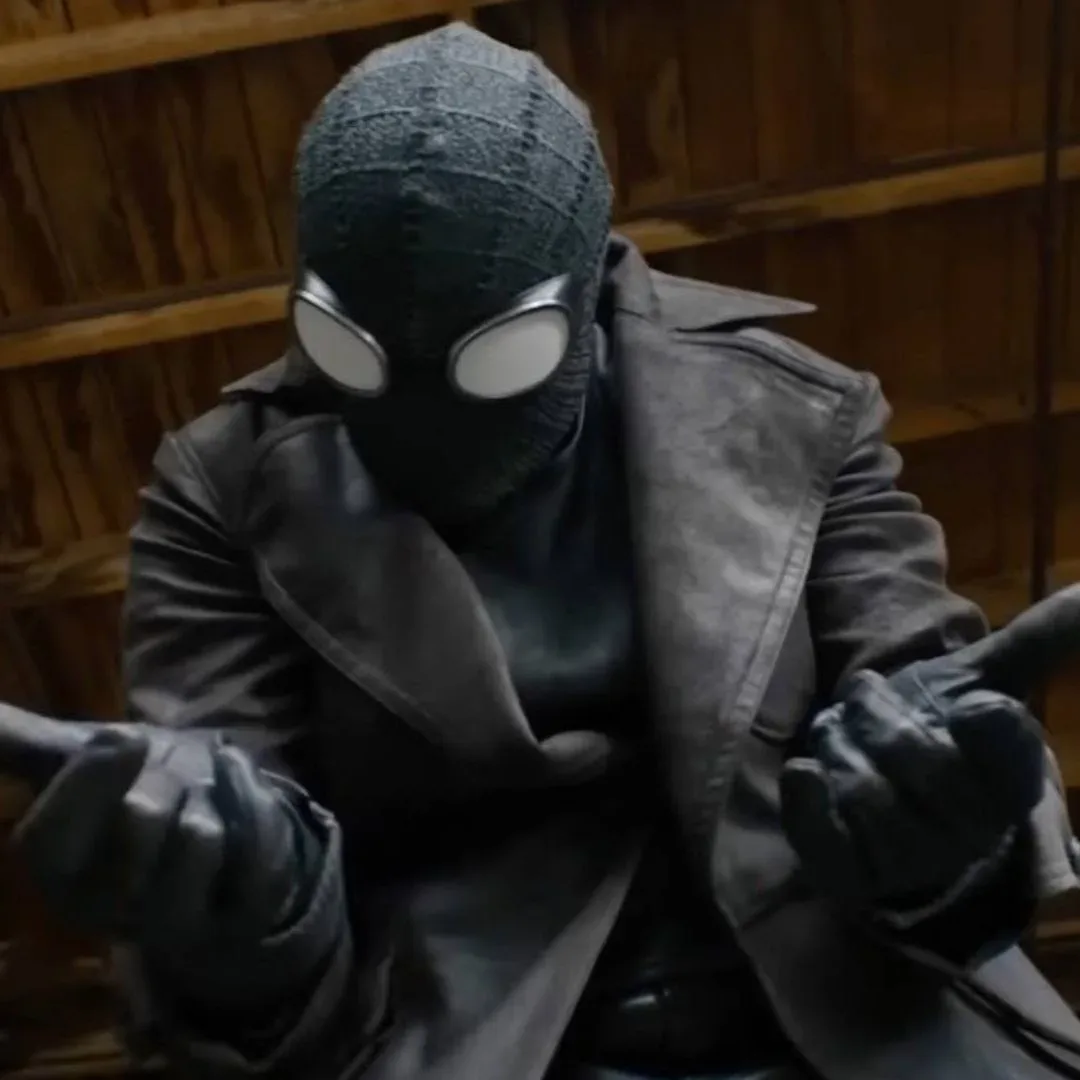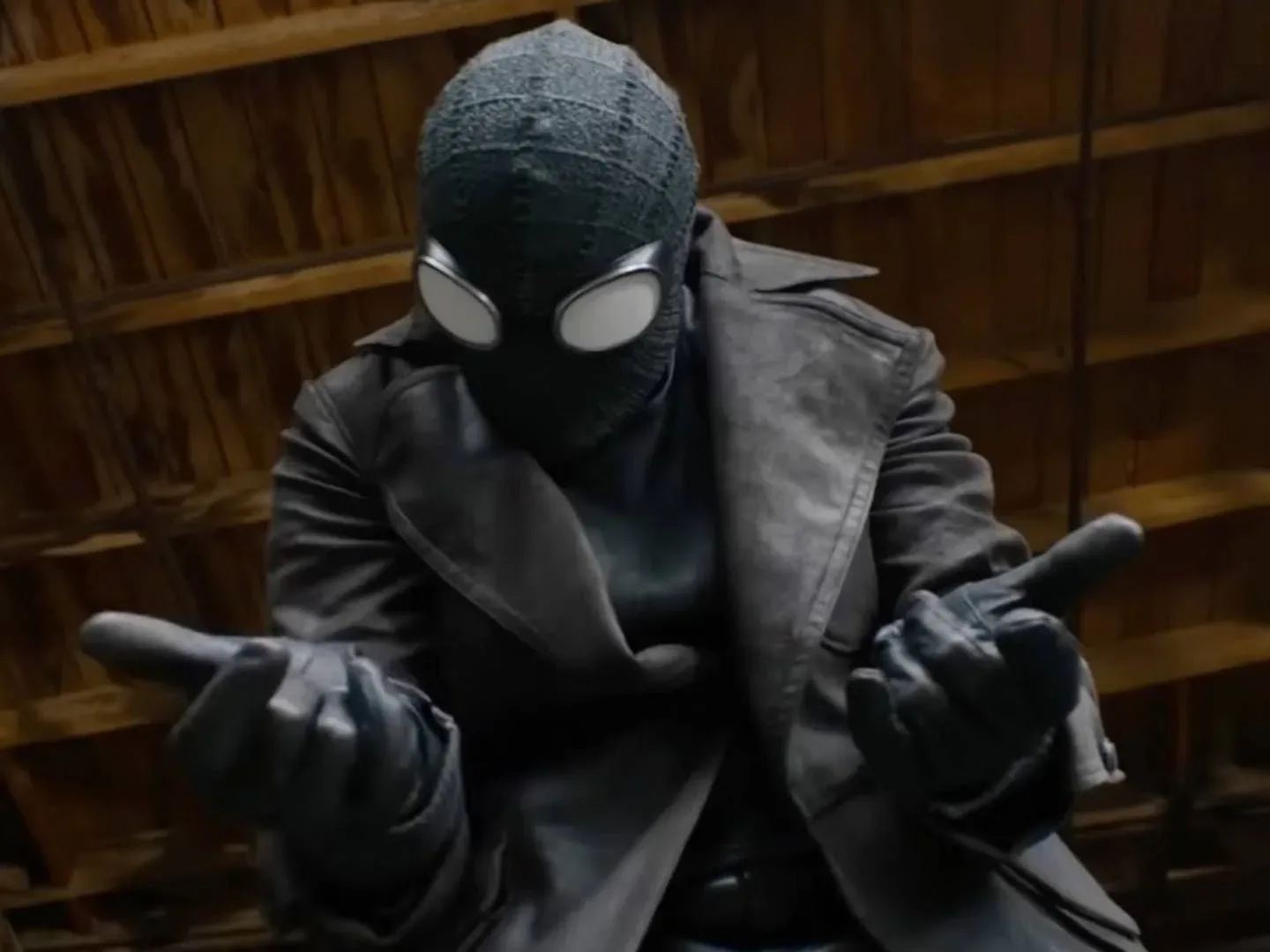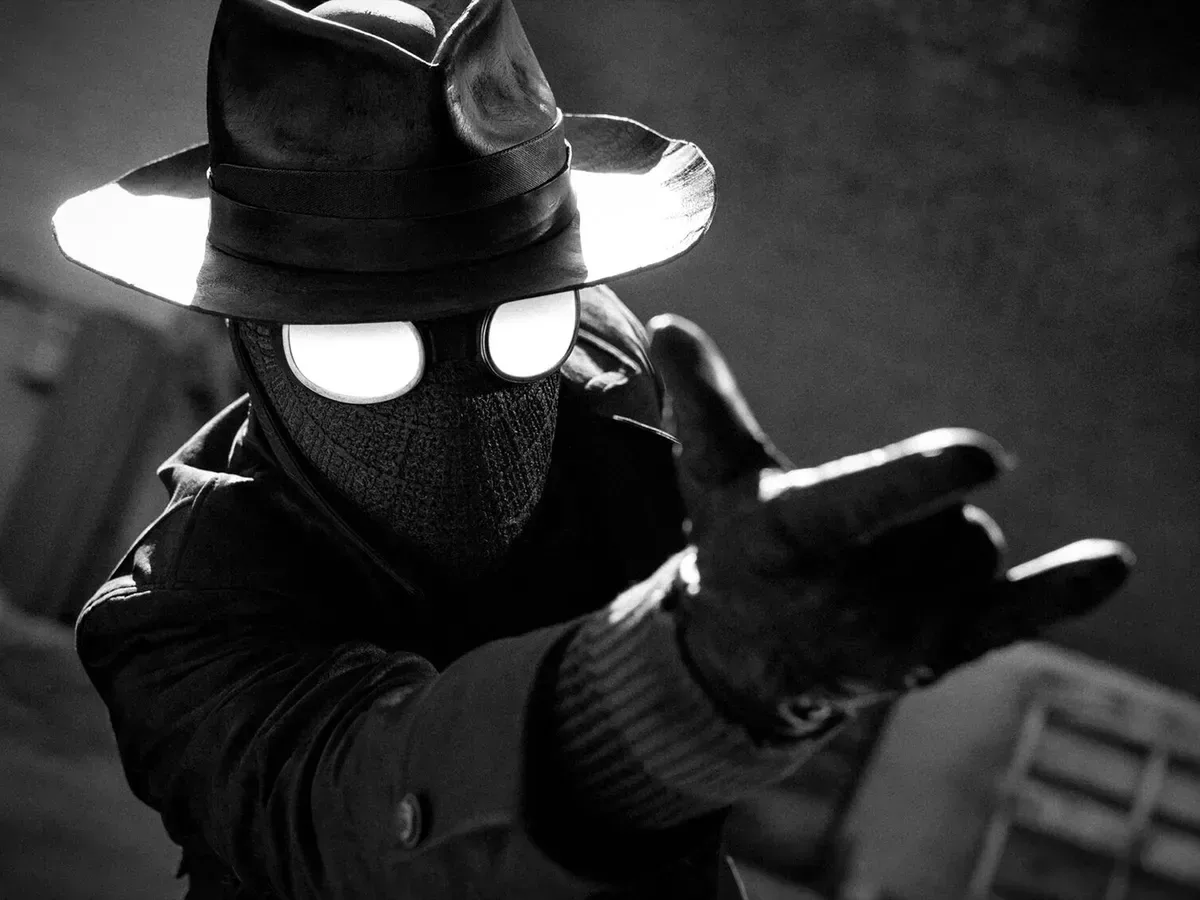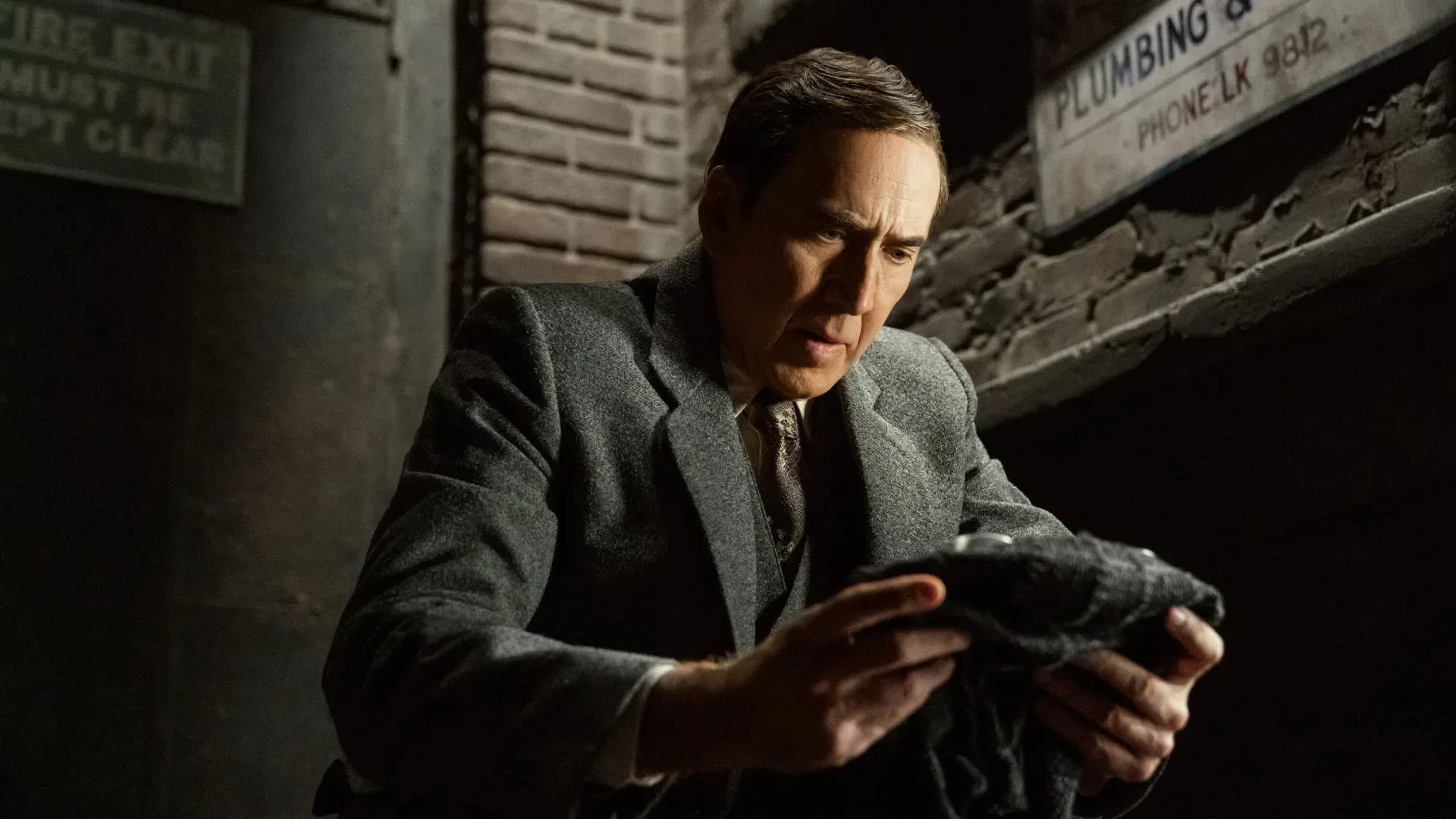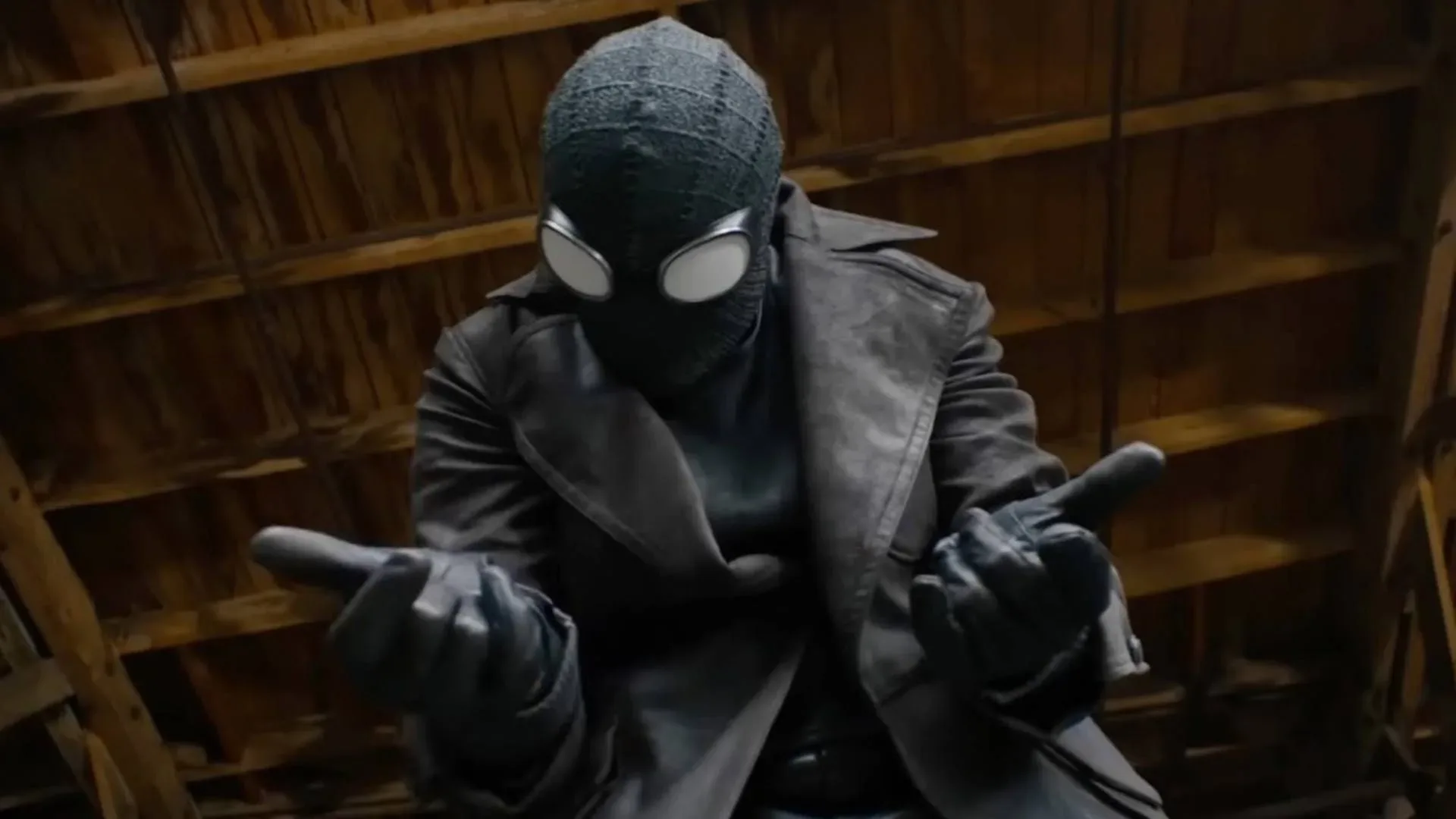
Spider-Noir will remain a one-season case file, but its creative team had already identified a compelling direction for the next mystery. Showrunner Oren Uziel has discussed the broad shape a potential second season could have taken following the cancellation of the Nicolas Cage-led series. No scripts for a follow-up had been started, so these are possibilities rather than abandoned episode plans. Still, they reveal how much thematic ground the period superhero detective drama might have covered beyond its first story.
The key idea was movement: a new place, a different branch of noir, and a 1930s setting that could eventually collide with the upheaval of World War II. Uziel pointed to both Los Angeles noir and European noir as possible creative wells. That is an intriguingly expansive notion for a Spider-Man-adjacent show built around a hard-boiled investigator, because the noir label is less a single setting than a mood, a visual language, and a way of seeing institutions as unreliable shadows.
For fans who hoped Nicolas Cage’s Spider-Noir might spin a bigger web after season 1, the comments offer a glimpse of a road not taken. At the same time, Uziel has emphasized that the series was deliberately designed to end cleanly. Its central case reaches a resolution, rather than leaving viewers with a cliffhanger intended to force a renewal. Cage has similarly responded to the cancellation by saying that one season was perfect.
A second season was an idea, not a production already in motion
It is important to separate creative ambition from a season that was actively being made. Uziel said the team had not begun writing season 2. The possibilities he described are therefore best understood as a conceptual map: other cities, other noir traditions, and the changing world beyond the 1933 starting point.
That distinction matters because television cancellations are often discussed as though a fully planned continuation has been erased at the last minute. Here, the more accurate picture is that season 1 had a complete story, while its creator could see where another installment might have gone if the opportunity had appeared. A fresh case in a fresh location would also fit the private-eye structure particularly well. Detective fiction has long been adaptable that way: resolve one client’s problem, let the detective carry the scars and lessons forward, then introduce another door, another office, another person with a secret.
That model could have preserved the show’s identity without simply trying to make its first mystery bigger or louder. Rather than treat a second season as an epilogue to an unfinished plot, it could have become a new noir chapter with its own setting, suspects, moral compromises, and menace.
Why Los Angeles and Europe make sense for noir
Los Angeles is one of noir’s essential landscapes. The city’s screen legacy is full of contrast: money and desperation, sunny exteriors and dark interiors, promises of reinvention and systems that grind people down. A 1930s Los Angeles-set Spider-Noir story could potentially have broadened the show’s perspective while remaining firmly inside the genre’s traditional territory.
European noir opens an even wider set of dramatic possibilities. It could mean a change in architecture, politics, social structures, police power, criminal networks, and the kind of danger facing an outsider. It also naturally connects to the historical pressure Uziel identified. Starting in 1933 means the calendar is not background decoration. The decade moves inexorably toward war, and a noir tale set during that period can draw tension from characters who may not yet know precisely what is coming, even as modern audiences do.
None of that confirms particular countries, villains, supporting characters, or plots. Those details were not outlined. But the premise suggests a second season might have treated history as an encroaching force rather than merely an aesthetic. Spider-Noir’s world would not have stayed still. The shadows would have lengthened because the era itself was changing.
The appeal of that route is not simply putting a masked hero in a new backdrop. It is using noir’s distrust, isolation, and moral pressure to examine a world approaching catastrophe.
That could have made a continuation meaningfully different without abandoning the central concept. Period superhero stories can sometimes be tempted to use their date and costumes as surface flavor. A World War II-adjacent direction, by contrast, has the potential to make the period central to the stakes. Whether a Spider-Noir narrative should lean into that scale is a separate creative question, but it is easy to understand why the era appealed to Uziel as a story engine.
The finished ending changes the meaning of the cancellation
Cancellation news is usually accompanied by a familiar frustration: audiences are asked to invest in a mystery, then discover the mystery has no ending. Spider-Noir avoids that particular sting. Uziel described season 1 as a closed-ended story, shaped in the spirit of old detective noirs in which the case begins when a client arrives and concludes when the investigator solves it.
That is not merely a practical consolation after the fact. It is also a form suited to noir. The genre thrives on contained investigations: an apparent problem develops hidden layers, the detective enters increasingly dangerous territory, and the solution exposes a truth that may not feel remotely triumphant. The end can be grim, compromised, or unsettling, but it is still an end.
For viewers deciding whether to start the series now, the lack of a dangling cliffhanger is useful information. One season can be approached as a complete serialized mystery rather than the incomplete first piece of a larger machine. That is increasingly valuable in a streaming environment where a renewal is never a certainty, even for recognizable superhero properties.
It also makes Cage’s reaction easier to read as more than simple optimism. Calling one season perfect does not erase the unused possibilities, but it recognizes that a self-contained story has its own artistic completeness. In an entertainment landscape that often measures success by sequel potential, a properly finished one-season run can be a rare thing.
The business questions remain largely unanswered
No official explanation for the cancellation has been publicly given. Reporting has indicated that the studios involved wanted stronger streaming performance, particularly in light of a reported budget of roughly $400 million. That reported figure and the performance expectations surrounding it should be treated carefully: without a formal detailed explanation, neither provides a complete account of the decision.
The release pattern may also have complicated the show’s path. Spider-Noir first aired on MGM Plus, then arrived on Prime Video in a full-season drop instead of following the more familiar weekly rollout. That is an unusual route for a major series and makes straightforward comparisons with other streaming launches difficult. Different platforms, timing, marketing windows, subscriber behavior, and binge viewing habits can all affect how a show’s audience is perceived.
It would be a leap to assign cancellation to any one of those factors. A reported budget, an unconventional distribution plan, and an apparent desire for higher viewership can coexist without proving a single direct cause. What is clear is that the show’s one-season status does not reflect a lack of potential settings. Uziel’s comments make the opposite case: the creative framework had plenty of room to travel.
Spider-Noir’s legacy is a complete case with a larger horizon
Spider-Noir now occupies an interesting space in superhero television. It is connected to a character with enormous recognition, led by an actor whose presence alone creates expectations, and rooted in a genre that is more specific than standard cape storytelling. Yet it concludes as a finite detective tale. The possibility of Los Angeles mysteries, European stories, and a world edging closer to World War II remains hypothetical.
That hypothetical is still worth considering because it explains what made the premise flexible. Noir can cross oceans. A detective can leave one city without abandoning the genre. And a hero associated with webs, pulp, masks, and urban crime can be placed in an era where every new clue points toward a much broader darkness.
For related Marvel-adjacent discussion, see the latest Lanterns conversation around Aaron Pierre. As for Spider-Noir, season 1 is available to stream on Prime Video, and it stands as the whole investigation—not a half-told case, but a buttoned-up story that leaves audiences to imagine the next destination.