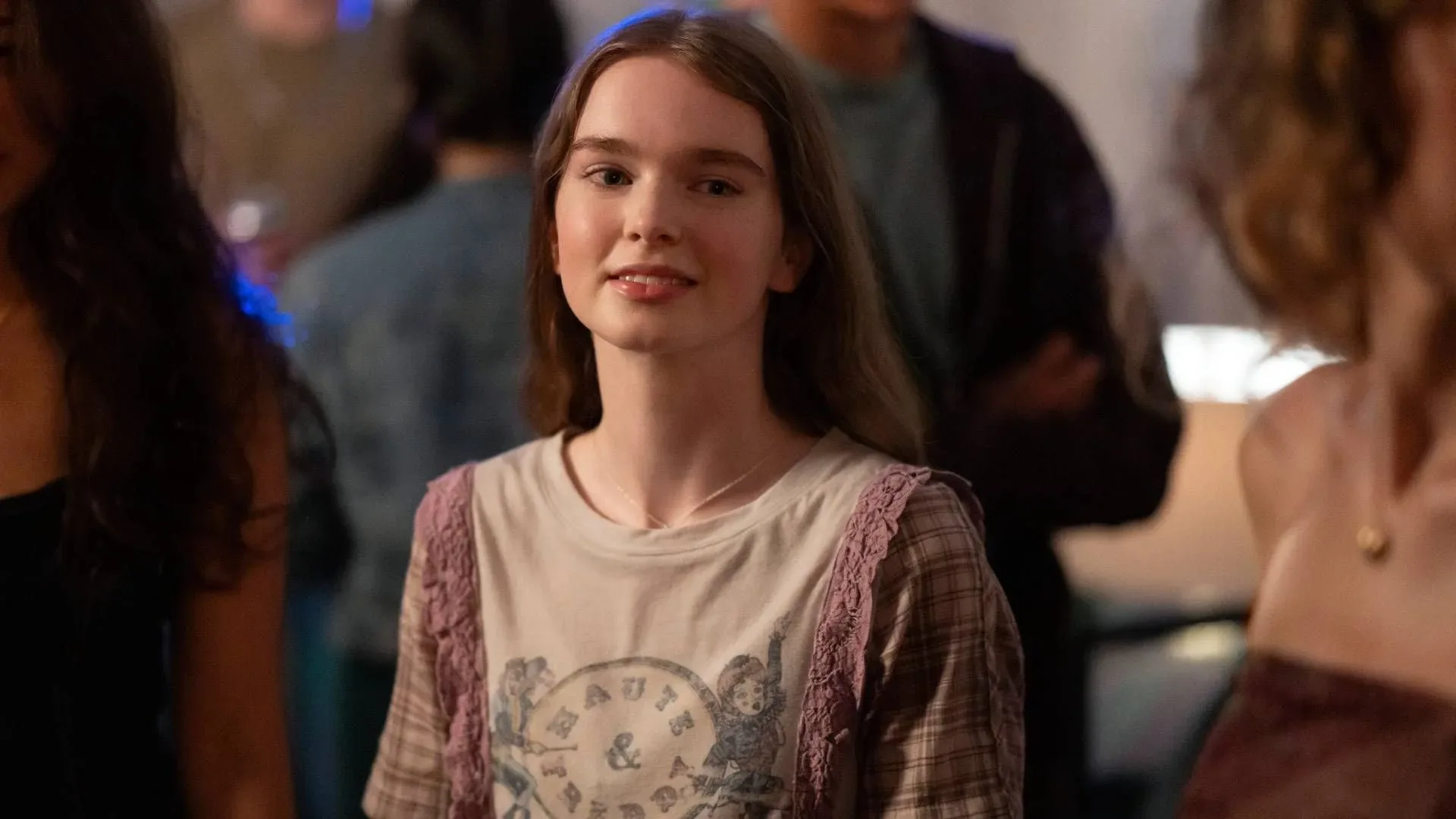
Spoiler warning: This article discusses the ending and late-season characters of Carrie.
Carrie reaches its final frame with its title character still alive, an ending that deliberately leaves a door open while also completing the season’s immediate emotional arc. Mike Flanagan has said that his priority was not simply to place a sequel hook on the board, but to honor Carrie White and show that the world around her may be much bigger than viewers initially understood.
That distinction matters. An open-ended finale can mean many things: a firm promise of another season, a narrative safeguard in case a show continues, or an ending designed to suggest that a character’s life keeps moving beyond the credits. In this case, a continuation is possible, but not guaranteed. Prime Video has not renewed Carrie for season 2.
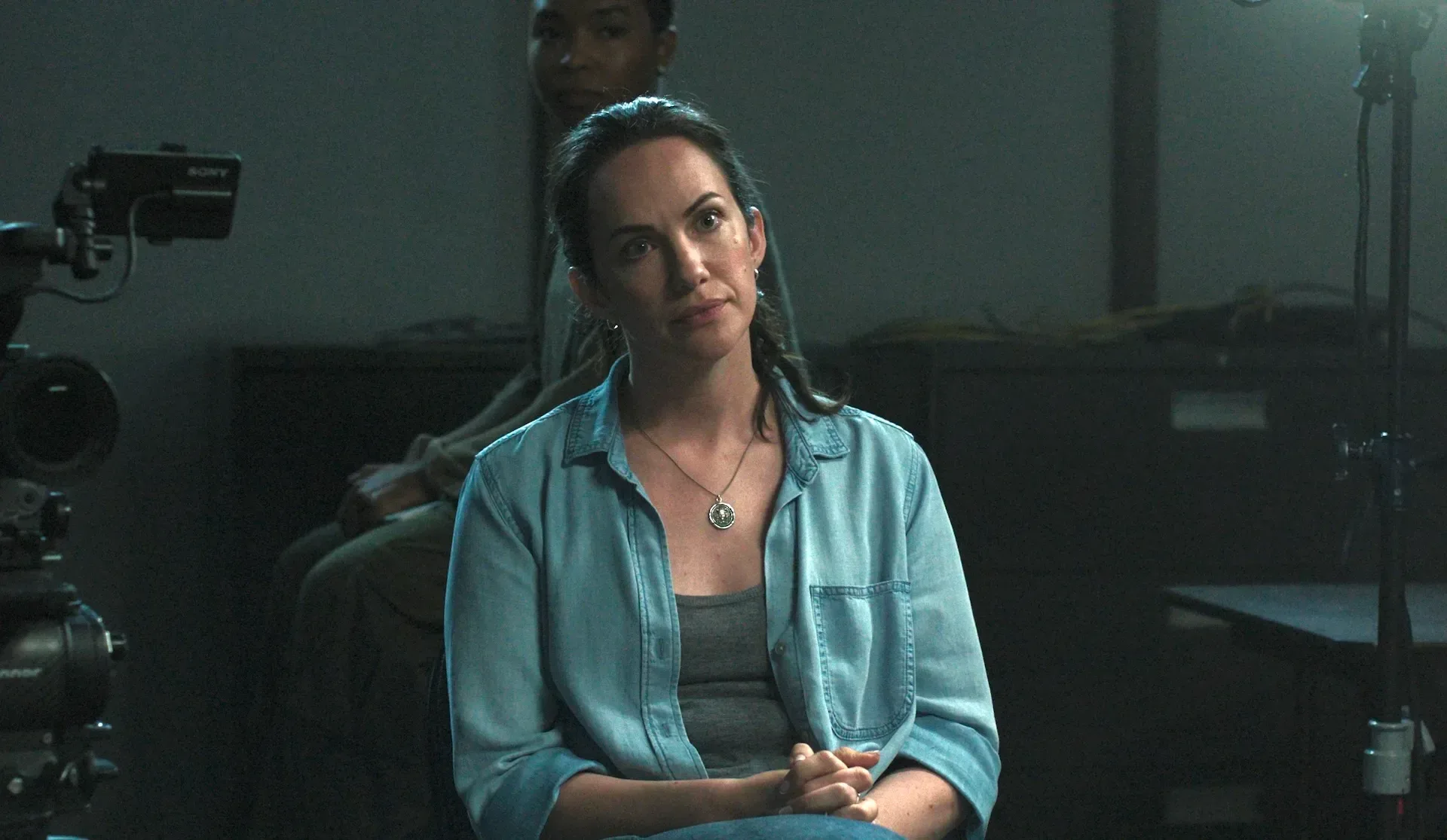
Still, Flanagan has identified a particularly intriguing route forward. The mystery women introduced in episodes 7 and 8, led by Kate Siegel, arrive with far more implied history than the season directly explains. Their presence broadens the series’ idea of power beyond Carrie alone, and Flanagan has said he would like to know much more about many of those characters.
“I do think there’s a ton of potential for more, especially with those characters,” Flanagan said. “I think there are so many of those women who we meet, especially in 7 and 8, who I would love to know a lot more about.”
The ending changes the usual Carrie destination
Stephen King’s novel centers on Carrie White, a socially isolated teenager with telekinetic abilities. Telekinesis is the fictional ability to move or affect objects using the mind rather than physical contact. It is the foundation for Carrie’s extraordinary power, but the heart of the story has always been the cruelty, control, fear and social pressure surrounding her.
This television adaptation makes several major changes to that familiar structure. It is set in a contemporary environment and puts social media into the story’s pressure cooker. It also lets Carrie survive the season—unlike the novel, in which she dies. Keeping Carrie alive is not a minor adjustment to the final scene; it changes the range of stories the series can tell afterward.
A version of Carrie where the title character dies is a closed tragedy. A version where she lives has to confront what survival means for someone who has endured enormous trauma and who possesses abilities that can inspire fear, exploitation or curiosity in others. The finale’s additional women make that question even wider: Carrie may not be the only person whose life has been shaped by unusual powers.
Flanagan described the ending as showing only “the tip of the iceberg” of that larger world. That phrasing should not be read as confirmation of a planned spinoff or an assured multi-season roadmap. It does, however, establish the creative function of the late reveal. The women are not merely decorative mystery figures. They are a sign that the show’s supernatural premise may have a broader social dimension if the series returns.
Why the women in episodes 7 and 8 matter
Late-arriving characters often do two jobs in serialized television. First, they can reframe what the audience thought it understood about the season. Second, they can introduce future possibilities without displacing the protagonist from the story that has just concluded. The women appearing in the final two episodes seem positioned to do both.
For Carrie, the implication is especially meaningful because her isolation is central to the character. She begins as an outcast. Her powers separate her further from the people around her, and the new adaptation’s contemporary setting introduces social media as another force capable of amplifying scrutiny and humiliation. A group of women with related or comparable abilities could offer a radically different kind of conflict from the one that defines Carrie’s school experience.
They might represent community, danger, guidance, manipulation, rivalry or some mixture of all of those possibilities. The series has not supplied enough information to declare which role they would take, and that uncertainty is plainly part of the point. What is supported is that they expand the show’s scope and that Flanagan sees substantial potential in exploring them.
Kate Siegel’s involvement also gives the reveal a clear focal point. Yet the characters have not been fully introduced, so viewers should resist treating the finale’s setup as a complete explanation of who they are, what their powers entail, or how closely they are connected to Carrie. Those are the questions a future season could choose to address rather than answers already delivered by season 1.
A continuation would not necessarily mean Carrie becomes a different show
Expanding the cast of powered women could make Carrie feel larger, but it would not automatically require abandoning its title character’s perspective. Flanagan’s comments emphasize that the first responsibility was Carrie’s arc. That suggests any future story would need to preserve the personal stakes that make the character more than a mechanism for supernatural spectacle.
There is a practical storytelling challenge here. A broader mythology can be exciting, but it can also reduce a character’s pain to franchise architecture if every moment primarily exists to advertise the next revelation. The season 1 ending appears to aim for a balance: it gives Carrie a survival-based outcome while offering a glimpse of a wider world rather than fully mapping it out.
That balance may be particularly important for an adaptation of a story so closely associated with one person’s alienation. The new women introduce a possibility that Carrie could encounter others who understand abilities like hers. But understanding the power would not necessarily mean understanding Carrie’s particular experience. The series’ interest in her identity, relationships and openness to the world remains essential.
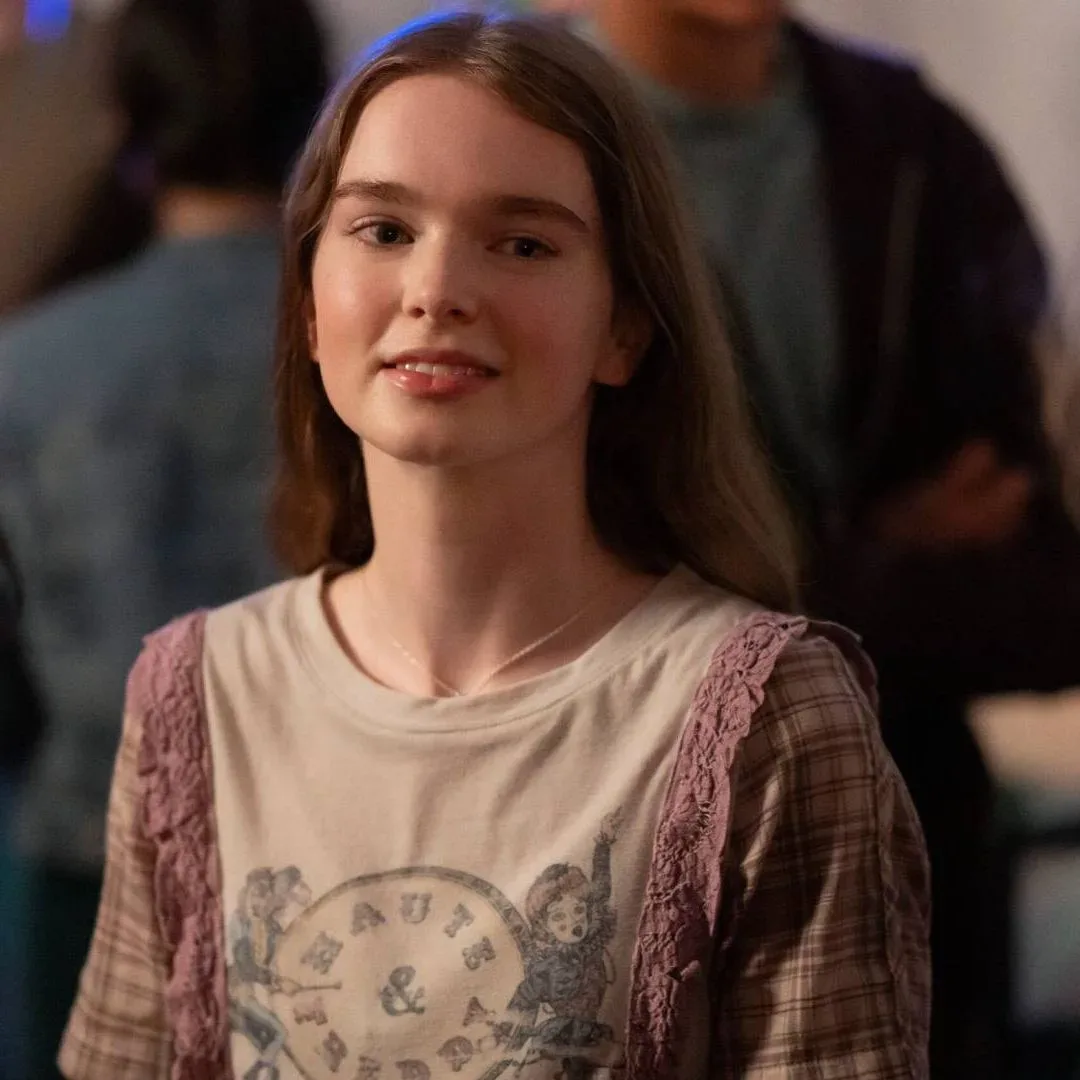
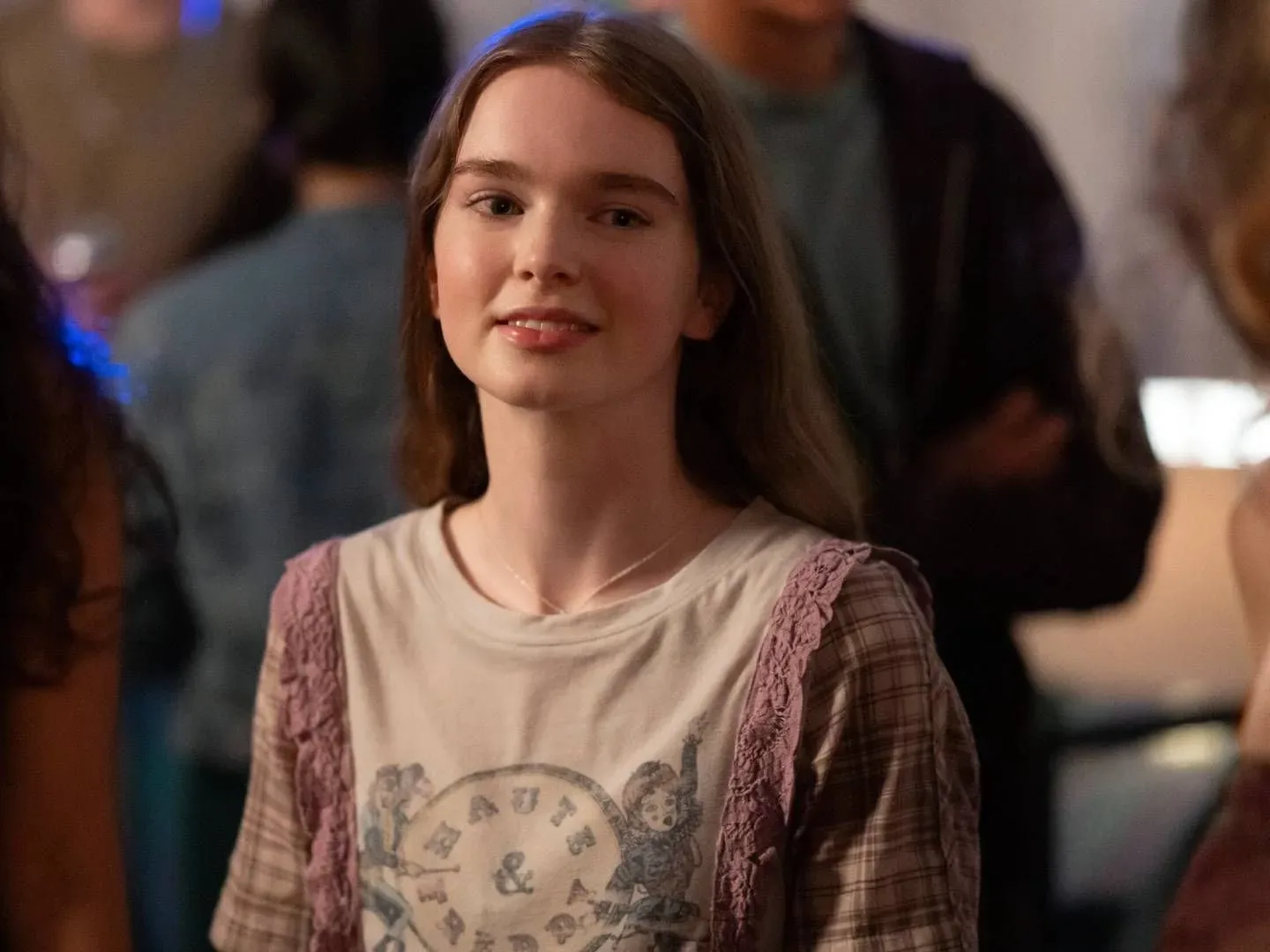
Summer H. Howell, who plays Carrie, has expressed interest in revisiting the role and seeing Carrie interact with more women with abilities. She also hopes Carrie can reconnect with the more open and eager version of herself who entered school wanting to explore the world. That is a useful clue to the emotional territory a second season could pursue: not just whether Carrie can wield power, but whether she can reclaim parts of herself after everything she has endured.
What “potential” means—and what it does not
There is a difference between a creator recognizing narrative potential and a platform commissioning more episodes. At present, the latter has not happened. Flanagan himself has framed the immediate question cautiously, saying that the team needs to get through season 1 and see how it is received.
That caution is warranted. A cliffhanger or unresolved element often fuels audience theorizing, but it is not a formal renewal notice. No season 2 production details, release timing, episode count or confirmed returning ensemble have been established here. The most accurate status is simple: the story has room to continue, but continuation has not been confirmed.
Flanagan has previously shared an interest in making a Carrie trilogy. That aspiration gives the open ending additional context, though it remains an ambition rather than a promise. A trilogy would require the series to move beyond the boundaries of King’s original ending, because this adaptation has already made the pivotal choice to leave Carrie alive.
That is not inherently a rejection of the novel. Adaptation is the process of translating a work into another medium and, often, reshaping elements to serve a new format, audience and structure. Here, the modern setting, the social-media focus and Carrie’s survival are substantial creative decisions that create a version of the story with different future-facing possibilities.
The social-media update has consequences beyond the setting
The contemporary setting does more than replace old technology with new technology. Social media can change the scale and speed of social cruelty. A humiliating incident no longer needs to stay in a hallway or at a school event; it can be shared, watched, commented on and preserved. For a character already positioned as an outsider, that environment can make public judgment feel omnipresent.
That makes the prospect of a wider community of super-abled women complicated in a compelling way. If Carrie is no longer alone, she may gain support. But she may also enter a new system of visibility, expectation and danger. The same world that gives her possible peers could make it harder for anyone with extraordinary abilities to remain private.
None of that confirms the plot of a potential second season. It is, rather, the dramatic space created by the choices already present in the adaptation: Carrie survives, her world is contemporary, and unexplained women arrive near the end with implications larger than the season has time to unpack.
What viewers can reasonably take from the finale
- Carrie White is alive at the end of the season, a major departure from the novel.
- The show’s late episodes introduce mystery women, including characters led by Kate Siegel, without fully explaining them.
- Flanagan sees significant room to explore those women and the broader world suggested by their appearance.
- Howell is interested in returning and in exploring Carrie alongside other women with powers.
- Prime Video has not announced a season 2 renewal.
For now, the finale works as both a resolution and an invitation. It resolves the season by prioritizing Carrie’s arc and survival, while inviting viewers to imagine a world in which she is not the sole bearer of something extraordinary. Whether that invitation becomes a second season will depend on what happens after season 1, not simply on how suggestive the final episodes are.
That restraint is worth keeping in mind as the series finds its audience. Horror stories often use mystery as a source of tension, and Carrie has placed some of its biggest unanswered questions at the edge of its first season. The late-arriving women could become the foundation for a larger chapter, but until a renewal arrives, they remain one of the show’s most deliberate and potentially rich unknowns. Fans looking for another horror story built around a world larger than its central icon can also read our look at Hellraiser: Revival.