Hellraiser: Revival has an unenviable puzzle to solve. A Hellraiser game has to deliver the series’ unmistakable body horror, leather-clad Cenobites and infernal machinery without reducing Pinhead and company to familiar movie-monster targets. It also has to be a functional action game, which means guns, melee strikes, upgrades, enemies and boss encounters need to carry the player through the nightmare.
Based on the available review details, Saber Interactive’s game gets the far more important half of that equation right: it appears to understand what makes Hellraiser unsettling in the first place. Its horrors are not simply monsters to shoot, and its interest in pain is not presented as a blanket condemnation of sexuality or kink. Instead, its story reportedly concerns exploitation, coercion, objectification and the dangerous vanity of people who think they can command forces beyond them.
That is a notably more thoughtful foundation than “Pinhead is back, bring a shotgun.” The combat has some apparent limitations, but Revival sounds like a forceful, unusually faithful translation of the property’s themes into a game structure.
A new route into the Labyrinth
The story follows Aiden Lynch, whose partner Sunny is taken through an impossible gateway that opens in their bedroom. Aiden is subsequently abducted and must recover the Genesis Configuration, a puzzle-box device central to the game’s progression. His objective becomes reaching the Labyrinth—the otherworldly domain associated with the Cenobites—and attempting to bring Sunny back.
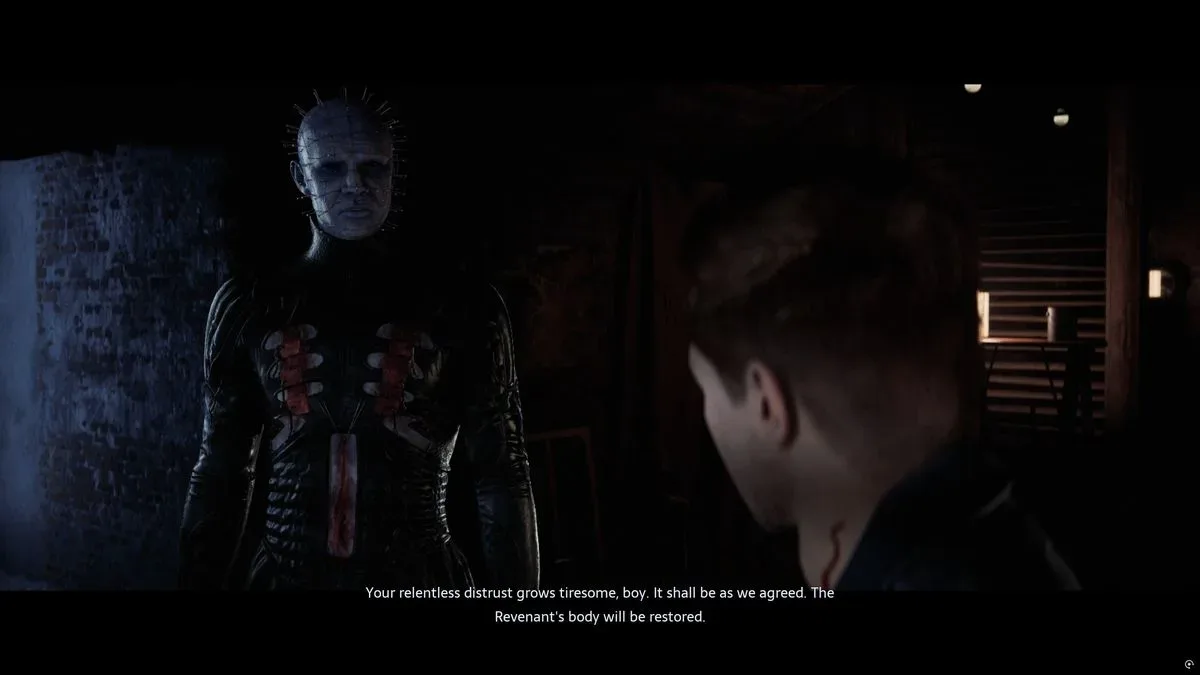
The setup preserves a key distinction in Hellraiser’s mythology. The Cenobites, including the Hell Priest known popularly as Pinhead, are not simply aligned with the human antagonists. They operate as an enigmatic third party with their own rules and motives. Pinhead is voiced here by Doug Bradley, the original actor behind the role, while the game’s narrative was developed collaboratively with Hellraiser creator Clive Barker.
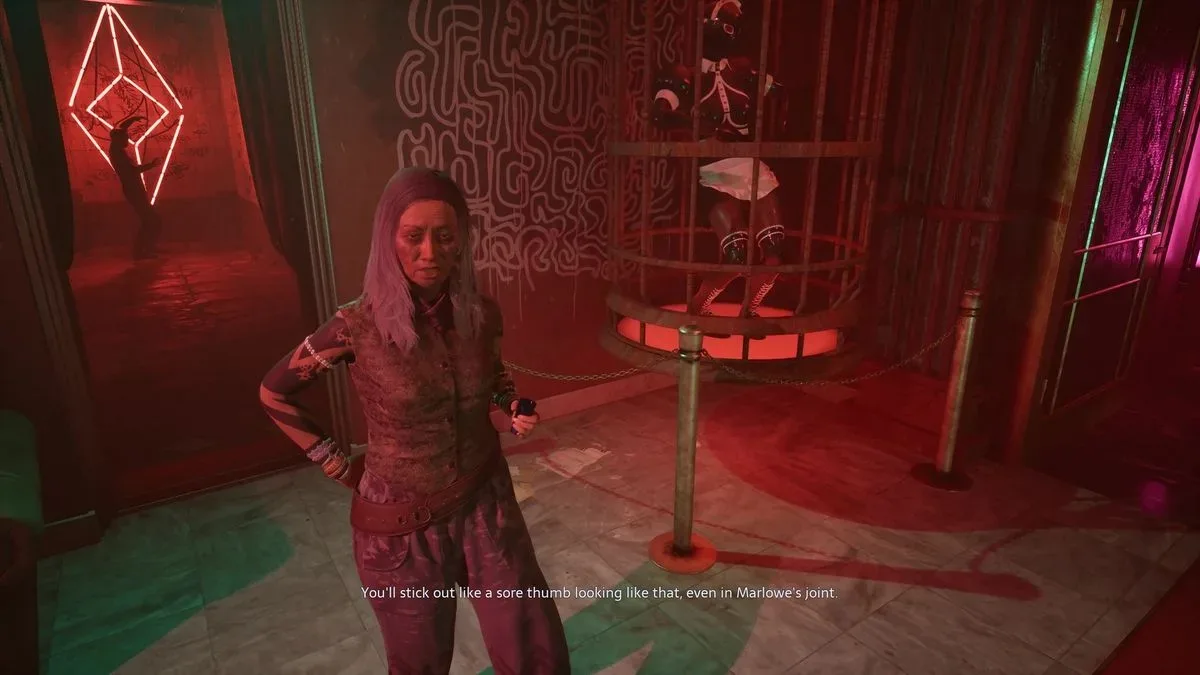
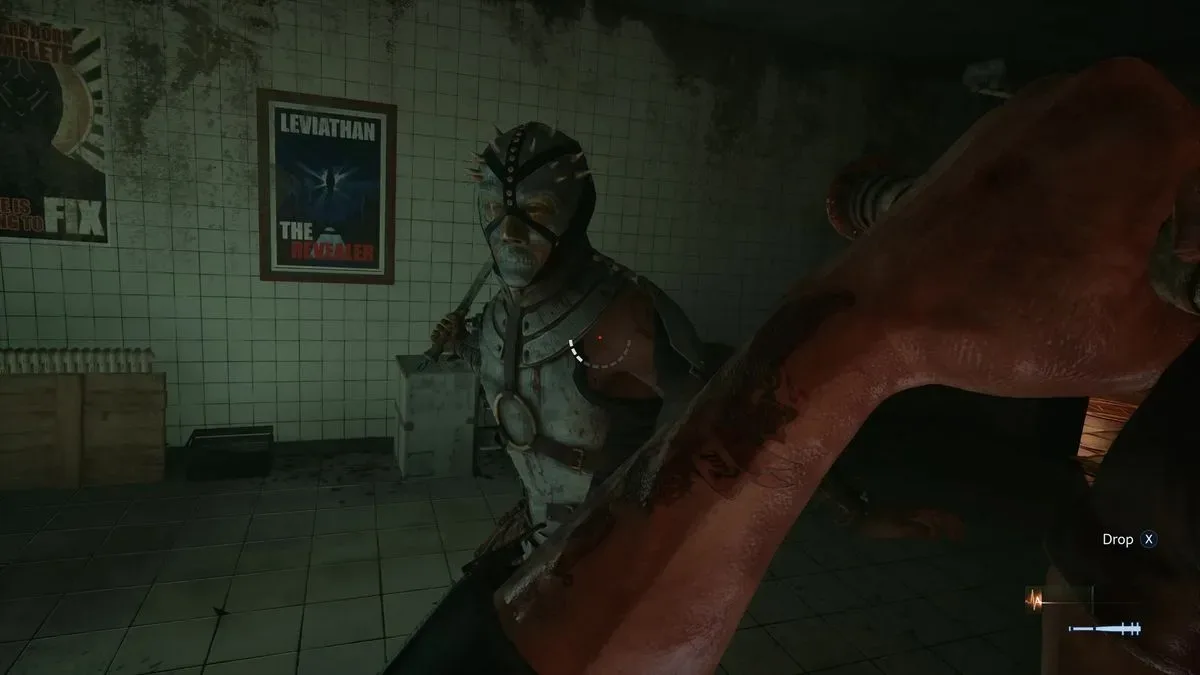
That separation matters. Aiden encounters a cult operating behind a sex nightclub, but the cultists are portrayed as people using BDSM imagery and consent-positive messaging as camouflage while they prey on vulnerable people. The game’s criticism is directed at predatory abuse and self-serving power, not consensual adult sexuality. The distinction is reportedly made explicit in both the setting and dialogue: regular nightclub patrons are not framed as villains, while the organization’s VIP spaces reveal its coercive agenda.
In one early exchange, Aiden reportedly discusses consent boundaries frankly with a club patron while seeking access credentials. Later, Pinhead makes clear that Sunny entered the Labyrinth through her own choice—and that surviving a rescue would not remove her agency to leave Aiden. Those are startlingly direct ideas for a horror action game built around grotesque spectacle, but they are completely in keeping with a story interested in the limits, meanings and abuses of desire.
For players wary that a Hellraiser adaptation might mistake excess for insight, that thematic framing could be the biggest reason to pay attention.
Related coverage includes Hellraiser: Revival Turns Cenobite Horror Into a Focused, Thematic Action Game.
What the action does—and where it falls short
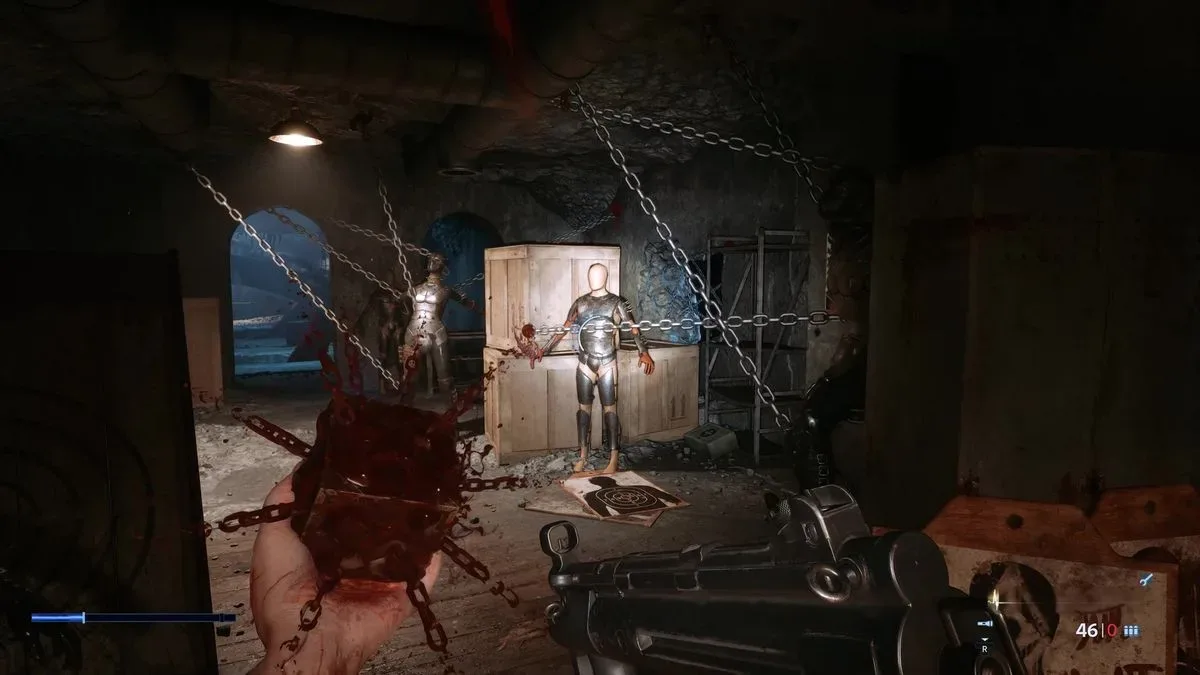
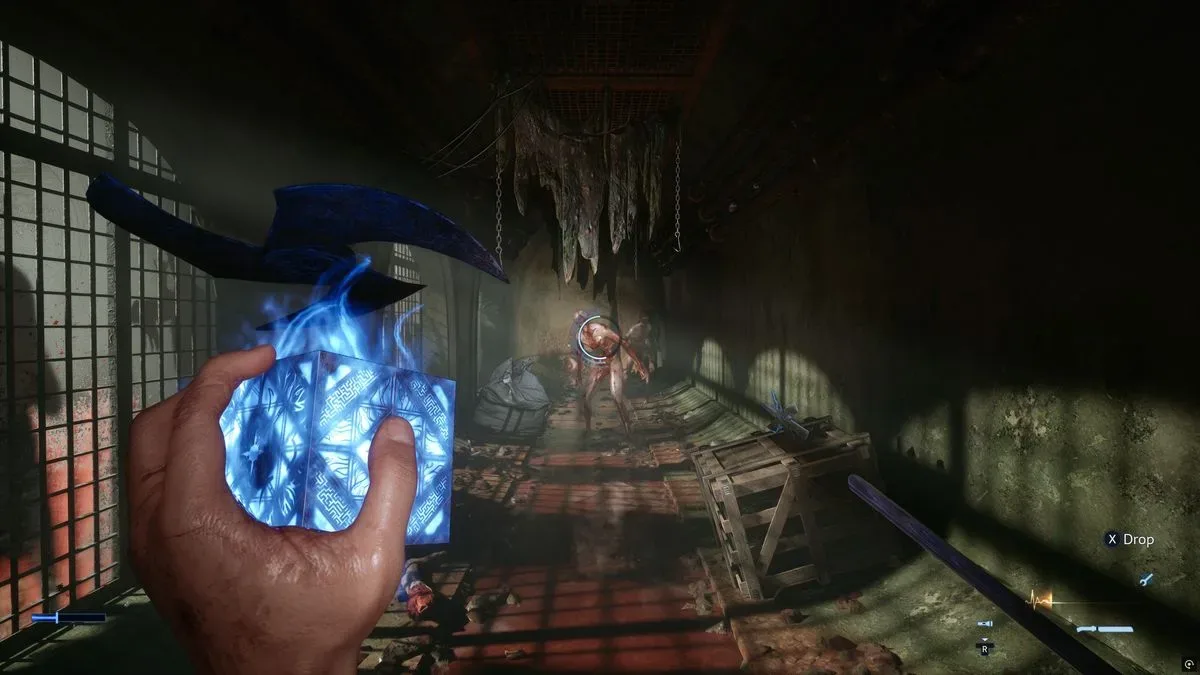
Revival is still a linear, combat-led horror game. Early encounters leave Aiden underpowered, at one point relying on a plank of wood against a large adversary. Later sections add firearms and a growing selection of combat tools. The arsenal reportedly includes ways to project fire and hurl metal saws, while the Genesis Configuration can be used to execute staggered supernatural enemies called the Unworthy. Those close-range cube finishers restore health, creating a risk-reward loop: get near a dangerous foe for recovery rather than keeping a safer distance.
That is a useful bit of terminology for anyone deciding whether the game sounds like their kind of horror experience. A stagger state is a temporary condition in which an enemy is vulnerable after taking sufficient damage. In this case, staggering an Unworthy opens a high-risk finisher opportunity. Meanwhile, limited inventory management means the player has only so much carrying capacity for necessities such as ammunition and bandages, forcing choices rather than allowing limitless stockpiling.
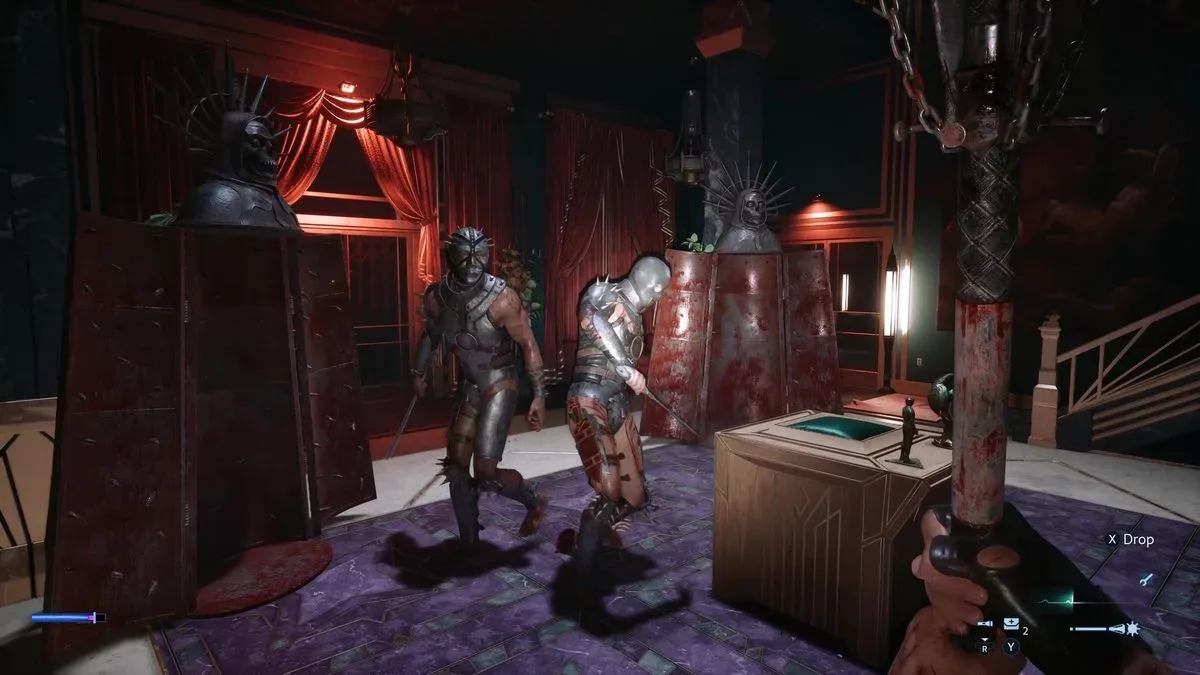
The game also reportedly gives players occasional command of Hellraiser’s signature hook-chains and allows some targeted brutality, such as stripping armor with a baseball bat or dismembering human enemies. But the review evidence suggests the fundamentals are not always as sharp as the ideas around them. Basic strikes can lack satisfying impact, enemies sometimes absorb too many hits before abruptly falling, firearms feel weak, and finisher animations do not offer much variety.
That does not necessarily sink the experience. Horror action often benefits from discomfort and friction, though there is a crucial difference between intentional vulnerability and merely muted feedback. Here, the expanding toolset seems to supply welcome variety even when the core brawling is not exceptional. The less successful stretches appear to be occasional boss battles and instant-fail stealth sequences—sections where a game’s carefully constructed atmosphere can give way to trial-and-error repetition.
Practical takeaway: players seeking precise, deeply technical combat may find the fighting serviceable rather than revelatory. Players more interested in an aggressive, grubby action framework supporting a Hellraiser narrative may have more patience for its rough edges.
The Labyrinth is more than a combat arena
The most promising design choice may be the decision not to turn every part of Hell into another shooting gallery. Aiden periodically enters the Labyrinth, where combat reportedly stops but danger remains. Tight corridors, false endings and clever reload transitions create impossible geometry: spaces seem to rearrange, routes deceive, and the environment itself becomes the threat.
This is an effective use of a technical trick for a horror purpose. A quick-load is normally an invisible or brief transition used to stream in the next section of a level. Here, it is used to make architecture feel untrustworthy. Rather than treating a loading transition as a limitation, the game apparently turns it into part of the Labyrinth’s logic. That is a particularly natural fit for a realm that should feel less like a location on a map and more like a hostile state of mind.
Chatterer, one of the franchise’s most recognizable Cenobites, reportedly stalks these sequences by advancing slowly and teleporting around the maze. The tension is built through disorientation and pursuit rather than direct confrontation. Escape can require sliding beneath lethal hallway-chain barriers, a traversal move that the game later lets Aiden use outside the Labyrinth as well.
There are environmental puzzles, but they sound intentionally light. The Genesis Configuration can move distant platforms and transfer fire between sconces. Maps and number-pad challenges offer hints of survival-horror exploration, but the overall structure remains rapid and linear rather than developing into an elaborate interconnected mansion or sprawling labyrinth for its full duration.
For specific help when those puzzles do interrupt the momentum, see our Private Rooms door puzzle guide.
Extreme imagery with a purpose
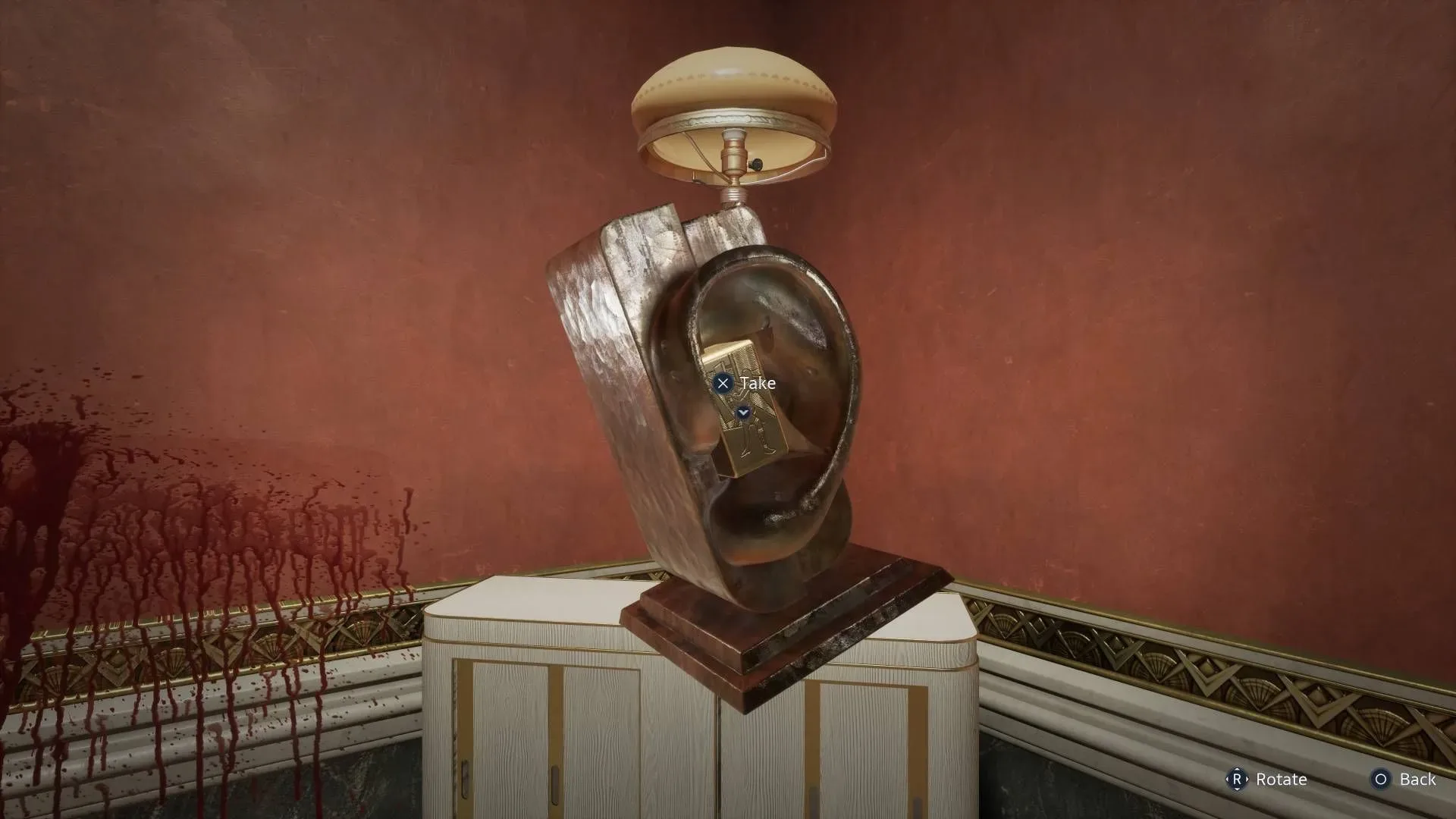
Anyone considering Hellraiser: Revival should take its content seriously. Reports describe it as exceptionally explicit, with flaying, body-ripping, distorted flesh sculptures and other graphic imagery in both environments and cinematics. This is not horror that keeps its worst details off-screen. The game apparently aims to shock frequently, from the cult’s compound to the workshop of a flesh-obsessed antagonist.
Yet the setting design seems strongest when it supports the narrative rather than simply trying to outdo the last grisly room. A deranged artist’s workshop, a nightclub with a sinister inner hierarchy, and distorted reflections of reality in the Labyrinth all connect to the game’s concerns about people being made into objects. Less distinctive sewer and woodland detours exist, but reportedly do not linger long enough to derail the pacing.
The distinction is important because gore alone is not automatically Hellraiser. The early films and Barker’s work derive their unease from curiosity, transgression, obsession and the horrifying consequences of treating other people as tools for private gratification. By positioning the cult as imitators who mistake cruelty for enlightenment, the game gives Pinhead’s disdain a meaningful target. The Cenobites are not made wholesome or heroic; they remain terrifying. But their remoteness from ordinary human morality is different from the cult’s calculated exploitation.
A focused campaign, with caveats
The campaign reportedly takes just under nine hours to complete, moving through locations quickly and changing its activity types often enough to avoid extended stagnation. That compact scale could work in its favor. The material is intense, and a longer runtime filled with repeated combat rooms might dull the impact of its best imagery and ideas.
There is still an imbalance: combat occupies more of the game than its more distinctive exploration, traversal and narrative material perhaps deserve. Inventory juggling can also become tiresome. But these complaints sound bounded rather than pervasive, especially given the reported narrative momentum through the credits.
Hellraiser: Revival released September 24, 2026 for PC, PlayStation 5, Xbox Series X and Nintendo Switch 2, with Saber Interactive publishing and developing the game in-house. It appears best suited to adult horror fans who can handle graphic material and want a Hellraiser story that regards the source’s ideas as seriously as its iconography.
Its action may not always cut as deeply as its imagery, but its central achievement seems clearer: the game reportedly restores ambiguity and thematic bite to a franchise too often flattened into a slasher routine. Hell’s puzzle box has plenty of blood on it. In Revival, it may finally have something to say as well.