Mike Flanagan is not thinking of Carrie as a one-season stop on the way to somebody else’s nightmare. The filmmaker has described a three-season ideal for his forthcoming Prime Video adaptation of Stephen King’s story, framing the project as a trilogy rather than a limited return to one of horror’s most familiar names.
“In my dream scenario,” Flanagan said, “I think it’s three seasons.” He further characterized the shape he sees in the material as “a wonderful three-step arc” and “a trilogy, really.” That is an ambitious proposed runway for a story whose central character and core conflict are already exceptionally well known. It also immediately raises the biggest question around the series: what, exactly, does a three-part television version of Carrie look like?
For now, that question has no confirmed answer. The series arrives on Prime Video on October 7, with all episodes available that day, and its early marketing appears to touch the principal elements audiences associate with Carrie White. There has been no disclosed breakdown of where one season would end, what later seasons would cover, or whether the show would substantially extend Carrie’s narrative beyond the source material’s usual boundaries.
That uncertainty is important. Flanagan is outlining a hope rather than confirming a guaranteed three-season order. A creative plan and a completed multi-season production are different things, particularly for a new streaming series. Still, his comments offer a useful indication that the adaptation may be designed with a broader arc in mind from the outset.
A familiar horror story meets a modern pressure system
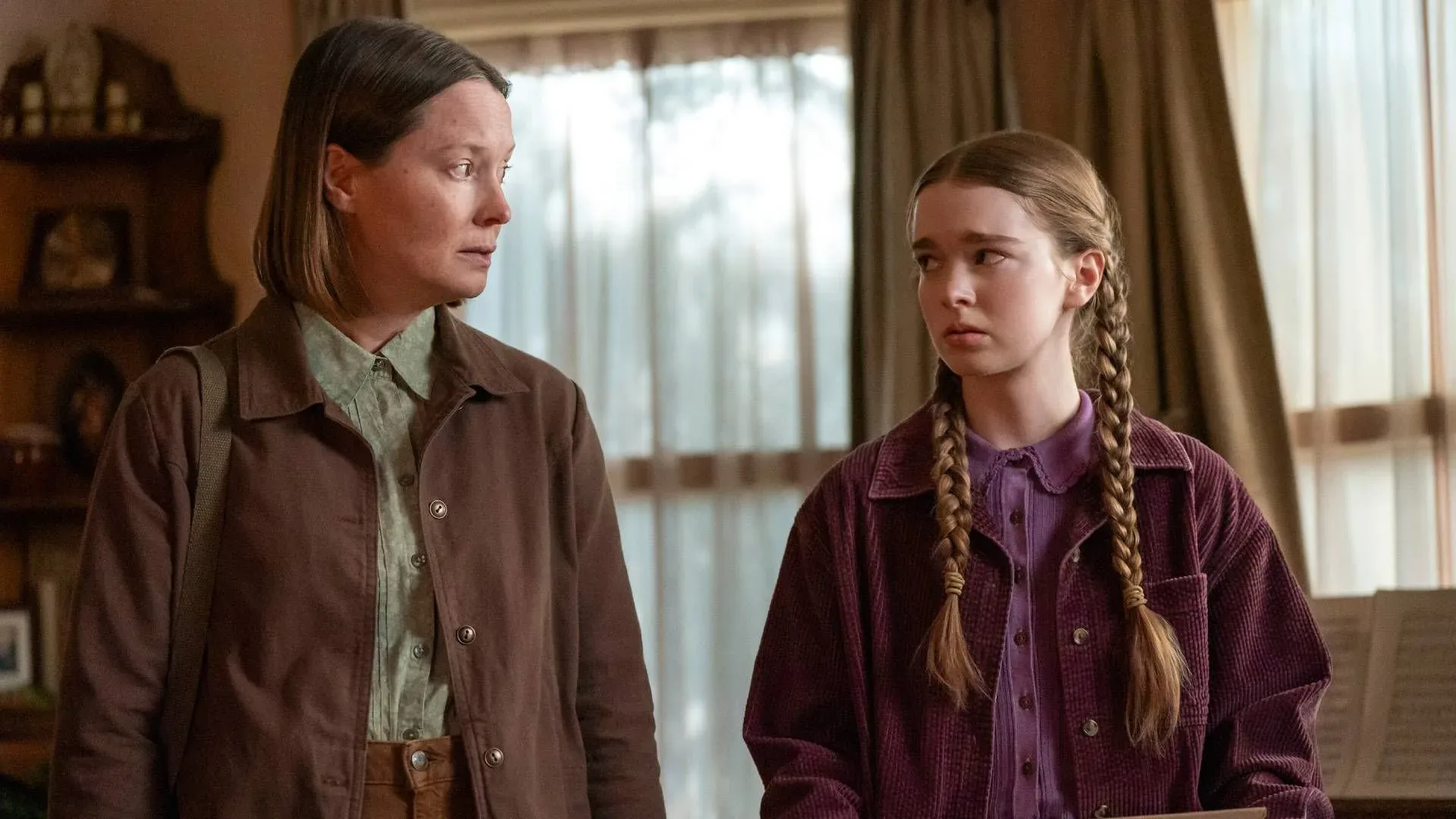
Summer H. Howell plays Carrie White, a teenager entering high school after spending most of her life isolated at home. That premise puts the character into a setting where she must navigate severe bullying while trying to find a place among her peers. The new adaptation’s contemporary angle is not simply a matter of swapping old devices for new ones: social media is positioned as part of the pressure surrounding her.
In practical storytelling terms, social media changes the scale and persistence of humiliation. A cruel moment is no longer confined to a hallway, classroom or event. It can be recorded, repeated, shared and commented on beyond the immediate group involved. The supplied details do not establish the series’ exact plot mechanics, but they make clear that the show treats online social spaces as a meaningful modern context for Carrie’s experience.
That update has already drawn a notably positive response from King himself. He wrote that Flanagan’s version is “brilliant,” adding that what it says about social media is “shocking and true.” The reaction does not reveal individual story beats, nor does it settle how faithfully every element follows the original, but it is a strong endorsement of the adaptation’s central contemporary lens from the author behind Carrie White.
Early responses to the first episodes have also been favorable, with particular praise for bringing the story into a contemporary setting. Until the full series is available, however, viewers should distinguish those broad reactions from firm knowledge of the season’s eventual direction. The show’s promotional material and initial reception can suggest its thematic priorities, but they do not answer how far its story will go after the initial run.
What “three seasons” means—and what it does not
Calling the potential structure a trilogy is revealing because the term usually describes three connected installments that contribute to one complete larger arc. In television, that can mean each season has its own dramatic movement while still feeding into an intended ending. It does not necessarily mean three identical retellings, nor does it prove that the first season ends at a particular point.
Flanagan’s wording suggests he sees three distinct stages available in the character’s journey. Yet the current information does not say whether those stages would divide established material differently, add original material, or shift the focus to consequences and characters beyond Carrie herself. Those are plausible questions prompted by the proposal, not confirmed details.
The distinction matters especially with adaptations of landmark horror fiction. Familiarity creates expectations: audiences may assume they know the milestones, emotional destination and major turning points. A longer format can provide room for additional character work and a more gradual escalation, but it also creates a responsibility to make each chapter feel necessary. Expansion alone is not a dramatic purpose. The project would need to show why a longer canvas illuminates Carrie White’s isolation, persecution and the world around her in ways a more compact adaptation cannot.
For the audience, the immediate takeaway is simple. The October 7 premiere can be approached as a complete first-season story, while Flanagan’s comments invite viewers to watch for signs of a larger design. It is reasonable to expect thematic attention to the online environment around Carrie, because that has been explicitly highlighted. It is not reasonable, at this stage, to assume specific later-season plots, a continuation beyond the central story, or a particular ending.
The adaptation’s central challenge: keeping Carrie at the center
The premise places a young person who has lived in isolation directly into the volatile social ecosystem of high school. That transition is the emotional engine presented for the series. The horror is not being described merely as an external threat arriving at random; it is tied to the treatment of Carrie as she tries to exist among people who are already prepared to judge, ridicule and exclude her.
That framing gives the modern setting real narrative weight. A social-media-era Carrie can examine the way bullying may become public performance—an act undertaken not only to hurt one person but to earn attention, status or approval from an audience. Again, the series’ specific scenes remain unknown, but the theme is directly supported by both the show description and King’s comments on its treatment of social media.
It also clarifies why Flanagan might see room for a larger arc. The story is not only about isolated incidents; it concerns the systems surrounding an isolated girl, including home life, school life and an online culture that can intensify peer cruelty. A multi-season plan could potentially examine those systems with more patience than a single installment. Whether the series ultimately receives that time is unknown, and whether such an expansion succeeds will depend on the episodes themselves rather than the size of the plan.
There is a productive tension in the announcement. Carrie carries a huge cultural footprint, which gives the adaptation instant recognition but leaves little room for vague or superficial reinvention. The series needs to retain the emotional force that makes the character matter while demonstrating that its contemporary perspective is more than decorative. The early response suggests the social-media update has landed with at least some viewers, and King’s enthusiastic reaction offers another signal that the approach has substance.
What is confirmed before the premiere
- Mike Flanagan is leading a new Prime Video adaptation of Carrie.
- Summer H. Howell plays Carrie White.
- The series follows Carrie as she begins high school after spending most of her life isolated at home.
- Bullying and social media are central parts of its modern setting.
- All episodes are scheduled to arrive on Prime Video on October 7.
- Flanagan’s preferred scenario is a three-season, trilogy-like arc.
What remains unknown
- Whether Prime Video has committed to more than the first season.
- How the story would be divided across three seasons.
- Whether later seasons would move beyond the primary narrative familiar to audiences.
- Where the first season ends and what plot details are reserved for future chapters.
Flanagan also has another high-profile genre project ahead: Clayface, described as the DCU’s first move into horror. For another recent DC-related development, see Sean Gunn’s comments on Man of Tomorrow.
For now, the immediate story is not that Carrie definitely has three seasons coming. It is that its creative lead sees the possibility of three connected movements and appears to have approached the first season with a contemporary thematic frame already in place. When the full first season lands, viewers will be able to judge whether that wider design feels visible on screen—and whether Carrie White’s modern ordeal has enough unexplored territory to sustain the trilogy Flanagan wants.