Sean Gunn has offered an unusually strong, if carefully limited, endorsement of Man of Tomorrow. The actor says he has read the upcoming DC film and ranks it above every other movie directed by his brother, James Gunn—while making clear that he cannot discuss the plot, the cast, or other specifics.
That is a weighty statement given Sean Gunn’s long connection to both sides of modern superhero cinema. In the DC universe, he plays Maxwell Lord. In Marvel films, he played Kraglin and supplied the physical performance for Rocket Raccoon. His comments therefore come from someone familiar with James Gunn’s work across the Guardians of the Galaxy films as well as the new DC slate, rather than from a spectator making a franchise-versus-franchise argument from the cheap seats.
“I can't say anything about Man of Tomorrow in terms of what it's about or who's in it, or whatever,” Sean Gunn said. “But I think it's okay that I can say that I've read it, and it's my favorite of all of them.”
For now, that is praise—not a substitute for story details. It does not establish how the film will handle its characters, what shape its conflict will take, or which elements beyond its central premise may be involved. But it does set a clear expectation: someone with direct access to the screenplay believes the project stands alongside, and above, a filmography that includes the director’s Marvel work.
What is confirmed about Man of Tomorrow
Man of Tomorrow is described as a quasi-sequel to last summer’s Superman. “Quasi-sequel” is useful wording here. It signals a continuation connected to the earlier film, but it should not be casually treated as a promise that every plot thread, supporting character, or structural choice will follow a conventional sequel formula.
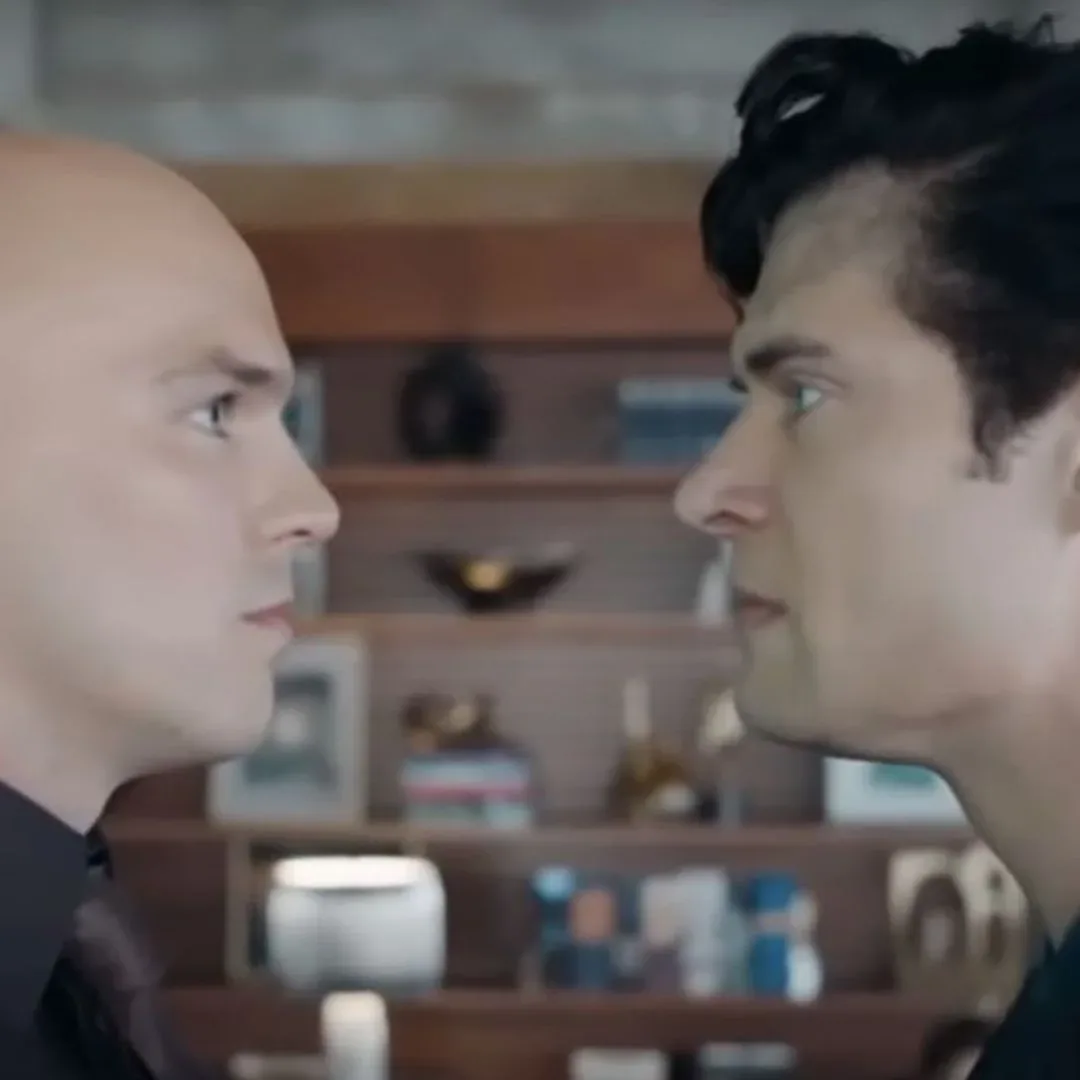
The confirmed central hook is much more specific: Clark Kent and Lex Luthor will team up against Brainiac.
That setup is inherently notable because Superman and Lex Luthor are usually defined by opposition. Clark is Superman’s civilian identity, while Lex is one of his defining adversaries. A team-up does not necessarily mean friendship, trust, forgiveness, or a lasting change in their rivalry. It simply means the circumstances place them on the same side against a larger threat. The tension in that arrangement is likely to come from the question any audience member would ask immediately: what could make these two work together, and how long can that alignment possibly hold?
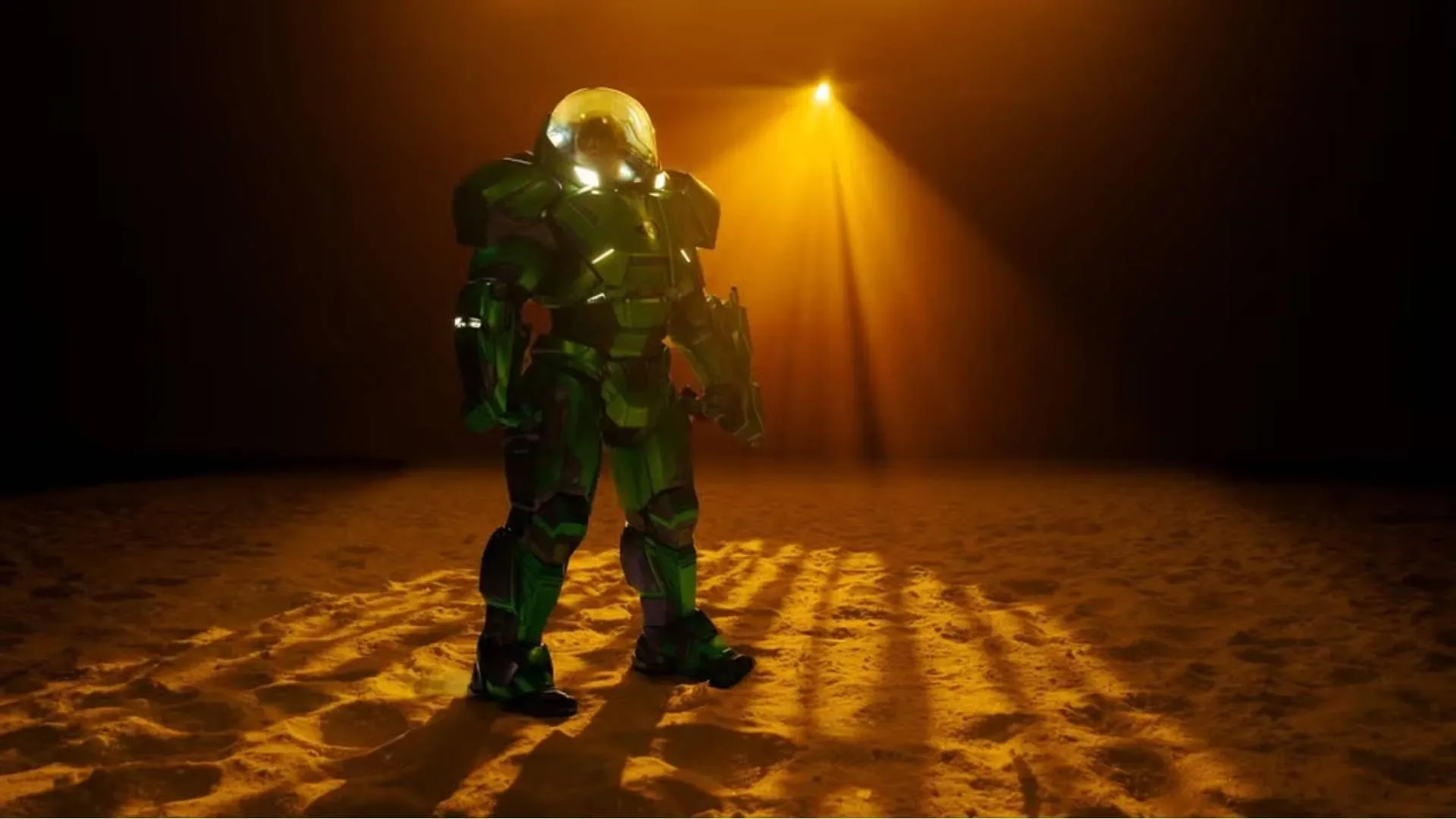
Brainiac provides the outside pressure necessary for that premise. The available information does not explain the character’s plans, abilities, origin, or role in the film’s wider DC continuity. Still, positioning Brainiac as the enemy facing both Clark and Lex establishes a three-way dynamic: the hero, the longtime rival, and the threat capable of forcing a temporary alliance.
A compliment with boundaries
Sean Gunn’s remarks are striking partly because of what he declined to say. Script readers often have to navigate an obvious line: they can communicate enthusiasm without revealing character appearances, twists, or the mechanics of the story. His description does exactly that. It gives fans a broad measure of confidence in the screenplay while preserving the film’s unknowns.
That distinction matters in an era when a short quote can be stretched into a dozen unsupported claims. “Favorite” is a personal assessment. It is not evidence that the film is finished, that every audience will feel the same way, or that details not publicly confirmed have suddenly become reliable. The concrete takeaways remain simple: Sean Gunn has read the film, he likes it a great deal, and he is not offering further plot or cast information.
He also framed the comparison carefully. Asked to weigh James Gunn’s Marvel and DC work, Sean Gunn pushed back on treating the two franchises as competitors. He said he remains proud of the Guardians movies and the part he played in them, and that the bigger aim is to make good stories for audiences who enjoy each franchise.
That is a sensible distinction between an individual creative judgment and a scoreboard. A person can call one script their favorite while still valuing the work that came before it. The statement is especially relevant from an actor whose career has crossed both comic-book universes. Rather than presenting DC success as dependent on Marvel failure, he presented the films as different offerings for potentially overlapping audiences.
Why Sean Gunn’s perspective carries context
Sean Gunn’s involvement gives his reaction a particular kind of context, though not a guarantee. As Maxwell Lord in DC and as Kraglin in Marvel, he has acted within both interconnected superhero settings. His work as Rocket Raccoon’s physical performer also reflects a role in bringing a digitally realized character to life through on-set movement and performance reference.
That history means he has seen James Gunn’s filmmaking from close range in more than one environment. It also explains why he was quick to reject the notion that the Marvel and DC movies must be ranked as rival teams. For performers and filmmakers, these projects are not merely logos; they are years of collaborators, characters, production work, and personal investment.
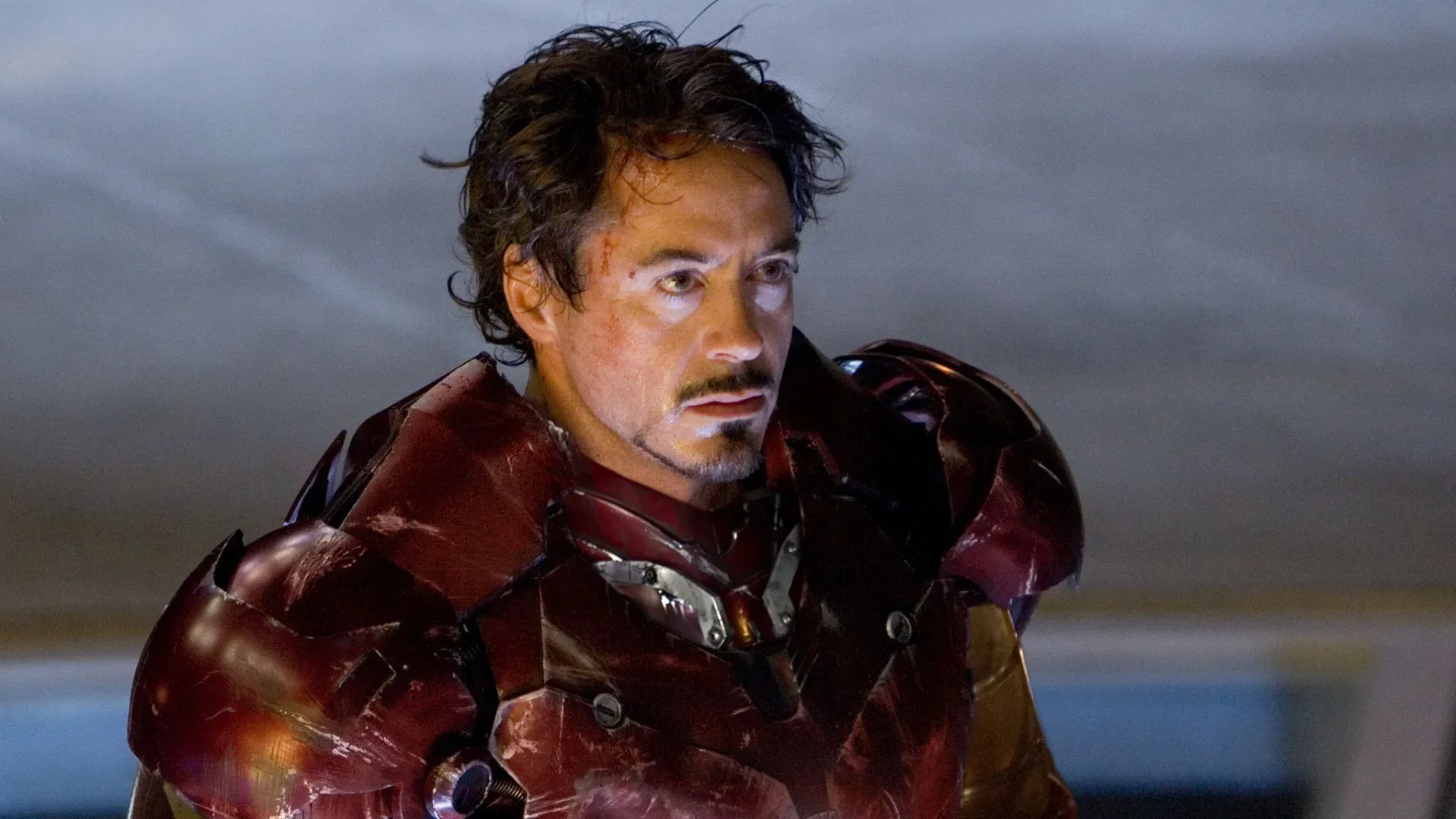
Readers looking for more Marvel-era context can revisit the Iron Man screen test that spotlighted a defining MCU casting. The broader lesson applies here as well: big franchise films are often discussed as brands first, even though their reception ultimately turns on whether viewers connect with the people and story on screen.
The practical implication for DC audiences
For fans, the immediate news is not a newly revealed twist. It is a signal about confidence in the material. Sean Gunn’s endorsement raises interest in a film already built around a strong headline premise: Superman and Lex Luthor, normally adversaries, confronting Brainiac together.
It also reinforces that patience is still required. There is no added cast list in these comments. There are no disclosed story beats, no explanation of the alliance, and no hint about how Maxwell Lord fits into the movie, if he does. Treating the unknowns as unknowns is the most useful way to follow a project this far ahead of release.
Man of Tomorrow is scheduled to arrive on July 9, 2027. Until more official details emerge, the combination of its confirmed Clark-and-Lex premise and Sean Gunn’s script-level praise is enough to make it one of DC’s more intriguing future films—without turning a guarded compliment into a plot leak.