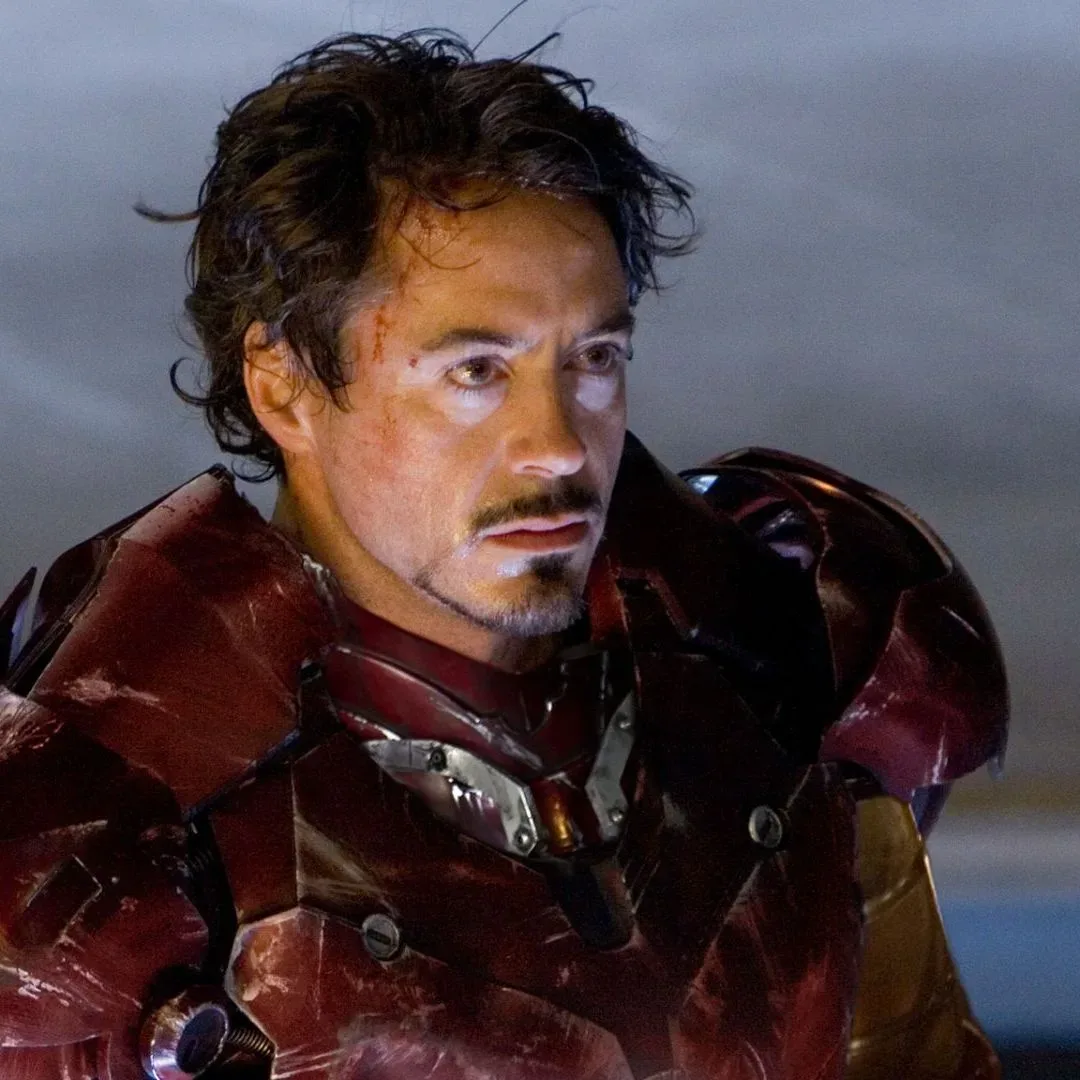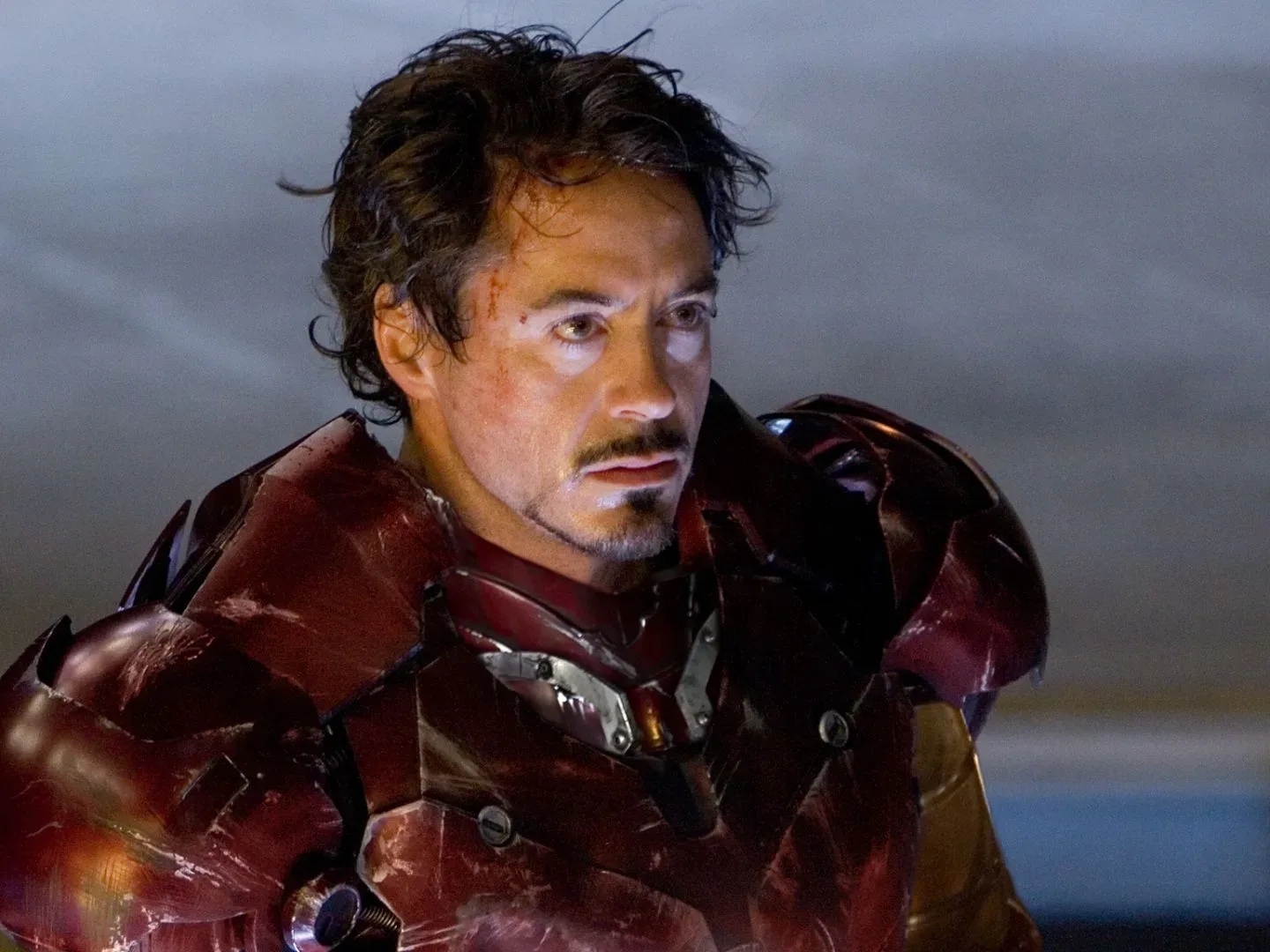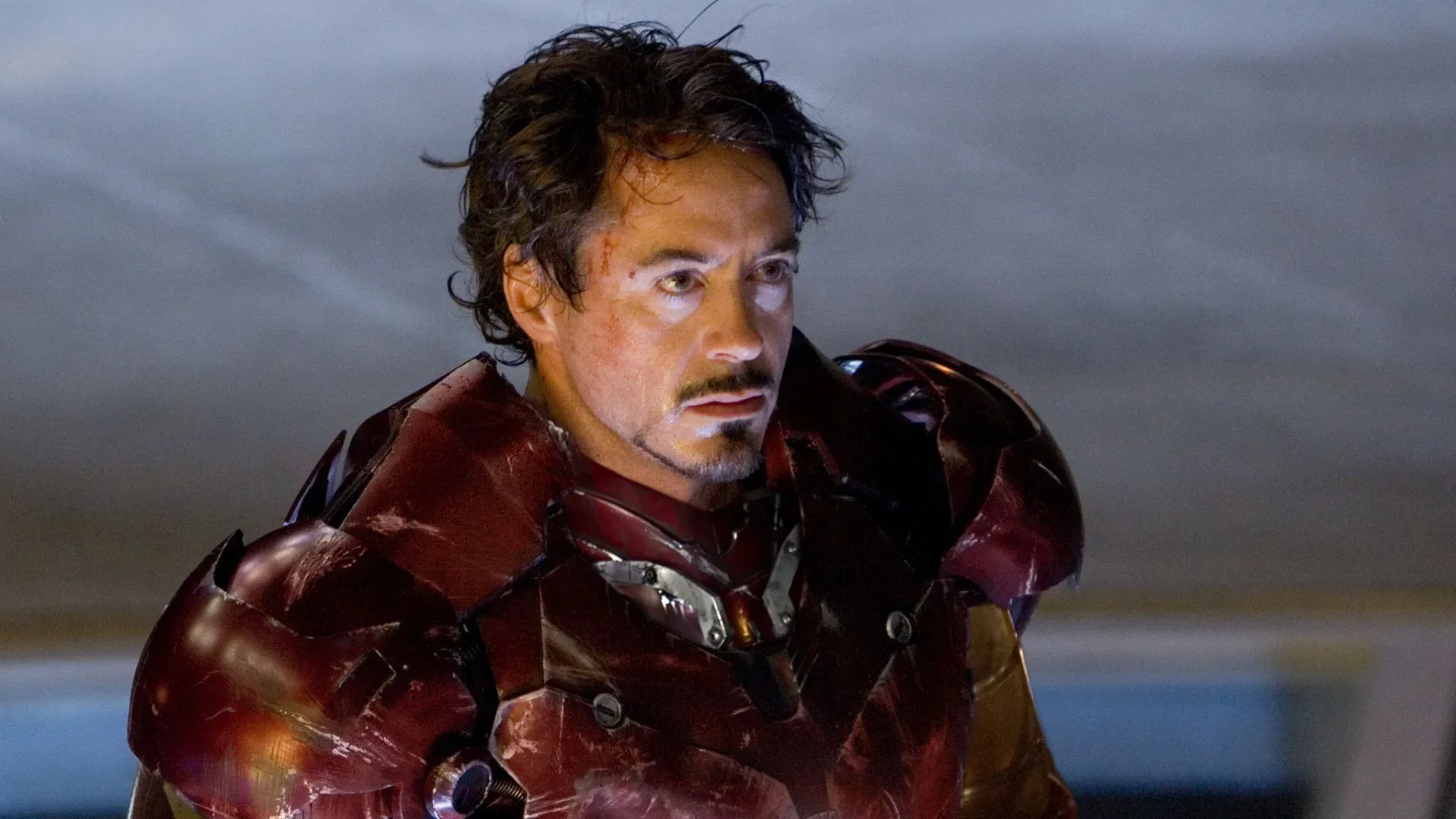
Two decades after Robert Downey Jr. was announced as Tony Stark, a clip described as one of his final screen tests has found a new audience online. The footage is less a lost alternate version of Iron Man than a compact reminder of what Marvel appeared to see in the actor before the character became inseparable from him: confidence that can turn abrasive, a quick improvisational instinct, and enough emotional voltage to make the bravado feel like more than a joke-delivery system.
The resurfaced material was shared alongside a report dated September 29, 2006, when Downey’s casting was still news rather than superhero-movie canon. At that point, the choice had reportedly received a mixed reaction. Some fans questioned both his age and his previous on-screen history. That response is worth remembering now, because hindsight has made the decision feel inevitable. It plainly was not treated that way by everyone at the time.
Marvel’s Kevin Feige acknowledged that casting announcements invite strong preconceptions. His argument was not that audiences would immediately agree, but that the creative team had considered the field and reached its most confident decision. The essential claim was simple: “he is Tony Stark.”
Twenty years later, the test clip gives that statement a useful visual counterpart. It does not prove that one audition moment alone created a sprawling film universe; no screen test could carry that much historical weight by itself. It does show why the casting could inspire conviction before viewers had seen Downey carry a finished feature as Stark.
What the screen test reportedly contains
The footage includes a scene involving Stark and a female journalist, with Stark behaving in the arrogantly performative fashion audiences would later associate with the character. It also includes an intense exchange with Rhodey. Between those pieces, Downey reportedly improvises, drawing laughter from executives watching the audition.
Those details matter because they sketch the range the role needed. Stark’s public persona is not merely self-confidence. It is showmanship, deflection and a willingness to dominate a room. In a short audition, an actor has to make that energy legible quickly without making the character so unpleasant that nobody wants to follow him. The journalist scene appears to have been a direct opportunity to demonstrate the first half of that challenge: a Tony Stark who is funny and magnetic, but also egotistical enough to generate friction.
The Rhodey material points to the other half. A character who only performs arrogance is thin. An intense scene with a close counterpart gives the actor a chance to reveal what happens when the polished persona meets resistance. The reported combination of comic improvisation and serious conflict therefore looks especially well chosen for a screen test: it samples several tonal demands without pretending to be the finished film.
Screen test, audition and improvisation: the terms in context
A screen test is filmed material used to judge how a performer reads on camera and fits a prospective role. It is different from simply hearing a voice or reading lines in a room. Camera-facing timing, physical presence, reactions, pacing and chemistry with another performer can all become visible in a way a written description cannot capture.
An audition is the broader casting evaluation. A screen test is one possible part of it, and can be especially important for a character expected to anchor a major production. The newly circulated footage is described as coming from one of Downey’s final tests, which is significant not because it reveals every stage of the selection process, but because it captures the role close to the point at which Marvel made its decision public.
Improvisation, meanwhile, means an actor adds or alters material beyond the strict prepared wording. The report says Downey improvised during the test and made the room laugh. That does not mean every later Stark moment was invented on the spot, nor does it establish how any specific film scene was written. What it does suggest is that Downey’s comic reflexes were visible in the casting room itself. For a character built around verbal momentum and ego, that is a particularly relevant quality to demonstrate.
Why the clip feels pivotal now
Fans revisiting the test have framed it as a pivotal MCU moment, with some saying it is difficult to imagine another actor in the role. That reaction reflects the unusual afterlife of a successful casting decision. Once an actor’s performance has shaped a character for years, people do not just remember the person who was hired; they revise their sense of what the role was capable of being.
Here, the distance between initial skepticism and present-day certainty is the story. The casting was debated before audiences had a finished performance to judge. Later, Downey’s Stark became one of the defining faces of the Marvel Cinematic Universe, or MCU—the interconnected Marvel film series in which characters and storylines cross between titles. The test does not erase the fact that uncertainty existed. Instead, it preserves the moment before consensus formed.
That makes it more interesting than a simple nostalgia clip. It is an artifact of decision-making under uncertainty. Marvel was asking audiences to accept an actor in a role that carried expectations, while audiences were making judgments based on their own ideas of Tony Stark and their understanding of Downey’s career. The finished result changed those expectations so thoroughly that the earlier objections now read as a snapshot of an unsettled future.
There is a practical lesson for viewers in how to read such footage. A screen test should not be treated as a complete performance or a secret deleted scene. It is a tool: concentrated, selective and made to answer the question of fit. Its value lies in showing the ingredients the filmmakers could evaluate—comic speed, arrogance, tension, presence—not in serving as a standalone chapter of Stark’s story.
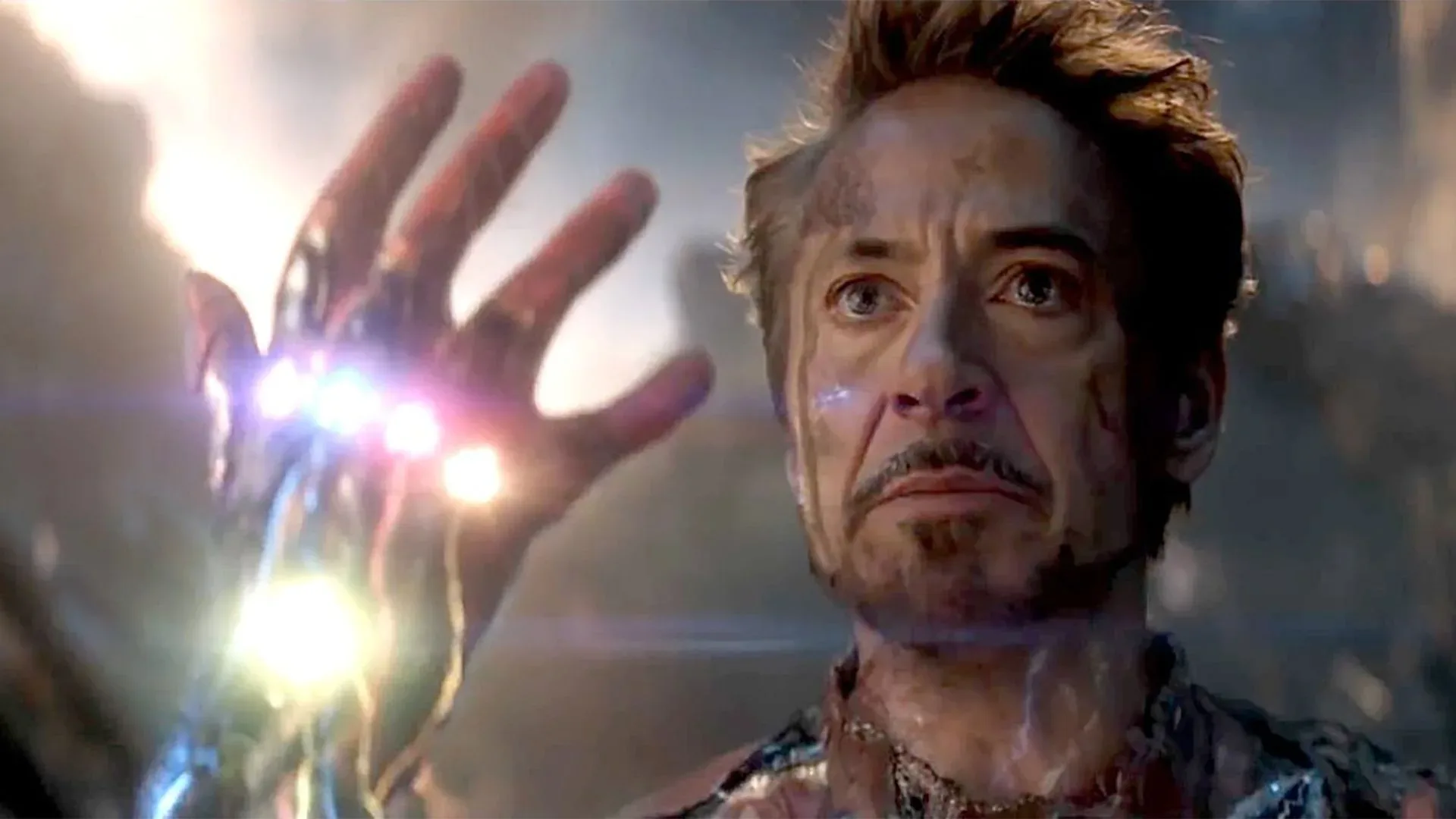
It also helps explain why clips like this travel so quickly years later. They give fans a rare before-and-after comparison. In the “before,” Downey is attempting to establish a character. In the “after,” viewers bring their knowledge of Tony Stark’s entire MCU arc, including the character’s ending in Avengers: Endgame. The gap between those two perspectives turns an old audition into a fresh conversation.
Downey’s next MCU role brings a different kind of uncertainty
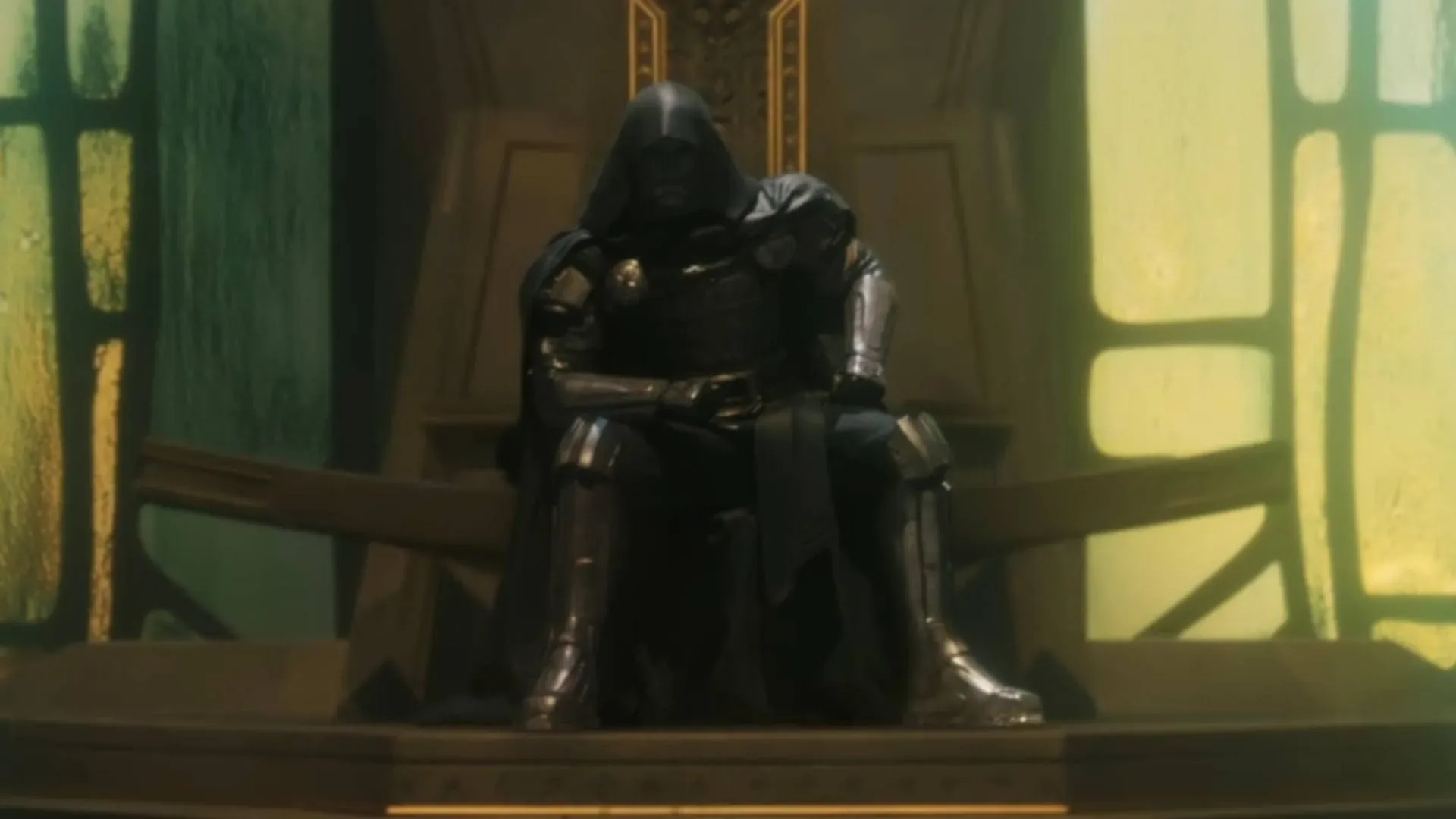
Downey is set to return to the MCU as Doctor Doom in Avengers: Doomsday, a casting decision that has also been met with mixed emotions. The parallel is obvious but should not be overstated. Tony Stark and Doctor Doom are distinct characters, and admiration for one performance does not automatically answer whether another role will work. The old screen test offers evidence of why Marvel’s 2006 confidence was eventually rewarded; it is not advance evidence for a performance audiences have not yet seen.
Still, the rediscovered footage gives the current debate a sharper frame. It recalls that even a casting now regarded by many as fundamental to superhero cinema once faced doubt. For viewers debating Downey’s return, that is not an instruction to suspend judgment. It is a reason to separate an understandable first reaction from a final verdict.
Avengers: Doomsday is scheduled for December 16 in the UK and December 18 in the US. Until then, the Stark test remains a compelling bit of MCU prehistory: a few filmed scenes, an actor evidently willing to play, and a casting team betting that audiences would eventually see the same person they did.
As superhero franchises keep expanding, the question is not only which characters return, but why certain portrayals endure. Downey’s Iron Man audition offers one answer: the most memorable casting can begin with a performer making a character’s contradictions feel immediate before the armor, the mythology and the enormous shared universe arrive. For another angle on the modern problem of finding something worth watching amid an overstuffed entertainment menu, see this look at tools designed to untangle streaming queues.