Major spoilers for Avengers: Endgame follow, along with discussion of the setup surrounding Avengers: Doomsday.
There is a sensible case for revisiting a lot of Marvel Cinematic Universe history before Avengers: Doomsday. The franchise has expanded through new heroes, television stories, cosmic locations, shifting teams and a full-on multiverse. But if time permits only one return trip, Avengers: Endgame is the cleanest and most useful choice.
That is not merely because it was a giant crossover or because it capped a decade-plus stretch of stories. Endgame is the point where the MCU changes its operating assumptions. It resolves the immediate catastrophe of the Blip, removes central figures from the board, breaks up the Avengers as audiences knew them, and makes alternate versions of familiar characters an unavoidable part of the storytelling language. Its plot machinery and its emotional stakes both remain unusually relevant to a future Avengers event.
Most importantly, Endgame explains why the MCU’s future can feel simultaneously continuous and unstable. The heroes have history, losses and obligations that cannot simply be erased. Yet the film also demonstrates that time travel and alternate realities can put recognisable faces, places and outcomes back in play in radically different forms. That tension is likely to be worth keeping fresh before Doomsday.
Endgame does not just end a saga; it changes the board
The most visible result of Endgame is the restoration of the people lost in the Blip. In practical narrative terms, though, restoring them does not restore the old Avengers status quo. The original group does not walk away intact, and Earth-616 becomes a setting defined by absence as much as by triumph.
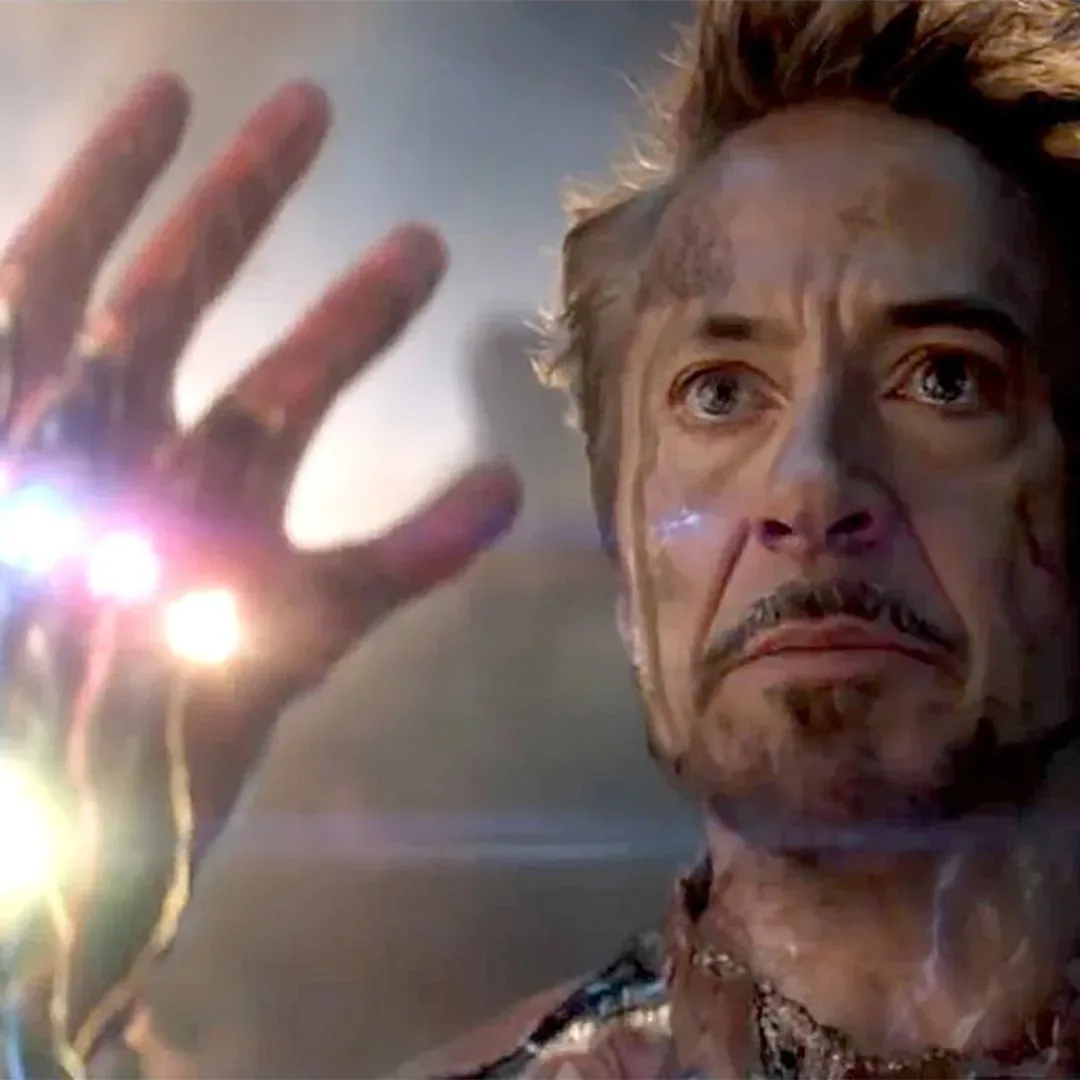
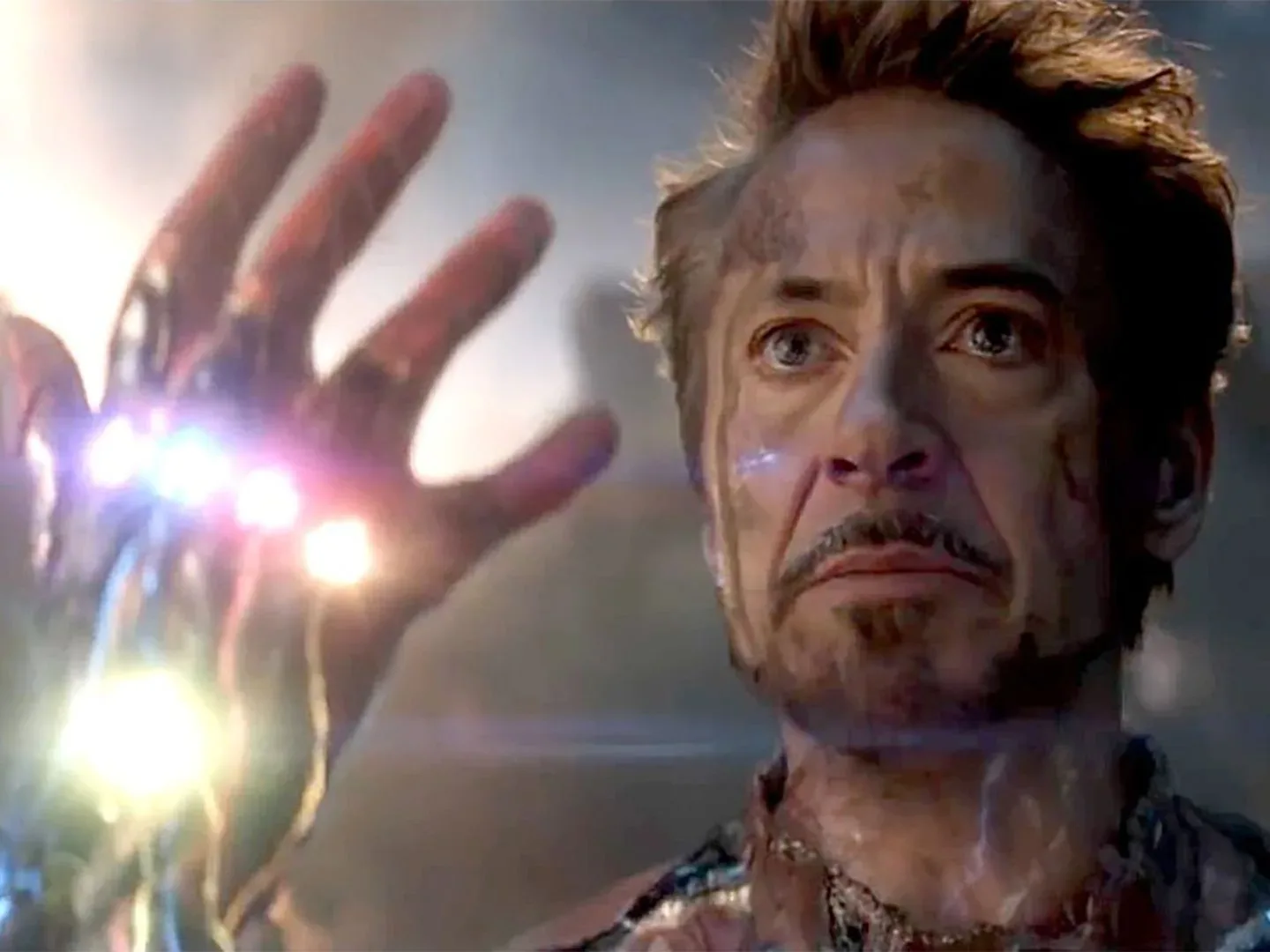
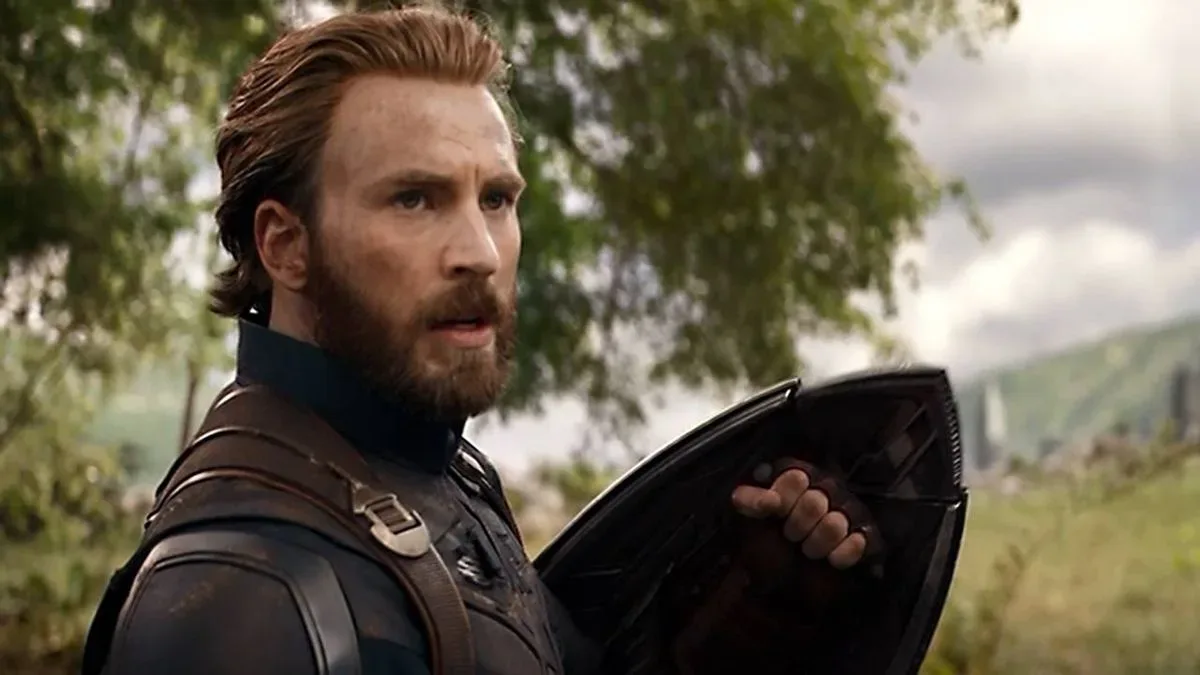
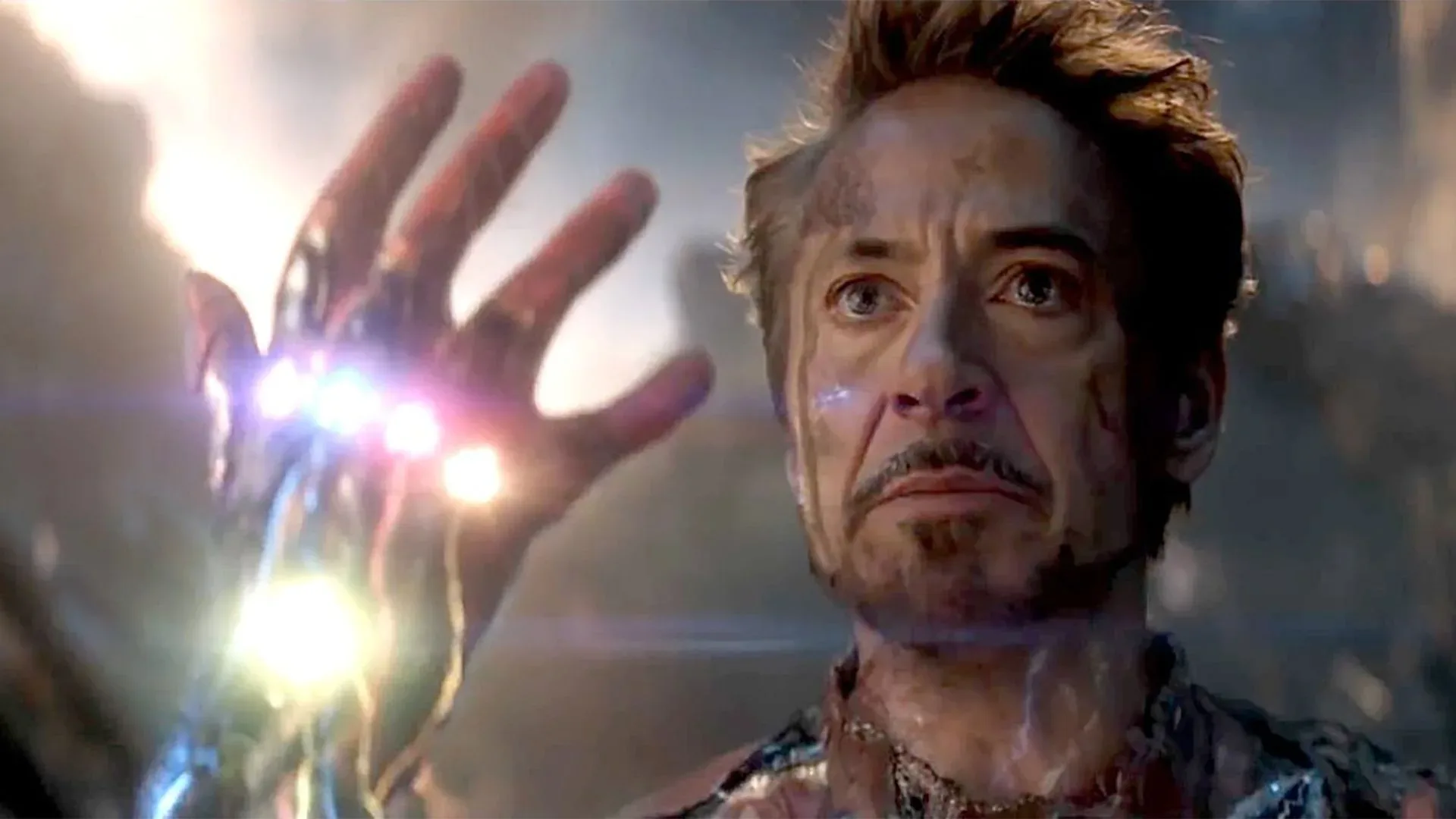
Tony Stark dies after using the Infinity Stones to stop Thanos and his forces. Steve Rogers completes his own journey and leaves behind his active role. Thanos, the defining villain of the preceding conflict, is defeated. Those outcomes give the film real finality, but they also create room for the characters and series that followed: Peter Parker’s ongoing development, Wanda’s later story, Shang-Chi’s arrival, Yelena Belova’s introduction and the new television era associated with WandaVision.
For a Doomsday refresher, that aftermath matters more than memorising every cameo from Endgame’s final battle. The next Avengers-scale threat arrives in a world that no longer has its former central leadership structure. A team-up movie built after Endgame necessarily carries a different question: not simply whether the heroes can win, but who is capable of holding a vast, divided set of heroes together.
Endgame is also an effective reminder that the MCU’s continuity has never been solely a list of events. It is a record of relationships. Tony and Steve’s strained reconciliation, Tony and Peter’s bond, Natasha Romanoff’s commitment to the team, and Clint Barton’s determination to reclaim his family are all part of the movie’s engine. The spectacle works because the characters treat the outcome as personal.
That lesson has practical value for a rewatch. Rather than trying to turn Endgame into an encyclopaedia entry, focus on what each returning hero believes they have lost, what they are willing to risk, and what is permanently changed by the end. Those are the details most likely to make a new crossover’s reunions, substitutions and conflicts land with weight.
The time-heist is the MCU’s major multiverse turning point
Endgame’s time-heist is crucial because it takes an extraordinary premise and turns it into a working story device. Tony Stark, Rocket and Bruce Banner develop a means to move through time, allowing the surviving heroes to revisit earlier moments and seek the Infinity Stones. The plan does not simply replay old scenes for nostalgia. It creates divergence, including the route by which a past version of Thanos learns of the Avengers’ effort and reaches the present-day conflict.
That is an early, accessible illustration of a concept that later Marvel stories explore more explicitly: an alternate reality can contain a version of a familiar person whose experiences, motives and allegiances are not the same as those of the person audiences already know.
A quick guide to the terms
- Earth-616: The designation used for the MCU’s principal reality in this context.
- Alternate reality: A different version of events or a separate timeline, allowing outcomes and characters to differ from the familiar world.
- Variant: A version of a character associated with another reality or timeline. A variant can resemble a known hero or villain without sharing that character’s life story.
- Time travel: Movement to another point in time. In Endgame, it is the mechanism that gives the Avengers access to earlier events and indirectly enables past Thanos to enter the present conflict.
Later projects such as Loki and Doctor Strange in the Multiverse of Madness extend the implications of variants and multiple realities. But Endgame is where the stakes become concrete on an Avengers scale. The heroes’ attempt to repair one disaster opens a path for another Thanos to threaten existence. The film’s warning is not that time travel is inherently evil; it is that changing the rules of access changes who can enter the story.
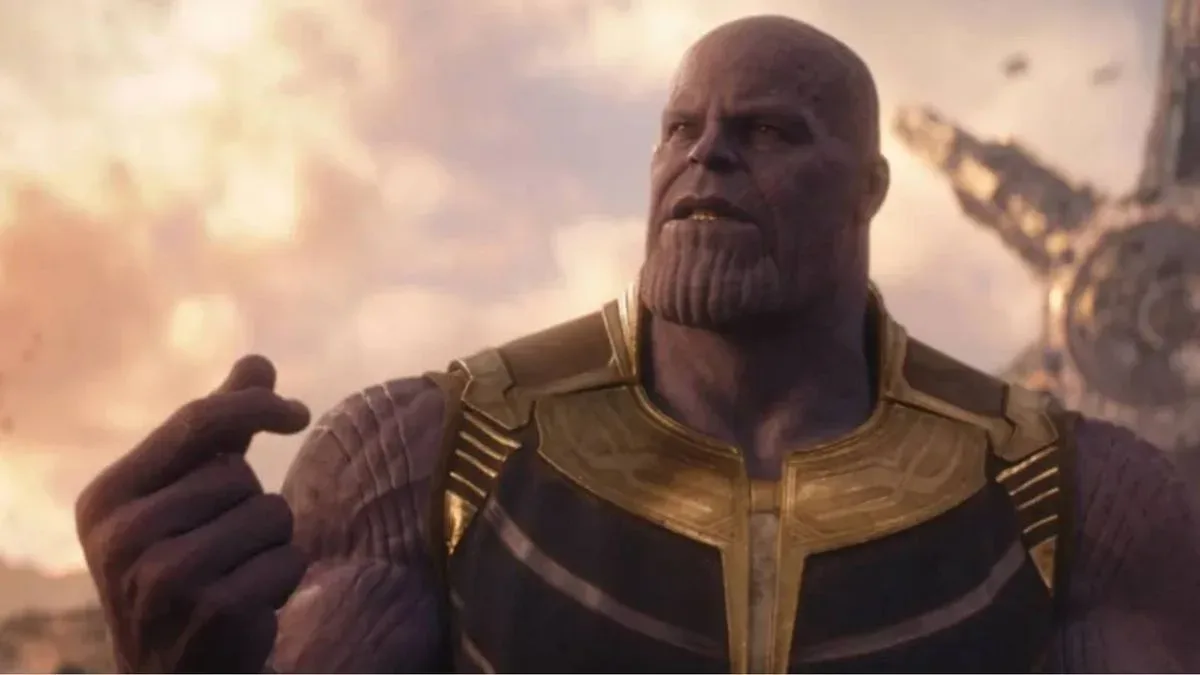
That makes Endgame a strong primer for Doomsday even if viewers do not want to undertake a full chronological MCU marathon. It establishes the franchise’s willingness to bring back an apparently settled conflict through another version of the antagonist, while preserving the emotional importance of the original outcome. The Thanos who attacks at the end of Endgame is not the same Thanos who was killed earlier in the film, but the danger he represents is no less immediate.
The result is a useful framework for approaching any future appearance by a familiar actor or character: resemblance alone is not identity. The MCU can use recognition as a dramatic tool while asking the audience to reckon with a different person behind a familiar face.
Tony Stark’s ending gives Doomsday an emotional reference point
Robert Downey Jr.’s Tony Stark is at the center of Endgame’s final emotional movement. The character begins the broader MCU as Iron Man and becomes a vital connective figure for the Avengers, even when his instincts and methods create conflict. By Endgame, he has a family and has stepped back from the constant cycle of crisis. Returning to help is therefore not a casual decision. It requires him to put a hard-won private life at risk for a chance to reverse universal loss.
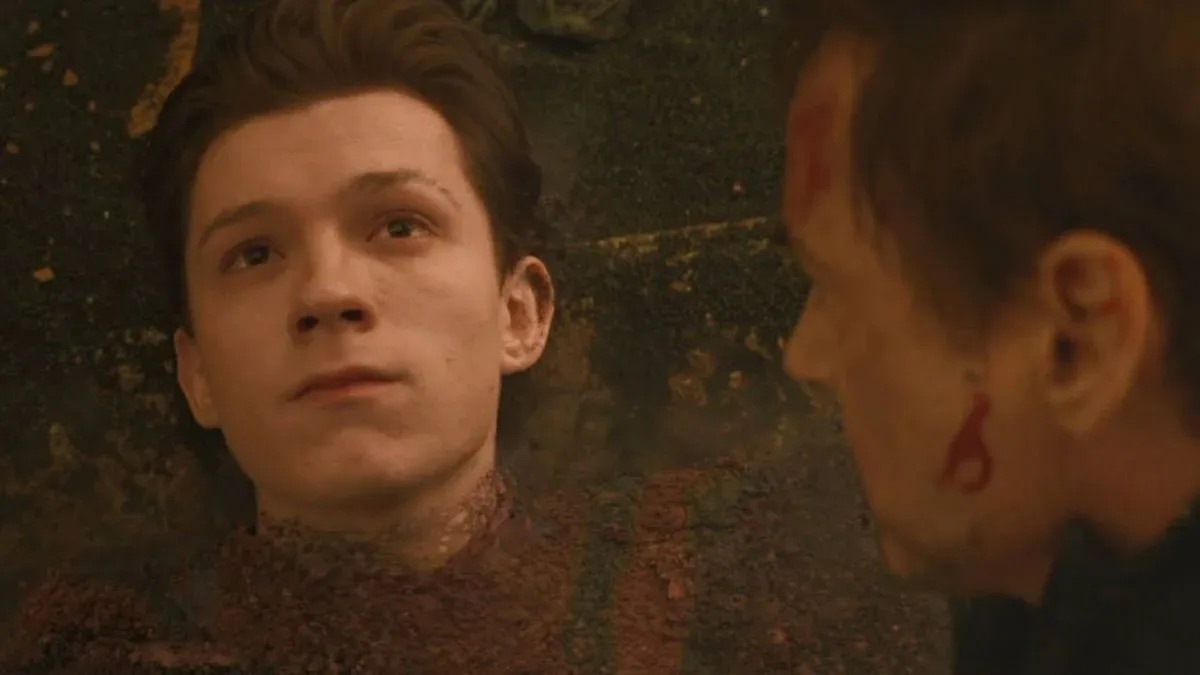
His final act is sacrifice. Peter Parker, who had disappeared in Tony’s arms during the earlier catastrophe, is there in Tony’s final moments after returning. That reversal is simple, painful and structurally important: Endgame closes Tony’s heroic story by linking it to one of the relationships that best defined his later MCU appearances.
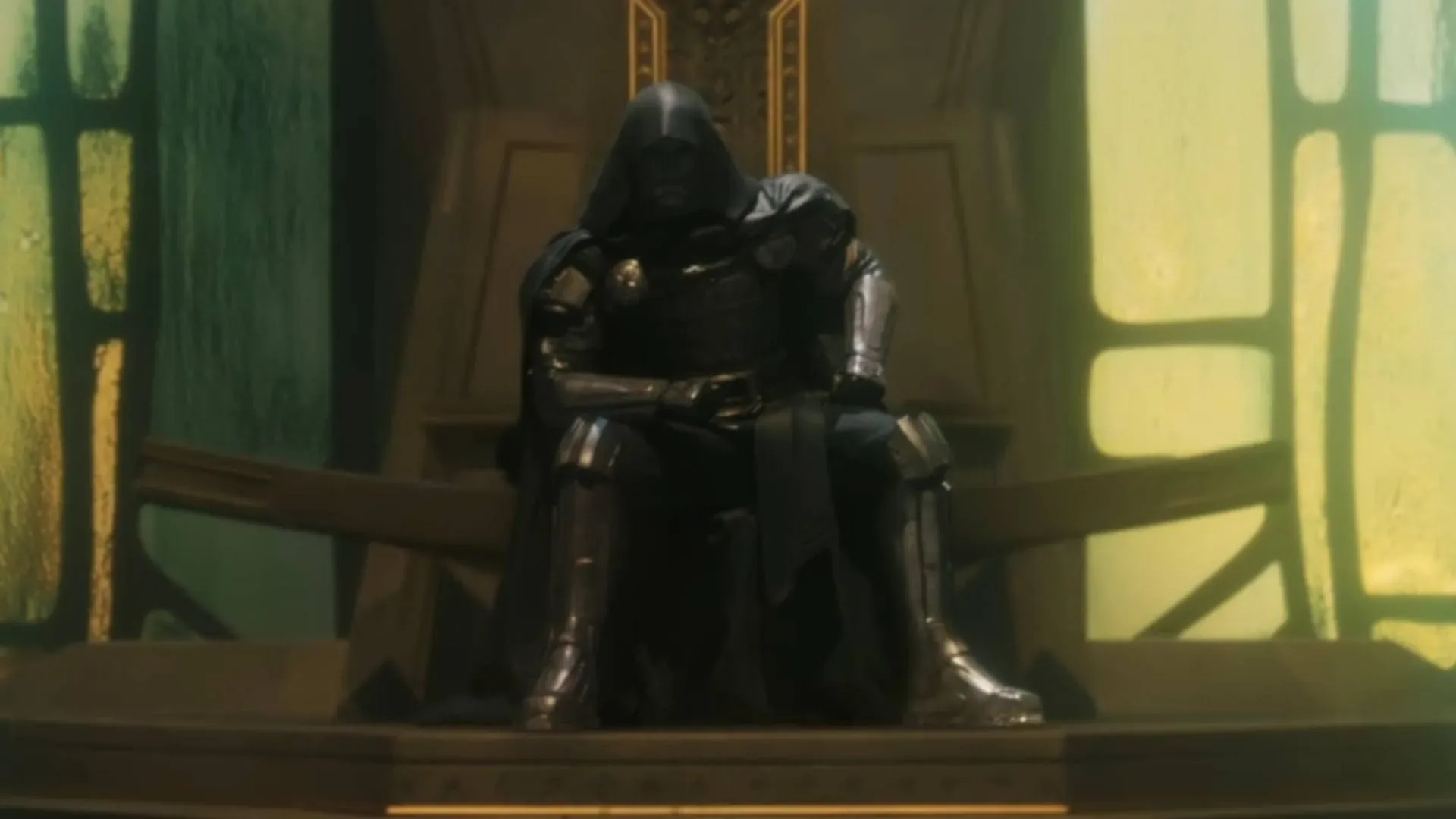
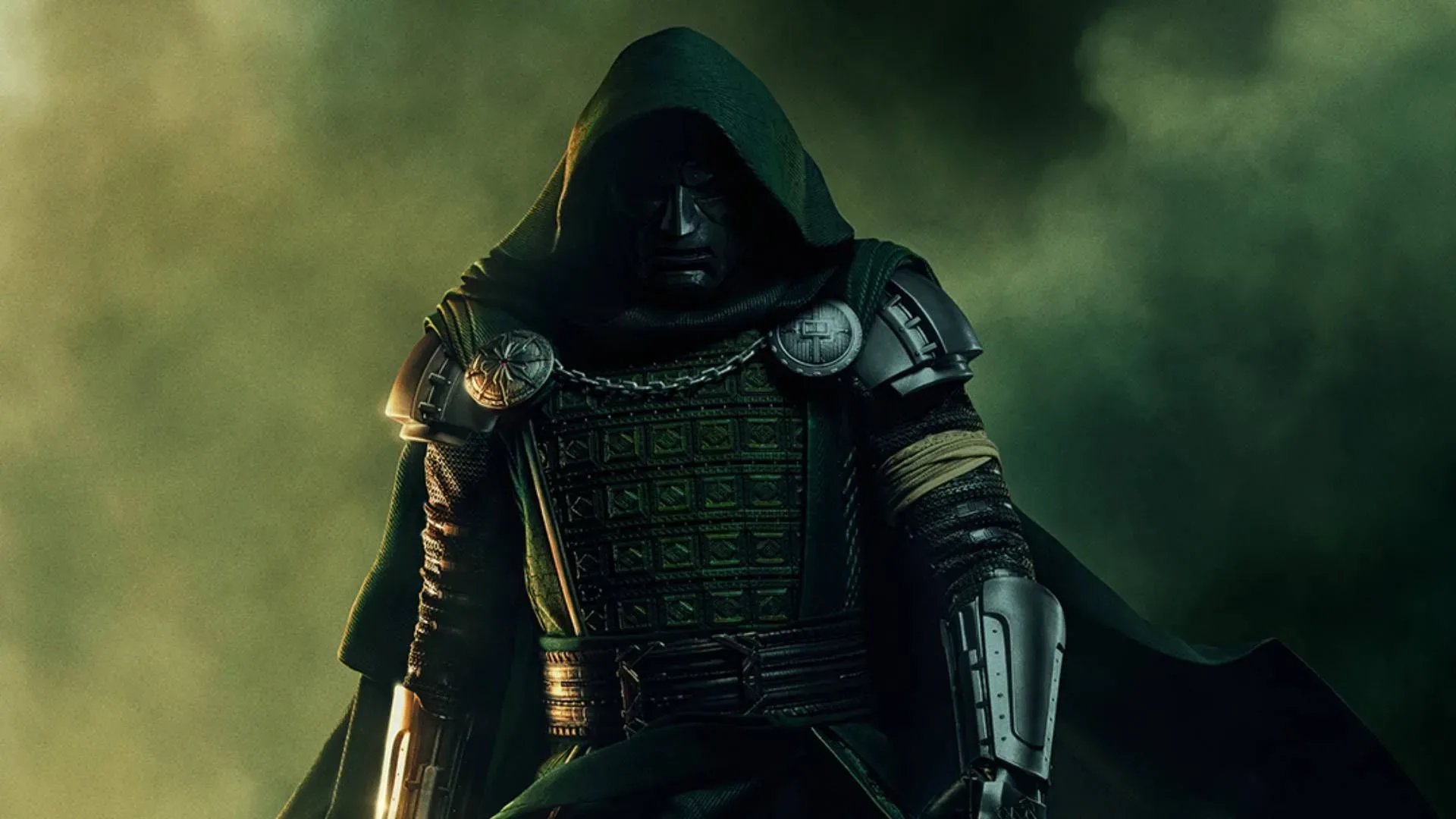
Downey Jr.’s involvement as Doctor Doom in Avengers: Doomsday gives that ending added tension. It will be difficult, by design, to separate the image of Iron Man from the performer now set to portray a major threat. A rewatch of Endgame will not tell audiences exactly how that casting will be explained, and it should not be treated as proof of a specific plot mechanism. It does, however, clarify why the contrast carries such force. Tony’s final defining choice is selfless; Doctor Doom is being positioned as an adversarial presence.
In other words, Endgame may be less important as a clue sheet than as emotional calibration. Viewers are likely to bring years of association with Tony Stark into Doomsday. Seeing where that story ends makes the new role’s dissonance sharper, whether the eventual film leans into variants, separate identities, audience expectation, or something else entirely.
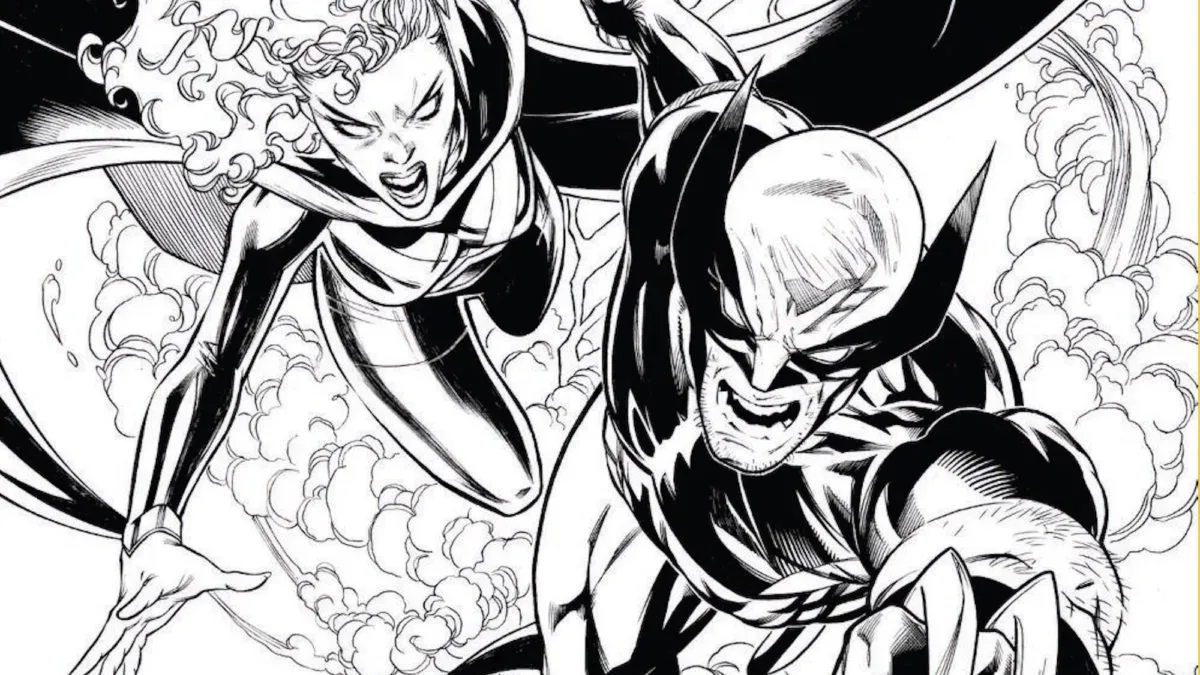
Marvel’s comic-book history has plenty of room for different versions of heroes and villains, as illustrated by stories that can put established X-Men against enormous cosmic threats, including Storm, Wolverine and Colossus facing the Annihilation Wave. The MCU, however, has its own screen continuity and its own rules. Endgame is the key on-screen text for understanding the emotional baggage attached to a familiar face returning in an unfamiliar role.
What the Encore edition adds—and what it does not
Avengers: Endgame Encore retains the original film while adding four post-credits scenes intended to build a bridge toward Doomsday. The extra material addresses the fates or situations of certain heroes, offers a brief explanation connected to one character’s defiance of time’s usual limits, and points toward where heroes will be when Doomsday begins. One thread involves a character whose status after Spider-Man: Brand New Day is uncertain and whose role in Doomsday has not been confirmed.
That makes Encore potentially valuable for viewers who want every currently available connective piece. It is not essential viewing for someone whose goal is simply to understand the original Endgame story or to enjoy Doomsday. The original film has not been altered, and the additional scenes are best understood as supplemental setup rather than a replacement for the main feature.
The edition is also available in InfinityVision, described as Marvel’s version of IMAX. That format choice may appeal to fans seeking a theatrical-scale return to the film, but it does not change the fundamental rewatch priority: the heart of Endgame is still the original narrative, its losses and its leap into the possibilities of altered timelines.
A spoiler-conscious Endgame rewatch plan
For anyone revisiting Endgame specifically as preparation rather than as a completionist exercise, a focused approach can keep the three-hour journey purposeful:
- Watch the opening aftermath closely. Note how the survivors are changed by the Blip and how fractured the remaining Avengers are before the time-heist begins.
- Follow the rules, not just the destinations. The individual trips to earlier MCU moments are fun, but the important Doomsday-related takeaway is that these choices produce consequences beyond the team’s control.
- Track the difference between the two Thanoses. The film makes alternate versions of a character narratively dangerous rather than merely decorative.
- Give Tony’s final arc room to breathe. His home life, reluctance, return to the mission and last sacrifice are the key context for the emotional whiplash of Downey Jr. returning in another role.
- Stay through the credits if watching Encore. The four new stingers are optional context, but they are the portion designed to look forward toward Doomsday.
There is no need to force every later MCU storyline into Endgame’s frame. The franchise has grown too wide for one film to explain all of it. Still, Endgame remains the best single reminder of both halves of the current MCU equation: consequences matter, and the multiverse can make the seemingly impossible possible.
Avengers: Endgame is streaming on Disney Plus. Avengers: Doomsday is set for December 18, while Endgame Encore is in theaters.