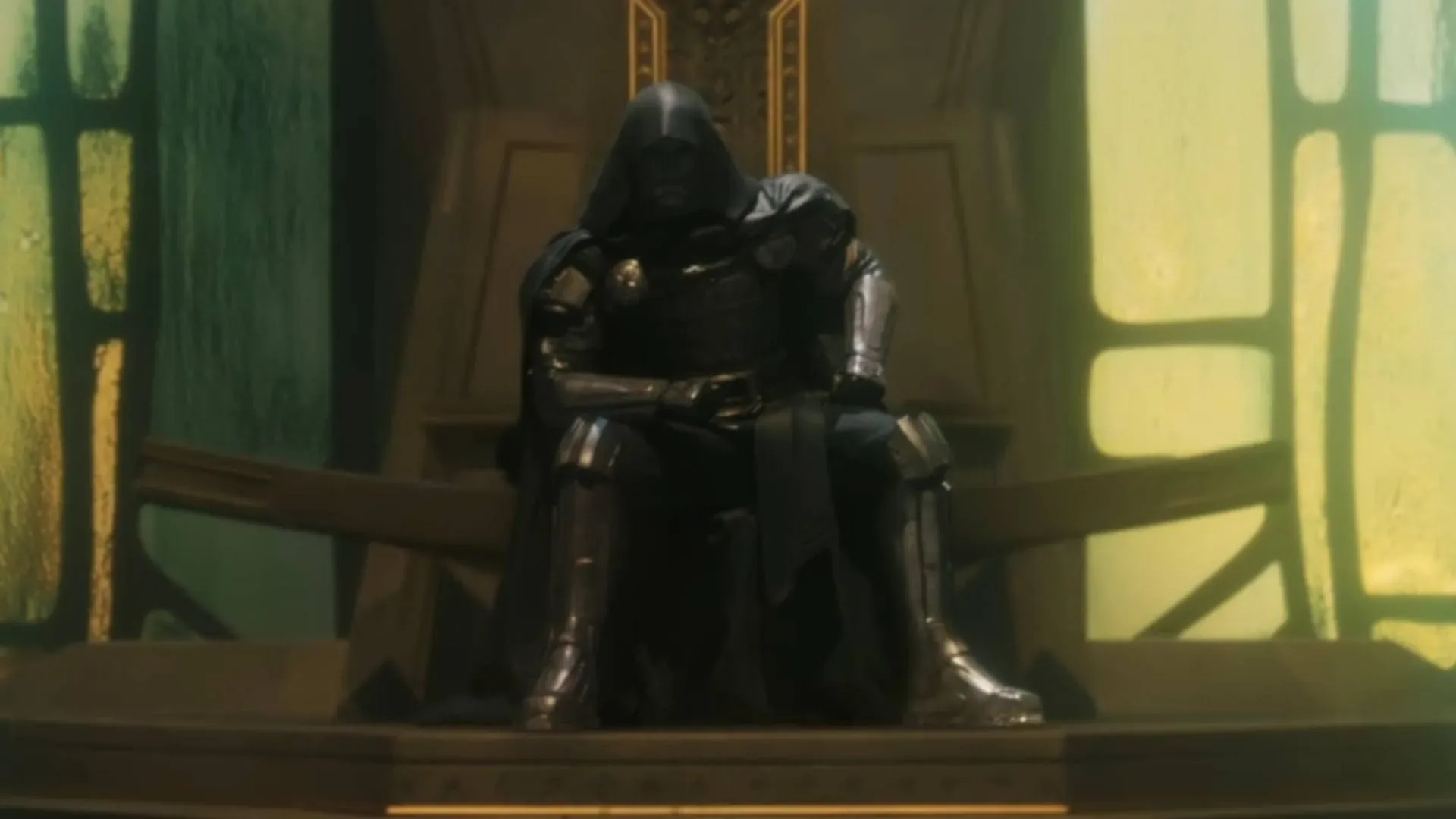
Robert Downey Jr. has put an unusually large creative ambition behind his forthcoming Marvel Cinematic Universe return. Rather than framing his role in Avengers: Doomsday as a simple reunion with a familiar franchise, the actor says the attraction was the chance to “redefine the genre of superhero movies.”
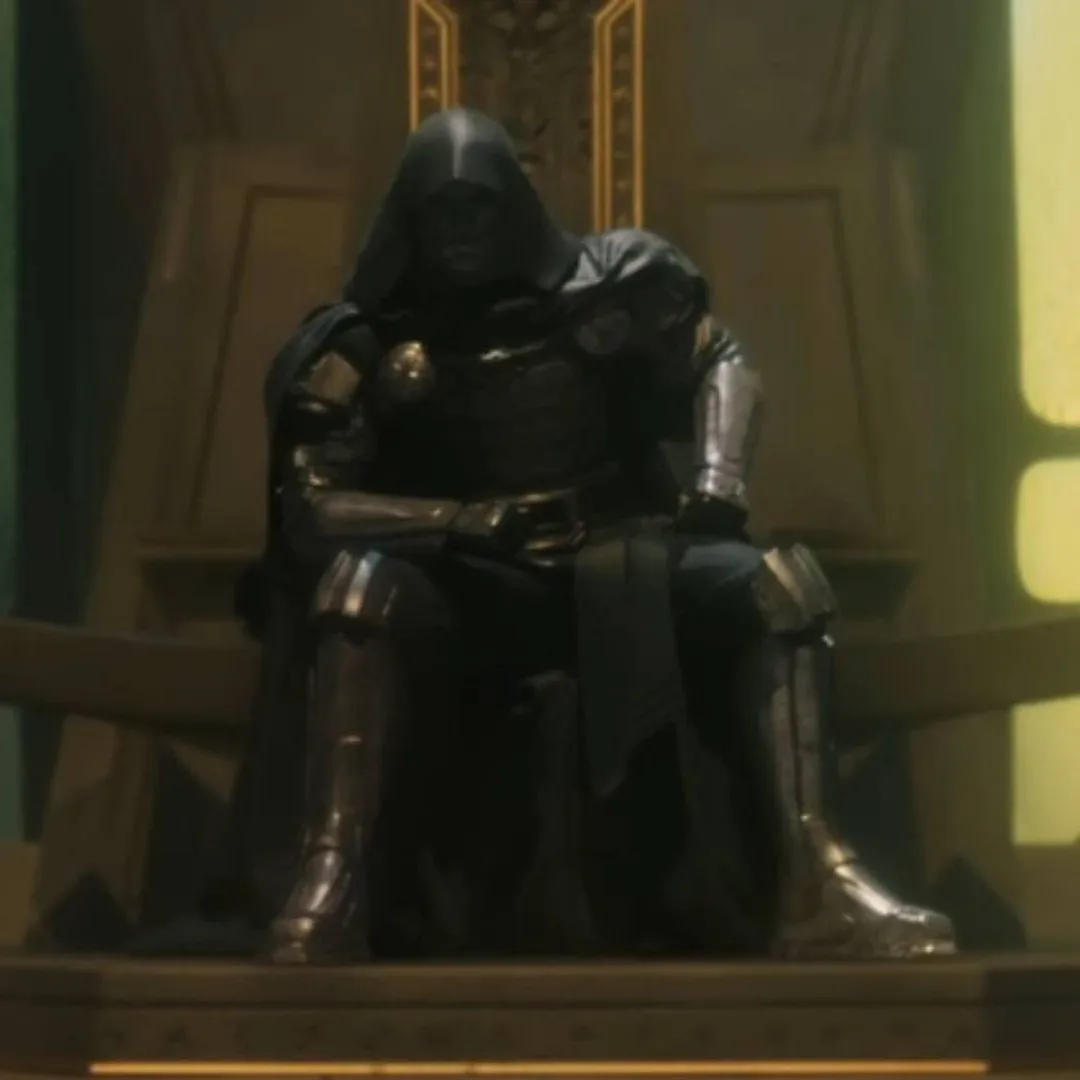
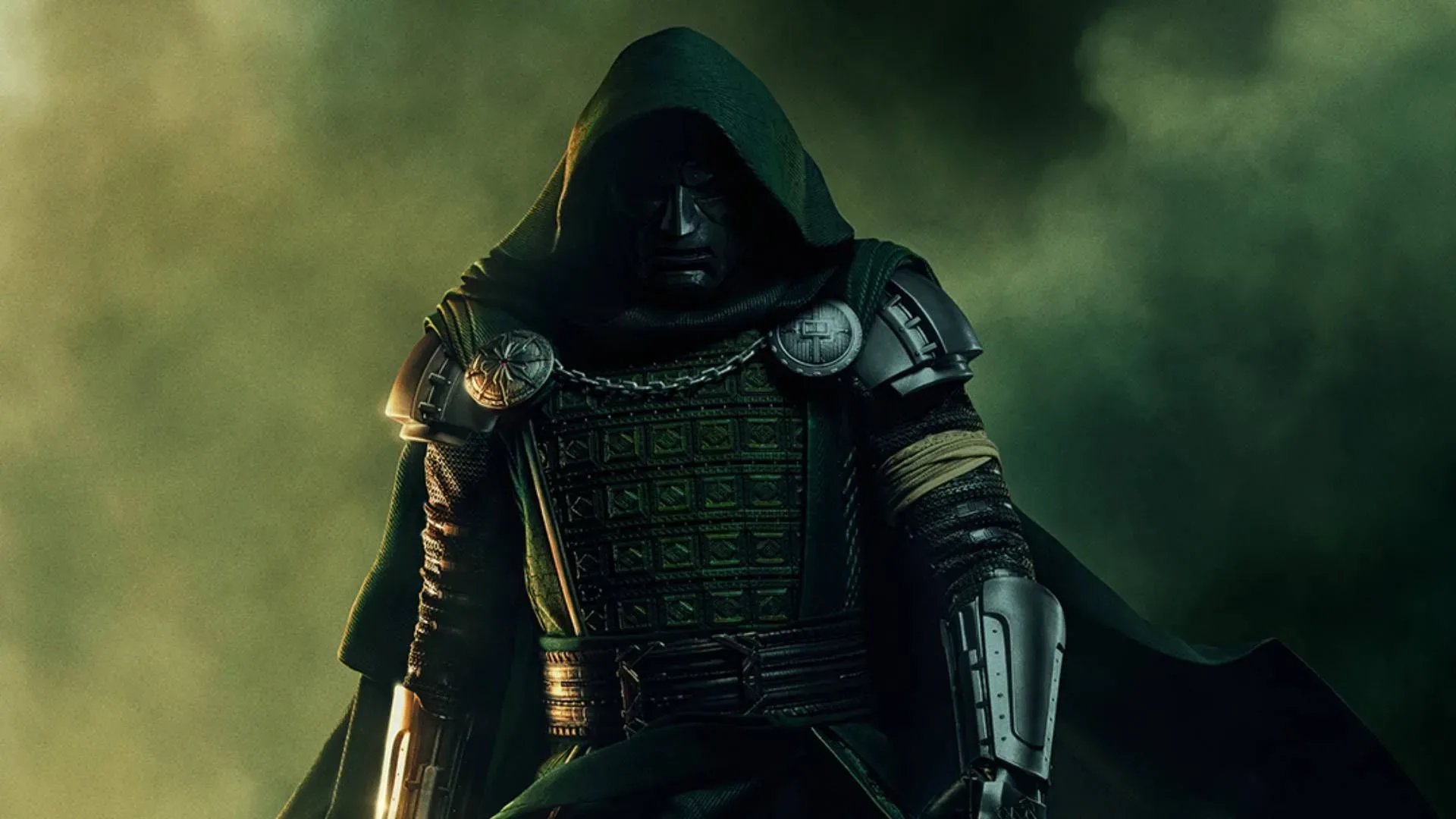
Downey Jr. is returning to the MCU as Victor Von Doom, also known as Doctor Doom, rather than reprising Tony Stark. The distinction is central to the story. He is not being positioned as the character whose MCU arc culminated in Avengers: Endgame; he is joining the next Avengers event as its major villain and, by description, the team’s most formidable adversary yet.
Speaking during a Countdown to Avengers: Doomsday podcast special centered on Endgame, Downey Jr. said the proposed challenge was the reason to come back. He described the goal as a tall order, but said he, Marvel Studios president Kevin Feige and the wider group wanted to change things up, find material that excited them and trust that audience enthusiasm could follow.
That is a lofty mission statement, and it should be treated as one. It tells viewers more about the creative intent being presented around Doomsday than it does about its plot, style or final quality. No specific story mechanics, filmmaking approach, or definition of what “redefine” means have been supplied. Still, the remark matters because it acknowledges the challenge facing a giant shared-universe film in the current climate: recognition alone is not necessarily enough to make a superhero release feel essential.
A return built around a different character
Downey Jr.’s MCU history gives this casting an immediate layer of expectation. His new role is explicitly a new character, Victor Von Doom. That makes the performance, the film’s framing of Doom, and the relationship between the Avengers and their opponent especially important. Familiarity with Downey Jr. may draw attention, but the story will need to establish why this character belongs at the center of a new Avengers chapter.
Calling Doom an “iconic villain” sets the scale, while calling him the Avengers’ toughest opponent yet establishes the intended stakes. Those are positioning terms, not a detailed account of the conflict. They do not confirm powers, alliances, motivations, costume details, connections to prior characters, or how much of the film will be told from Doom’s perspective. Fans should be cautious about filling those gaps with assumptions.
That caution is particularly relevant after renewed speculation around the actor’s casting. A performer’s prior association with a famous hero can naturally invite theories about variants, hidden continuity twists or an altered version of an older character. But the confirmed information here is more straightforward: Downey Jr. is set to play Victor Von Doom in Avengers: Doomsday. Until the film provides more, that is the useful baseline.
What “superhero fatigue” means in this context
The discussion arrives amid concern that audiences have become more selective about superhero films. “Superhero fatigue” is not a technical industry measurement with one fixed threshold. It is a shorthand for a potential mismatch between a steady stream of comic-book releases and the public’s willingness to treat each one as a must-see event.
In practical terms, the concern is not that viewers can never enjoy superhero stories again. The supplied context itself points to the success of Spider-Man: Brand New Day. Instead, it suggests that a well-known label does not guarantee the same broad interest for every release. Several MCU films preceding Doomsday are described as disappointing with audiences and as underperforming at the box office.
That makes Downey Jr.’s emphasis on reinvention more than promotional flourish. A production trying to re-engage an audience needs a reason to stand apart beyond scale, continuity and the promise of future installments. His comments suggest that the team sees creative excitement as part of the solution: make a film that feels energizing to the people making it, and that energy may carry into the audience experience.
It is an understandable theory, though it is not a guarantee. Excitement inside a production can support a film’s identity, but viewers ultimately respond to the movie they receive. The important point is that Doomsday is being presented as a deliberate attempt to disrupt routine, rather than as business as usual for the MCU.
Strong pre-sales are promising, not a verdict
Avengers: Doomsday has reportedly shown strong early demand in pre-sales, including record-breaking performance before reaching theaters. That is a meaningful sign of anticipation. Pre-sales measure tickets secured ahead of release, so they can indicate how motivated the earliest buyers are and how effectively a campaign has converted attention into immediate commitments.
They do not, however, answer every question about a theatrical run. A pre-sale surge cannot by itself establish the film’s eventual audience response, its staying power after opening, or whether it changes broader attitudes toward superhero movies. Those questions require the film’s release and a much wider range of viewer behavior.
For now, the results support a narrower conclusion: there is substantial initial interest in seeing Downey Jr. return to the MCU in a new role and in watching the next Avengers event unfold. That alone makes Doomsday an important test for Marvel’s next phase of releases.
A slimmer release strategy raises the stakes
The studio has also announced a strategy shift involving fewer projects between Doomsday and the next major Avengers installment, Avengers: Secret Wars. Fewer projects can mean less competition for audience attention within the same franchise and more room for each release to register as an event. It can also place heavier pressure on the releases that do arrive, because each one carries more responsibility for sustaining momentum.
For Doomsday, that context matters. The film is not merely another standalone superhero entry. It sits at a transition point: Downey Jr. returns in a radically different role, the Avengers face Doctor Doom, and Marvel is adjusting the volume of its output on the road to Secret Wars.
That does not reveal the movie’s actual structure, but it explains why the messaging is so focused on change. A reduction in project volume is a strategy decision; “redefining the genre” is a creative aspiration. Together, they signal a desire to make the upcoming Avengers films feel more distinct and consequential.
The Endgame rerelease is part of the runway
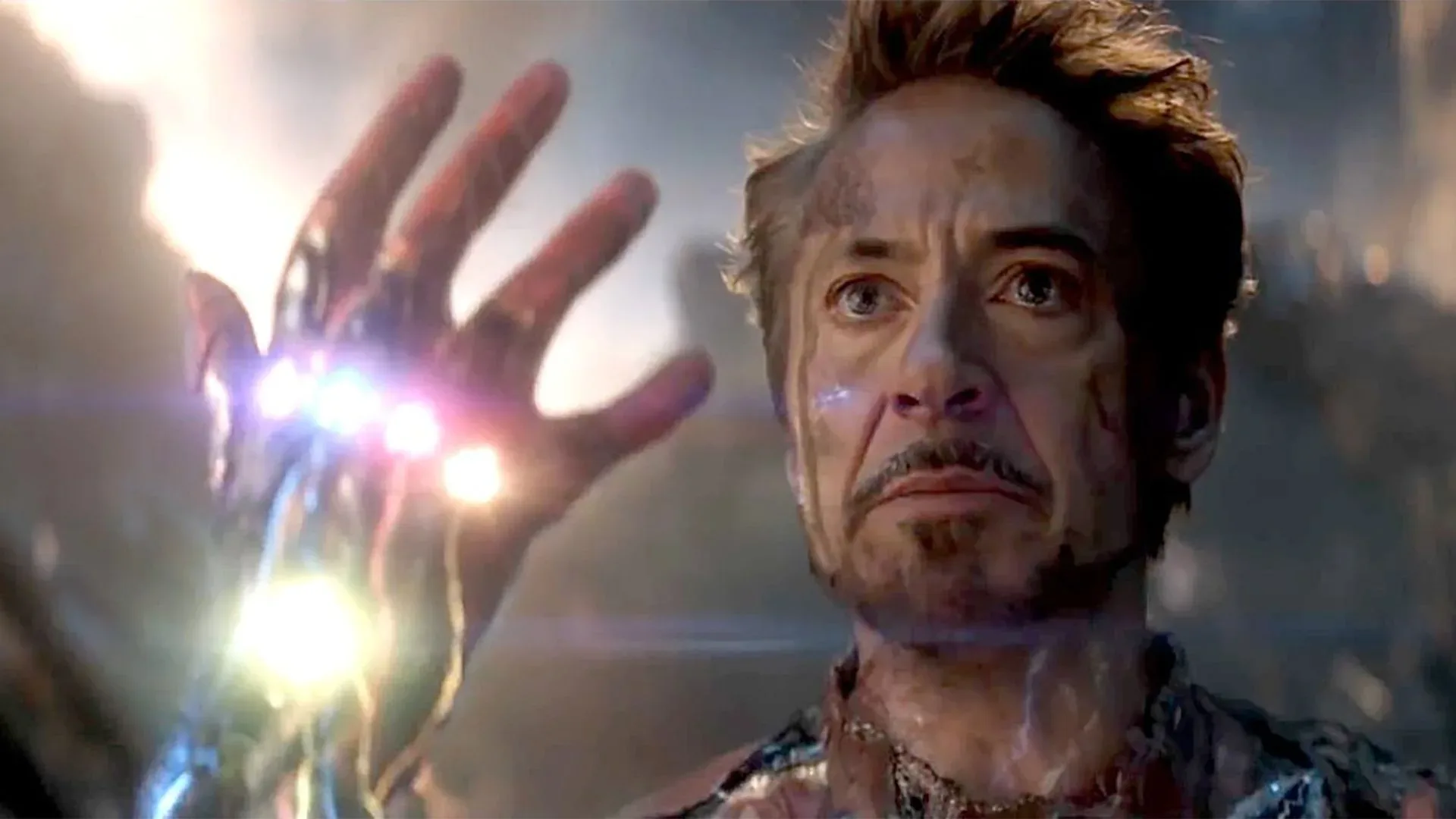
The theatrical rerelease of Avengers: Endgame is also carrying new teases for Doomsday. The connection is clear: Endgame remains a major emotional and narrative reference point for MCU audiences, while Downey Jr.’s return makes that history impossible to ignore.
Viewers interested in that setup can follow the current discussion around the Endgame encore and its Doomsday setup. The rerelease offers a bridge between an earlier Avengers milestone and the next one, while the added material encourages audiences to look forward rather than regard the screening as a purely retrospective event.
Even so, the new footage should not be mistaken for a complete explanation of Doomsday. Teases are designed to create interest, not to provide a full account of Doctor Doom’s role or the film’s central conflict. The confirmed essentials remain relatively focused: Downey Jr. is back, he is playing Victor Von Doom, and the movie is being positioned as an ambitious effort to refresh the superhero-event formula.
The real question facing Doomsday
Downey Jr.’s goal sets a demanding standard. To redefine a genre means more than reviving a beloved face or assembling a large-scale crossover. It implies delivering an experience audiences perceive as fresh enough to change expectations. Whether Avengers: Doomsday achieves that will depend on the finished film, not on its pre-release language.
But the ambition is clear. Marvel is pairing one of its best-known performers with a new villainous identity, leaning on early ticket demand, using an Endgame rerelease to seed interest, and narrowing its project strategy between two Avengers films. The objective is not merely to remind viewers why the MCU once felt like an event. It is to make the next event feel different enough to earn that status again.