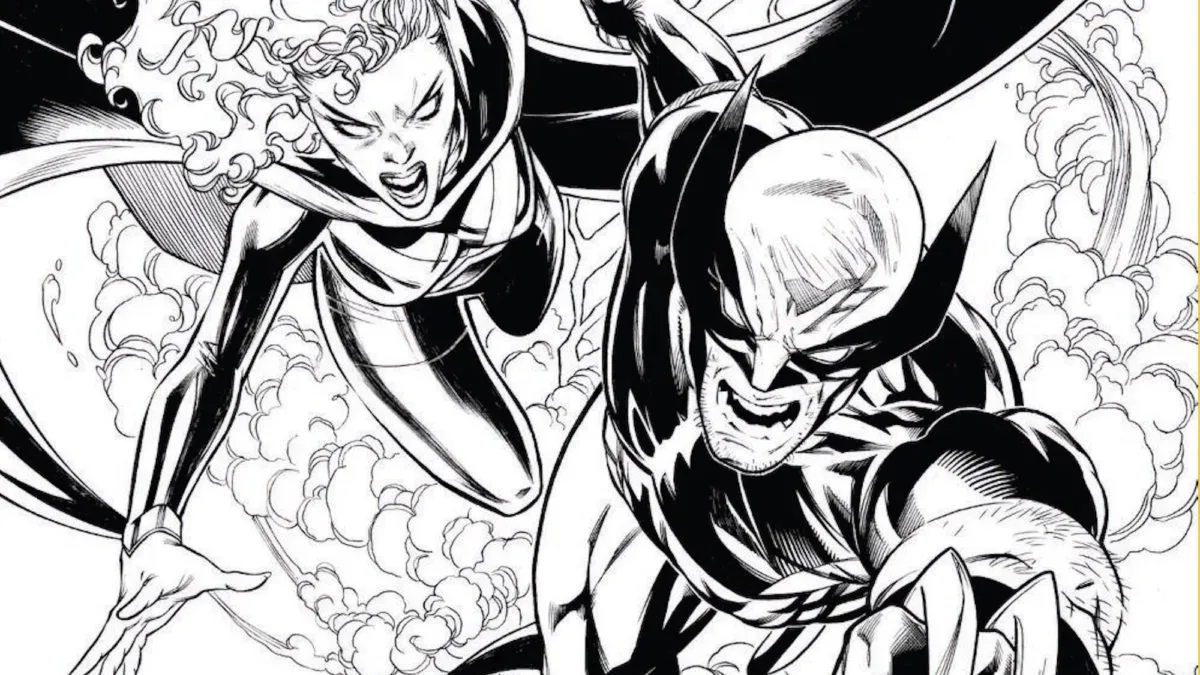
Marvel’s Maximum X-Men #1 is positioned as a new mutant team series formed in the fallout of Avengers Armageddon. Written by Christopher Yost and drawn by Tony S. Daniel, the opening issue places Storm and Wolverine in the role of organizers for a group intended to face threats on an Avengers-sized scale—at a moment when Earth’s usual premier heroes are absent.
The premise is clear in broad strokes but leaves the exact roster deliberately open. Storm and Wolverine are named as the leaders assembling “Earth’s Mightiest Mutants,” while the early interior material also puts Colossus in focus. The team’s first major crisis is the arrival of the Annihilation Wave on Earth, a menace described here through insectoid entities and cosmic-locust imagery. That setup gives the book both an immediate disaster scenario and a larger question: what does a mutant-led emergency team look like when the world needs more than one hero?
A team book built from Armageddon’s aftermath
Maximum X-Men is explicitly framed as following Avengers Armageddon, rather than as an entirely isolated fresh start. That matters because the series’ core dramatic problem is not simply that a new villain has appeared. It begins with a gap in global protection. In the stated absence of Earth’s Mightiest Heroes, Storm and Wolverine decide to recruit a force capable of confronting dangers no individual can solve alone.
“Avengers-level threat” is useful shorthand for the scale being promised. It does not identify a specific opponent by itself; it tells readers that the danger is meant to exceed a local mission or personal grudge. The Annihilation Wave fulfills that function in the debut’s setup. A wave suggests invasion, spread and numbers, which naturally puts pressure on a team’s ability to protect civilians, divide responsibilities and keep a crisis from escalating.
For more context, explore Last Call PC Design Feature: Night-Shift Anomaly Detection in a Strange Building.
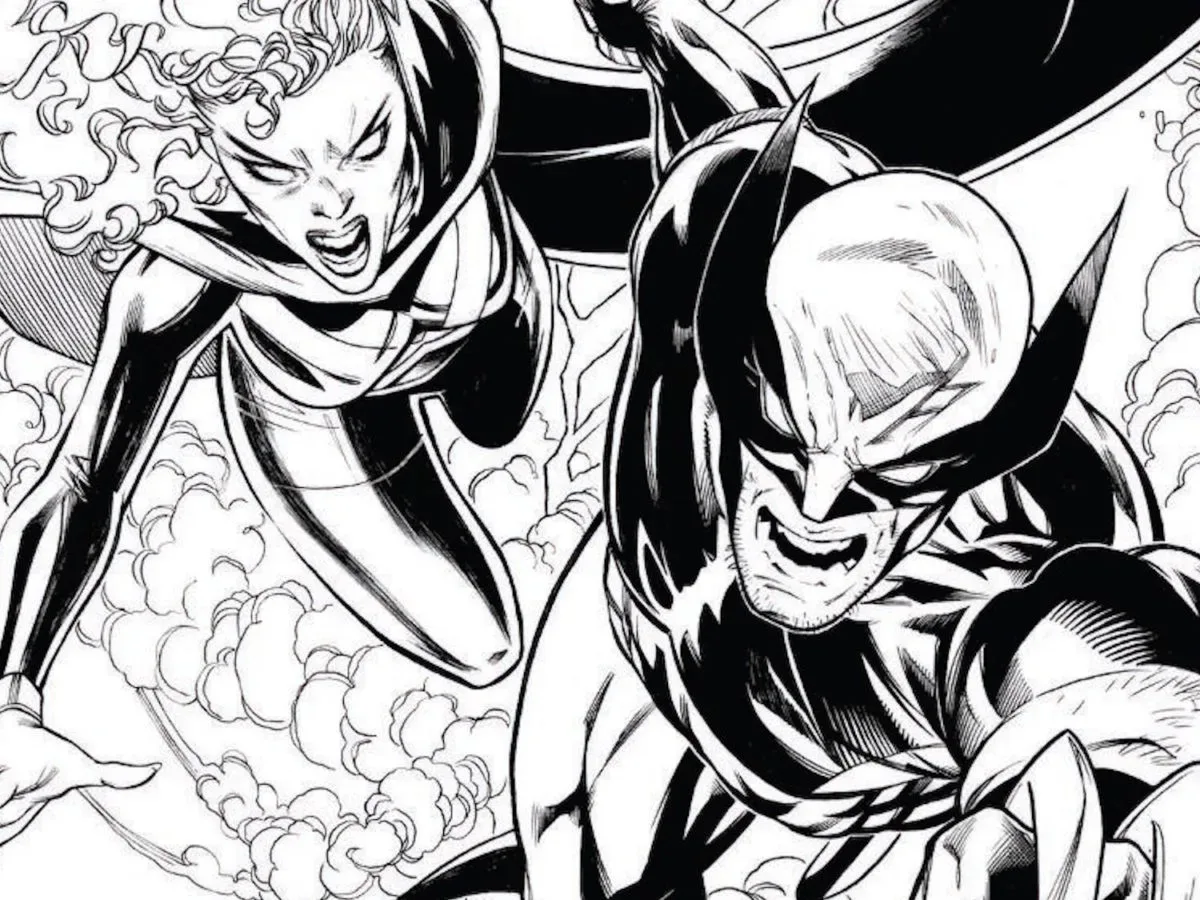
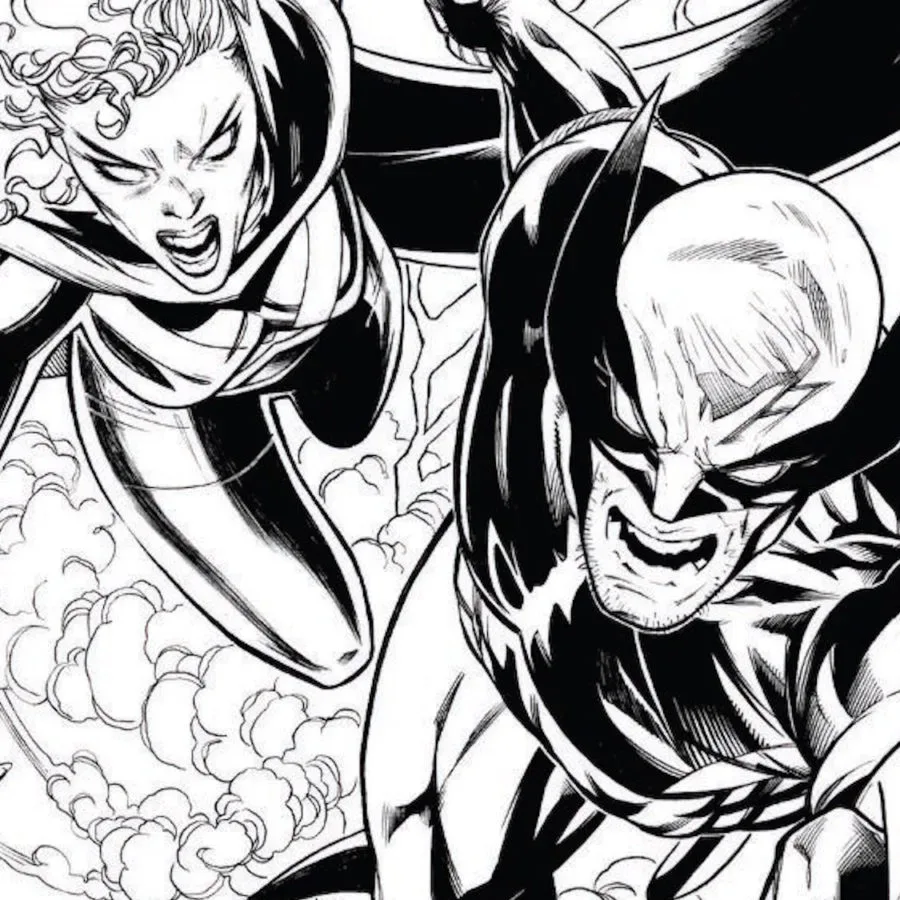
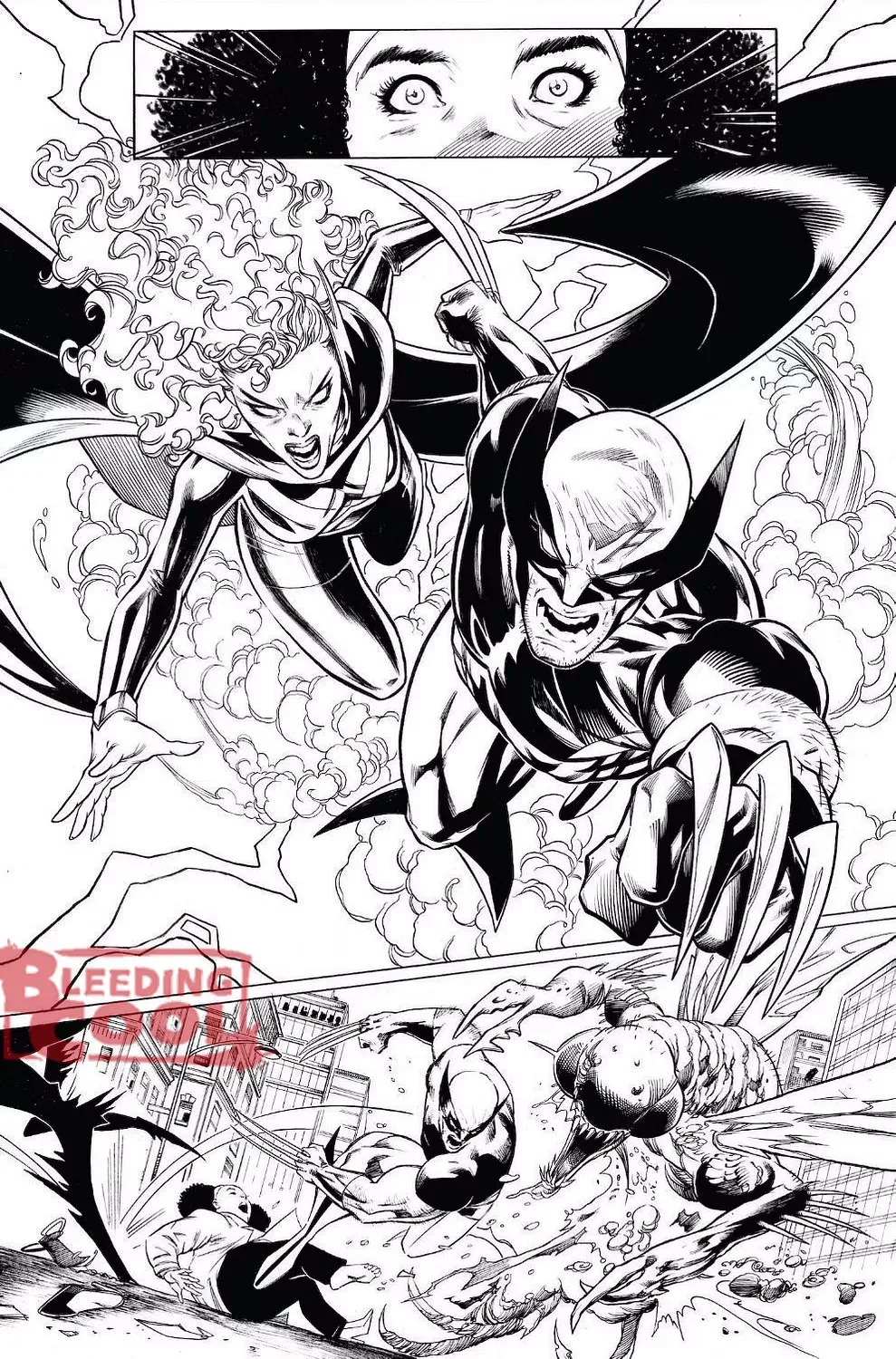
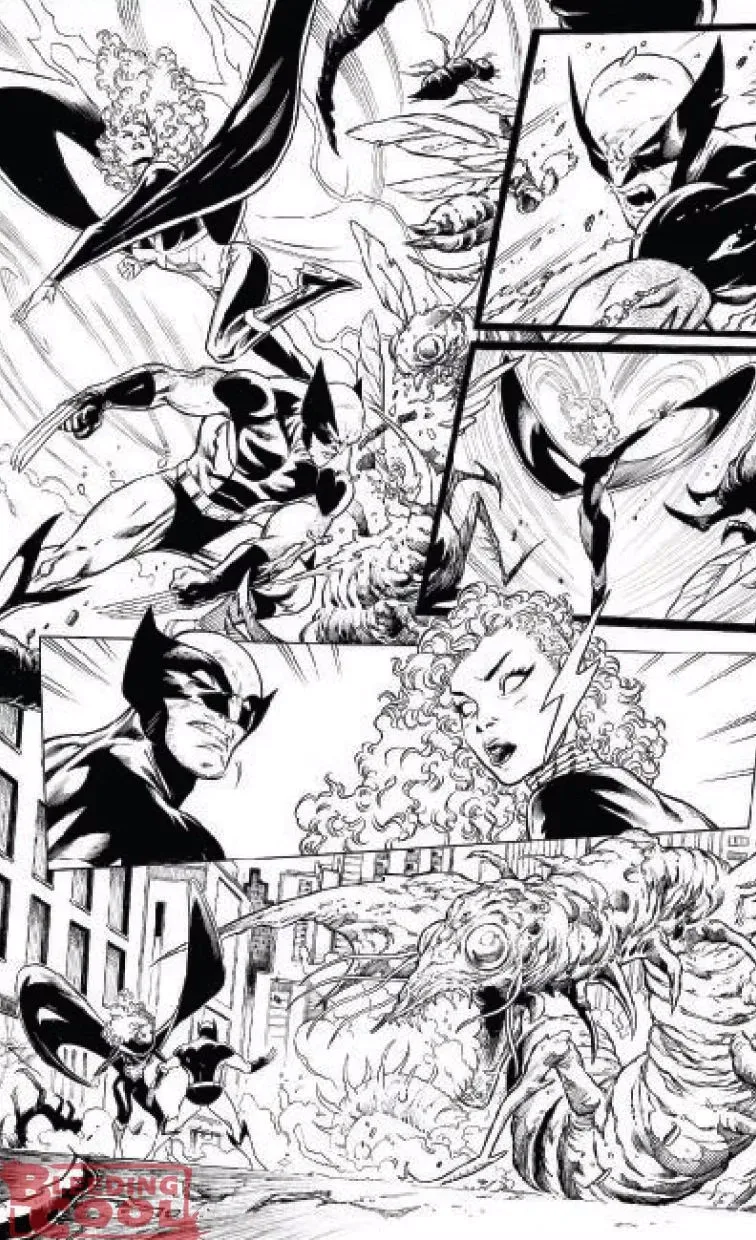
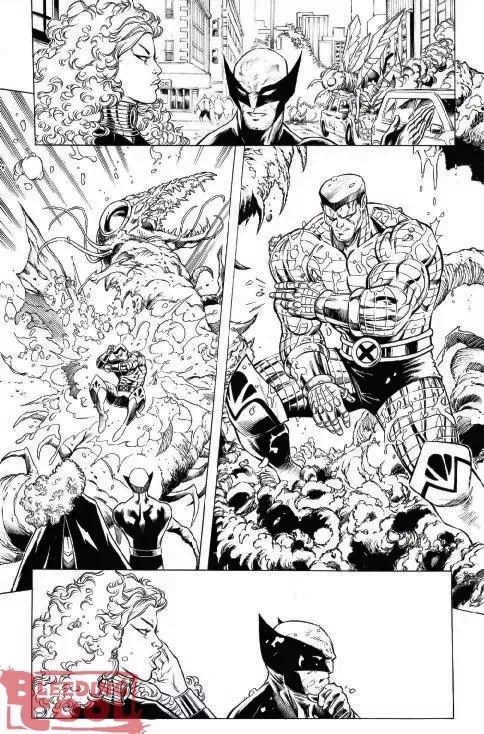
The available preview material begins at ground level: Storm and Wolverine arrive to protect a young girl from insectoid attackers. That detail is important amid the giant-stakes language. Even when a story invokes a planetary or Avengers-level emergency, the opening conflict is rooted in a person requiring immediate defense. It gives the two central leaders something concrete to do before the full scale of the threat is laid out.
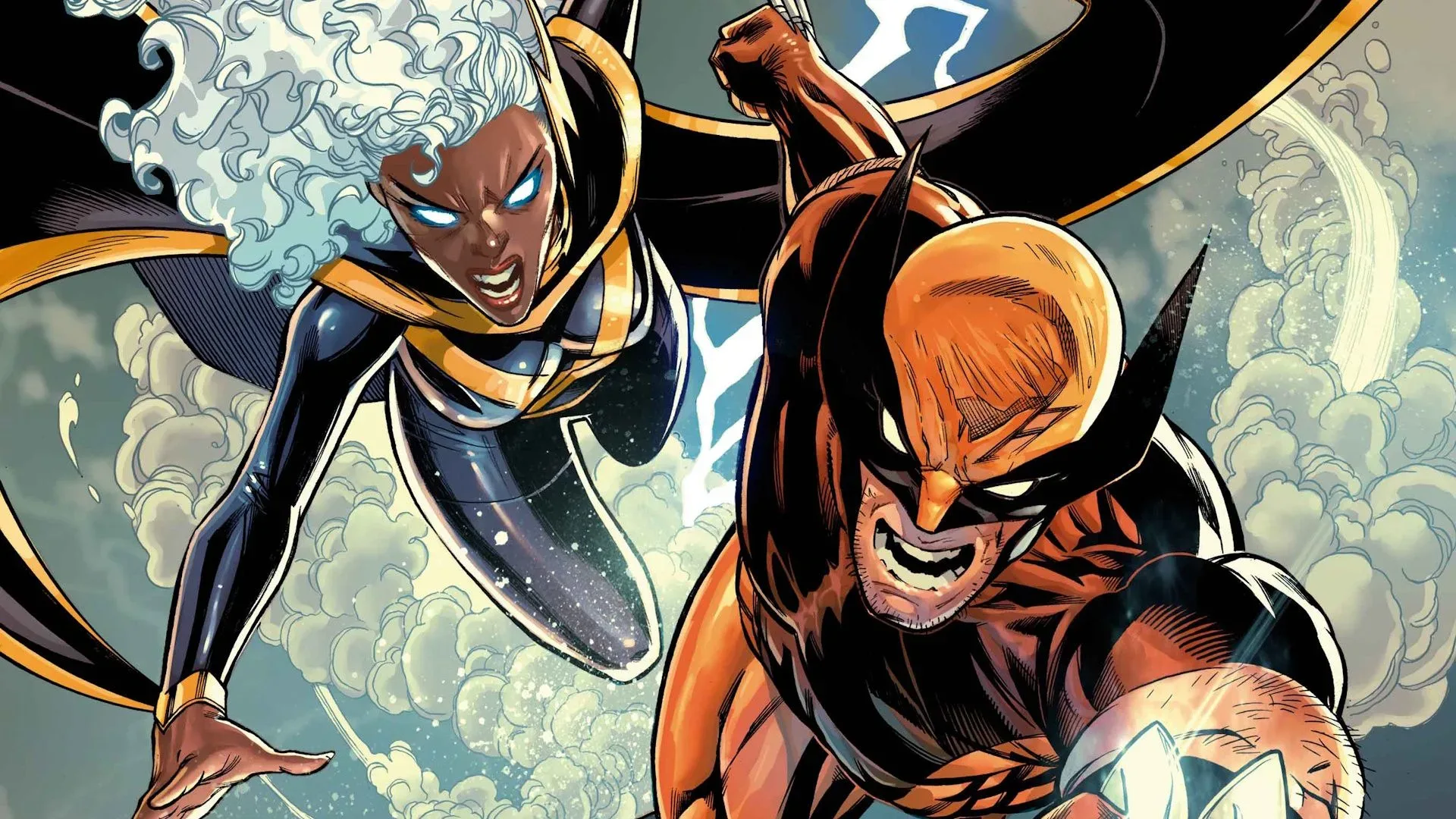
Storm and Wolverine are also a meaningful pairing for the premise without the need to assume how their partnership will develop on the page. One is associated with command and elemental power; the other is presented in the preview as a direct responder in a dangerous confrontation. The solicitation identifies both as the figures bringing the team together, so the first issue is set to establish not only the external menace but the reasoning behind their decision to build a new group.
The Annihilation Wave is the launch threat
The Annihilation Wave is the named enemy force attached to Maximum X-Men #1. The initial pages point toward insectoid entities, described as cosmic locusts, while the series description says the Wave arrives on Earth. Those elements distinguish the threat from an ordinary villain-versus-hero fight: it is presented as an encroaching mass danger, with its effects reaching civilians and demanding a coordinated response.
That does not confirm the Wave’s full origins, tactics, membership or eventual objective in this particular series. Readers should be cautious about turning a few early pages and a solicitation into a complete plot map. What is confirmed is the basic pressure point: the new team forms after Armageddon, and the Annihilation Wave tests that decision almost immediately.
For a first issue, that is a practical structure. The story has a reason for its heroes to unite, a visible crisis that can demonstrate their abilities, and uncertainty over whether the assembled group is actually ready. The solicitation itself hints that Storm and Wolverine may regret forming the team, though it does not say why. That phrasing could refer to the scale of the enemy, unexpected consequences of recruitment, tensions within the lineup or another complication entirely. Until the issue is released, it is a premise hook rather than a resolved story point.
Colossus brings a more personal thread
While Storm and Wolverine anchor the team-building side of the book, the preview also highlights Colossus. He is shown confronting demonic entities, with his organic-steel form directly relevant to the sequence. “Organic steel” refers to Colossus’ metal transformation: it is not merely armor he wears, but the metallic state of his body. In the material shown, steel is presented as a way to dispel the demons, giving his power a story-specific use beyond straightforward physical force.
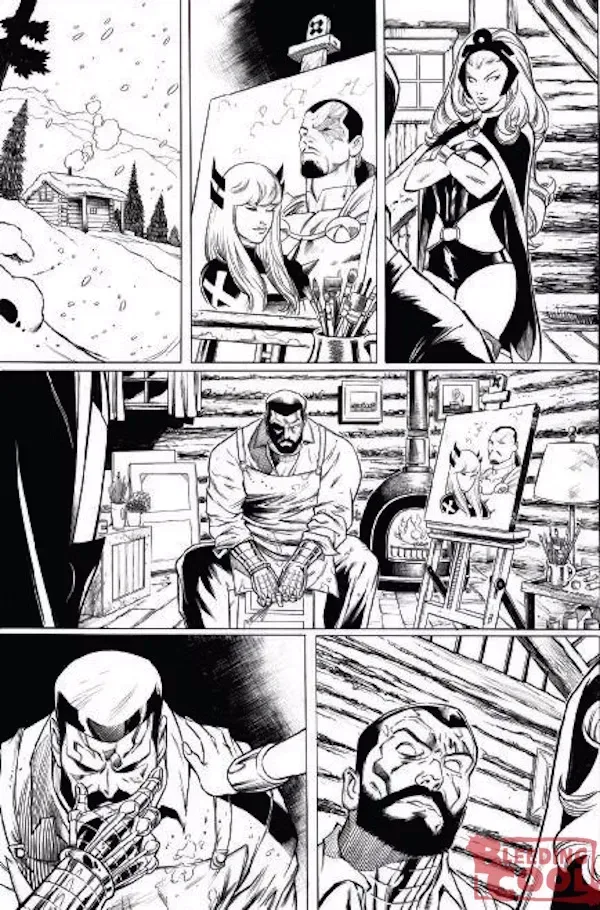
The preview then shifts away from immediate combat to Colossus’ Siberian shack, where he paints a tribute to his brother and sister. It is a notably quieter image alongside the pages involving invasion and demons. With no dialogue or color in the material shown, its exact narrative weight remains unconfirmed, but the setting and artwork indicate that family memory is part of Colossus’ emotional space in the issue.
That contrast is one of the more promising ideas in the early material. A comic can announce a world-threatening event, yet still make room for a character’s private grief, remembrance or unresolved pain. Here, Colossus is connected to both the supernatural conflict and a familial image. The preview does not establish whether the two threads are directly connected, so it would be premature to describe the shack scene as an explanation for the demon encounter. It does establish that the debut is not solely concerned with assembling heroes for a large battle.
What the unlettered pages reveal—and what they do not
The four pages released so far are inked but uncolored and unlettered. That means they offer an early look at Daniel’s sequential art, action staging and character imagery, but not the final reading experience. Without lettering, readers cannot judge Yost’s scene-to-scene dialogue, captions, internal narration or the exact context that may alter how a panel is understood. Without color, they also cannot assess the final palette, visual emphasis or atmosphere of the finished pages.
Still, line art can reveal useful things. It shows the comic’s movement between several modes: emergency rescue involving Storm and Wolverine, an occult-flavored confrontation for Colossus, and a more reflective return to a personal location. Those shifts suggest an opening issue designed to establish multiple dimensions of the series before locking into one kind of action.
The pages should therefore be treated as a preview of visual direction, not as evidence that every moment will appear unchanged in the published comic. Comics often move through production stages involving pencils, inks, colors and lettering. This material is specifically an unfinished presentation in the sense that color and text have not yet been added.
Release details and cover lineup
Maximum X-Men #1 is listed for December 2026. It will be a 32-page, Rated T+ comic priced at $4.99, and the listed edition includes a digital code.
- Writer: Christopher Yost
- Artist and Cover A artist: Tony S. Daniel
- Cover B: Simone Di Meo, character cover
- Cover C: Iván Talavera
- Cover D: To be announced, 1:25
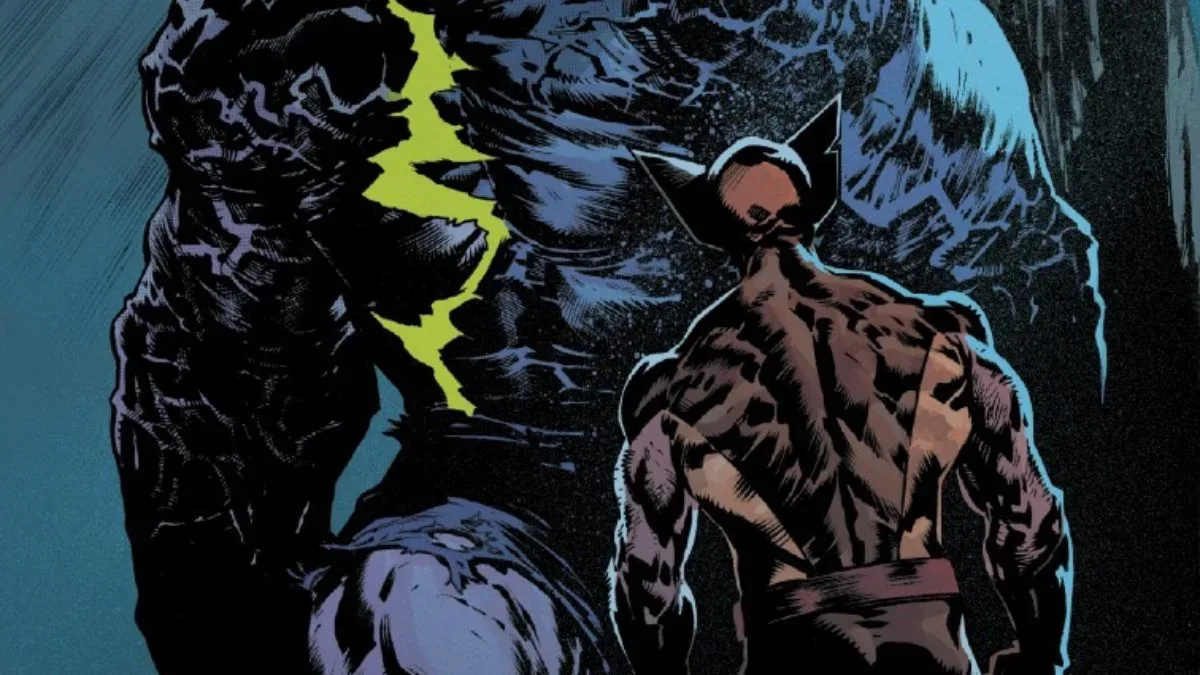
- Cover E: Ken Lashley
- Cover F: David Nakayama, Color Block Black
- Cover G: David Nakayama, Virgin Color Block Black, 1:50
- Cover H: Iván Talavera, Virgin, 1:100
The “virgin” designation in the cover list generally indicates a version without the standard trade dress or cover copy, allowing the illustration to take up the full presentation. The 1:25, 1:50 and 1:100 labels identify incentive-ratio variants: comic shops ordinarily qualify to order such covers based on the number of regular qualifying copies they purchase. The listing does not establish store pricing, quantities or individual availability, so readers interested in a particular variant will need to check with their preferred comic retailer.
At launch, the central certainty is the creative equation: Yost and Daniel are introducing a new mutant team in a world destabilized by Armageddon, with Storm, Wolverine and Colossus visible in the opening material and the Annihilation Wave driving the initial emergency. The unanswered questions—the full lineup, the reasons the new team may become a mistake, and the role of Colossus’ personal history—are precisely what the first issue is being set up to answer.