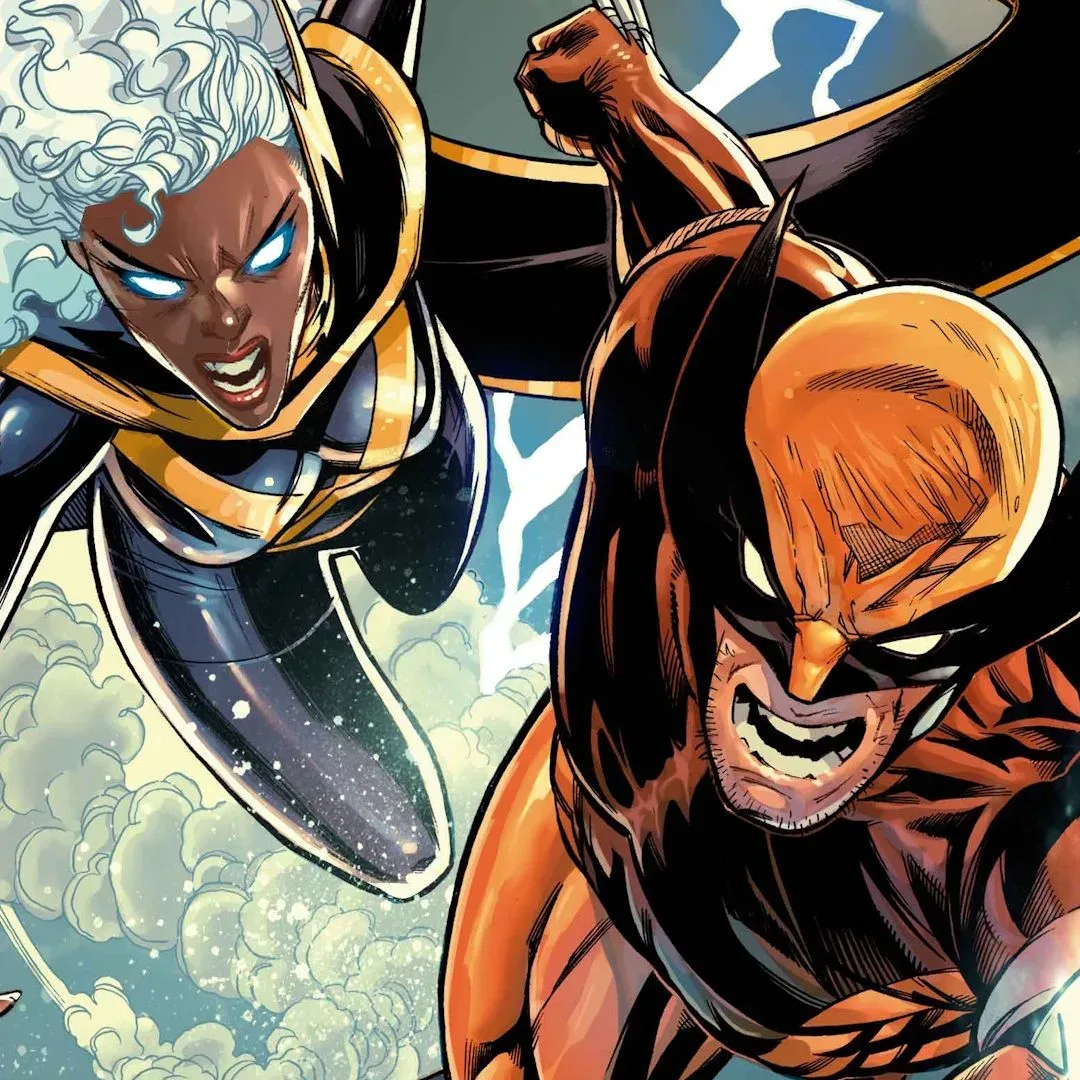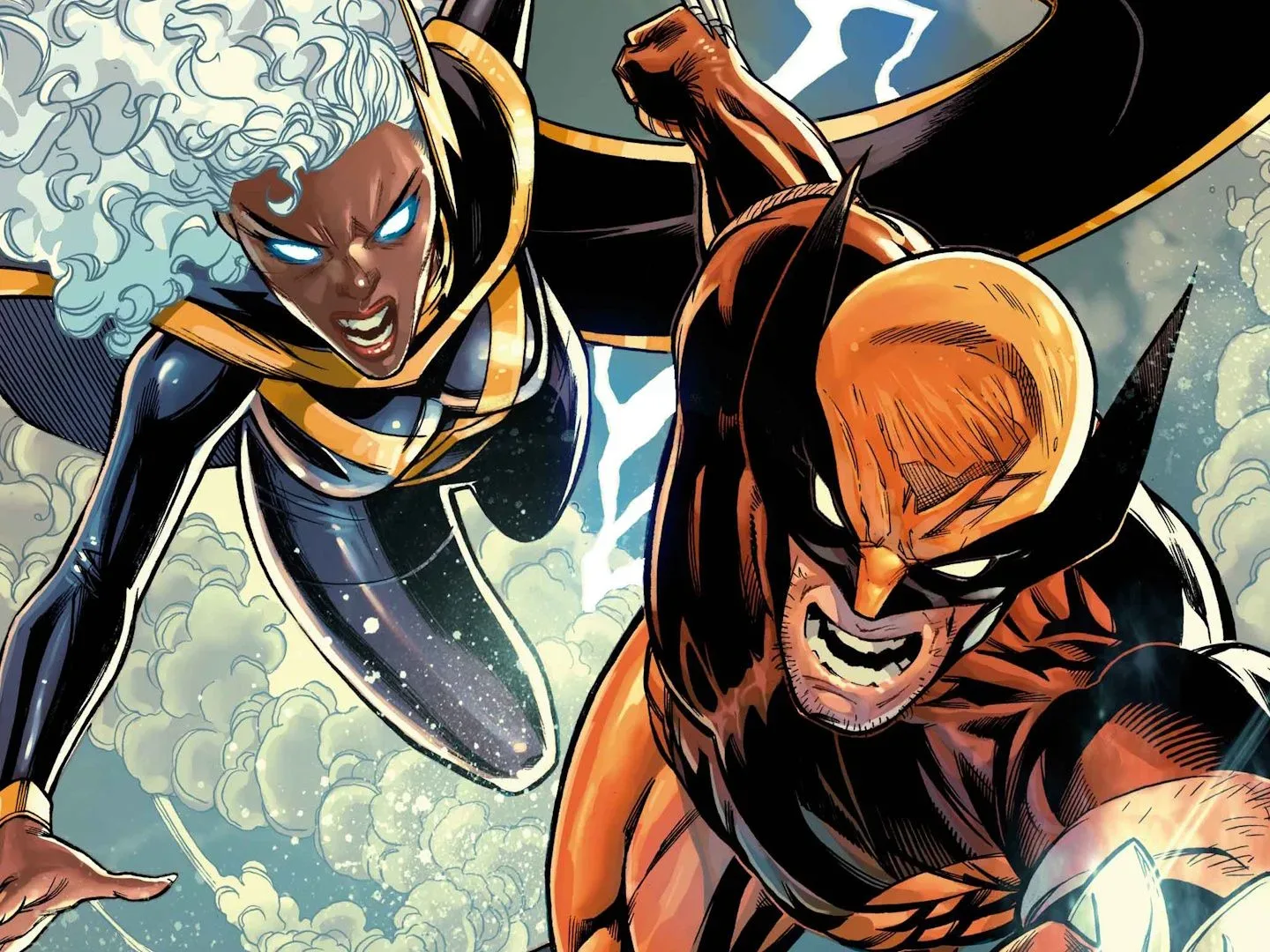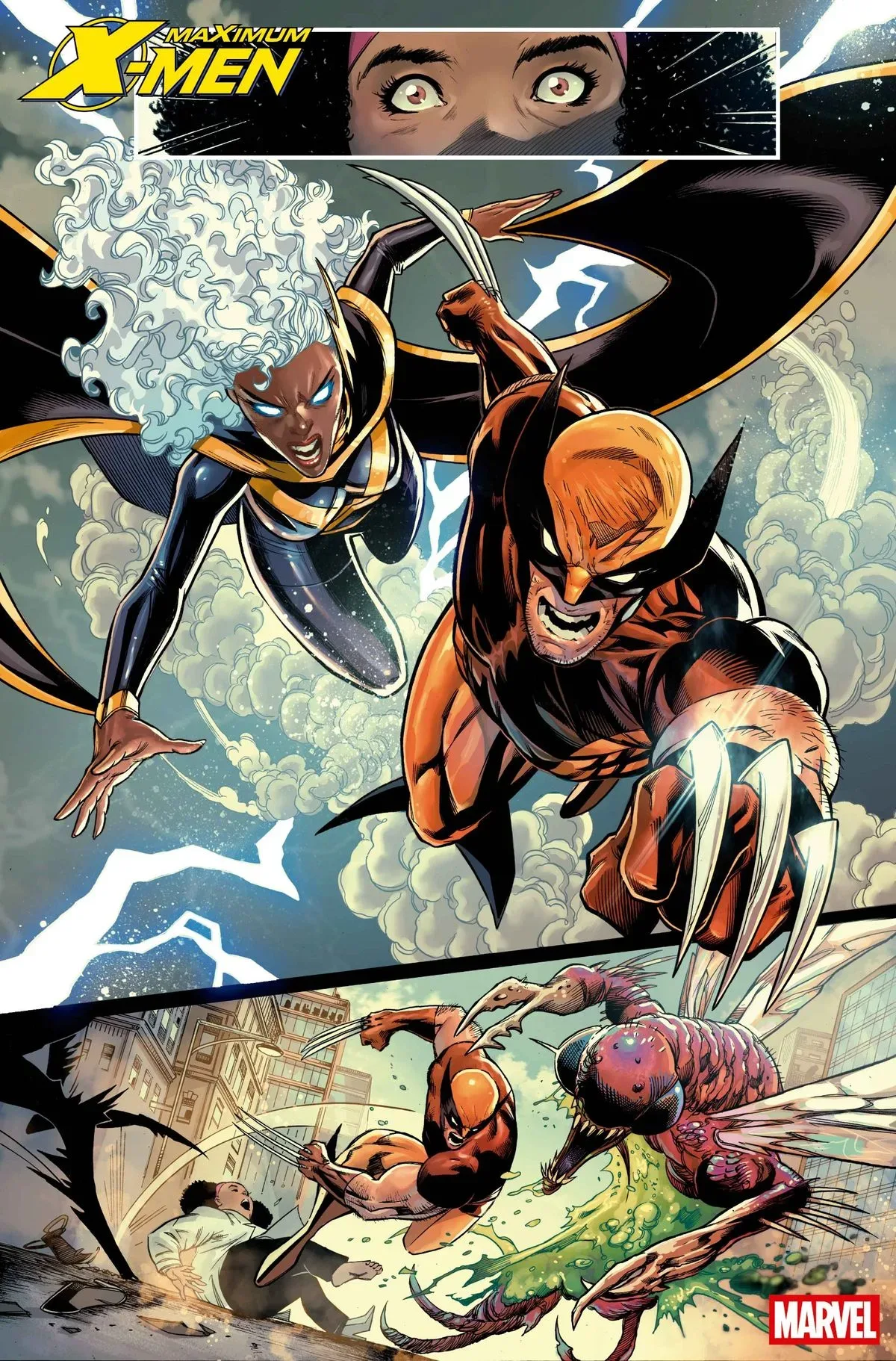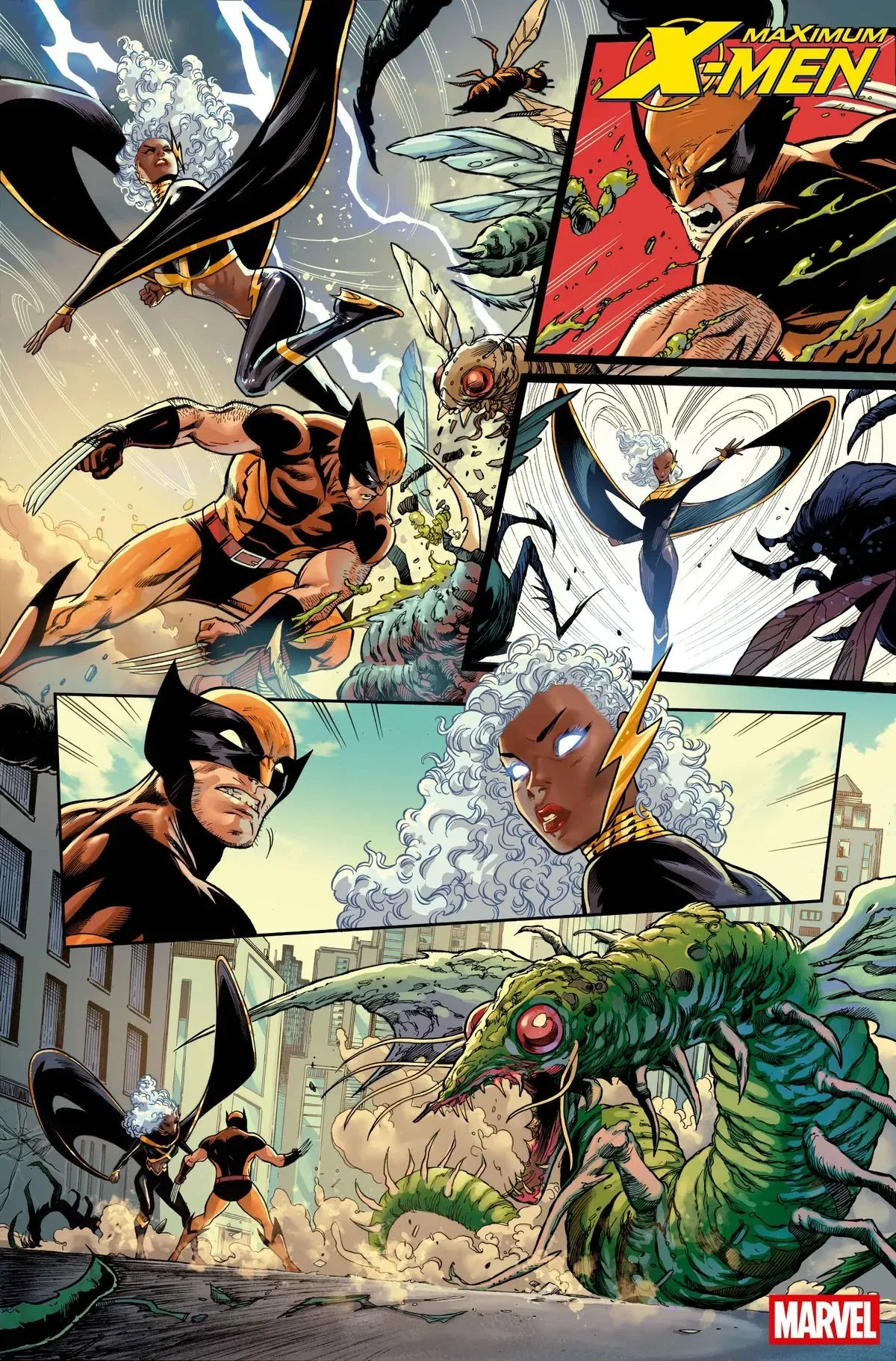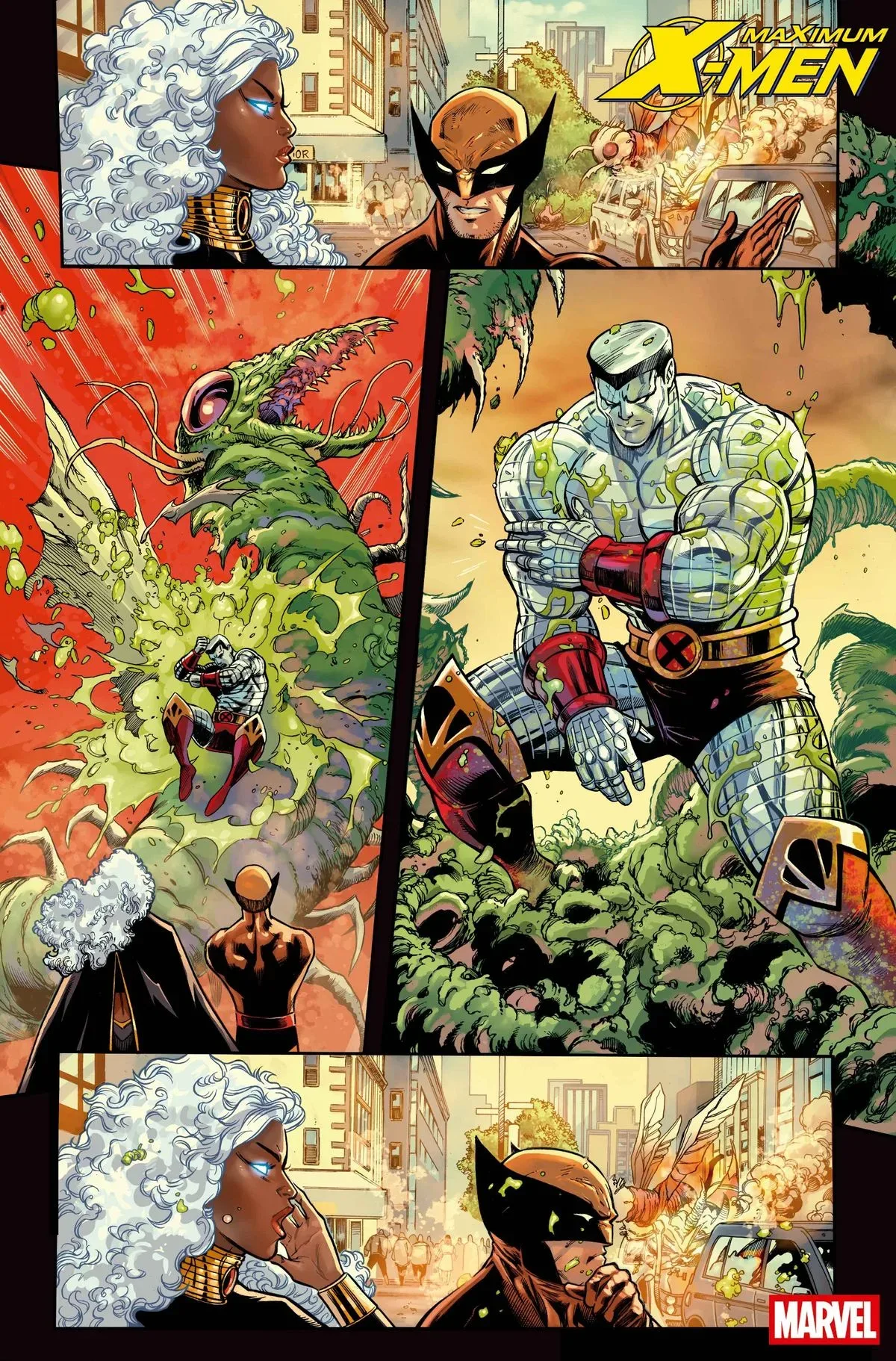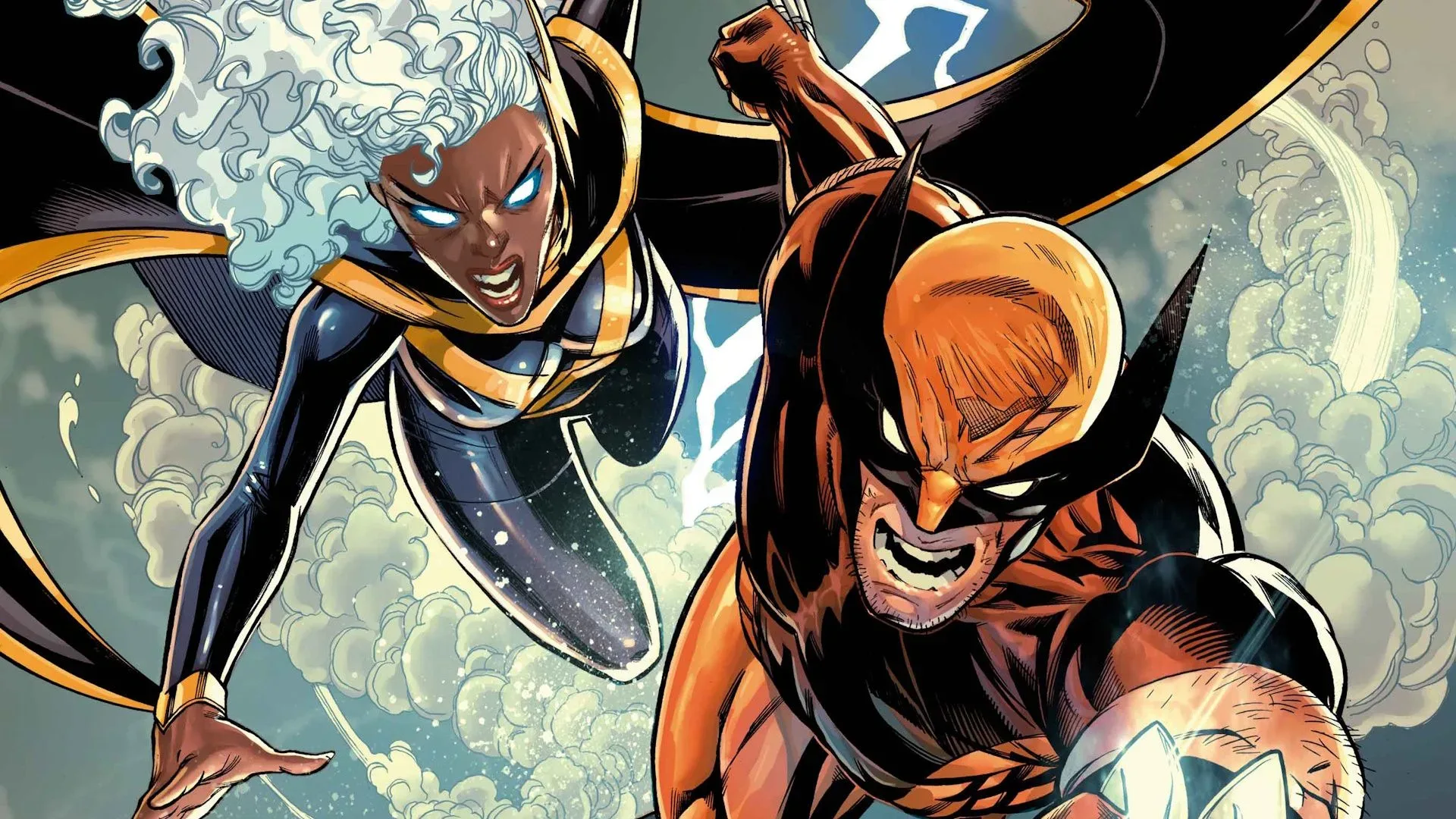
The Avengers are out of the picture, and Maximum X-Men #1 is built around the question of who takes responsibility for Earth when its best-known defenders cannot. The answer is an eight-member mutant team led by Storm: Wolverine, Colossus, Bishop, Iceman, Psylocke, Firestar and Justice. The new ongoing series arrives December 2, 2026, from writer Christopher Yost and artist Tony S. Daniel.
Its starting point is the fallout from Avengers: Armageddon. With Earth’s Mightiest Heroes described as no more, Storm forms an elite group intended to defend the planet at large. That is a meaningful framing device for an X-Men book. The team’s traditional mission has involved protecting a society that fears mutants, but the premise now asks them to take on a broader, highly visible role normally associated with the Avengers.
The first emergency is no small test case: an invasion from the Negative Zone, the hostile other-dimensional setting tied here to uncertainty over whether Annihilus is behind the assault—or whether the threat is something worse. That immediately establishes a large-scale, action-forward mandate, rather than a smaller mission that happens to occur while the Avengers are unavailable.
What Maximum X-Men #1 has confirmed
- Release date: December 2, 2026.
- Writer: Christopher Yost.
- Artist: Tony S. Daniel.
- Team leader: Storm.
- Roster: Storm, Wolverine, Colossus, Bishop, Iceman, Psylocke, Firestar and Justice.
- Opening conflict: A Negative Zone invasion following the events of Avengers: Armageddon.
- Series status: An ongoing comic series, not a one-shot or limited series.
Yost characterizes the project as an attempt to deliver a familiar, classic X-Men mode rather than to rebuild the concept from scratch. His reference point is the work associated with Chris Claremont, John Romita Jr. and John Byrne: big adventures, intrigue, character-focused heroes placed in situations demanding courage, relationship tension and room for fun. For Maximum X-Men, Yost says the emphasis may tilt further toward action.
“Classic X-Men” is a storytelling promise, not a continuity label
“Classic” can mean different things in superhero comics. It does not necessarily mean that a new series will return to an old setting, ignore modern continuity or recreate a particular era panel for panel. In this case, Yost uses it to describe the expected storytelling texture: character drama living alongside expansive superhero stakes.
That distinction matters because the announced premise is inherently enormous. Replacing the Avengers as Earth’s central defense line and responding to an interdimensional invasion could easily become a book that treats its cast chiefly as a list of powers. Yost’s description instead points to a balance: the team must confront a large crisis, but the people carrying that responsibility should remain central.
The “soap opera” element he cites is likewise not a dismissal of the material. In long-running X-Men stories, it generally refers to ongoing interpersonal pressure—friendships, rivalries, attraction, doubt, competing loyalties and difficult decisions—that continues through the spectacle. With eight heroes from different corners of Marvel’s mutant and Avengers-adjacent history, that approach gives the roster a reason to be more than a collection of recognizable names.
Yost also identifies hope as a shared characteristic for this particular squad. That is especially relevant to a series in which the X-Men are being asked to stand in public defense of a world that has often treated mutants with suspicion. The question is not merely whether the team can repel an invasion; it is whether its members can model the heroic ideal at a moment when a more established group is absent.
Storm is the right leader for the premise
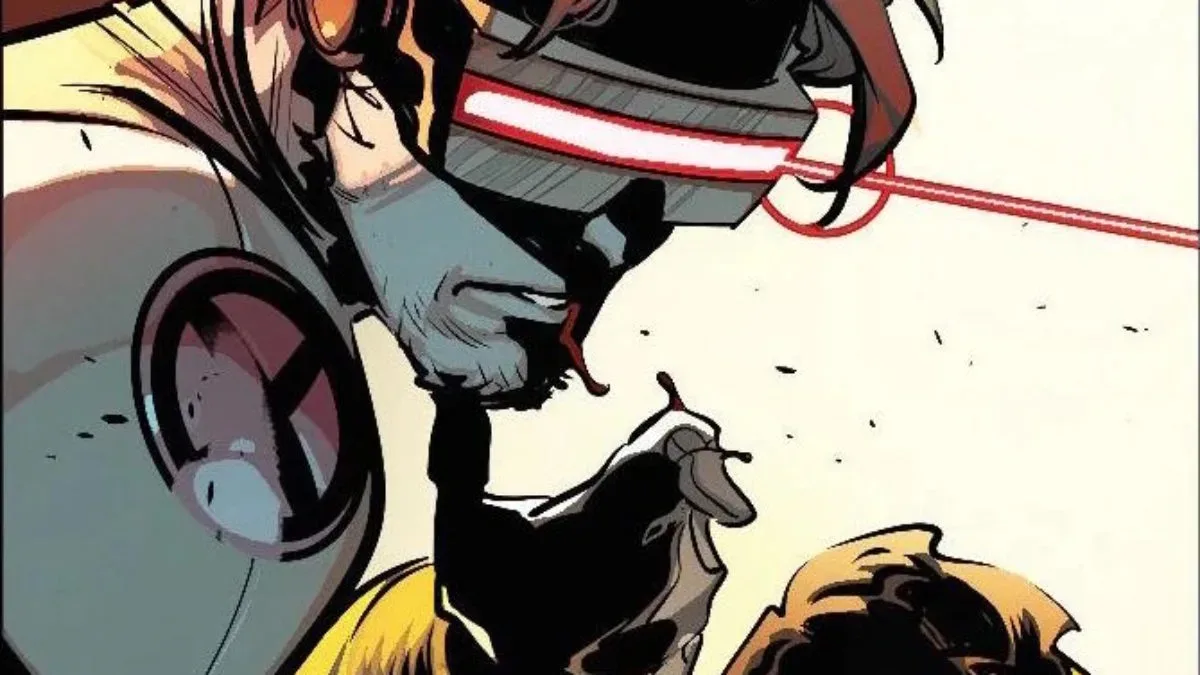
Storm has led X-Men teams before, but Yost’s comments outline why she is particularly suited to this assignment. He contrasts her viewpoint with those of Professor X, Cyclops and Rogue, describing a leader with confidence in her abilities, a protective instinct and a benevolence that should not be confused with softness.
For an Earth-defense book, those qualities suggest a leadership style founded on conviction rather than on simply occupying a command position. Storm does not need the premise to prove she belongs in a room with the planet’s most prominent heroes. The premise instead gives the series an opportunity to examine what changes when her leadership becomes the public center of a crisis.
That also avoids making the book feel like the X-Men are only filling an Avengers-shaped vacancy. The team is stepping into a comparable responsibility, but its leader brings a different perspective to it. In practical narrative terms, a Storm-led group can make the central question less about imitation and more about how a mutant team defines heroism on its own terms.
An intentionally mixed roster
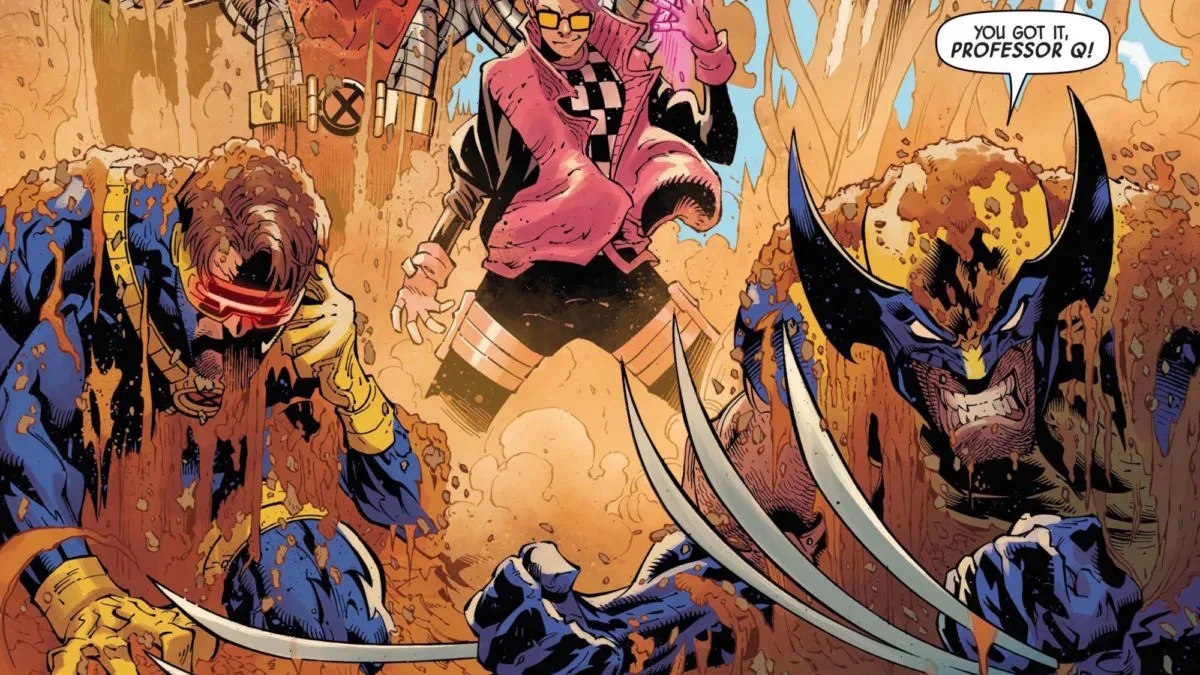
Wolverine, Storm and Colossus immediately evoke a recognizable X-Men identity, while Bishop and Psylocke have long since earned their places among the franchise’s established figures. Iceman adds another foundational X-Men presence. But Firestar and Justice change the team’s flavor.
Yost notes that Firestar has moved in and out of the X-Men orbit, while Justice has leaned more toward the Avengers side of Marvel’s superhero landscape. Their inclusion is not explained in full yet, but it fits the series’ bridge premise. If mutants are taking on an Earth-saving job commonly identified with the Avengers, a lineup that includes members with different relationships to those worlds can make the transition feel less tidy and more dramatically useful.
Firestar is a particularly telling selection because Yost plainly expresses enthusiasm for the character. That does not reveal her arc, powerset or role in the Negative Zone conflict, and it would be premature to assume any of those details. It does indicate that her place on the roster is a purposeful creative choice rather than a random slot on a crowded team sheet.
Justice may offer a different kind of tension. His Avengers-leaning history could give the series a character who understands the expectations that come with conventional superhero service while standing alongside mutants who have traditionally carried an additional social burden. Whether the book turns that possibility into conflict, camaraderie or both remains to be seen.
The Negative Zone makes the scale clear
The Negative Zone is the alternate dimension at the center of the first challenge. Marvel’s setup specifically raises Annihilus as a possibility while withholding a definitive answer about the invasion’s architect. The uncertainty is important: it leaves room for the book to use a familiar concern as the opening signal without promising that the threat will unfold in the most obvious way.
Technically, an invasion premise differs from a simple villain encounter because it implies a threat operating across a wider area and potentially affecting civilians, infrastructure and the public’s sense of safety. It is exactly the kind of premise that makes Earth defense feel tangible. The X-Men are not simply investigating an incident; they are being tested in the role they have claimed.
Yost has highlighted the volume of action in the series, and Daniel’s work is described as dynamic and capable of delivering scale. Those are useful expectations to set for readers approaching the first issue: the book is promising movement, confrontation and a crisis large enough to demand the whole squad. Yet Yost’s “classic X-Men” framework suggests the action should be carrying character stakes as well as visual spectacle.
What the December timing does—and does not—mean
Maximum X-Men #1 releases on December 2, 2026. Avengers: Doomsday is scheduled for December 18, 2026, later in the same month, while an upcoming X-Men movie is dated for May 5, 2028. Those calendar facts may draw attention to Marvel across comics and film, but the available information does not establish a story connection between this comic and those movies.
That boundary is worth keeping clear. Shared character names and closely grouped release dates are not proof of crossover continuity, adaptation plans or plot overlap. The comic’s confirmed narrative anchor is Avengers: Armageddon; its creative team, roster and Negative Zone conflict stand on their own.
Marvel characters can also generate discussion across games, comics and film without every project being linked in-story. For one recent example of that broader conversation, see our look at the design debate around Marvel’s Wolverine QTEs. For Maximum X-Men, though, the concrete focus remains a comic-book team facing a specific post-Armageddon responsibility.
What readers should watch for in issue #1
The debut has a few clear jobs. It needs to establish why this precise group is together, show what Storm’s command looks like under pressure and make the Negative Zone threat feel worthy of a team now responsible for defending Earth. It also needs to make room for the relationships Yost considers essential to the X-Men formula.
One intriguing detail from Yost is his mention of Spider-Man, whom he says he expects to bring in around issue #6. That is a forward-looking creative intention rather than a confirmed issue solicitation or plot summary, so readers should not treat it as a complete promise of how that appearance will happen. Still, it signals that Yost sees the series as one with room to engage the wider Marvel universe after the initial team formation and invasion storyline are underway.
The strongest hook is ultimately straightforward: a classic-minded X-Men lineup gets an unusually public mission under Storm, with a hostile dimension pressing the issue immediately. If the series can make its huge stakes and character drama reinforce each other, Maximum X-Men has a clear lane—an Earth-defense title that does not ask the X-Men to stop being the X-Men in order to save the world.