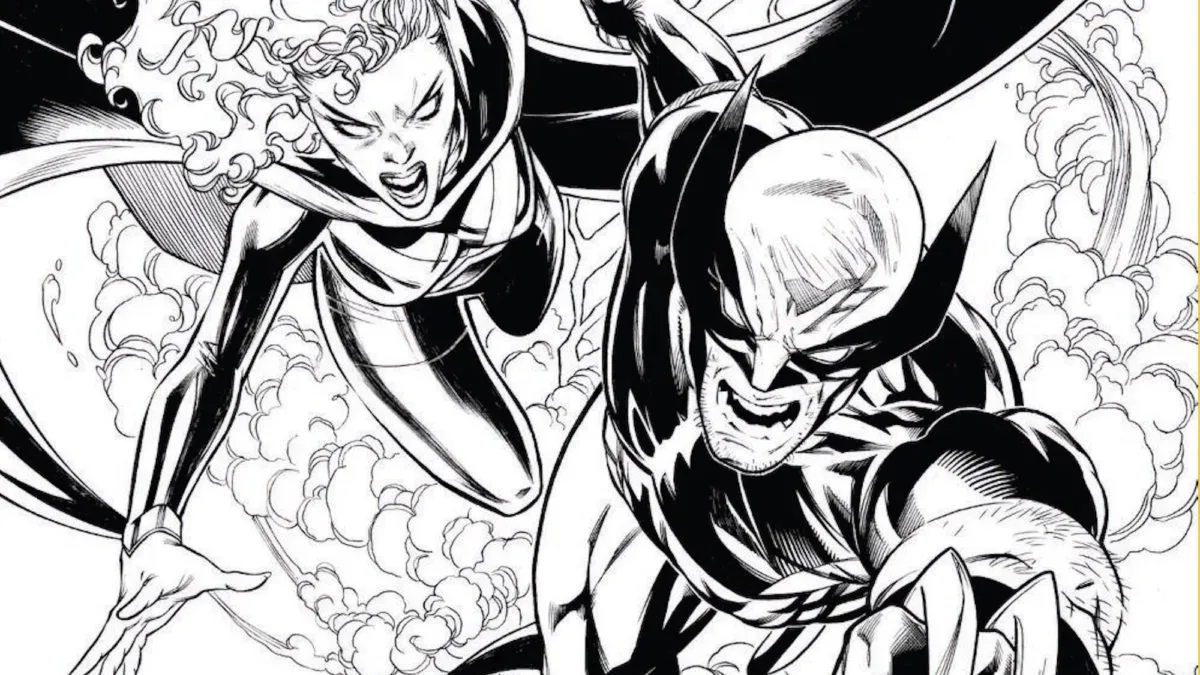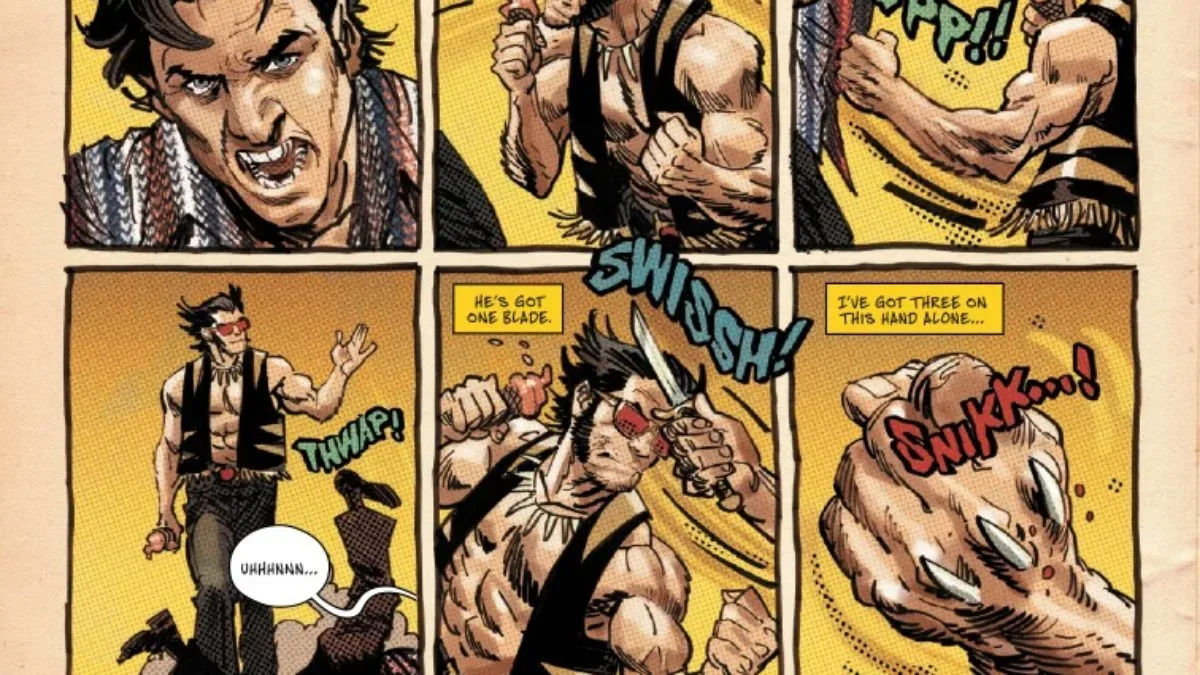
Wolverine has survived clandestine programs, mutant wars, impossible injuries and more team crises than any sensible person would put on a calendar. In Wolverine: Paradise #1, the immediate problem is smaller in scale but no less familiar: Logan attempts to take a break, and trouble apparently refuses to respect his vacation time.
Marvel’s new 32-page, Rated T+ issue arrives on October 14, 2026. It places Logan in Miami, where the city’s glossy, sun-soaked surface conceals a criminal underworld. The central promise is clean and fitting for the character: Logan steps away from the X-Men, only to be pulled toward the sort of danger that calls on both the man and the Wolverine.
The series is especially notable because Dan Panosian is handling both writing and art, with Panosian also credited for the main cover. Dazzler is set to guest-star. That combination gives the debut a distinctive hook: a solo Wolverine story whose creative direction comes through one principal writer-artist, while pairing Logan’s rough-edged intensity with one of Marvel’s most visually and musically flamboyant mutant heroes.
A vacation premise built for Wolverine
The idea of Wolverine seeking “paradise” is naturally suspicious. Logan is a character defined by instinct, resilience and a readiness to respond when a situation turns ugly. A Miami vacation therefore creates a useful contrast rather than a quiet detour. Beaches, bright light, nightlife and luxury form the backdrop, while the criminal element beneath that surface supplies the pressure that pushes the story toward its real subject: what happens when Logan tries to be off duty but cannot remain uninvolved.
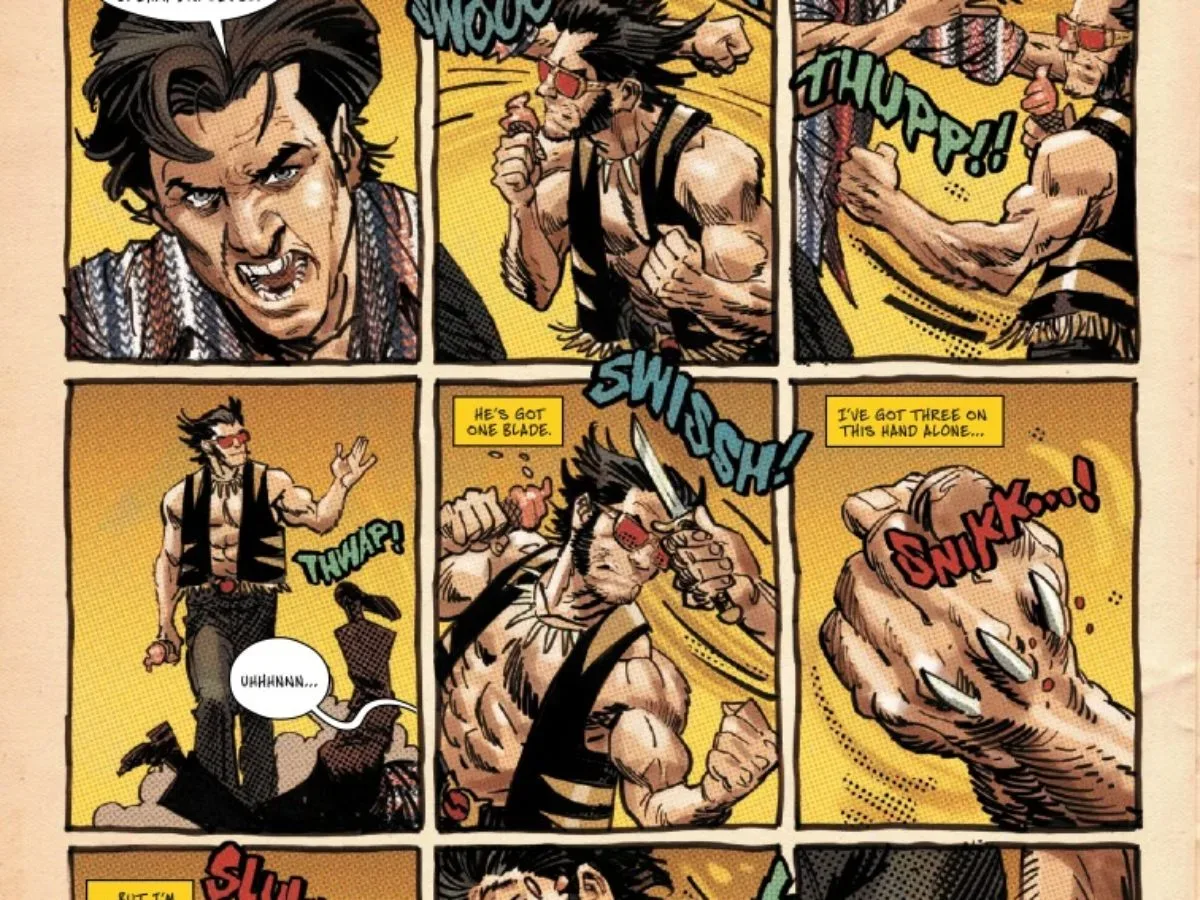
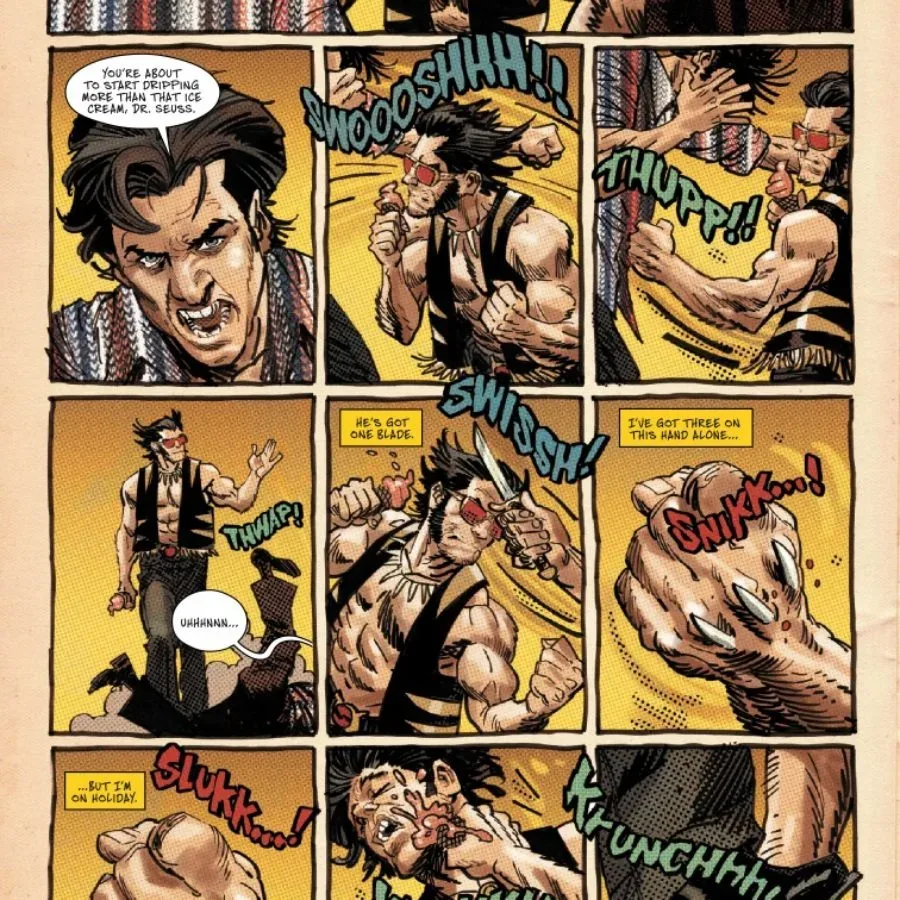
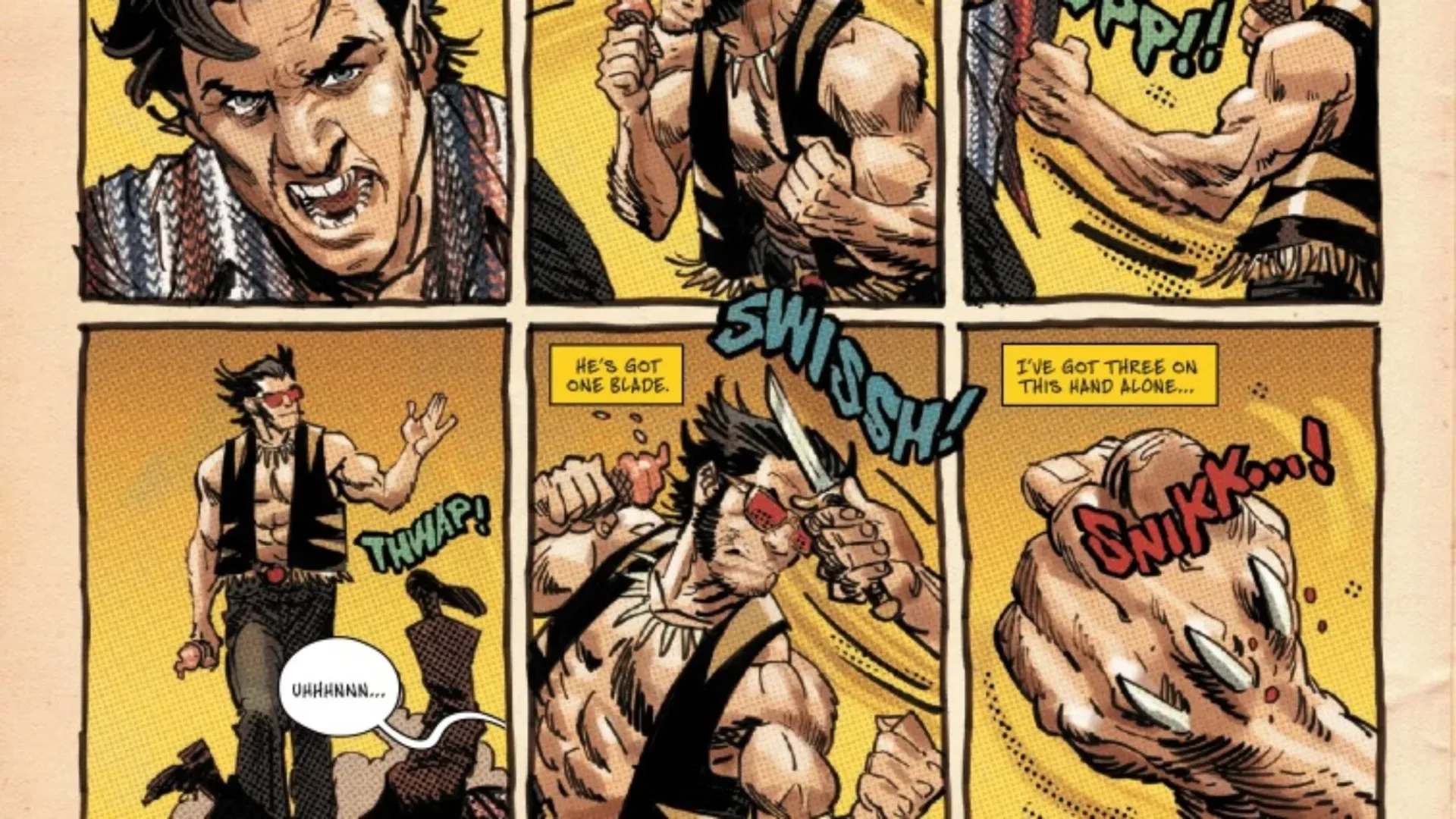
Available preview material depicts Logan with ice cream on Miami Beach before violence enters the picture. It is a small visual beat, but it matters. Wolverine works best not simply as a perpetual action mechanism, but as a person trying to claim ordinary moments in between extraordinary threats. A beachside treat gives the first issue an intentionally mundane starting point. The stronger the sense of a genuine escape, the more effective the interruption can be.
“Paradise” in the title also appears to be deliberately ironic. The solicitation describes Miami as a place where glamour sits above a simmering criminal underworld, not a neutral holiday setting. That framing suggests the series will use its location as part of its tension rather than merely as scenery. Logan is not visiting a generic warm-weather city; he is moving through a place where brightness and danger coexist.
What “writer-artist” means here
Comic credits can tell readers a great deal about how a book may feel on the page. A writer-artist is a creator who performs both the scripting and penciling or interior-art duties. In practical terms, the same creative voice controls the dialogue, pacing, page composition, action staging and character expression at the earliest stages of production.
That does not guarantee a particular tone or visual style, and it should not be confused with a claim that one person creates every component of a comic. The supplied credits specifically identify Panosian as writer-artist and main-cover artist. Still, the structure makes Wolverine: Paradise an auteur-driven project in a meaningful comics sense: its storytelling and visual decisions begin from the same principal creator.
For an issue built around the contrast between holiday calm and underworld menace, that unified role could be particularly useful. The pacing can move from a relaxed character moment to a sudden confrontation without requiring separate creative teams to translate the intent from script to page. Readers interested in Wolverine’s next conflict have one reason to look; readers interested in a creator-led superhero comic have another.
Dazzler changes the temperature of the setup
Dazzler’s guest appearance is more than a familiar-name add-on. The character’s presence immediately changes the possible texture of a Wolverine story. Logan’s solitary, guarded temperament is a natural counterpoint to Dazzler’s stage-centered identity and light-based mutant powers. Even without knowing the full circumstances of their meeting, the pairing promises an energy mismatch that can be productive for drama, humor or both.
The announcement does not explain Dazzler’s role in the Miami underworld plot, so readers should avoid assuming whether she is an ally, a target, an investigator or simply caught in the same spiral of escalating trouble. What is confirmed is that she guest-stars, and that her inclusion is part of the launch’s core pitch.
It also puts a little extra emphasis on the title’s surface appeal. Miami’s glitz and glamour, Dazzler’s association with performance and light, and the irony of a Wolverine vacation all point toward a story that can play with spectacle while retaining the threat implied by its criminal-underworld premise. The tonal balance will be one of the debut’s biggest questions.
What is confirmed—and what is still unknown
The available information establishes the broad foundation for Wolverine: Paradise #1, but it does not reveal a large amount of plot detail. That distinction is worth keeping clear ahead of release.
- Confirmed: Logan is stepping away from the X-Men for a Miami trip.
- Confirmed: A criminal underworld is waiting beneath the city’s glamorous exterior.
- Confirmed: Dan Panosian writes and draws the issue, and provides the main cover.
- Confirmed: Dazzler guest-stars.
- Confirmed: The debut is 32 pages, Rated T+, and carries a $4.99 US cover price.
- Not detailed: The identity of the criminal threat, Dazzler’s exact stake in events, and the full scope of the series beyond its opening premise.
That limited disclosure may work in the book’s favor. Wolverine stories can be enticing when their inciting situation is immediately legible while the source of danger remains uncertain. Readers know the direction of travel—rest becomes conflict—but not the people, motives or consequences that will define the trip.
Edition and variant details for comic buyers
For readers looking for the standard edition, the main-cover issue is listed at $4.99 US and $6.25 CAN, with item number 75960621351100111. Several variants are also listed at the same standard price: a Francesco Mobili variant, a Dan Panosian virgin variant, an Athila Fabbio variant and an ACO variant.
A virgin variant generally refers to a cover presentation without the usual trade dress, such as the title logo and other cover text. Here, the listing identifies the Panosian virgin variant but does not offer further production details. The Phil Noto foil variant is priced higher, at $7.99 US and $10.00 CAN. A foil cover uses a reflective material treatment, which differentiates it from a conventional paper cover.
Those choices offer options for readers who simply want the story and for buyers who prefer a particular cover artist or finish. They do not, by themselves, establish scarcity or future value; no print-run information, retailer incentives or other rarity details are provided. The useful decision is therefore a straightforward one: choose the regular cover for the core reading copy, or select a variant because the credited artist or foil presentation appeals to you.
Why this launch stands apart
There is no shortage of Wolverine comics, so a new entry benefits from a sharply defined creative identity. Wolverine: Paradise #1 has one. It is a Miami-set, writer-artist-led story that starts from the uncommon notion of Logan on holiday, adds an underworld complication and brings Dazzler into the mix. Rather than pitching an enormous crossover or a multiversal crisis, the debut centers on a contained premise with room to become violent, stylish and character-driven.
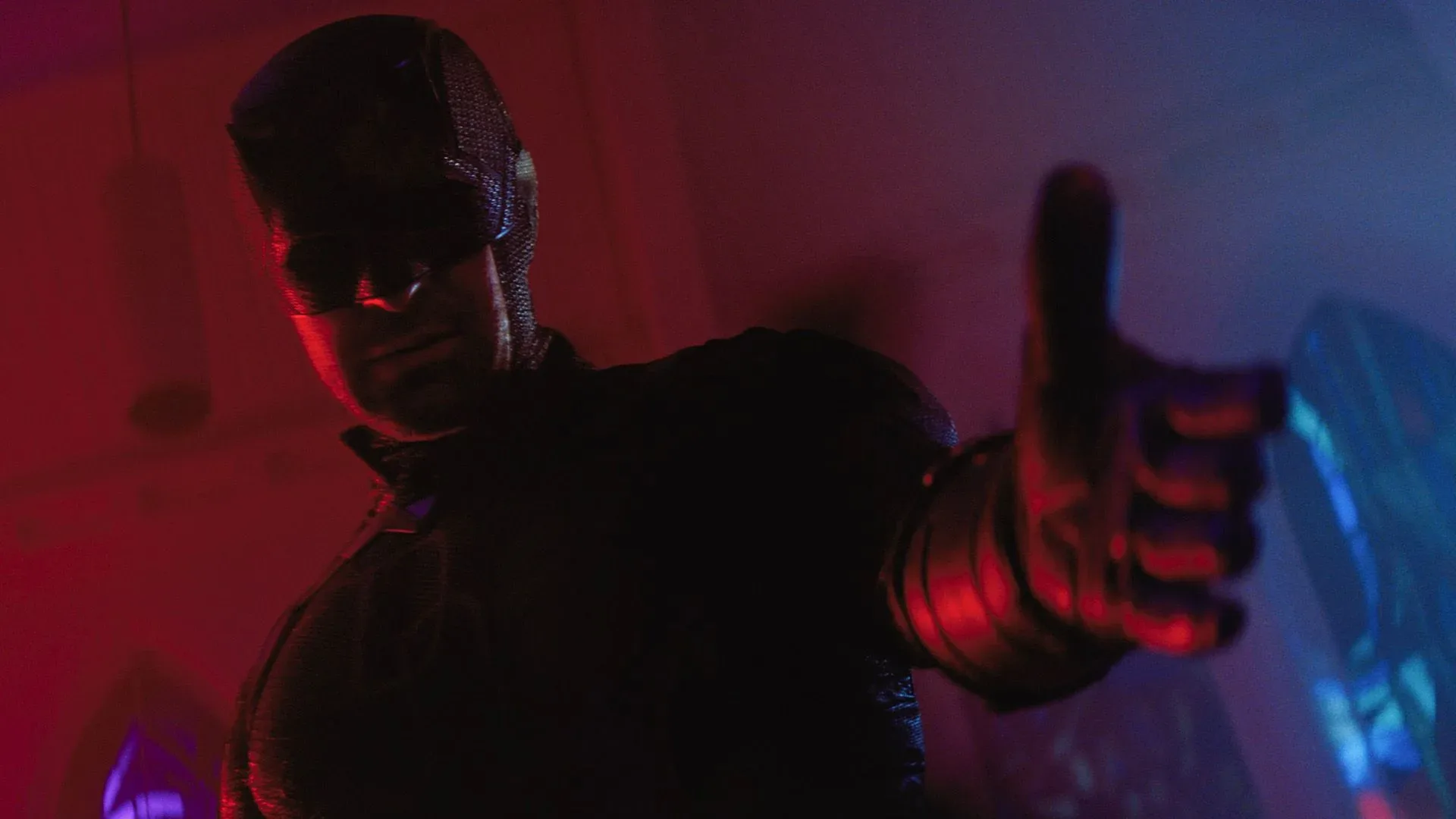
The book also arrives at a moment when Marvel characters continue to move between comics and screen speculation. Readers following that broader superhero conversation may also be interested in Charlie Cox’s thoughts on a possible future Marvel movie appearance for Daredevil. Wolverine: Paradise, however, is firmly a comics proposition: its key selling point is Panosian’s authorship of the page and a location-driven Logan adventure.
Whether Miami delivers the paradise Logan wants is unlikely. Whether it delivers the kind of trouble Wolverine readers expect is the much safer bet. Wolverine: Paradise #1 goes on sale October 14, 2026.