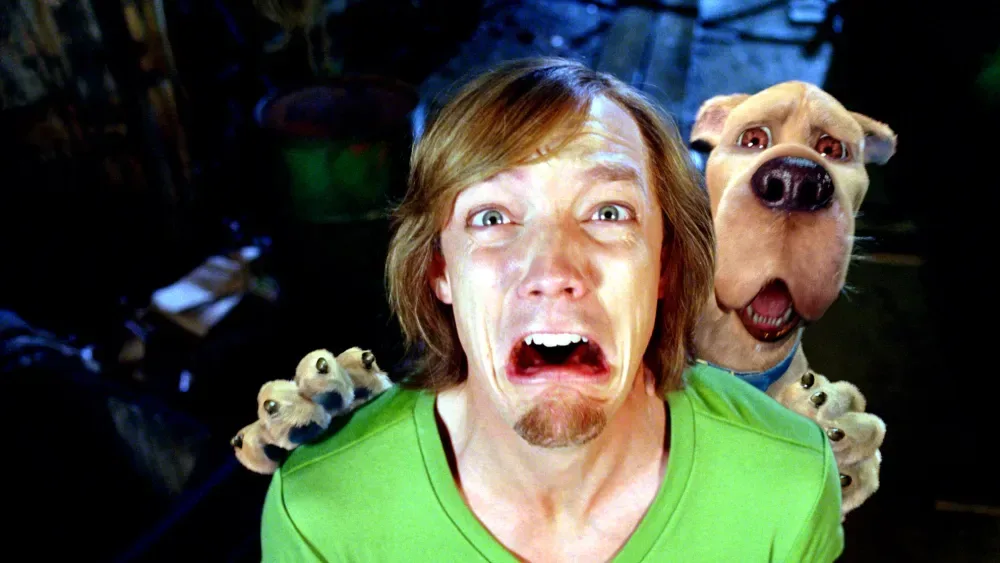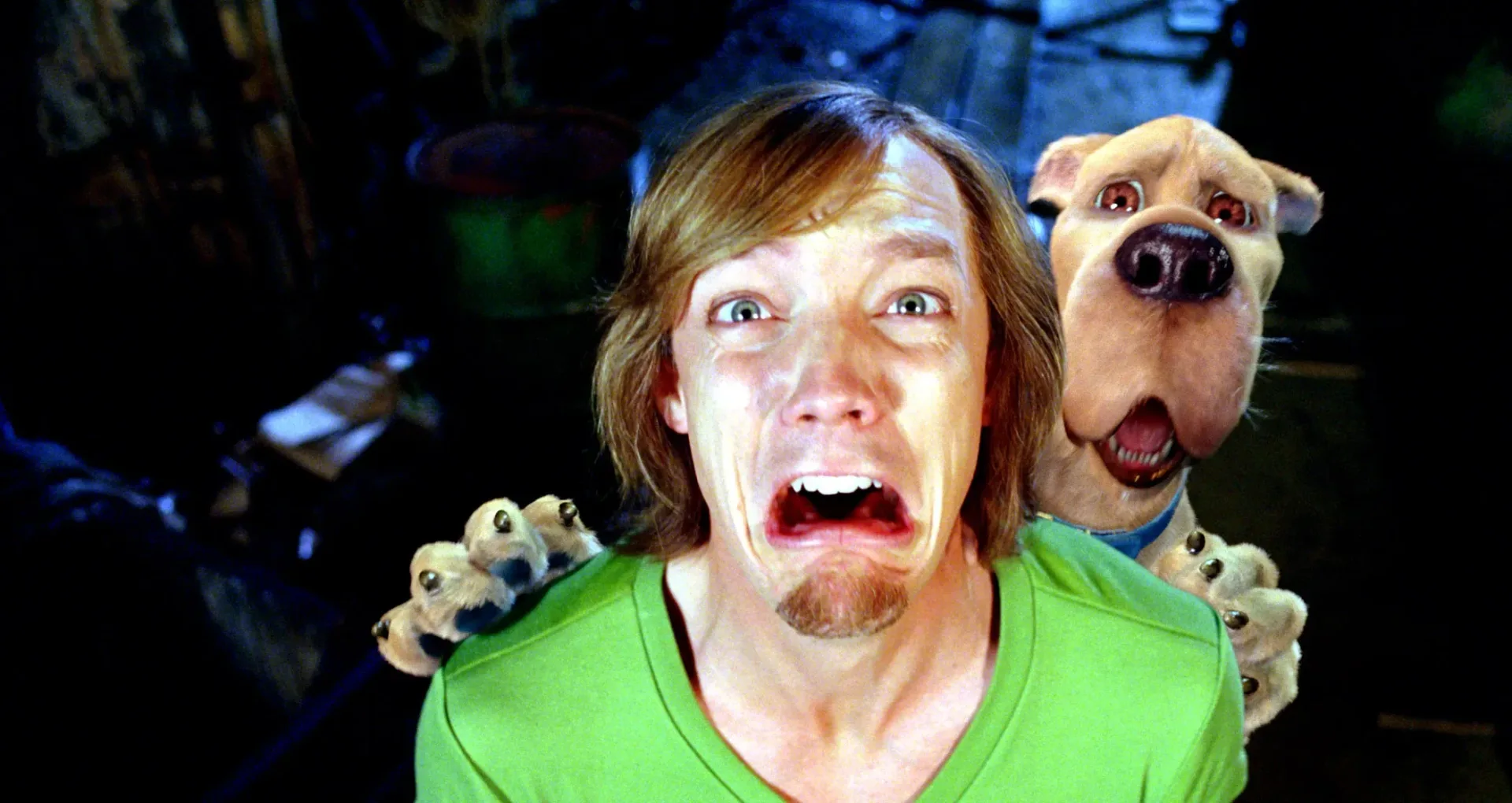
Matthew Lillard’s Shaggy became one of the defining performances of the live-action Scooby-Doo films, but the actor says the period that looked like a career breakthrough from the outside was much more complicated in private. In a recent video interview, Lillard described a long love-hate relationship with the franchise: gratitude for the work and the financial security it briefly provided, mixed with the frustration of watching his hoped-for leading-man trajectory fail to materialize.
For Lillard, the first live-action Scooby-Doo arrived in 2002 as a genuinely high-stakes opportunity. He played Shaggy alongside Freddie Prinze Jr. as Fred, Sarah Michelle Gellar as Daphne and Linda Cardellini as Velma. The film earned $275 million worldwide, a sizable commercial result and the kind of number that can make a performer reasonably expect further large-scale studio roles.
That expectation matters to the way Lillard now talks about the films. His concern at the time was not merely landing a recognizable role. He felt enormous pressure to be good in it, particularly because Shaggy was such an established and beloved character. He also believed the success of the first movie could turn into the next stage of his career: bigger films, leading roles and sustained mainstream visibility.
A blockbuster role did not become a blockbuster path
The sequel, 2004’s Scooby-Doo 2: Monsters Unleashed, changed the equation. Lillard has said he expected the follow-up to succeed on a scale that would elevate him to the top position on future casts. Instead, the sequel disappointed, the live-action franchise was short-lived, and he found himself unable to get work as a leading man.
That distinction is central to his account. A hit movie and a durable movie-star career are not interchangeable things. A performer can appear in a financially successful title without becoming the person studios build their next projects around. Lillard says he initially connected the subsequent downturn in his career to Scooby-Doo itself, resenting the series even while recognizing that it had given him a major role.
In retrospect, he has framed that resentment as a response to disappointment rather than a regret over taking the part. The role had represented an ambition he held at the time: to become “famous” in the biggest sense of the word. When that imagined future did not arrive, the movies became an easy symbol of the gap between what he expected and what happened.
What “top of the call sheet” means
In film and television, a call sheet is a production document that organizes the work planned for a given day, including cast members required on set. Being No. 1 on the call sheet generally means being the production’s principal performer and one of its clearest commercial anchors. Lillard’s description of wanting that position was not only about a credit order; it represented his belief that he could transition from notable supporting and character work into long-term leading-man opportunities.
His later assessment is notably less grandiose. Lillard says he came to understand that he had always been a character actor and that he had thought of himself as something else. A character actor is commonly understood as a performer valued for distinctive supporting roles and for creating memorable individuals within an ensemble, rather than necessarily being cast as the conventional central star. It is not a lesser category of acting, though Lillard’s experience illustrates how it can feel like a personal setback when it conflicts with an actor’s expectations.
The financial reality behind the disappointment
Lillard’s story also cuts through a frequent assumption about recognizable screen actors: that a prominent credit automatically guarantees ongoing security. He said the second Scooby-Doo film brought him the largest payday of his career, and that money was important enough that he does not regret participating. Without it, he said, he and his wife would not have made it through that period.
Even so, the household had to make substantial changes. Lillard said they sold cars and their house, reduced their expenses, and moved toward a much more affordable lifestyle. His wife returned to work. Those details give his reassessment of fame a more practical weight. The difficult period was not simply about ego, reviews or status within the business; it was tied to the concrete uncertainty of finding the next job and keeping a family financially stable.
“I resented ‘Scooby-Doo’ for a long time, but I never regretted doing it,” Lillard said, explaining that the sequel’s pay helped his family endure a period when they had to downsize their lives.
There is an important difference between the two sides of that statement. Resentment was directed at the emotional meaning Lillard had attached to the films: the notion that they were supposed to launch an entirely different career. Gratitude was directed at the actual work and compensation, which gave him a buffer when opportunities narrowed. Both reactions can be true at the same time, and Lillard’s account does not try to flatten them into a simpler redemption story.
Reframing success as a working actor
Lillard says a change in thinking helped him rebuild. He stopped centering his career around the pursuit of fame and returned to building a body of work as a character actor. That shift did not mean abandoning Shaggy. He continued voicing the character in animated Scooby-Doo films, preserving a connection to a role with which audiences strongly associate him.
At the same time, he landed supporting parts in films including the Oscar-winning The Descendants and Clint Eastwood’s Trouble With the Curve. Those credits support the point Lillard is making about the value of adjusting an expectation rather than treating it as failure. His career did not follow the leading-man plan he had envisioned after the first Scooby-Doo, but it did continue into different and meaningful opportunities.
That is why the current version of Lillard’s story is more nuanced than “the sequel hurt his career” or “everything worked out.” The sequel’s disappointment was a real turning point for the live-action franchise and, by his own account, a painful point in his professional life. But the money from that same movie helped his family, and the collapse of one ambition forced a more realistic understanding of the kind of actor he could be.
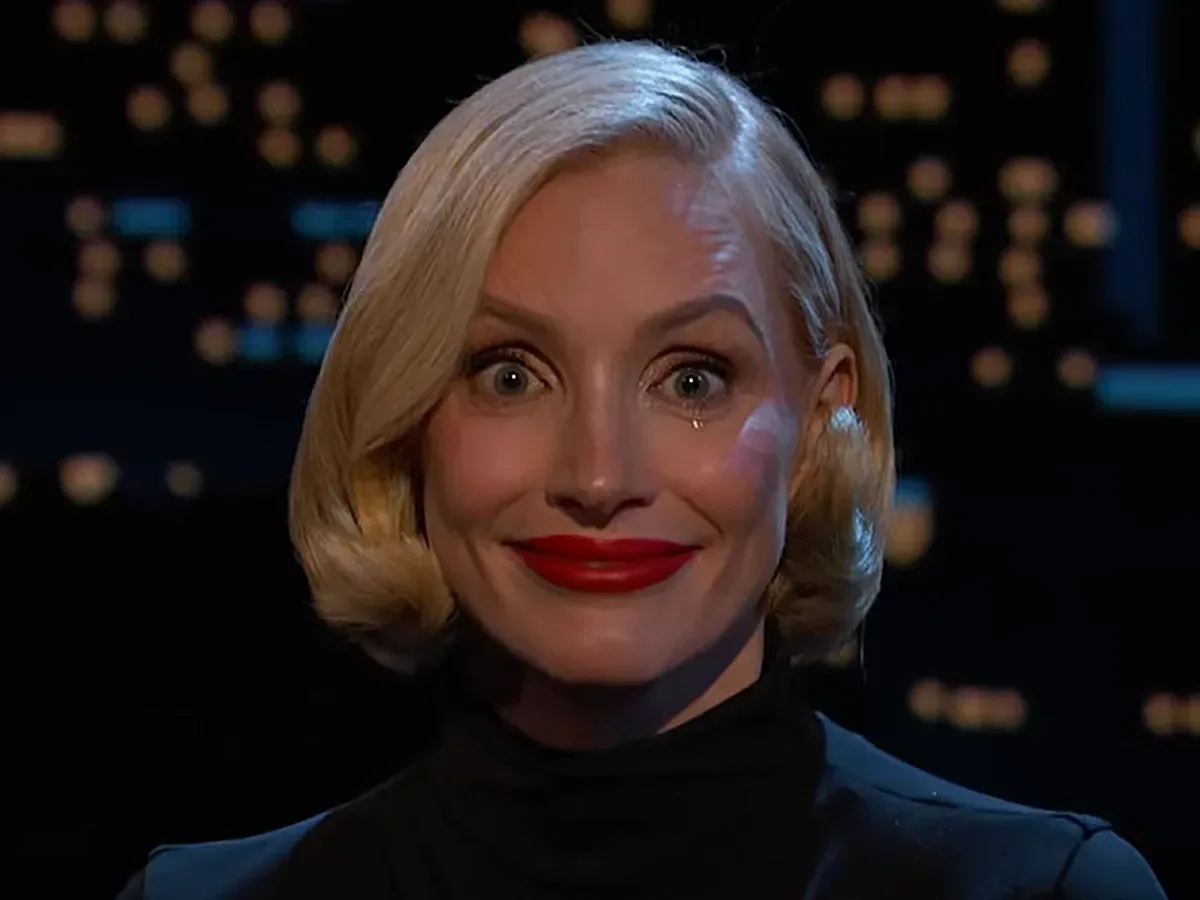
It is also a reminder that audiences encounter entertainment careers only in fragments: a major theatrical release, a long gap between high-profile roles, then a familiar face showing up in an acclaimed supporting part or returning to voice an iconic character. The work between those moments can involve financial strain, changed plans and a reassessment of what a sustainable career actually looks like. For related coverage of actors discussing the craft behind unusual screen performances, see Jessica Chastain’s comments on shaping the unsettling smile in Other Mommy.
Why Shaggy remains bigger than one movie cycle
The irony of Lillard’s experience is that Shaggy became a continuing part of his career even though he once blamed the films for the setback that followed them. The live-action run may have ended after two films, but his later voice work kept the association alive. That longevity separates the character from the specific commercial fortunes of the 2002 film and its 2004 sequel.
For fans, Lillard’s candidness provides context without changing the appeal of the performance. His take on Shaggy was made under intense pressure because he knew the part mattered to people, and it helped define a version of the character that continued beyond the original live-action adaptation. For Lillard, meanwhile, the role became evidence that career success is rarely a straight line. A job can be creatively important, financially essential and emotionally difficult all at once.
His perspective now appears rooted less in chasing the career he expected and more in appreciating the career he built after that expectation fell apart. The lesson is not that disappointment was secretly desirable. It is that recognizing the difference between celebrity, stability and meaningful work helped him move forward—and eventually see the Scooby-Doo years with more gratitude than resentment.