Matthew Lillard has shared a very human piece of hindsight about Scream: while making the 1996 film, he did not expect it to become a durable horror landmark, much less the beginning of a seven-film franchise.
At a New York Comic Con panel, Lillard recalled riding home from work around six in the morning, still covered in fake blood, and talking with fellow cast members about what came next. Courteney Cox was headed back to Friends; Neve Campbell was returning to Party of Five. Lillard, meanwhile, had recently worked on a pilot and thought television was the more realistic destination for him. His blunt assessment of the movie at the time: it was “lame,” nobody would see it, and he was going to become a TV star.
The pilot did not move forward. Scream, obviously, did. Thirty years on, Lillard’s story lands not as an embarrassment but as a useful corrective to the hindsight that surrounds beloved genre movies. Audiences now know the title as a major piece of horror culture, but the people making it did not have that ending in front of them.
The job looked smaller than the legacy became
It is easy to flatten a hit into inevitability. A movie becomes famous, a character becomes iconic, sequels arrive, and the original is eventually treated as though everyone involved recognized a phenomenon from the first day of shooting. Lillard’s memory pushes against that clean narrative.
For an actor on set, a film can simply be the immediate work: long hours, costumes, blood effects, scenes to finish and uncertainty about the next audition. His recollection makes that point especially vividly. He was literally leaving a blood-soaked overnight work session while assuming the more dependable career route lay elsewhere.
That distinction matters because a franchise is not merely a film that receives sequels. It is a cultural afterlife built over time. It depends on viewers finding the first entry, on a cast of characters remaining memorable, and on later installments giving the premise reasons to continue. None of that is guaranteed by the experience of making one movie.
Scream went on to become a seven-film series, with its most recent installment released earlier this year. Lillard said that nobody could have imagined what it would grow into. That is likely the clearest way to frame the remark: he was not disputing the film’s standing now; he was describing the uncertainty that existed before that standing was earned.
Why Stu Macher remained a fan touchstone
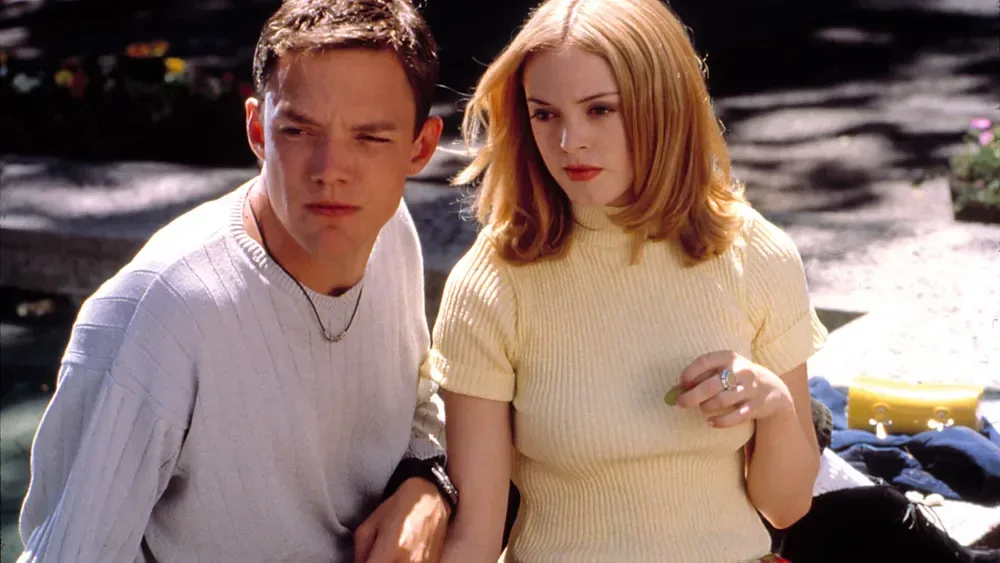
Lillard played Stuart “Stu” Macher, one of the original Ghostface killers. The part placed him alongside Campbell, Cox, Skeet Ulrich, David Arquette, Drew Barrymore and the wider ensemble that established the first film’s identity.
Related coverage includes Matthew Lillard Recalls Doubting ‘Scream’ Before It Became a Seven-Film Franchise.
Ghostface is the recurring face of the series, but the character’s role is different from that of a conventional fixed villain. In the original story, the mask operates as an identity that can be worn by more than one person. That setup gives the reveal of who is behind it particular weight: the personality, performance and motive of the person under the costume are essential to the payoff.
Stu consequently has a special relationship to the series’ legacy. He is connected to the original mystery, the original circle of characters and the reveal that helped define the movie’s place in horror conversation. Lillard’s performance is part of the reason the character has stayed so present in fan memory, even as the franchise has expanded far beyond that first cast lineup.
It also illustrates why supporting roles can become central to a film’s longevity. A franchise’s most recognizable image is often a mask, logo or title. Its ongoing emotional currency, however, comes from individual characters and the performers who gave them distinct life. The original cast members did not simply populate a whodunit; they gave audiences personalities to revisit, debate and associate with the series.
Cult status is built after release, not assigned during production
Lillard called Scream a cult classic in retrospect, and the phrase is worth handling carefully. “Cult classic” is often used loosely for almost any older movie with enthusiastic fans. More precisely, it describes a work whose following and cultural resonance remain unusually committed or durable over time. It does not mean the cast had a secret crystal ball while filming.
That later-built identity is what makes his comments interesting. The gulf between “nobody’s going to see it” and a seven-film franchise is not just about one actor making a bad prediction. It is about how radically the value of a creative job can change after the work leaves the set.
For viewers, this is a reminder that the permanence of a favorite movie can obscure its vulnerability at the beginning. Films are made before anyone knows whether audiences will respond. Actors also make career decisions and personal judgments without knowing which credit will be repeatedly discussed decades later.
That uncertainty is especially pronounced in genre projects. Horror can create intensely loyal audiences, but participants cannot assume a particular title will become a touchstone. A recognizable premise or a strong cast does not automatically create long-term cultural momentum. The eventual endurance of Scream is notable precisely because it was not a conclusion Lillard expected while covered in blood and heading home from a night shoot.
Lillard’s other franchise reflection was much less simple
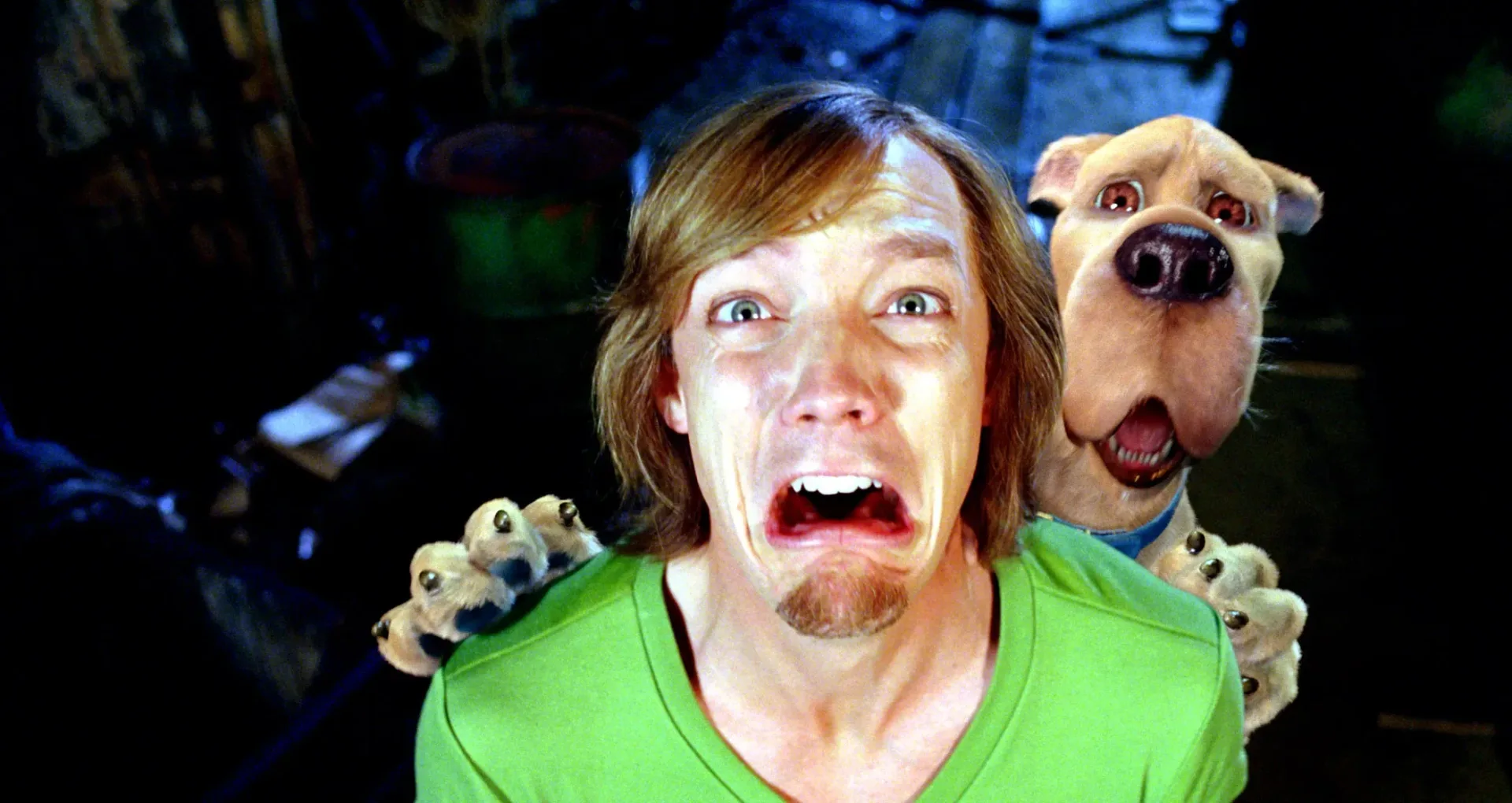
Lillard has also spoken candidly about another major screen franchise in his career: the live-action Scooby-Doo films from the early 2000s. He appeared in Scooby-Doo and Scooby-Doo 2: Monsters Unleashed, and described the first as his first big movie and a major opportunity.
But he said his relationship with those films became fraught after the second movie disappointed at the box office. He had expected the scale of Scooby-Doo to lead to a major movie-star trajectory. Instead, he felt his career went into a long downturn around that period. He recalled worrying that he might become one of the 1990s actors who never returned, and said he initially blamed Scooby-Doo for not working.
There is an important difference between that feeling and a claim of direct causation. Lillard was describing his own reaction to a difficult career stretch, not establishing that a single movie literally determined every later professional outcome. The distinction is practical: performers frequently attach hope to a large opportunity, and when the hoped-for next step does not materialize, the project can take on an outsized emotional meaning.
His comments nevertheless reveal the pressure hidden inside the word “franchise.” To audiences, a franchise role can look like security: a familiar character, repeat visibility and a built-in fanbase. To an actor, it can be an opportunity that carries expectations about what will happen after the release. If those expectations are not met, even a high-profile role can become emotionally complicated.
Two memories, one lesson about career narratives
Placed side by side, Lillard’s Scream and Scooby-Doo recollections offer almost opposite forms of uncertainty. With Scream, he underestimated a project that became enduringly important. With Scooby-Doo, he invested tremendous hope in a big opportunity and later associated it with a period of professional disappointment.
Neither experience fits the neat version of Hollywood storytelling in which a hit guarantees a career ascent and a franchise role has an obvious meaning from the outset. Careers do not unfold like a movie’s final reveal. They are understood in pieces, and the meaning of a role can evolve years later as audiences revisit it and as the performer gains distance from the period.
That is also why Lillard’s honesty has value beyond a fun convention anecdote. His Scream story does not diminish the film. It makes its eventual status feel more earned. The movie was not inevitable to the people doing the work; it became significant because it continued to matter after the work was finished.
For fans, that makes revisiting the original a little more interesting. Stu Macher is not only a remembered character in an established horror institution. He is a role performed by an actor who thought, at the time, that the film might disappear without much notice. The distance between those two realities is the whole point of the story.
Horror remains full of projects whose futures are unknowable when the cameras stop rolling. Some will be briefly discussed and fade. Some will inspire a devoted audience. A rare few will keep growing into franchises that outlast everyone’s first assumptions. Scream belongs in that last category, even if Matthew Lillard did not see it coming from the back of that early-morning car ride.
For another look at how horror properties continue to create new offshoots and formats, see the news on Gotham By Daylight and its horror-anthology approach.