IMAX has become shorthand for “the biggest possible version” of a new movie. That is sometimes exactly right. A film conceived around IMAX cameras, its taller image and its gigantic screens can make the format feel less like an upgrade and more like part of the work itself. But the label on a showtime does not guarantee that every part of that promise is in play.
For moviegoers weighing an IMAX booking, the important question is not simply whether a title is screening in IMAX. It is what kind of IMAX presentation is available nearby, whether the movie was made to use the format’s additional image area, and whether the extra cost and planning deliver something meaningfully different from a standard screening.
That distinction matters because IMAX has practical downsides alongside its clear strengths: a surcharge over regular admission, a limited number of venues equipped for the rarest large-format film presentations, and intense competition for seats when a major release is genuinely built around the format.
The crucial detail: screen size and picture shape are different things
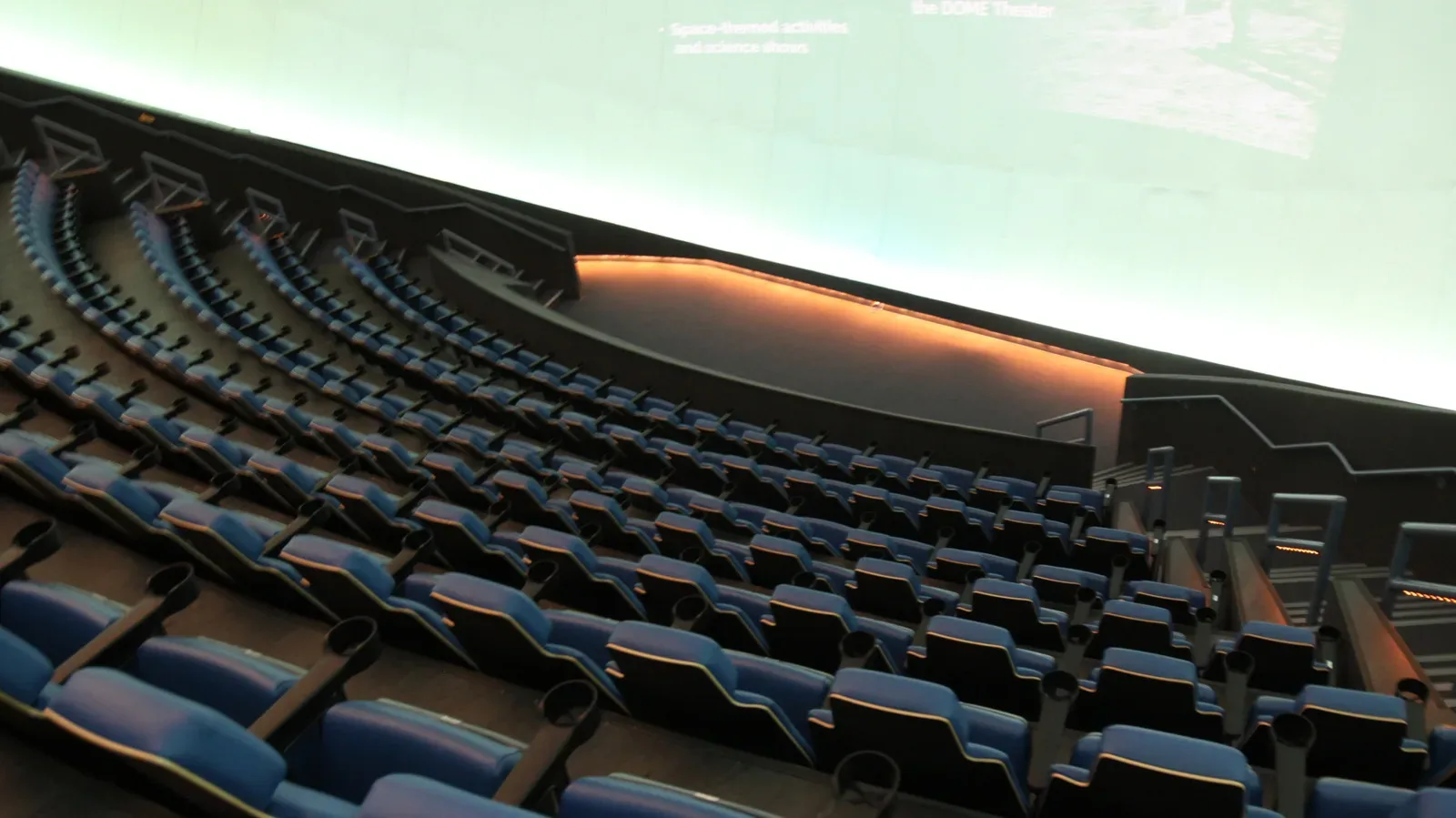
An IMAX auditorium can supply a very big image and powerful sound. Those are real benefits, and they may make an ordinary wide release feel more imposing. Yet a larger screen alone is not the same as receiving more of the movie’s picture.
This is where aspect ratio matters. An aspect ratio describes the relationship between an image’s width and height. Many blockbuster releases use a 2.39:1 widescreen frame: it is substantially wider than it is tall. IMAX presentations can use taller shapes, including 1.90:1 and, in some cases, 1.43:1. Because those figures are closer to 1:1, the frame occupies more vertical space.
When a movie contains IMAX-formatted footage, that taller frame can reveal additional picture above and below the conventional widescreen composition. The practical effect is often especially noticeable in expansive environments, large-scale action and scenes designed to fill a viewer’s field of vision. It is not merely a matter of enlarging the same rectangle; the movie can present a larger visual canvas.
However, an IMAX screening of a title that was not created for that format may not include that expanded imagery. It can still be bigger and louder than a standard showing, but it may retain the conventional framing rather than unveil extra image information. That is a reasonable enhancement for someone who values the premium room, but it is a different proposition from seeing a film that was planned around a taller IMAX frame.
Recent IMAX bookings for Toy Story 5 and Moana, for example, do not by themselves mean those movies were classified as “Filmed for IMAX.” The phrase is meaningful because it signals that filmmakers used IMAX-oriented capture and production methods, not simply that a release has been scheduled in an IMAX auditorium.
What “Filmed for IMAX” does — and does not — tell you
Making a movie for IMAX requires specialized production tools. Traditional IMAX film photography uses 65mm IMAX cameras. They are large, expensive and notably loud machines, characteristics that can make them a demanding choice on a film set.
Digital IMAX cameras offer another route. A movie classified as “Filmed for IMAX,” such as Mission Impossible: The Final Reckoning, can use digital IMAX capture without being photographed on the same large-format film stock as a 70mm IMAX presentation. The distinction is technical, but it is useful: IMAX-related production choices exist on a spectrum rather than as a simple yes-or-no divide.
70mm IMAX film, in this context, refers to a presentation using traditional large-format film projection. It is the version associated with the rarest and most sought-after IMAX engagements. IMAX Digital refers to presentations using digital projection. Both can be premium cinema experiences, but they are not interchangeable, and a nearby IMAX venue may not offer the towering 1.43:1, 70mm setup audiences often have in mind when they hear the format praised.
That does not make digital IMAX a fake experience or a wasted ticket. It means the buyer should judge the available presentation on its own terms. A digital IMAX showing of a film with IMAX-oriented imagery can be appealing. A standard-framed movie on a large digital IMAX screen may be appealing too. Neither necessarily replicates the scarce 70mm film presentation of a title shot entirely for IMAX.
The Odyssey illustrates both the format’s power and its scarcity
The Odyssey stands as a particularly clear example of the ceiling for the format. It is described as the first Hollywood movie shot entirely on IMAX film, making its IMAX presentation integral rather than incidental. In that situation, the premium is easier to understand: the film’s capture format, intended scale and exhibition format are aligned.
It also demonstrates why “see it in IMAX” can be incomplete advice. When the film reached screens in July 2026, just 41 locations worldwide were offering IMAX 70mm engagements. That is a tiny subset of the wider IMAX footprint. IMAX has 1,876 screens across 91 countries, a total that also includes installations in places such as museums and science centers. A broad global screen count is therefore not the same thing as broad access to the most specialized film presentation.
For people who specifically want 70mm IMAX, location may be the first barrier. Reaching one of the equipped cinemas can require a long trip rather than a short visit to the nearest multiplex. For those who do not have one locally, a digital IMAX option may still be the best premium alternative, but it should not be mistaken for the same presentation.
That is why shoppers should resist treating the IMAX brand as a detailed technical specification. It is better understood as a family of premium experiences with meaningful variation among the movie, the camera workflow, the projection system, the screen and the auditorium.
A premium ticket deserves a specific reason
IMAX costs more than regular admission. Major chains including AMC and Regal apply surcharges for IMAX and other premium large-format screenings, with the amount varying by theatre, location and session. The basic decision is therefore a value question: what, precisely, is the additional money buying for this movie at this venue?
There is a strong case for the premium when a release was designed around IMAX photography or its expanded aspect ratio. In those cases, the ticket can provide access to a presentation with additional picture area and a scale central to the filmmakers’ intended effect. The prospect is less compelling when the screening only offers a bigger room for a movie that was not made to exploit the format.
This is not a judgment on the quality of individual films. A title such as Minions and Monsters, Scream 7 or Masters of the Universe can be entertaining without needing to be an IMAX showcase. The point is simpler: a strong movie and an optimal use of IMAX are separate questions. Paying a premium for an enlarged, louder version may be worthwhile for some viewers, but it does not automatically unlock the expanded-frame experience associated with dedicated IMAX productions.
In practical terms, the hierarchy is fairly straightforward. A 70mm IMAX presentation of a movie shot for that medium offers the clearest case for paying and planning ahead. A digitally captured movie made for IMAX provides another credible reason to upgrade. A film merely playing on an IMAX screen requires more personal calculation: the auditorium may be better, but the film may not provide an image benefit unique to the format.
Demand can turn the “best” format into the least convenient option
The films that make the strongest case for IMAX also tend to make the seats hardest to get. For The Odyssey, tickets for initial IMAX 70mm engagements went on sale a full year before release. Ninety-five percent of the first batch sold within a day, with many tickets disappearing within minutes. The 41 cinemas showing the film in 70mm subsequently recorded sellouts deep into its run.
That demand changes the experience before a viewer even enters the auditorium. Booking far in advance may be necessary, especially for a weekend showtime or a location with one of the specialized projectors. It also raises a less glamorous consideration: seat choice.
Seat position has an outsized effect in a very large auditorium. Being close to the screen or far off to one side can mean spending a film craning one’s neck or watching at an awkward angle. A premium presentation with only poor remaining seats may not be a better option than a standard screening with a comfortable central view. That is not an argument against IMAX; it is an argument for treating the room and the seating chart as part of the ticket decision.
A practical checklist before choosing IMAX
- Check whether the film was made for IMAX. A title playing in the format may not have been photographed or composed to use its expanded aspect ratio.
- Find out what the local venue actually offers. An IMAX-branded screen may use digital projection rather than 70mm film, and the exceptional 1.43:1 presentation is much rarer than the overall screen count suggests.
- Decide what the surcharge is buying. For a film made for IMAX, it may mean expanded imagery and a presentation closely linked to the production. For another release, it may chiefly mean screen size and sound.
- Look at seats before paying extra. A well-positioned standard seat can be preferable to an uncomfortable seat at a premium showing.
- Book early only when the format is the priority. Scarce 70mm engagements and major event releases can sell out quickly. If the film is not a dedicated IMAX showcase, a regular screening may be the easier and better-value choice.
The premium-format decision ultimately comes down to matching the presentation to the movie rather than chasing a label. IMAX remains uniquely suited to certain large-scale releases, particularly productions made with its cameras and taller frame in mind. But cost, access and the type of projection all matter. The best IMAX ticket can be unforgettable; the ordinary IMAX ticket may simply be a more expensive way to see the same movie.
Those questions of spectacle, access and entertainment economics also sit alongside the wider business of putting major media in front of massive audiences, whether that is a cinema engagement or a marquee broadcast buy such as Disney’s reported Super Bowl ad openings.