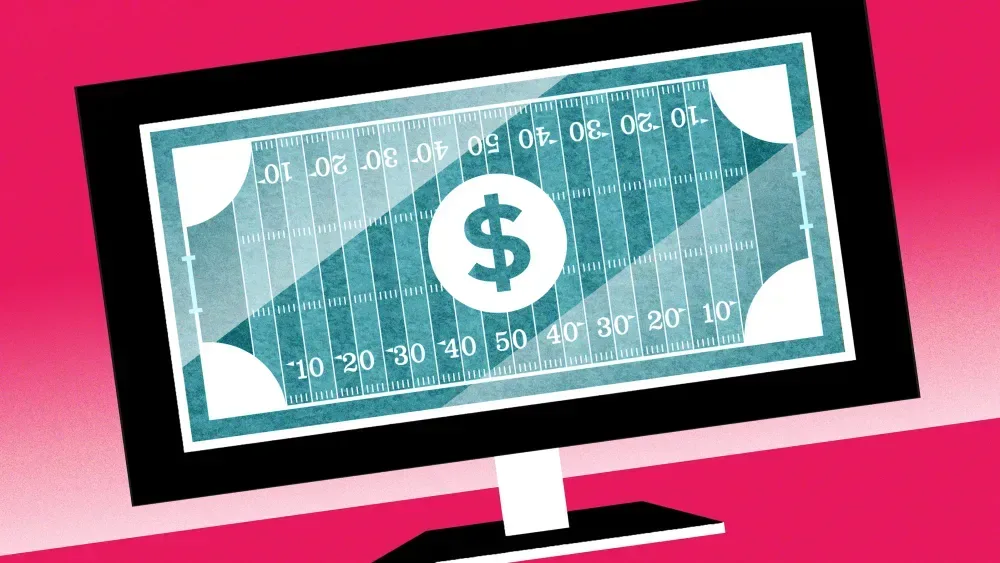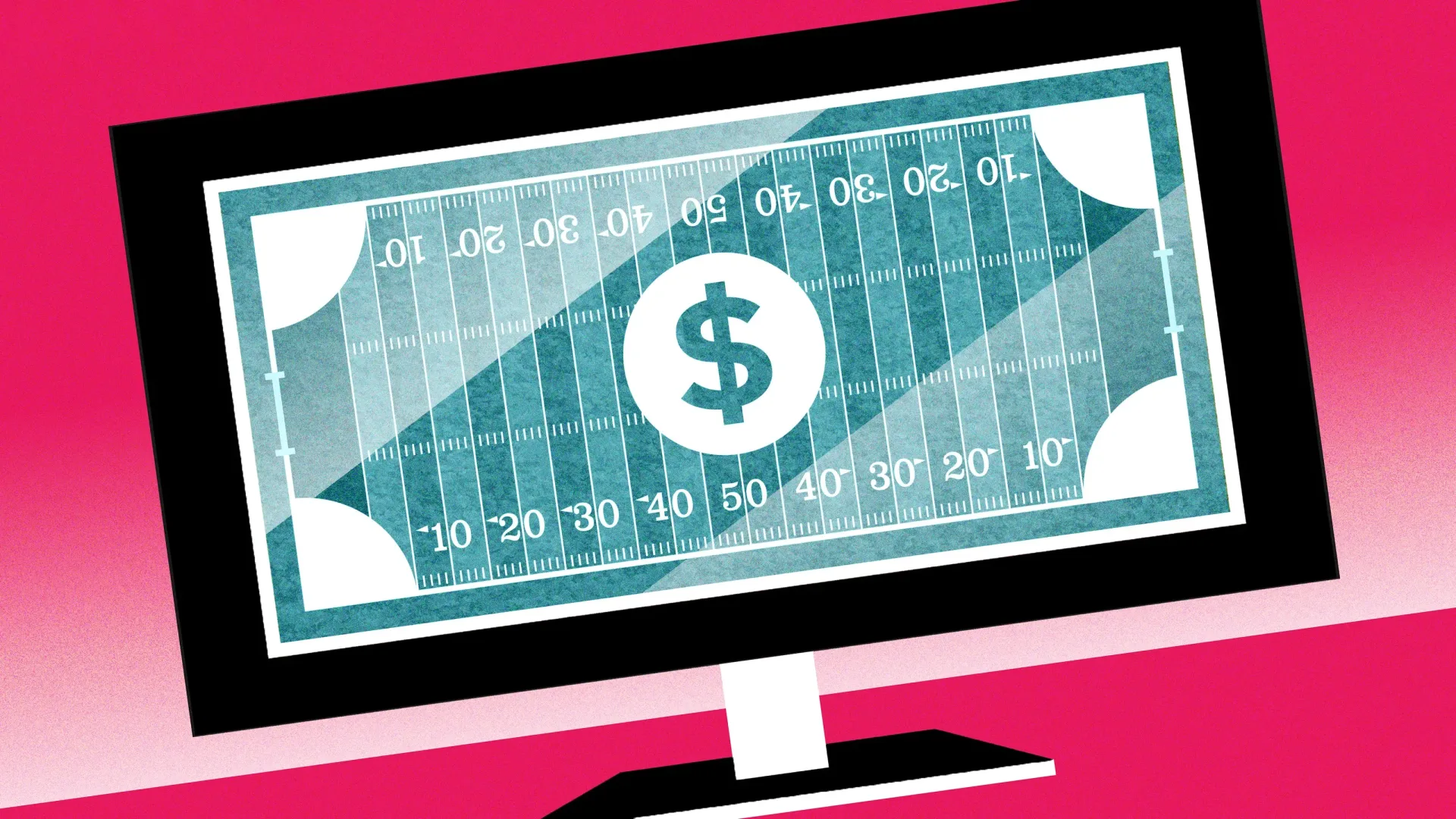
Disney has reportedly started exploring whether marketers would pay between $10 million and $12 million for a 30-second commercial in its 2027 Super Bowl telecast—but the prospective inventory is not currently available.
The company had already said in July that its commercial allotment for the game was sold out. Rather than adding confirmed new slots, it is said to be assembling a group of interested advertisers that could step in if an existing buyer asks to leave its agreement. In advertising terminology, that request is often called seeking relief: a sponsor asks a broadcaster to release it from a previously reserved commitment.
That makes the sales push less a reopening of Super Bowl inventory than a contingency plan with an ambitious price attached. Disney would be positioned to resell any returned commercial time at a higher rate, assuming a current sponsor gives up a slot and a prospective replacement agrees to the terms.
A waitlist for an event that is already sold out
The distinction matters. A company cannot sell a particular ad break if it does not control that break. Disney is not reported to have received permission from the NFL to expand the game’s commercial load. Instead, it is attempting to identify advertisers willing to buy in should availability emerge later in the cycle.
That possibility is not merely theoretical. A Super Bowl advertiser’s plans can change as the game approaches. An ad concept may not come together in a way the brand feels is worthy of the unusually high-profile stage. A business can encounter financial pressure or an unforeseen situation that makes a splashy campaign difficult to justify.
There is recent precedent for a brand pursuing an exit. State Farm sought to be released from commercials tied to Super Bowl LIX after California wildfires created major challenges for the insurer. Requests of this sort more commonly intensify nearer the end of the calendar year, which helps explain why broadcasters have traditionally been careful about declaring a Super Bowl fully sold out too early.
Disney’s July sellout was therefore notable: it came unusually early in the broader selling cycle. Its current approach appears designed to preserve an opportunity that may arise after that declaration, rather than to contradict it by manufacturing fresh capacity.
Why the asking price is so steep
A 30-second spot priced at $10 million to $12 million would represent the top end of the figures discussed around Disney’s sales effort. Reports indicate that the desired deal also includes a match, meaning the advertiser would commit an additional tranche of spending across other Disney advertising inventory.
In plain terms, the possible purchase is not necessarily just one immensely expensive game commercial. The buyer could be expected to pair it with broader spending elsewhere in Disney’s ecosystem. For Disney, that turns a scarce televised moment into a way to win more overall advertising revenue. For a marketer, it raises the total commitment and makes the decision about much more than a single halftime—or first-quarter—moment.
The underlying value proposition is reach at a time when mass simultaneous viewing has become harder to find. Streaming has given audiences a sprawling number of places to watch entertainment, with viewers increasingly spread across services, platforms and viewing times. The Super Bowl remains unusual because it concentrates a giant live audience around one event, and advertisers value the attention and cultural conversation that come with it.
That does not mean every price is automatically acceptable. Advertisers spending millions expect substantial consumer reach and desirable placement in the telecast. A major brand’s calculation includes the game’s audience, the position of the commercial within the broadcast, the ability of a creative idea to stand out, and the additional spending requested outside the game itself.
Disney’s earlier pricing fight shapes the backdrop
Disney’s sales strategy has already created tension with some major advertisers. It initially sought $10 million for a 30-second commercial, a significant step above the $7 million NBC sought in early conversations for the prior Super Bowl.
Disney reportedly sold some ads for $9 million or more to clients outside the biggest media-buying agencies. It then tried to move major Super Bowl advertisers, including Anheuser-Busch InBev and PepsiCo, toward comparable prices. The company also indicated that premium positions traditionally associated with those sponsors could go to others paying more.
Large advertisers resisted that approach, and much of the available time was ultimately sold at $8 million or more. That is still an extraordinary amount for half a minute of airtime. But it also illustrates a central issue in the latest $10 million-to-$12 million discussions: a broadcaster can name a premium target, while advertisers decide whether the value, placement and terms warrant paying it.
One media buyer familiar with the current situation suggested there were not, at that moment, advertisers actively seeking a slot at $12 million because there was no slot to purchase. Another executive described Disney’s work as the creation of a list of brands prepared to enter if somebody else drops out. A separate person familiar with the talks described interest as robust.
Those accounts are not irreconcilable. Interest in a future opportunity can be real without proving that a buyer would immediately pay the highest proposed rate. Until a sponsor returns inventory—and a replacement actually completes a deal—the potential openings and their final prices remain uncertain.
What makes Disney’s 2027 broadcast different
The 2027 game is set to be the first Super Bowl carried by one of Disney’s properties in nearly two decades. Disney is positioning it as more than a standard single-feed broadcast.
ABC and ESPN are set to offer a conventional presentation, while Peyton and Eli Manning are attached to a more playful alternate version. Disney could also pursue more tailored programming for particular audience niches, although that depends on discussions with the NFL. Such alternate presentations can matter to advertisers because they create choices about the viewers a campaign is trying to reach and the editorial environment around an ad.
The timing provides other selling points. The game will land on a three-day weekend and close to Valentine’s Day, circumstances Disney plans to use in its pitch. Neither detail guarantees a particular advertising outcome, but each gives marketers another planning angle: holiday-adjacent messaging, extended weekend viewing and promotional activity that can continue after the broadcast.
For entertainment and gaming marketers, Super Bowl commercials have a particularly demanding job. The audience is vast but broad, and the creative must communicate quickly to people who may not recognize the property, platform or release plan. The game can create a powerful launch moment, but it cannot substitute for clear messaging or follow-through once viewers leave the broadcast.
That broader question of how a major live event can create fandom is relevant well beyond football. Fortnitemares at Halloween Horror Nights, for example, demonstrates how an entertainment property can pursue audiences through a carefully tailored event experience rather than relying on one conventional format.
Could Disney simply add more commercial breaks?
There is another route to additional revenue, but it is not entirely Disney’s decision. Broadcasters have previously obtained NFL approval to open extra commercial breaks during a Super Bowl. If Disney pursued that option and received permission, it could create new slots rather than wait for a contracted advertiser to leave.
The financial trade-off is substantial: media buyers say the NFL generally receives half of the revenue from those added breaks. That arrangement may limit the upside for the broadcaster even if the headline price of an extra commercial is enormous.
There is also a viewer consideration. Extra breaks can make a broadcast more commercially valuable, but they also add interruption to an event whose pacing is part of its appeal. The source material does not indicate that Disney has gained approval to take this step, only that it is an option broadcasters have used in the past.
Financial pressure does not erase advertiser leverage
The Super Bowl negotiations are unfolding amid a wider Disney focus on costs and revenue. Since Josh D’Amaro succeeded Bob Iger as chief executive in March, Disney has undertaken further layoffs, examined its cost structure and raised prices on many streaming offerings. Dana Walden, the company’s chief creative officer, also recently discussed the challenge of maintaining late-night host Jimmy Kimmel’s show as linear viewing declines. Kimmel’s one-year agreement ends after the current 2027 TV season.
Those circumstances may help explain why Disney is seeking every potential path to additional advertising dollars. They do not, however, force brands to accept a deal they consider unattractive. Marketers buy reach, relevance and effective placement—not simply a media company’s financial recovery plan.
The broader ad market has supplied a reminder of that limit. In 2022, Warner Bros. Discovery pushed advertisers to raise upfront spending and suggested it could withhold commercials from HGTV and sports if commitments did not increase meaningfully. Some buyers shifted their clients’ money elsewhere, and the company lost millions in that market.
Upfront refers to the annual marketplace in which networks and streaming companies sell large portions of upcoming advertising inventory ahead of time. It gives media companies revenue visibility and gives advertisers an opportunity to secure desired programming, but it still depends on negotiation. The Super Bowl operates at an even more intense level of scarcity, attention and brand expectation.
Disney may yet find a marketer ready to pay a record-setting rate if a Super Bowl opening returns to market. For now, the important point is that the reported $10 million-to-$12 million pitch concerns possible replacement inventory, not a newly confirmed batch of spots. Whether the strategy produces an actual sale will depend on two separate events: a current advertiser deciding to seek relief, and a waiting advertiser deciding the price and broader commitment are worth it.