Disney is making another round of workforce reductions affecting several hundred employees, continuing a cost-cutting program that has already produced two prior waves of layoffs this year. The latest cuts are reported to be concentrated in human resources and information technology roles, both at the corporate level and within individual business divisions.
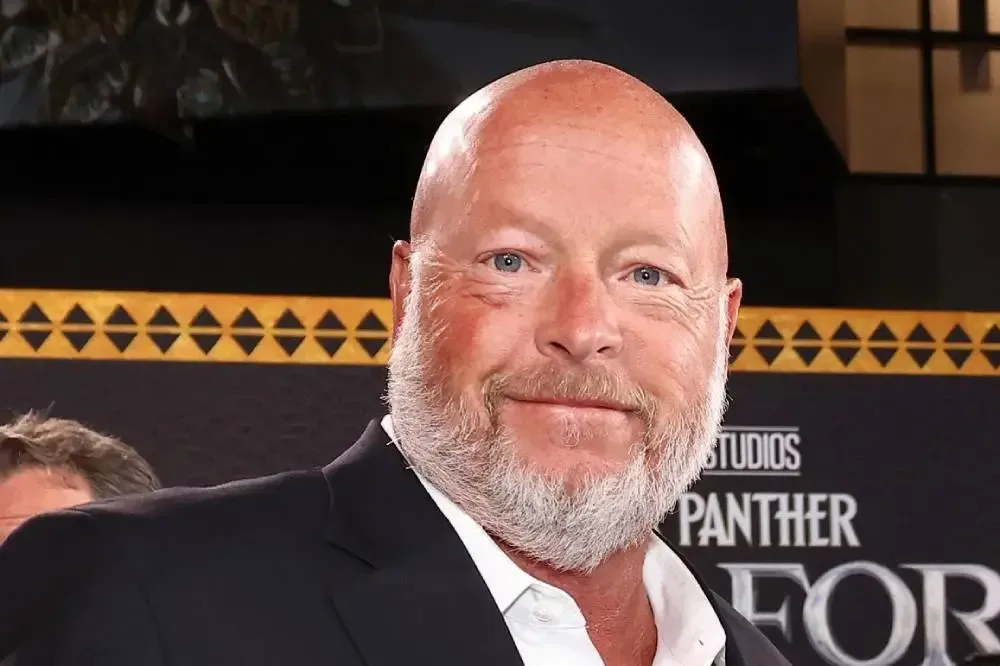
It is the third layoff round this year under CEO Josh D’Amaro. While the number involved in the newest action has been described only as several hundred, its placement in HR and IT is significant: these are the teams that support the company’s broader operations rather than a single consumer-facing label, studio, channel, or product line.
What is known about the latest reductions
The newest reductions affect multiple departments, with human resources and IT identified as the principal areas. Disney had approximately 231,000 full- and part-time employees at the end of its 2025 fiscal year, meaning the reported cuts are a small portion of its total headcount. That scale does not lessen the impact on employees and their teams, but it does provide important context: this is an enterprise-wide efficiency push at a company with an enormous workforce and many operating units.
Disney’s previous results communication had already signaled that additional reductions were under consideration. D’Amaro and Chief Financial Officer Hugh Johnston said the company was working to reduce costs across the enterprise in order to free up capacity for growth investments. They specifically identified labor costs and SG&A as areas under review.
SG&A stands for selling, general and administrative expenses. It is an accounting label for the broad costs of running an organization that are not directly tied to making a particular film, television program, product, or attraction. Depending on the business, it can include corporate administration, finance, legal work, marketing support, personnel functions, technology infrastructure, offices, and other shared services. A company seeking to lower SG&A is generally looking at how its central and support operations are structured, staffed, and managed.
That wording matters because it frames the present cuts as part of a wider program, rather than an isolated action connected to one Disney brand. The company has said it remains in the middle of that effort and expects to provide further progress updates.
A third workforce action in one year
The latest reductions follow two earlier rounds. In April, Disney eliminated roughly 1,000 positions, chiefly in connection with the creation of a consolidated enterprise marketing organization led by Chief Marketing and Brand Officer Asad Ayaz. Consolidation usually means functions that were previously distributed among several units are brought under one unified organization. It can centralize decision-making and standardize processes, but it can also remove overlapping jobs when separate teams had been performing similar work.
In July, Disney made another set of reductions numbering several hundred across selected corporate functions and parts of Pixar, ESPN, Disney Entertainment Television, and the studios operation. Pixar accounted for most of the reductions on the studio side, while National Geographic accounted for most of the affected roles in the television group.
Disney also offered early-retirement buyout packages to longtime executives in August. A buyout is a voluntary departure arrangement, typically designed to encourage eligible employees to leave under specified terms. It is distinct from a layoff, where an employer ends roles directly, though both can form part of the same larger effort to reshape spending and organizational structure.
Taken together, the April reorganization, July reductions, executive buyouts, and current cuts point to a multi-stage approach. Disney has not presented the latest move as a one-off event tied to a particular production or release. Its stated rationale is broader: lower enterprise costs and create room to invest in growth.
Why support functions are in focus
HR and IT can be easy to describe as “back office” functions, but that shorthand can obscure what they do. Human-resources teams handle hiring processes, benefits, employee relations, compensation systems, workplace policies, and organizational planning. IT teams maintain the systems, networks, devices, access controls, data tools, and internal services that employees rely on to do their jobs.
When a large company changes staffing in those areas, the practical question is not simply how many roles are removed. It is how remaining work is reorganized. Organizations may combine teams, simplify internal procedures, rely more heavily on common systems across divisions, change vendor arrangements, or prioritize certain projects over others. None of those outcomes has been detailed for Disney’s current reductions, so it would be premature to assume a specific operational consequence. But the selected departments indicate that the company is examining shared services as part of its cost discipline.
There is also a difference between cutting a support function and declaring it unimportant. For a company operating across numerous businesses, internal systems and people operations remain essential. The strategy suggested by Disney’s comments is one of spending reduction and structural efficiency: determining which work can be centralized, streamlined, or delivered with fewer layers.
What Disney’s growth-investment language does—and does not—tell us
The company’s language about creating “capacity” for growth is corporate-finance terminology. In plain terms, it means reducing some expenses so money and management attention can be directed elsewhere. It does not, by itself, identify which products, franchises, divisions, or projects will receive those resources.
That distinction is important for audiences trying to connect employment news to the content they watch or the brands they follow. The reported information confirms cuts in HR and IT and places them inside an ongoing company-wide savings effort. It does not establish changes to a particular film slate, television series, streaming offering, sports program, game, or theme-park plan.
Likewise, the company’s total workforce figure should not be used to minimize the human stakes of a reduction. Headcount data is useful for measuring scope, but every affected position sits inside a team and a personal livelihood. The business explanation and the employee impact are both real parts of the story.
The broader organizational signal
The sequence of actions this year suggests Disney is pursuing savings through more than one lever. The April marketing restructuring addressed organization design. The July layoffs reached selected corporate and entertainment operations. The August retirement packages targeted another segment of the workforce through voluntary departures. The current round returns to corporate and divisional support teams.
In that sense, the phrase “cost cutting” is less informative than the pattern behind it. Disney appears to be reviewing where functions overlap, which costs can be reduced across the enterprise, and how labor and administrative spending fit with its investment plans. The company has indicated that this work remains ongoing, which leaves the prospect of future updates open without confirming the form they will take.
For the entertainment business, that is a reminder that the companies behind familiar characters and major releases are also vast organizations of shared infrastructure, financial planning, personnel operations, technology, marketing, and production. Their restructurings can touch public-facing creative divisions, as earlier cuts did, but they can also concentrate on the less visible systems that connect those divisions.
Readers interested in how corporate strategy, technology, and fandom increasingly intersect may also find value in this look at an industry event focused on fandom and collaboration. The current Disney news, however, is fundamentally about internal costs and staffing—not a newly announced consumer initiative.
What remains unclear
Several details have not been established publicly in the information available. There is no precise total for the newest round beyond several hundred employees, no division-by-division breakdown, and no detailed account of which HR or IT functions are affected. There is also no stated timetable for the broader savings review beyond Disney’s indication that it is still underway.
Those gaps make restraint especially important. The clearest conclusion is that Disney’s workforce actions are continuing, with the latest round focused primarily on HR and IT roles. The larger objective, based on the company’s own framing, is to reduce labor and administrative costs while preserving room for future growth investment. How that balance will reshape individual teams and divisions will depend on details Disney has not yet provided.