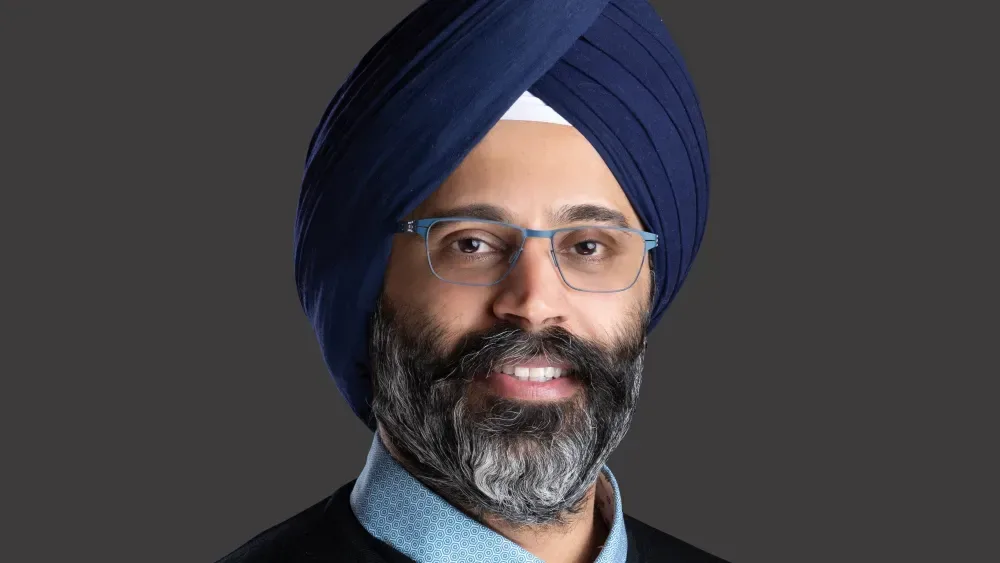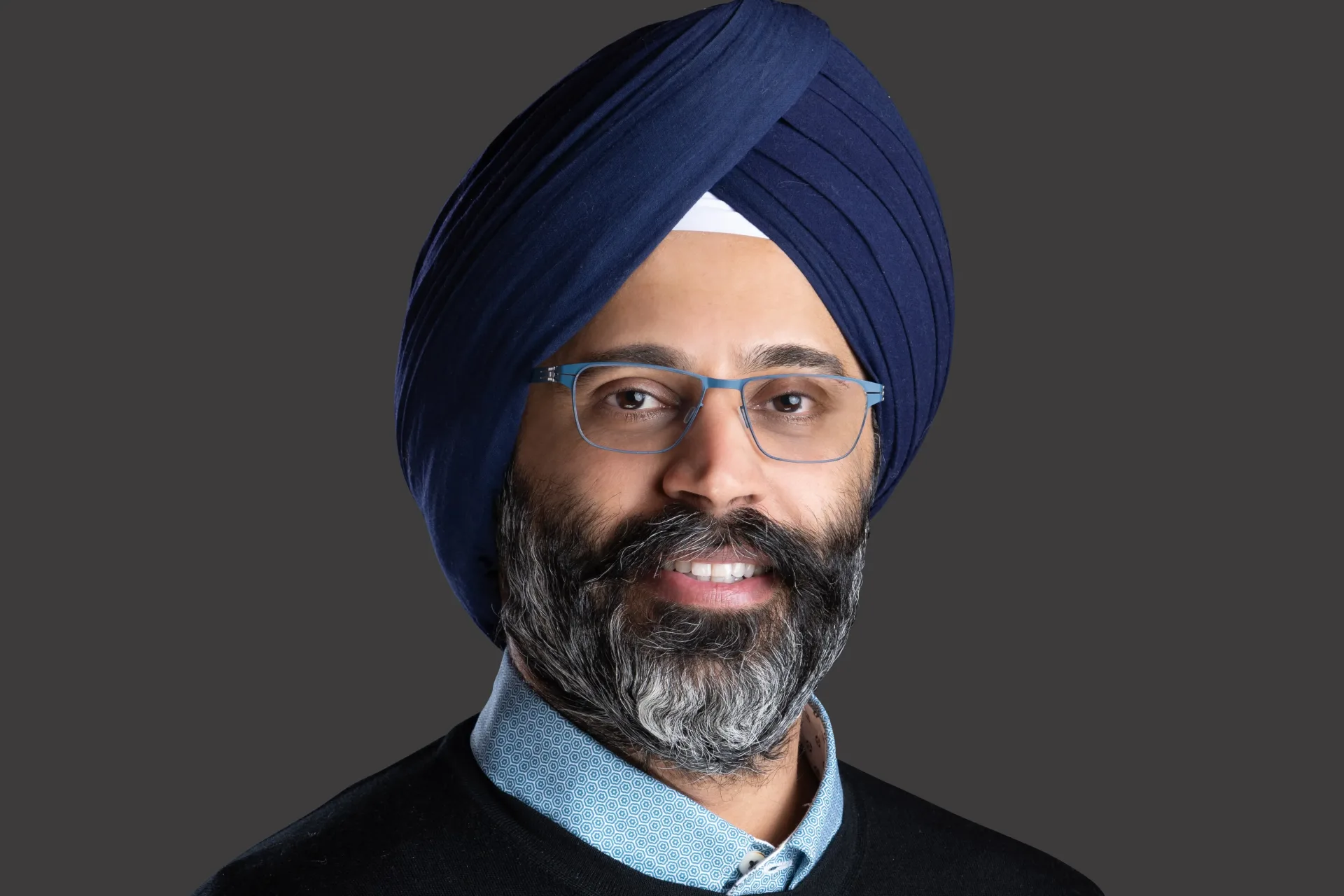
Disney is creating its first chief technology officer role and has selected Karandeep Anand, most recently the CEO of generative-AI chatbot company Character.AI, to fill it. Anand will join as senior executive vice president and CTO on Oct. 2, reporting directly to Disney CEO Josh D’Amaro.
The appointment does more than add another technology title to a very large entertainment company. It creates a company-wide technical mandate spanning enterprise technology, infrastructure, data and AI platforms, product, and engineering. Disney says Anand will work across its segment-level technology teams as it modernizes the way technology is built and delivered throughout the company.
For fans, that language does not amount to a newly announced product or an AI feature waiting in a Disney+ menu. No specific consumer-facing tools, services or release timetable were disclosed. But the structure of the role makes the strategic direction clear: Disney wants technology leadership that can connect systems across the company while keeping storytelling at the center of the stated mission.
A first CTO, with a broad brief
A chief technology officer, or CTO, is generally the executive responsible for a company’s technical direction. The details vary by business. In this case, Disney has placed a remarkably wide collection of responsibilities under Anand: the behind-the-scenes systems that keep an enterprise operating, the infrastructure on which digital products run, data systems, AI platforms, consumer product development, and engineering.
That breadth is important because each of those areas affects the others. Infrastructure is the underlying computing and network foundation. Data platforms organize and make information usable across systems. Product teams decide what customers and employees interact with. Engineering teams turn that work into functioning technology. AI platforms can supply shared tools, controls, and technical building blocks rather than leaving every individual business to construct its own approach separately.
Disney had not previously had a CTO in this company-wide sense. Its former highest-ranking technology executive, Adam Smith, has now been promoted to chairman of direct-to-consumer for Disney Entertainment. Smith joined Disney in 2024 as chief product and technology officer for Disney Entertainment and ESPN after serving as a vice president of product management at YouTube. He also served as co-president of direct-to-consumer with Joe Earley, who now holds the newly created position of president of Disney Entertainment Television franchise and content strategy.
The personnel changes sketch a division of labor. Smith’s new direct-to-consumer remit is closely tied to the business of delivering entertainment directly to viewers. Anand’s newly created CTO office reaches more broadly across Disney’s technology estate. That does not necessarily mean every team will operate identically, but it does establish one senior executive whose remit explicitly includes modernization across the company.
Why Anand’s background fits the assignment
Anand arrives with experience in several disciplines Disney has identified as central to its plans: consumer technology, infrastructure, products, and artificial intelligence.
Related coverage includes Disney Names Karandeep Anand as Its First Chief Technology Officer.
Before Character.AI, he was president and chief product officer at financial-technology company Brex. Earlier, he held leadership roles at Meta’s Facebook, most recently as vice president of ads and business products. He also spent 15 years at Microsoft in senior product and engineering roles, including work on the team that built Azure, the company’s cloud-computing platform.
Those stops matter less as a list of recognizable companies than for the mix of technical problems they imply. Cloud computing concerns software and computing resources delivered through remote data-center infrastructure rather than a single local machine. Consumer product work focuses on services that people use directly. Advertising and business products operate at the intersection of data, platforms, customer needs, and business operations. Generative AI refers to systems capable of producing new material, such as text in a chatbot interaction.
Disney’s stated objective is not technology for technology’s sake. D’Amaro described the company’s priorities as great storytelling, technology serving creativity, and operating as One Disney. He characterized Anand as a builder and strategist with instincts for what fans want, and said technology is most valuable when it helps people do their best work.
Anand likewise framed the opportunity around the combination of storytelling and technology. He said he wants to build on Disney’s technology capabilities and help connect people around the world with the company’s stories and characters in new ways.
The Character.AI wrinkle is real—and unresolved in practical terms
The hire carries an unusual bit of recent history. About a year before this appointment, Disney accused Character.AI of copyright infringement involving Disney characters. Disney sent a cease-and-desist letter demanding that the characters be removed from the chatbot platform, and Character.AI complied.
That episode should not be inflated into evidence of a new partnership, a settlement beyond the reported compliance, or a change in Disney’s intellectual-property policy. None of those things has been announced here. It is, however, a useful reminder that Disney’s interest in AI necessarily sits alongside the obligation to protect its characters and other creative works.
Analysis: Bringing in the former leader of a generative-AI company after that dispute suggests Disney is distinguishing between a technology category and unauthorized use of its intellectual property. The available information supports the first point: Anand has AI experience and will oversee AI platforms. It does not tell us which AI systems Disney will build, license, deploy, or make available to audiences. The practical boundary remains straightforward: a company can pursue AI capabilities while maintaining control over the use of its own characters.
Copyright and AI are already a live issue throughout entertainment. The larger question is not merely whether AI is useful, but how a company controls inputs, outputs, ownership, permissions, and the identity of valuable franchises. For related context on disputes over alleged AI-related infringement in music, see the allegations surrounding Suno’s v6 and earlier AI music claims.
“One Disney” could mean fewer disconnected technical seams
Disney says D’Amaro has emphasized strengthening direct relationships with fans through a more connected Disney experience, with Disney+ positioned as the digital centerpiece. “Direct-to-consumer,” often shortened to DTC, means a company reaches customers through its own service rather than only through a separate distributor or intermediary.
A connected experience can sound abstract, so it is worth separating what is confirmed from what is inference. The confirmed part is that Disney wants stronger direct fan relationships and sees Disney+ as central to that effort. It has placed enterprise technology, data, product, engineering, infrastructure, and AI platforms within Anand’s CTO portfolio.
Analysis: Those responsibilities give a CTO the organizational tools to reduce friction between systems that might otherwise develop independently. Shared data and infrastructure can make it easier for different teams to build on common foundations. Unified technical standards can also help a large organization avoid duplicating work. These are potential operating benefits, not confirmed features or promises of a particular consumer experience.
That distinction matters. A modernization plan can improve the reliability, speed, and consistency of internal development without visibly changing a viewer’s screen overnight. Conversely, consumer-facing changes require product decisions, design, rights considerations, and implementation work that Disney has not detailed. The announcement establishes the leadership structure, not a public roadmap.
Character.AI technical staff are also expected to move over
Disney said that a number of Character.AI’s technical team are expected to join the company alongside Anand. No names, headcount, job descriptions, or specific projects were provided.
Even so, the detail is meaningful. Executive hires often bring a change in reporting lines or priorities; a small technical-team transition can also carry accumulated experience in building, operating, and improving AI-related products. It may help Disney establish technical continuity around Anand’s leadership, though there is no information yet on where the incoming employees will sit within Disney or what they will work on.
The company’s wording also avoids suggesting that Character.AI itself has been acquired or that its consumer chatbot product is becoming a Disney service. The announced facts are narrower: Anand is joining Disney, and some members of Character.AI’s technical team are expected to do the same.
What this changes now, and what it does not
Immediately, the clearest change is executive accountability. Anand will report to D’Amaro and oversee a consolidated set of technical functions. His computer science degree is from the International Institute of Information Technology, Hyderabad, and he also holds a marketing and strategy certification from Northwestern University’s Kellogg School of Management.
For Disney employees, the new structure may ultimately affect how technology teams coordinate and how shared capabilities are selected or built. For audiences, the immediate effect is less tangible: there is no newly announced Disney+ tier, chatbot, game, device, AI character experience, or other product attached to this appointment.
Still, the job description identifies the terrain on which future changes could occur. Disney is treating infrastructure, data, product engineering, and AI platforms as connected strategic concerns rather than isolated back-office specialties. In a company built around major stories and characters, that technical coordination is likely to influence how quickly it can build and deliver future digital experiences—even if the public only sees the finished result, rather than the architecture behind it.
The appointment takes effect Oct. 2. Until Disney identifies the first initiatives under Anand’s leadership, the most defensible takeaway is organizational rather than speculative: the company has created a top technology post, filled it with an executive whose experience spans cloud systems, consumer products and AI, and placed that role directly under the CEO as Disney pursues a more connected relationship with fans.