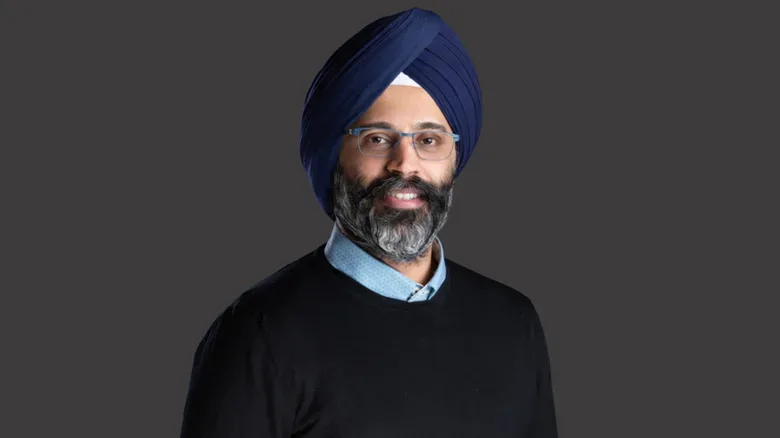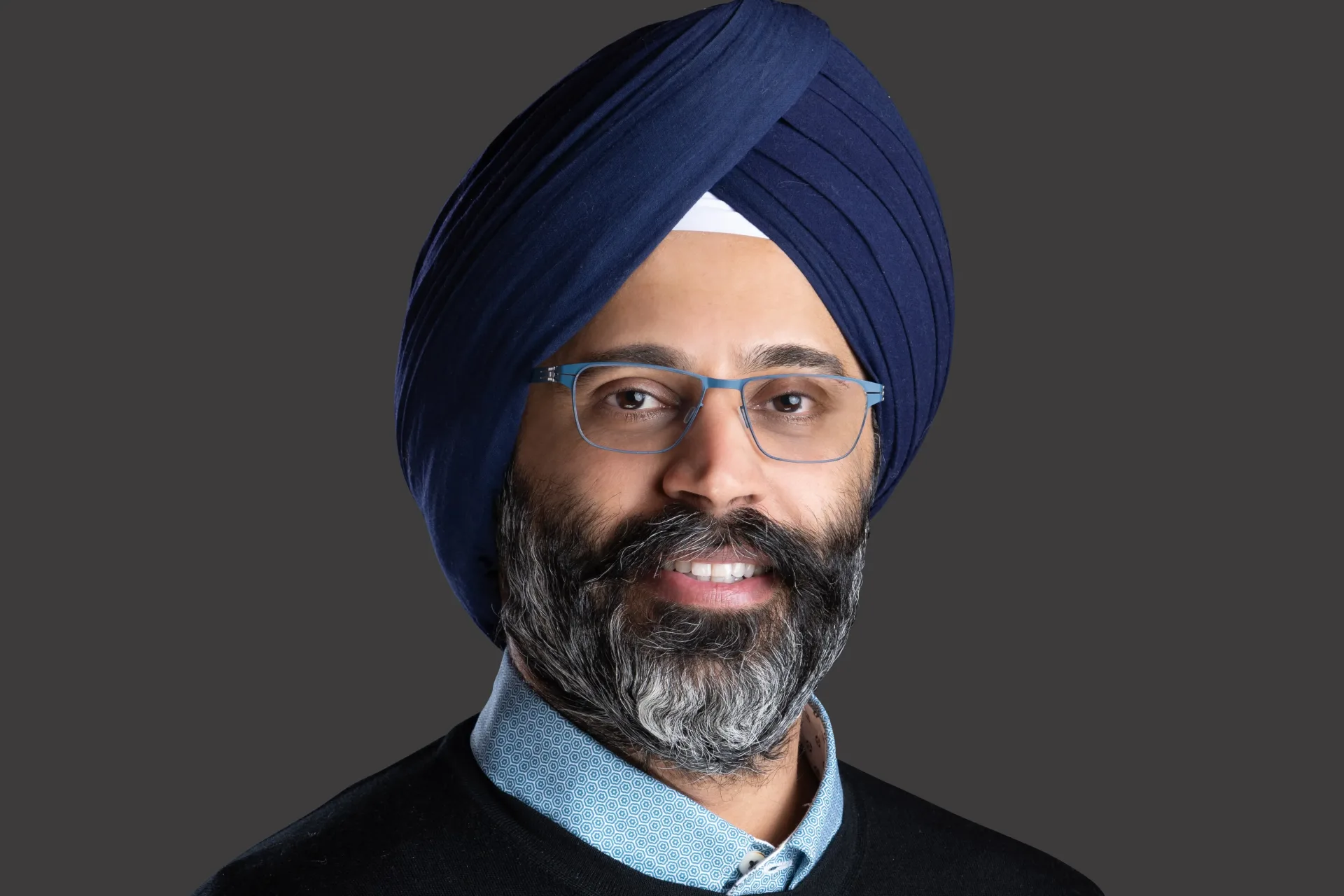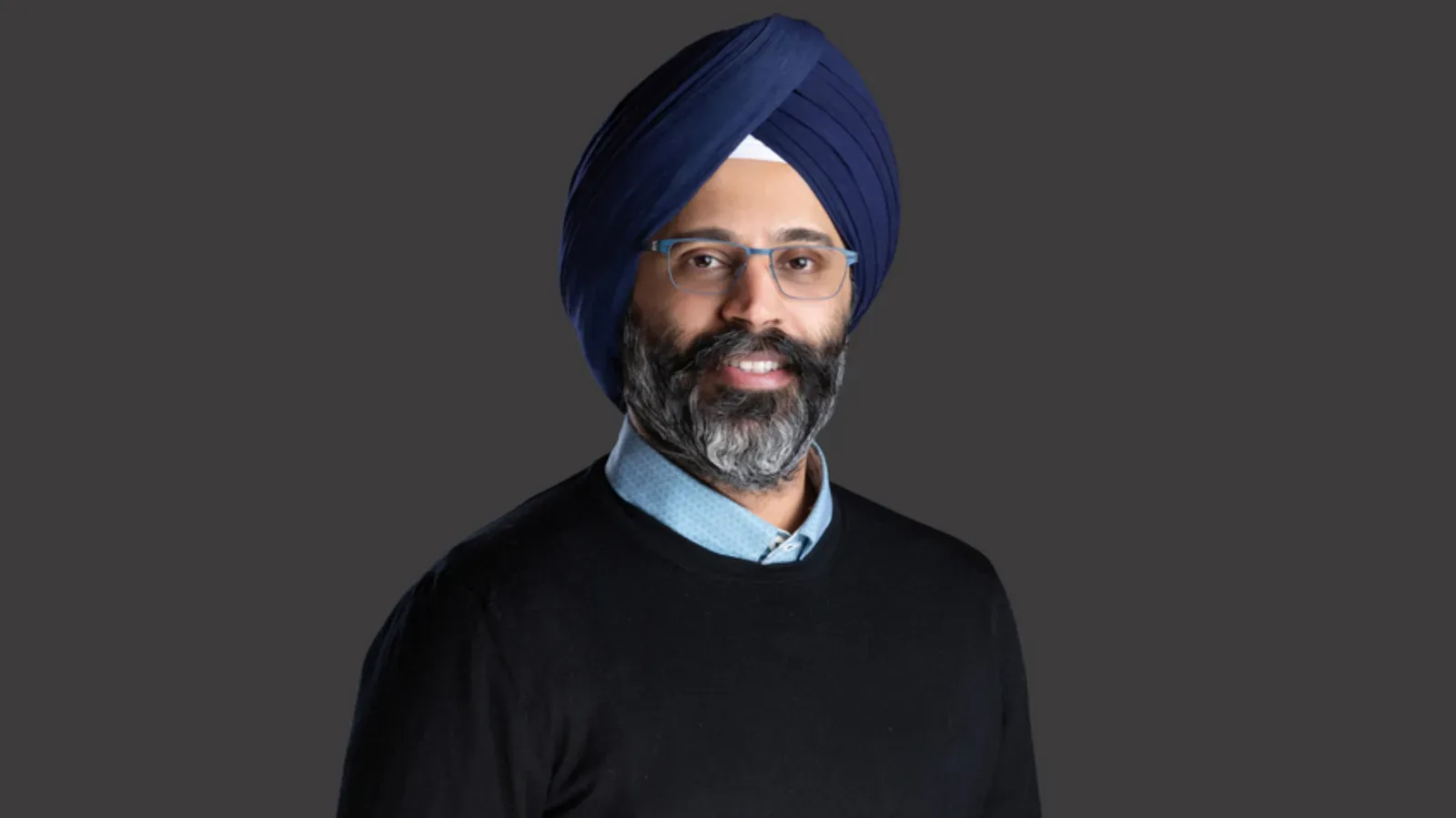
Disney has appointed Karandeep Anand, formerly the chief executive of Character.AI, as its first chief technology officer. The move puts a senior AI and consumer-technology executive at the center of Disney’s broader plan to treat technology as an essential part of how it makes, distributes and operates entertainment.
Anand will report directly to Disney CEO Josh D’Amaro. Disney says his remit includes enterprise technology along with the company’s data and AI platforms, and that several technical staff members from Character.AI will join him in the transition. The appointment arrives as D’Amaro has emphasized Disney’s streaming service and app as central pieces of the company’s future.
It is also a notable hire because Disney previously challenged Character.AI over its alleged use of Disney intellectual property. In September 2025, Disney sent the company a cease-and-desist letter over chatbots based on Disney characters, raising both intellectual-property and child-safety concerns. Anand’s arrival does not erase that history; it demonstrates how quickly major entertainment companies are trying to pair firm control of their characters and brands with the technical expertise needed to build AI systems internally.
A new CTO role with a wide mandate
The title matters. A chief technology officer is generally responsible for setting a company’s high-level technical direction, but the specifics vary widely. In this case, Disney has identified three areas: enterprise technology, data platforms and AI platforms.
Enterprise technology covers the systems that let a large organization function: internal infrastructure, shared software and operational tools. It is not necessarily the flashy, viewer-facing part of a streaming app, but it can determine how reliably a company’s creative, distribution and business teams work together.
Data platforms are the systems used to organize, manage and make use of data across a company. For a business with a major direct-to-consumer streaming operation, a coherent data platform can be an important foundation for product decisions, operations and personalized digital services. Disney has not detailed particular products or features Anand will build, so it would be premature to treat the hire as confirmation of any specific new AI tool for viewers, players or creators.
AI platforms are the shared technical layers on which AI-powered services can be developed, evaluated and managed. The phrase does not mean that every Disney product is about to receive a chatbot. It does indicate that Disney sees AI capability as an organizational concern rather than a collection of isolated experiments owned by individual divisions.
Disney’s statement positioned Anand as someone whose experience crosses infrastructure, consumer technology and AI. D’Amaro described the company’s priorities as storytelling first, technology serving creativity, and operating as “One Disney.” That framing is important: the stated objective is not technology for its own sake, but infrastructure and tools that support creative work and bring different parts of the company into closer alignment.
Why the Character.AI connection draws attention
Character.AI is associated with conversational AI products, including chatbots designed around particular personalities and characters. Those kinds of products sit at an especially fraught intersection for entertainment companies. A recognizable fictional character is not merely a set of visual traits or a name; it is a valuable piece of intellectual property with carefully managed creative, commercial and safety considerations.
Disney’s September 2025 cease-and-desist letter alleged that Character.AI offered chatbots based on Disney characters. Disney also said the products were harmful and dangerous to children. At that time, Character.AI had already been named in wrongful-death lawsuits involving multiple underage users. Those are serious allegations and legal claims, not conclusions established here, but they form essential context for why Disney’s earlier posture toward the company was so pointed.
The contrast between that dispute and Anand’s appointment is striking. Still, it does not necessarily mean Disney has reversed every concern it expressed. A company can want stringent controls over character use and child safety while also hiring leaders with experience building large-scale AI and consumer systems. In fact, that combination may be exactly the point: Disney’s business depends on safeguarding its intellectual property, while its technology strategy increasingly requires fluency in the systems that can reproduce, simulate or interact with branded characters.
That tension is broader than one company. Rights holders often have to decide whether emerging technology should be opposed, licensed, managed internally or addressed through some mix of all three. The same kind of conflict between valuable creative brands and digital use can arise outside AI as well, as in this recent trademark-use dispute involving a streaming episode. The legal questions are different, but the underlying commercial reality is familiar: recognizable names and characters have value precisely because audiences recognize them.
Licensing and control appear to be part of the strategy
Disney’s approach to generative AI has not been limited to objections. In December 2025, it agreed to license Disney characters to OpenAI for the Sora app, which was later described as unsuccessful. That agreement is a useful counterpart to the Character.AI letter: Disney’s position appears to be less about a blanket refusal of AI than about the conditions under which its properties can be used.
Licensing is a practical mechanism for that control. It can define who may use a character, in what context and under what boundaries. It also gives a rights holder a formal role in a technology company’s use of its brands, rather than leaving the issue to an after-the-fact dispute. None of the supplied details establish the exact terms of Disney’s OpenAI agreement, so there is no basis to infer what safeguards, approvals or technical controls it included.
For fans, the key distinction is between authorized character use and unauthorized or disputed use. The presence of a familiar character in an AI experience does not by itself explain whether it is licensed, who oversees it, what age protections apply or how the character’s dialogue and behavior are governed. Disney’s recent actions show why those questions are likely to remain central whenever entertainment companies bring generative systems closer to major franchises.
Disney’s direct-to-consumer structure is shifting, too
Anand’s appointment comes alongside another leadership change. Adam Smith, previously chief product and technology officer for Disney Entertainment and ESPN, is moving to chairman of direct-to-consumer for Disney Entertainment.
Direct-to-consumer refers to services that reach viewers without a traditional intermediary, such as a cable operator. Disney+ is the clearest example in the information provided. The elevation of a direct-to-consumer chairman, combined with a company-wide CTO overseeing enterprise, data and AI platforms, suggests a division of responsibilities: one leadership track focused on the consumer business and another on technical foundations that can serve the wider company.
That is an analysis of the stated structure, not evidence of a specific product roadmap. Disney has not announced a particular AI feature, a new interactive character platform, or a change to Disney+ based on Anand’s arrival. The immediate news is a leadership decision and a reorganization of technology responsibilities.
What to watch next
The clearest near-term signal will be how Disney defines Anand’s authority in practice. Bringing technical employees from Character.AI may help establish a team with prior experience in consumer-facing AI, while the direct reporting line to D’Amaro gives the position weight at the senior-leadership level.
There are several meaningful questions that remain unanswered. Will Disney’s AI efforts primarily focus on internal creative and operational workflows, consumer products, or both? How will it set boundaries around its characters and other intellectual property? What policies will govern systems that might be accessible to younger users? And how closely will Disney connect its data and AI work to the future of its direct-to-consumer products?
Those questions matter more than the title alone. Disney has made clear that storytelling remains its stated north star. The difficult task will be turning that principle into systems that assist people’s work without diluting the creative stewardship, brand protections and safety expectations attached to some of the world’s most recognizable characters.
Anand’s hiring makes one point unambiguous: Disney sees technology leadership, AI expertise and its entertainment future as increasingly inseparable. The company now has to show how that technical ambition can coexist with the copyright, licensing and child-safety concerns it has publicly raised before.