Brass Jar Productions, the company behind the live-theater brand Drunk Shakespeare, has filed a trademark lawsuit against Amazon over an episode of Prime Video’s Off Campus. The complaint alleges that the series used the “Drunk Shakespeare” and “Drunk” marks without authorization during a fictional college production depicted in the show.
The case was filed September 17 in the U.S. District Court for the Southern District of Florida, Miami Division. Amazon declined to comment. As with any newly filed civil complaint, the allegations are claims by the plaintiff, not findings by a court.
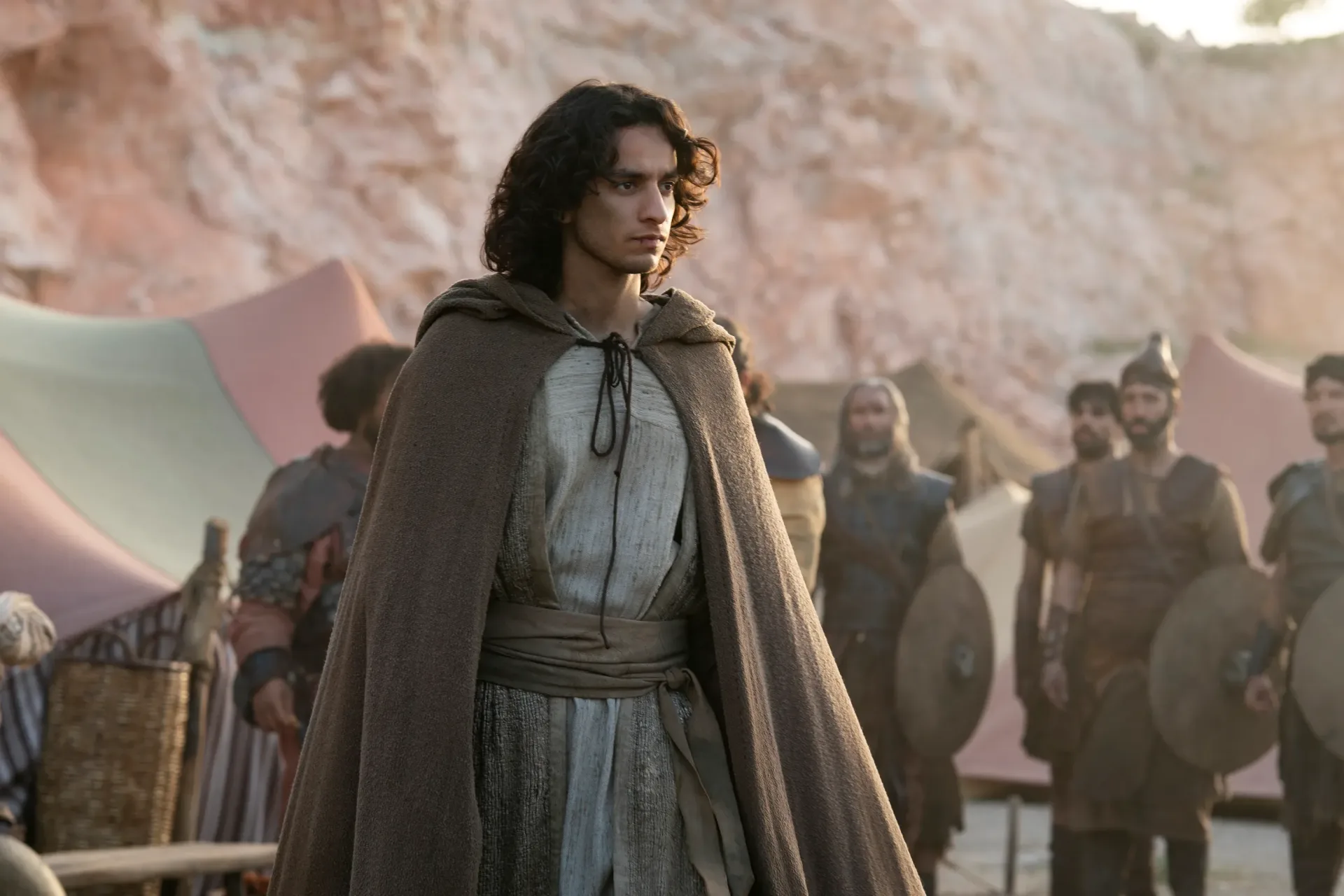
Off Campus, a young-adult hockey romance drama adapted from Elle Kennedy’s novels, released its eight-episode first season on Prime Video on May 13, 2026. Brass Jar’s complaint centers on Season 1, Episode 4, “The Breakup,” which it says includes an extended sequence at a fictional college “Drunk Shakespeare” event as well as several spoken references to the name.
The dispute is about branding, not Shakespeare itself
There is an important distinction at the heart of this case. Shakespeare’s plays are not the claimed property here. Brass Jar is instead asserting rights in the branding and commercial identity it has built around Drunk Shakespeare and related “Drunk” productions.
The company describes its flagship show as a professionally staged, intimate theatrical experience that combines Shakespeare performance, alcohol consumption, comedy, improvisation and audience-facing unpredictability. Its own format description says five actors take part, with one performer consuming five whiskey shots before attempting a leading role while the remaining sober actors work to keep the production moving. Brass Jar says that rotating performer-and-drink dynamic means no two shows are identical.
Brass Jar currently stages Drunk Shakespeare in New York, Chicago, Washington, D.C., Phoenix, Los Angeles and Houston. It also offers related productions including Drunk Romeo & Juliet, Drunk Dracula, Drunk Pirates and Drunk Christmas Carol. That broader lineup is significant to the complaint’s framing: Brass Jar is presenting “Drunk” not merely as a descriptive word used once in a scene, but as a recognizable family of entertainment brands.
What Brass Jar says happened in ‘Off Campus’
The complaint alleges that the episode’s fictional college production went beyond a passing verbal mention. It characterizes the sequence as extended and says multiple lines of dialogue reference “Drunk Shakespeare.” Brass Jar argues that this use was made without its consent or authorization.
Its central claim is that viewers could be confused about whether Brass Jar supplied, sponsored, approved or was affiliated with the series. The complaint specifically invokes reverse confusion, a trademark concept worth separating from the more familiar idea of copycat branding.
Traditional trademark confusion often involves a smaller business using a name similar to a famous brand, potentially leading customers to assume the smaller business is connected to the better-known one. Reverse confusion describes the opposite concern: a much larger or more visible user adopts a smaller company’s mark, and audiences may then mistakenly believe the original business is connected to, licensed by or derived from the larger company.
Applied to this dispute, Brass Jar’s theory is not simply that people may mistake a streaming program for a live stage show. Rather, it argues that Amazon’s use in a Prime Video series could lead consumers to assume Brass Jar’s existing productions have some connection to Off Campus. Whether the alleged scene, the marks at issue, the respective services and the context of the use support that theory will be for the litigation process to address.
A pre-suit letter raised a different legal issue
Brass Jar says its attorney contacted Amazon in a June 3 letter, identifying the asserted marks and asking the parties to discuss a resolution regarding the alleged use of its marks and trade dress.
Trade dress is another intellectual-property term central to the filing. In broad terms, it can refer to the distinctive overall commercial look or presentation associated with goods or services. In an entertainment setting, a claimant may argue that a combination of visual presentation, format or identifying features conveys a recognizable source to the public. The supplied allegations do not establish what precise trade-dress elements will be disputed, but the term signals that Brass Jar’s concern extends beyond the words used in dialogue.
The complaint says Amazon’s counsel responded with extensive discussion of copyright infringement, even though Brass Jar says its June 3 letter did not accuse Off Campus of infringing copyright. That difference is notable because copyright and trademark law protect different things. Copyright generally concerns original expressive works, while trademark law is aimed at identifying the source of goods or services and preventing misleading marketplace associations.
In other words, a dispute over a TV scene can involve many possible rights, but Brass Jar says this one is about names, branding and affiliation. The complaint’s account of the correspondence suggests the parties may have initially been talking past each other about the relevant legal framework. Amazon has not publicly commented on the claims.
Damages request and what it does not mean
Brass Jar did not specify a total amount of monetary damages in the complaint as described. It did, however, cite the federal trademark statute addressing remedies and asserted that it may be entitled to attorneys’ fees, treble damages and/or statutory damages of up to $2 million per counterfeit mark, per type of service or goods where applicable.
That language should not be read as a $2 million award, or as a prediction that such an award will happen. A statutory maximum referenced in a complaint is not the same as damages that have been proven or ordered. The availability of a particular remedy can depend on the claims ultimately established and the specific facts a court determines.
Likewise, the complaint’s use of “counterfeiting” is a litigation allegation tied to Brass Jar’s requested remedies. It does not itself resolve whether the alleged use legally meets that standard. The case remains at the assertion stage.
Why fictional brands can still create real disputes
Film and television frequently rely on fictional events, venues and companies to make a setting feel lived-in. But using a real-world name in that fictional setting can introduce a different set of questions. A production may need to consider whether a name is actually in use, whether it identifies a particular seller or entertainment service, how conspicuous the reference is, and whether presentation could imply endorsement.
Those questions become sharper when a real name is woven into the action rather than used as background texture. Brass Jar’s complaint emphasizes both an extended sequence and repeated dialogue, details that appear designed to distinguish the alleged use from a fleeting, incidental reference.
For viewers, the practical issue is simpler than the legal vocabulary: did the program merely depict a fictional student event using an ordinary phrase, or did it appear to draw on the identity of an established live-theater enterprise in a way that could suggest a relationship? The parties’ eventual arguments are likely to focus on that gap.
The case also lands at a moment when screen projects and entertainment brands routinely overlap across live events, merchandise, publishing and streaming. That interconnected environment can make source identification more commercially valuable—and more contested. For a separate example of the continuing churn in screen entertainment, a proposed return to the World War Z film franchise illustrates how established properties continue to move through multiple stages of production and branding.
What happens next
No outcome has been announced. Amazon may respond to the complaint, seek dismissal of some or all claims, contest whether the uses are likely to confuse consumers, dispute the asserted marks or remedies, or pursue another resolution. Brass Jar will need to support its allegations as the case proceeds.
For now, the concrete facts are narrow: Brass Jar alleges that a Prime Video episode used its Drunk Shakespeare branding without permission; it says the use risks consumer confusion and falsely implies an affiliation; and it is seeking legal remedies under federal trademark law. The lawsuit will determine whether a fictional campus performance was simply part of Off Campus’s storytelling or an actionable use of a real theatrical brand.