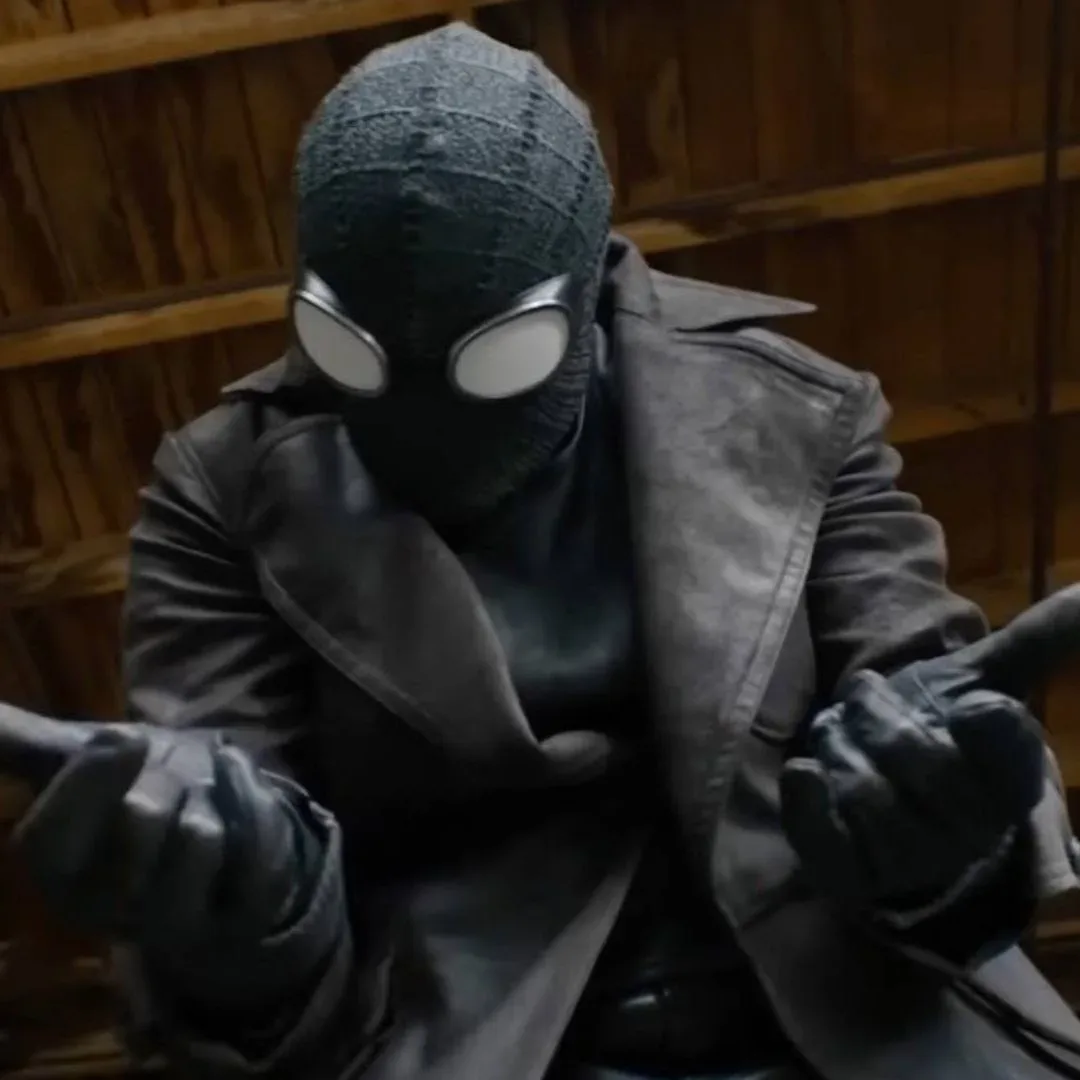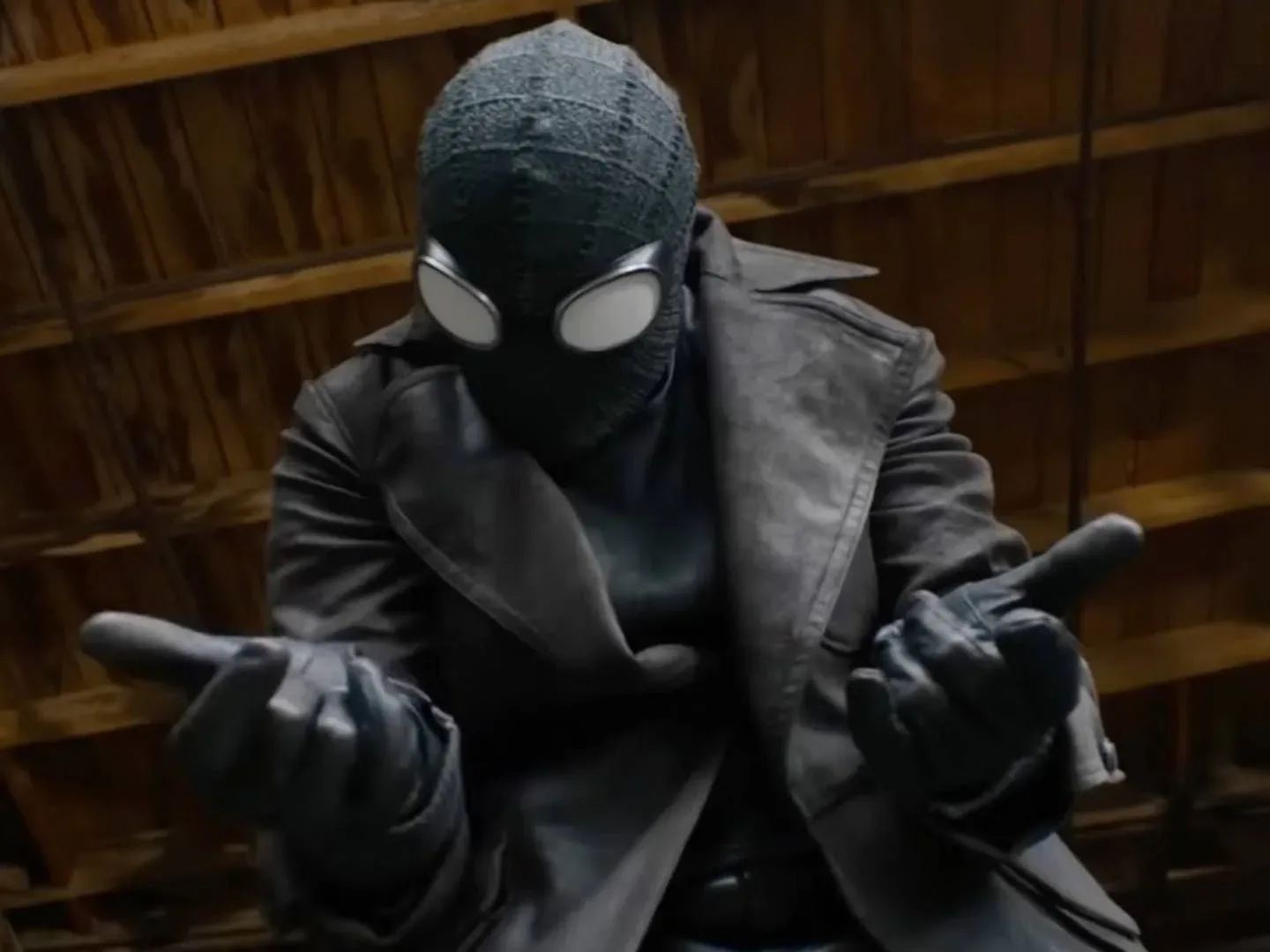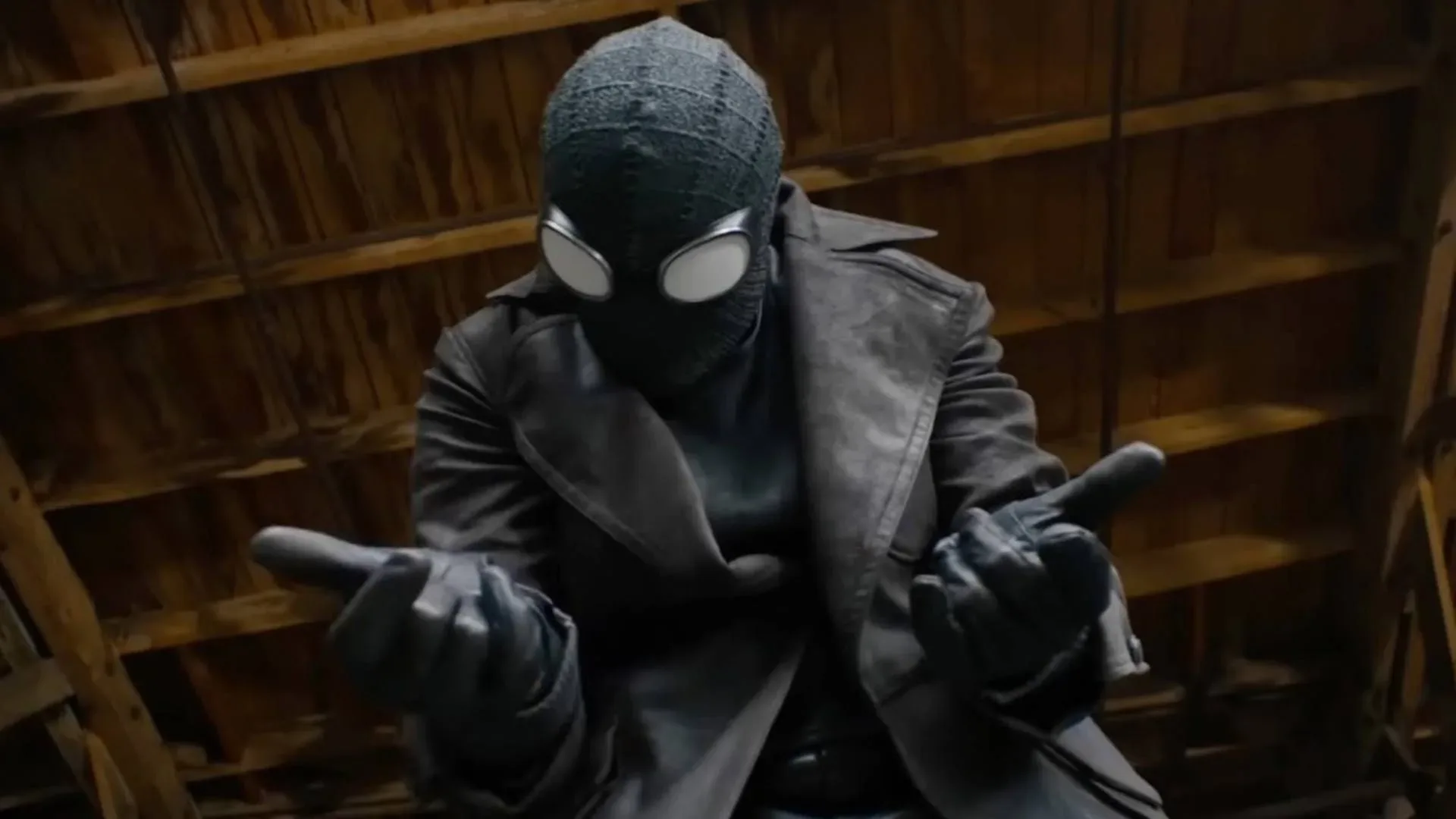
The web is apparently still being spun, even after a couple of very visible strands snapped. Amazon and Sony are reported to have four television projects in development using characters connected to Sony’s Spider-Man corner of Marvel. The reported slate arrives after an unusually bumpy start for the companies’ wider TV arrangement: Silk: Spider-Society was cancelled before production, while Spider-Noir reportedly ended after one acclaimed season.
The key caveat is that these projects are still in development. No character lineups, titles, release windows, casts, episode orders, or platforms beyond the existing Amazon relationship have been confirmed for the reported four. Development is where superhero ideas wear capes made of spreadsheets; many concepts get discussed, written, revised, and sometimes abandoned before a camera sees anything. Still, the scale of the report suggests the underlying deal remains active rather than being packed away in a box labelled “web fluid, do not shake.”
Four reported projects, with two potential series pickups
The reported plan is for Amazon to assess four different concepts and potentially greenlight two of them. One unnamed project is said to be getting close to a formal series order, though that does not reveal which hero, villain, supporting player, or obscure civilian with a surprisingly tragic backstory may be involved.
That secrecy leaves a huge amount of room for speculation—but it is worth keeping the speculation in its properly padded enclosure. There is no confirmation that these shows will feature any particular Spider-person, legacy character, antagonist, or storyline. The only firm picture is that the pool is large: Amazon’s access under this arrangement reportedly covers more than 900 Marvel characters that qualify as Sony-owned Spider-Man characters.
That number does not mean 900 series are about to march out of a multiverse portal, each clutching a pilot script and a branded hoodie. It does mean the development process is not restricted to the handful of names that dominate movies, video games, and toy aisles. A television slate could conceivably explore familiar icons, deep-cut comic-book figures, street-level allies, villains who deserve more than one dramatic monologue, or characters whose best-known superpower is making continuity charts mildly afraid.
The creatives reportedly attached
The four projects are reported to come from a varied group of writers and producers:
- Kelvin Yu, creator of American Born Chinese.
- Alison Tatlock, whose writing credits include Pluribus and Better Call Saul.
- Ben H. Winters, a producer associated with Tracker and Legion.
- Ben Nedivi and Matt Wolpert, creators of For All Mankind, collaborating with Megan McDonnell, a writer on WandaVision and The Marvels.
That collection does not explain what the shows will be, but it does hint at an approach broader than simply ordering four versions of “masked person leaps between buildings while the rent remains suspiciously affordable.” The names span character-forward drama, high-concept genre storytelling, superhero television, science fiction, mystery, and offbeat material. Whether any of those strengths end up in the eventual series depends on which concepts receive the next step—and on the usual creative changes that can happen during a long trip from pitch to screen.
The multiple-project strategy also makes business sense in a narrow, non-web-slinging way. Rather than putting every expectation on one show, a studio and streamer can develop several possible directions at once, then choose the entries that appear strongest creatively and most workable financially. For viewers, it can sound like a glorious buffet. For the people making the decisions, it is more like a bake-off where each cake can fire laser beams and someone is asking whether the frosting travels internationally.
A deal that has already taken some sharp turns
The Amazon-Sony arrangement was first announced in 2022. Silk: Spider-Society was positioned as the first series connected to it. The project would have followed Cindy Moon, the Korean American superhero known as Silk, but it was cancelled before entering production. That decision meant audiences never got to see the proposed show become an actual series, rather than a particularly tantalizing entry on a development slate.
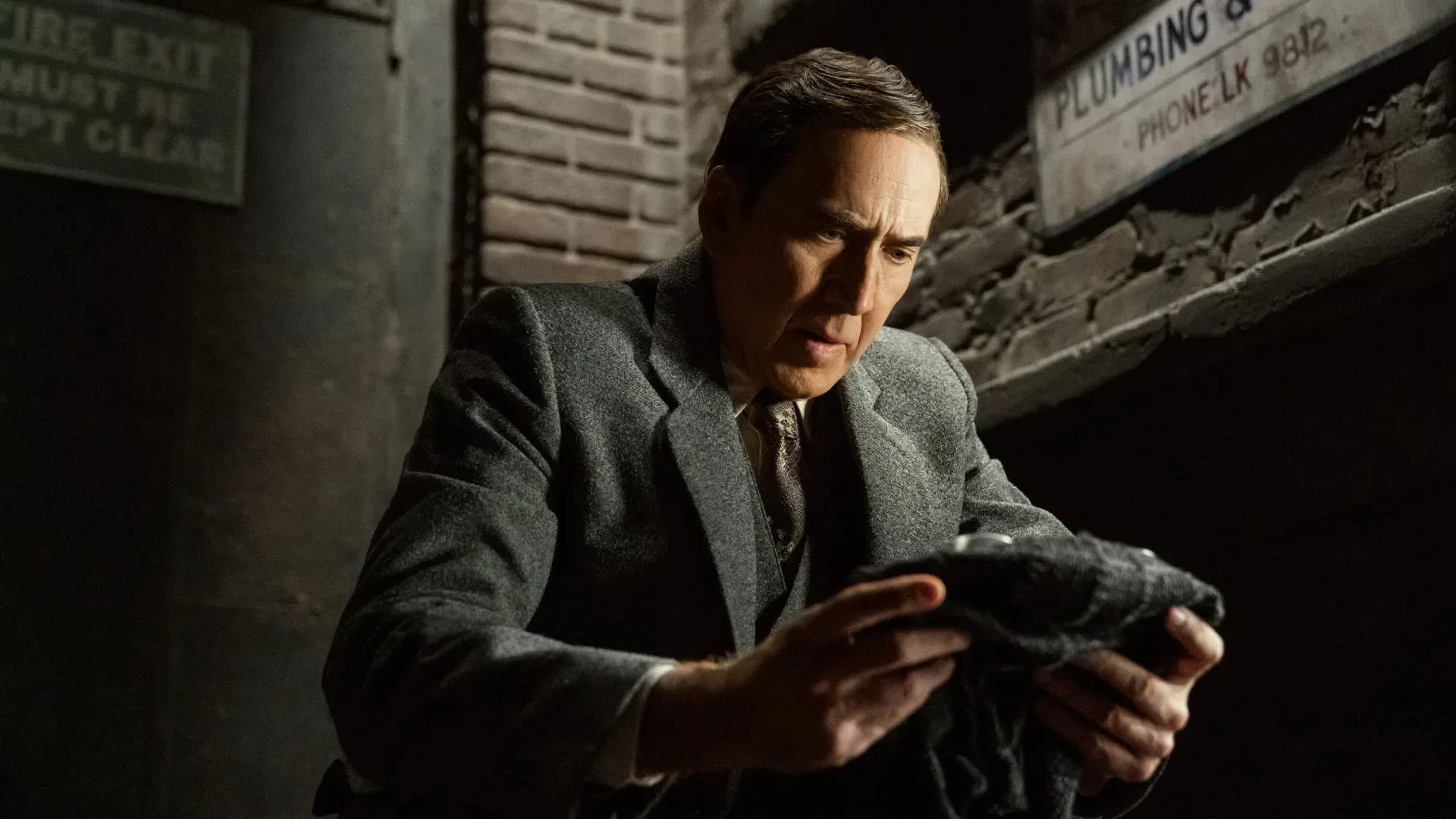
Spider-Noir did make it to viewers. The series premiered in 2026 and was reportedly well received, but it was cancelled only a few months after its first season arrived. It remains available on Prime Video in both black-and-white and color versions. Offering both presentations is a fittingly noir-ish detail: the same city, the same shadows, and the same chance to decide whether your gloom should be monochrome or merely emotionally monochrome.
Its reported cancellation is an important reminder that praise alone does not guarantee another season. Streamers weigh a mix of factors that can include audience size, completion, cost, international reach, scheduling, franchise plans, and business priorities. None of those specific factors has been identified here as the reason for Spider-Noir ending. The broader lesson is simply that an active franchise agreement can outlive an individual series, and that a cancelled show does not automatically close the door on its wider universe.
What “Sony-owned Spider-Man characters” means for the possibilities
The phrase attached to this deal matters. Sony’s Spider-Man-related character rights encompass an expansive set of figures linked to Spider-Man comics, rather than the whole Marvel library. In practical terms, that gives the companies a deep bench, but it is a particular bench. The shows would be drawing from a Spider-Man-connected side of Marvel rather than treating every Marvel character as automatically available.
That distinction is also why the current lack of specifics matters so much. A four-project development slate does not tell us whether Amazon and Sony are seeking interconnected shows, standalone genre experiments, a shared tone, or simply the two best concepts among four separate pitches. It does not establish connections to the animated Spider-Verse films, either. A Spider-themed project can share comic-book DNA with another without sharing continuity, cast, story rules, or a mandatory quota of dimensional glitches.
For collectors and pop-culture watchers, development news is best read as an early signal rather than a release calendar. If two projects are ordered, the eventual announcement could bring new character attention, promotional material, apparel, comics interest, and perhaps collectibles. But none of that is confirmed by a report that concepts are being considered. The sensible approach is to enjoy the possibility without mistaking a writer attachment for a premiere date or a rumored greenlight for a figure preorder.
The wait is part of the superhero routine
With one project reportedly nearing a series order, the next meaningful milestone would be an official announcement naming the production, its creative team, and at least a basic premise. Until then, the responsible answer to “Which Spider-Man character is getting a show?” is: no one knows. The irresponsible answer involves a corkboard, red string, and insisting that a villain with two panels in a 1980s issue is obviously about to receive eight prestige episodes.
Amazon and Sony nonetheless appear to be continuing their search for a sustainable Spider-Man television strategy. The previous path has included one series stopped before production and another cancelled after a single season, yet the reported four projects indicate there is still interest in finding the right angle. Whether two shows are ultimately picked up—and whether either becomes a long-running fixture—remains uncertain.
For now, viewers can revisit Spider-Noir on Prime Video and keep an eye on the formal-development stage, where every superhero universe begins: with creators, rights agreements, guarded details, and an executive somewhere asking whether the mask is sufficiently iconic. Fans interested in the broader television awards conversation can also see how to watch the 2026 Emmys live.