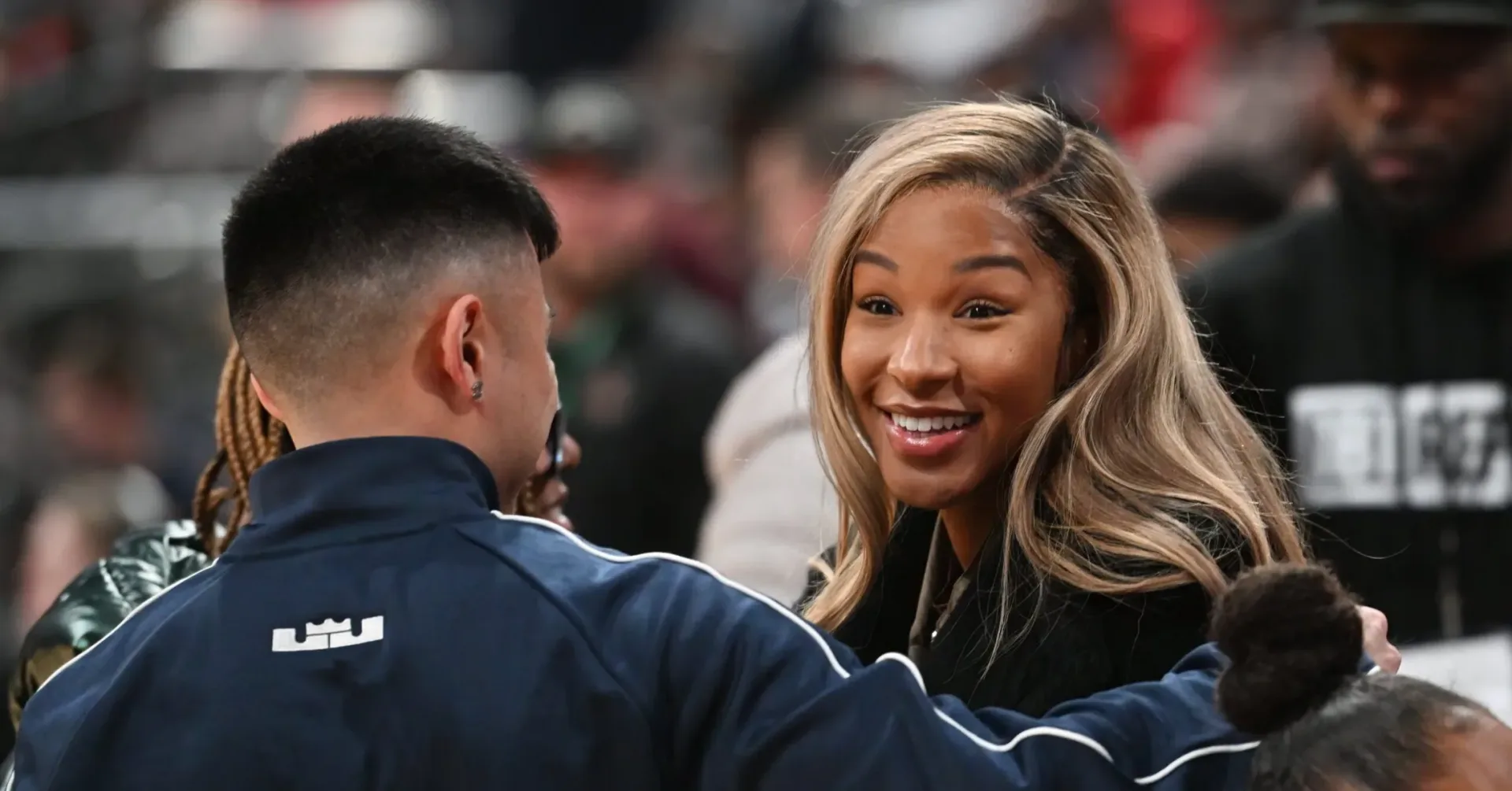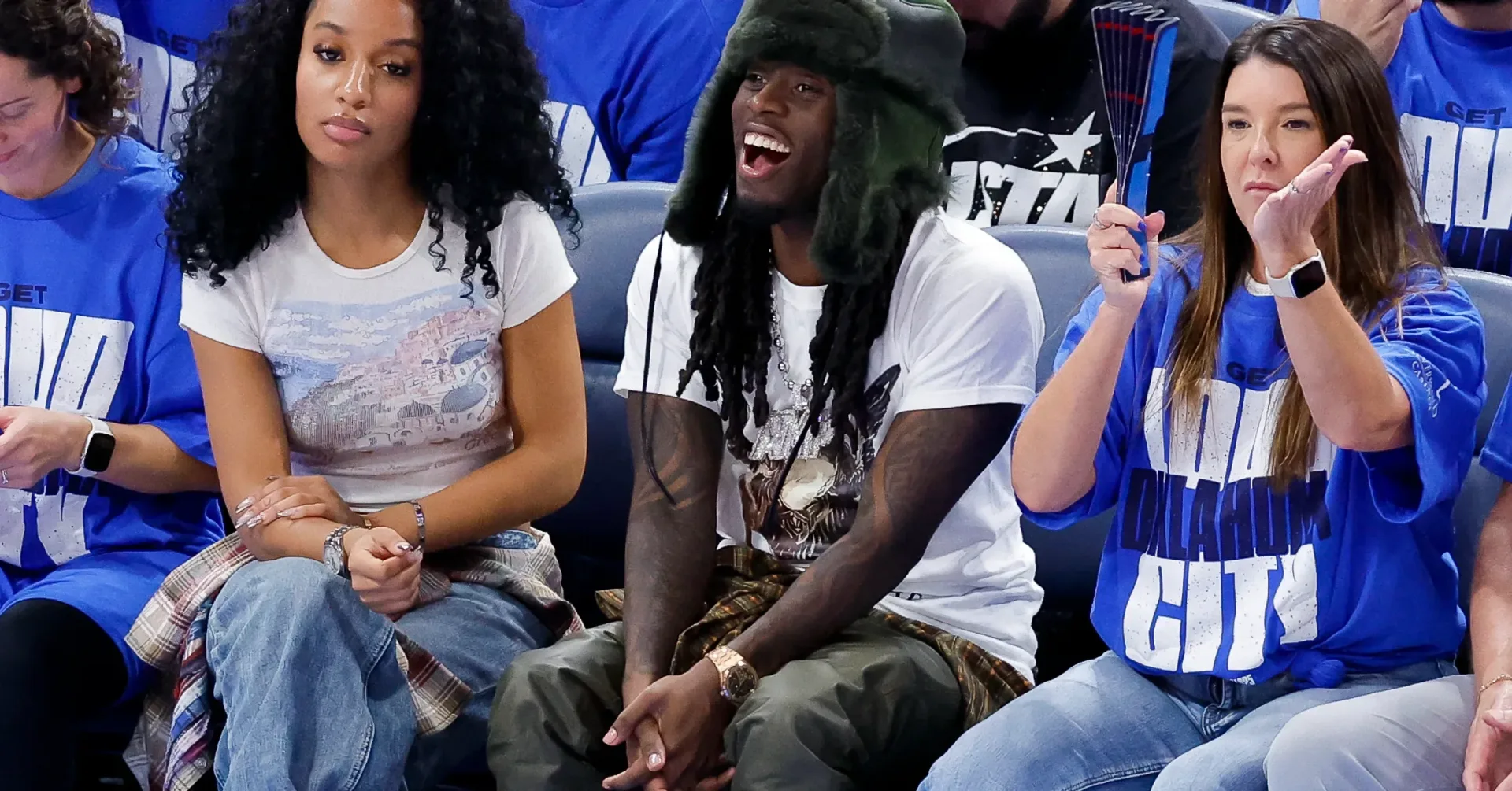
Gabrielle “Gigi” Alayah has addressed the pregnancy speculation surrounding her and Kai Cenat with a direct denial. After viewers watched a vlog featuring the pair at ComplexCon and began theorizing online that Alayah was expecting Cenat’s child, she responded in a comment: “I am not pregnant and Ive also not been in a relationship for abt a year can we stop with these narratives.”
The statement is the clearest available answer to a rumor that grew out of social-media interpretation rather than a confirmed announcement. It also pushes back on a second assumption embedded in the discussion: that Alayah and Cenat are currently together. Her comment says she has not been in a relationship for about a year.
A public appearance is not confirmation of a relationship
The immediate trigger for the new conversation was Alayah’s appearance alongside Cenat in a vlog from ComplexCon. Fans and TikTok users read the footage as potential evidence of both a reconciliation and a pregnancy. But seeing two people together in public does not, by itself, establish either claim. Alayah’s response matters because it comes from the person at the center of the rumor and plainly rejects the pregnancy allegation.
There has already been ongoing curiosity around the former couple. Alayah was seen with Cenat at the VIVET runway premiere last month, which led to more online speculation that they had resumed their relationship. A separate online moment involving North West was also interpreted by viewers as support for that theory. Neither of those developments, however, replaces a direct statement from the people involved.
That distinction is especially important in the fast-moving ecosystem around major streamers and creators. A short clip, an appearance at an event, or a comment from an adjacent celebrity can be recirculated as if it were definitive proof. In reality, each can be incomplete, ambiguous, or simply unrelated to the conclusion being drawn. Alayah’s comment narrows the record considerably: she says she is not pregnant and disputes the relationship narrative.
What Alayah’s response does—and does not—settle
Her message directly addresses pregnancy rumors. It also says she has not been in a relationship for roughly a year, a point that conflicts with claims that she and Cenat have quietly reunited. The response does not offer a detailed explanation of why she was with Cenat at ComplexCon or at the VIVET runway premiere, and it does not need to. Public figures can attend the same events, appear in the same videos, or maintain amicable contact without providing an audience with a full account of their private lives.
That leaves a simple, responsible reading of the available information: the pregnancy claim has been denied by Alayah, while the broader public assumptions about their current relationship status should not be treated as confirmed.
The episode is also a reminder that “pregnancy rumors” are not harmless shorthand when attached to real people. They can turn an individual’s body, health and family life into a public guessing game. In this case, the speculation was based on viewer interpretation of a vlog, not a disclosed pregnancy. Alayah’s request to stop the narratives is therefore more than a celebrity-news correction; it is a boundary stated in her own words.
Why creator audiences can make speculation travel so quickly
Cenat’s online reach gives even routine public sightings an unusually large audience. His work spans streaming and fashion, including the launch of VIVET, and each new appearance can become raw material for fan accounts, reaction videos and clipped discussions. That broader attention can be productive for projects and events, but it can also turn private assumptions into viral storylines at remarkable speed.
In this setting, a “narrative” is not necessarily a reported fact. It is a conclusion built collectively by online users from fragments: a sighting, a video frame, an old relationship timeline or a comment made by someone else. Narratives can feel persuasive because they are repeated frequently, not because they have been verified. Alayah’s response highlights the difference.
For readers and viewers, the practical standard is straightforward. Treat a person’s direct denial as more meaningful than body-language analysis, vague social posts or an event appearance. Avoid sharing claims about pregnancies, parenthood or relationships as fact unless the person involved has confirmed them through a clear statement. And when a claim has been denied, continuing to frame it as an open mystery only preserves the same unsubstantiated rumor.
Separate confirmed developments from unverified claims
Cenat has faced several waves of public conversation in recent months, including claims and allegations circulating online. Some of those claims have not been verified, and he has not publicly addressed every one of them. They should not be folded into the Alayah story as though repetition makes them established fact.
The pregnancy rumor involving Alayah has a specific and documented response: she says it is false. That is the relevant fact here. Combining distinct claims about different people and circumstances can create the misleading impression of a larger confirmed pattern, even where the underlying allegations remain disputed or unsupported.
This is a useful distinction in any coverage of internet personalities. Reporting a claim is not the same thing as proving it; a viral post is not documentation; and silence from another person is not confirmation. The available evidence should dictate the language used. In this instance, “rumor” and “speculation” are accurate descriptions of the online conversation, while Alayah’s denial is the direct response on record.
VIVET, public visibility and the cost of constant interpretation
Amid the personal speculation, Cenat has continued to build visibility in fashion and streaming through VIVET. That momentum means appearances connected to the project can draw attention well beyond the event itself. The VIVET runway premiere, for example, prompted renewed interest in whether Cenat and Alayah had reconciled after they were seen together.
But professional momentum and personal rumor are separate tracks. A creator’s brand launch may create more cameras, more clips and more discussion, yet it does not supply evidence for claims about a former partner’s pregnancy or relationship status. Maintaining that line is essential, particularly when the subject has already spoken.
The overlap between internet celebrity, fashion events and gaming-adjacent creator culture is increasingly visible. Streamers do not operate only within a single platform, and their audiences frequently carry conversations from livestream chat to TikTok, conventions and brand launches. That same crossover is part of why coverage of creator culture belongs beside wider entertainment reporting; for another example of how online personalities and cultural conversations can drive attention, see our coverage of Lil Jon’s account of the spontaneous studio moment behind his signature “OK”.
The key point: a direct denial should end the pregnancy claim
Alayah’s comment is concise, but it leaves little room for ambiguity on the central question. She says she is not pregnant. She also says she has not been in a relationship for about a year. Until either Alayah or Cenat offers a different public statement, claims that they are expecting a child should be treated as false, not as unresolved fan theory.
For public figures, correcting a rumor can be frustrating because the correction itself sometimes extends the rumor’s reach. Still, a direct response establishes a clear record. Here, it provides the necessary context missing from a wave of speculation built around public footage. The appropriate next step for audiences is not more decoding; it is to respect the answer that was given.