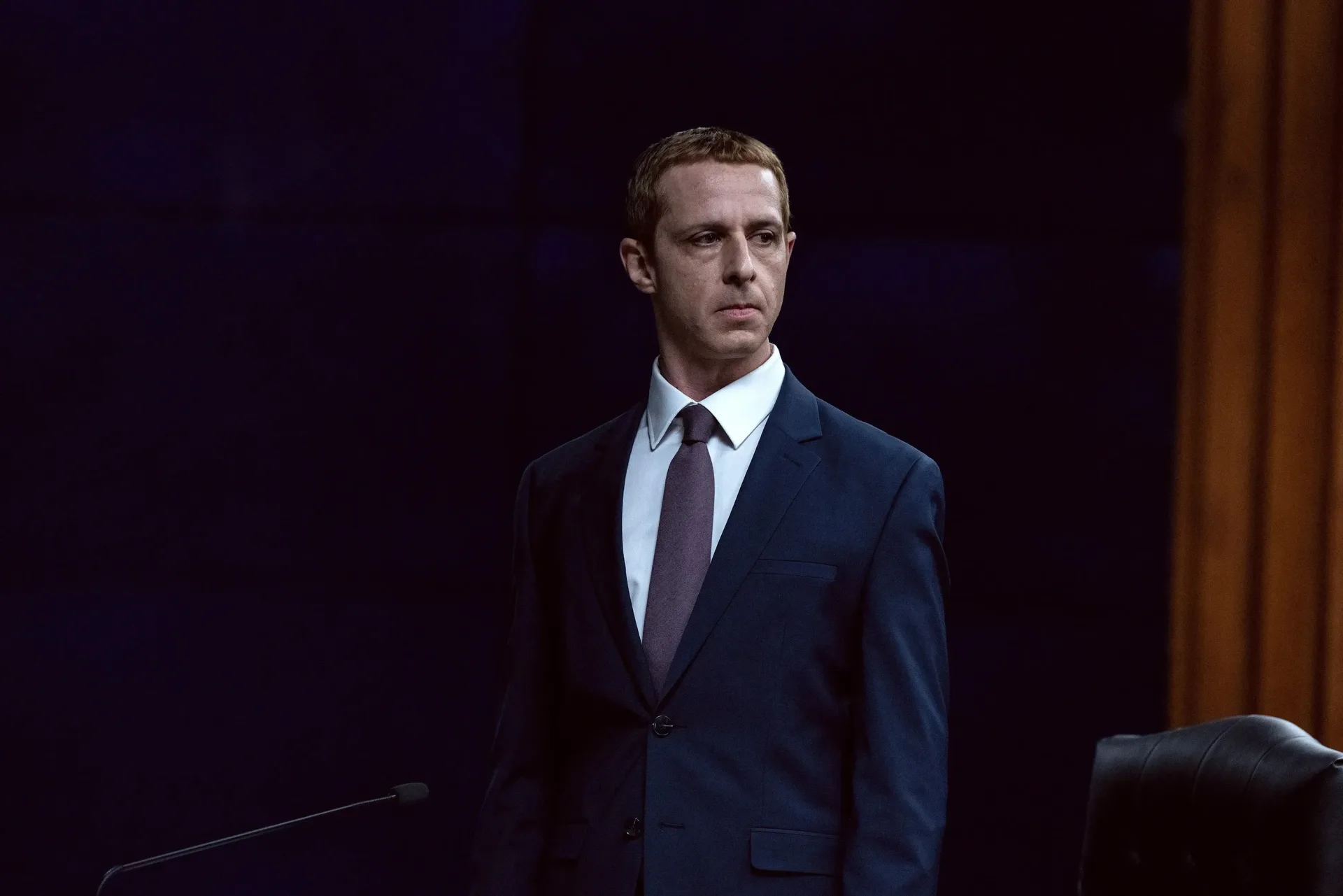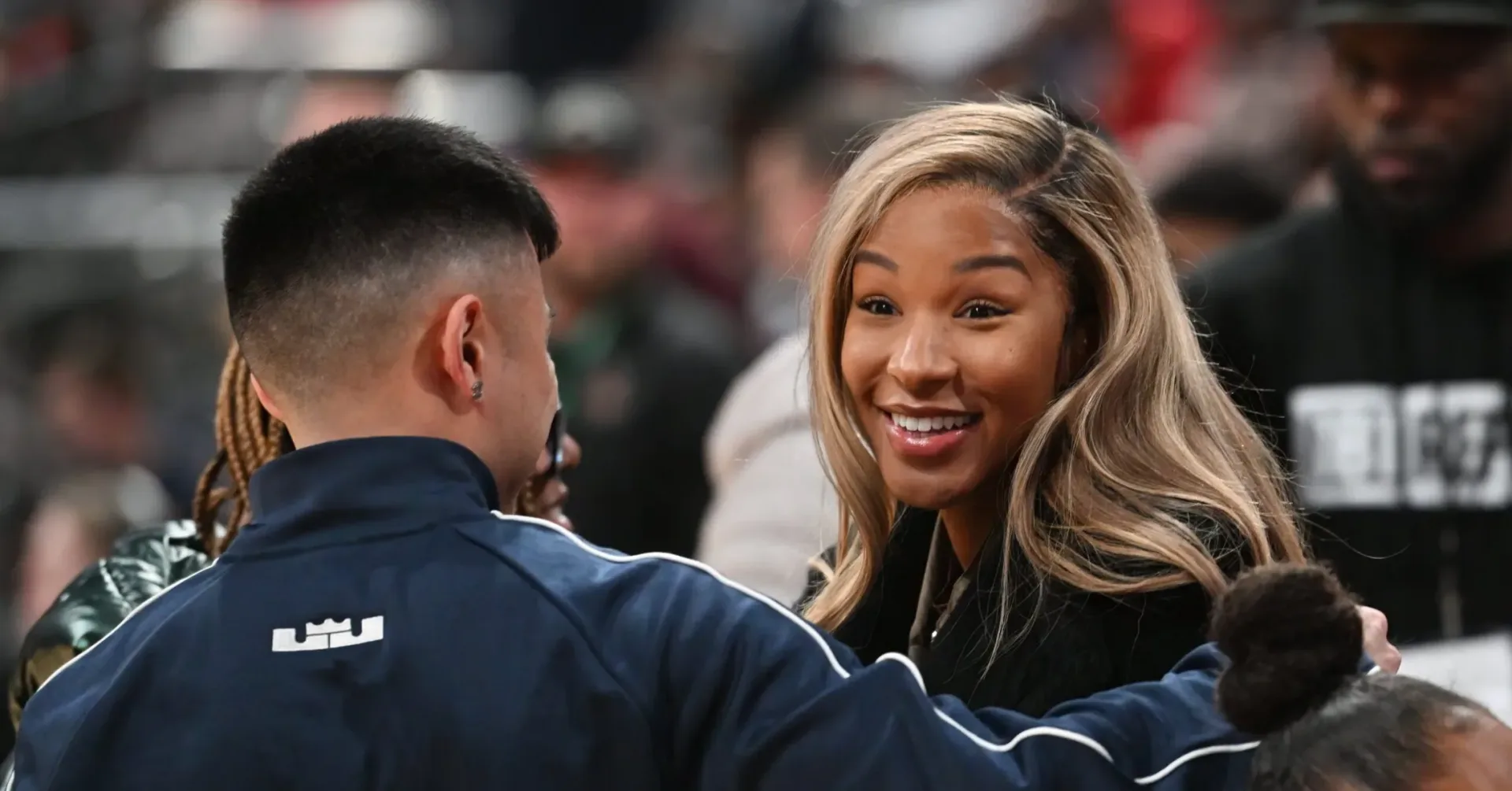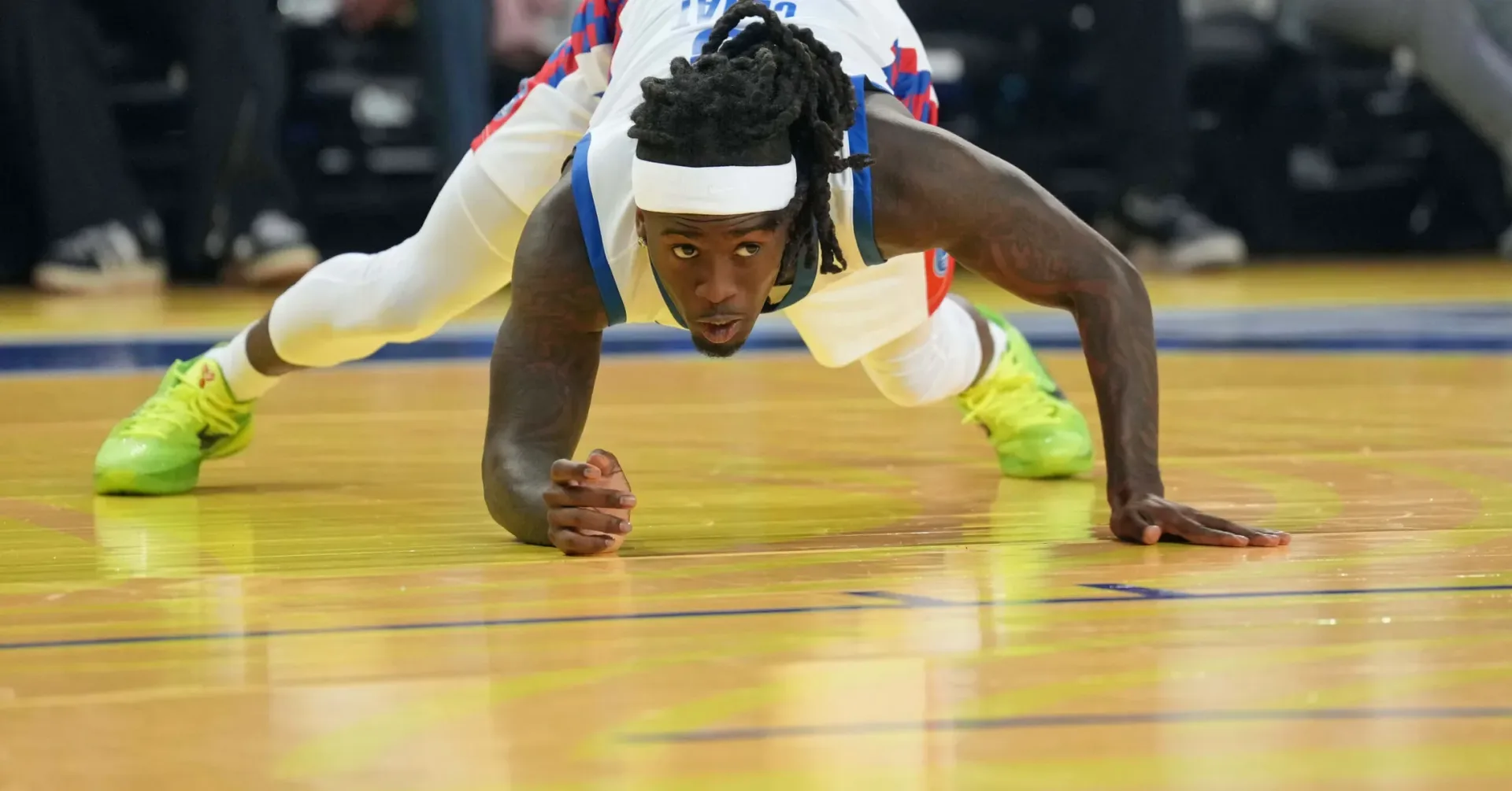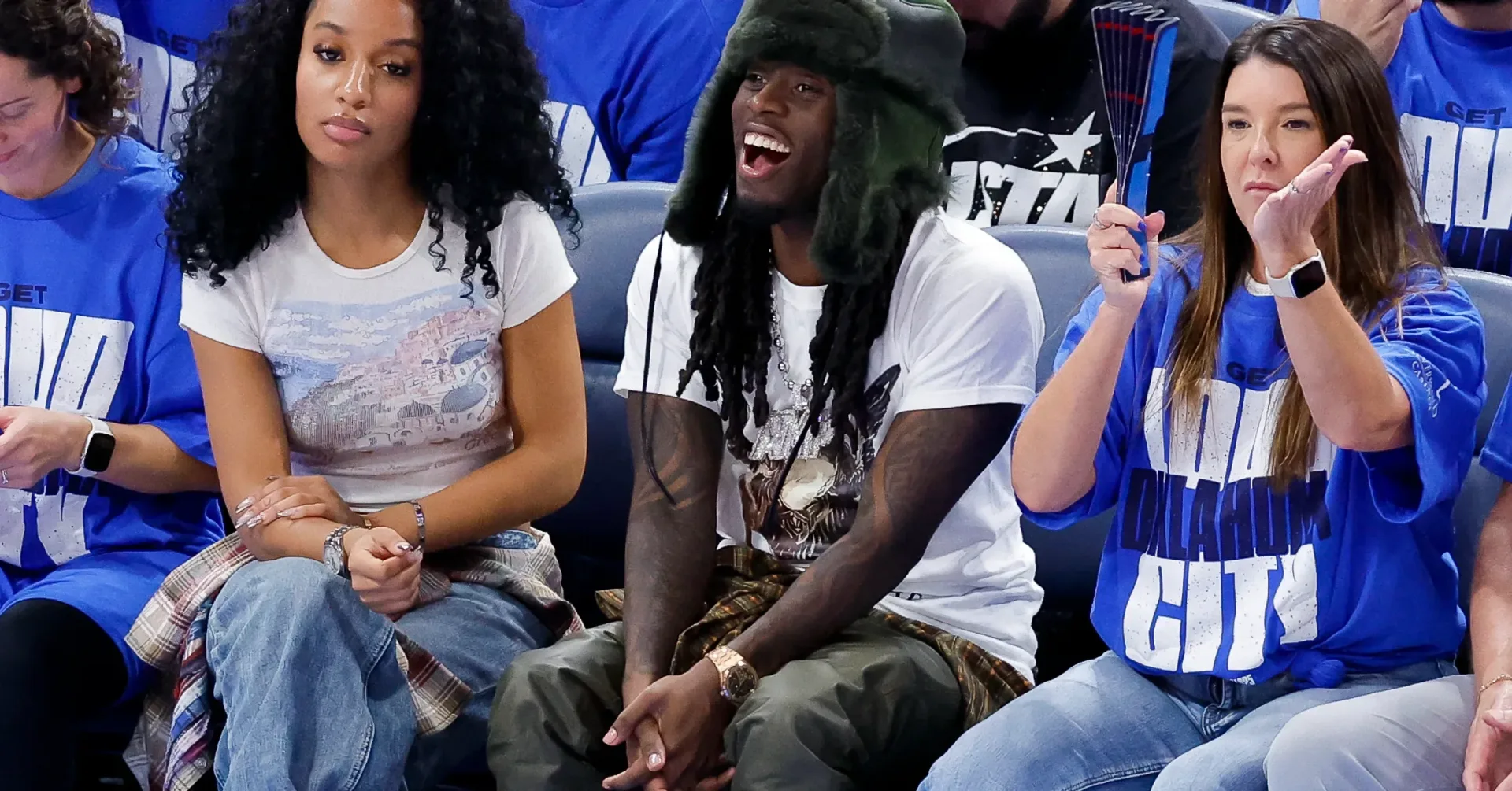
Gorgeous Doll has made a series of unverified claims about streamer Kai Cenat in a story-time video shared on social media, including an allegation that he paid her $200,000 to get an abortion after she became pregnant during what she described as a past relationship.
The claims are serious, but they remain allegations. Cenat had not publicly responded at the time of reporting, and the available material does not independently establish the details of the alleged relationship, pregnancy, payment, or medical decision.
In the roughly 15-minute video, Gorgeous Doll said she and Cenat were involved approximately three years ago, when she said he was 21. She characterized the relationship as non-secret, saying they went out together and were affectionate in public. She also pointed to a clip in which Cenat appeared excited after receiving an affectionate text from her, though that moment alone does not verify the broader account.
Gorgeous Doll said the relationship later ended after she became pregnant. Her account alleges that Cenat offered the six-figure payment and that she accepted it. No supporting documentation was included in the information available here, and no response from Cenat is currently documented.
What has been alleged—and what has not been established
It is important to separate the core claim from conclusions circulating around it. Gorgeous Doll has alleged a past relationship with Cenat, a pregnancy, an abortion, and a $200,000 payment connected to that abortion. Those are her claims, not confirmed findings.
A story-time video is a first-person account published directly to an audience. It can become a major social-media event quickly, particularly when it involves a prominent creator, but it is not itself independent corroboration. Corroboration means evidence or testimony that separately supports a claim. In this case, the supplied information does not provide independently verified records, a statement from Cenat, or other evidence that confirms the allegation.
That distinction matters because online discussion often compresses several separate questions into one: whether two people knew one another, whether they were romantically involved, what happened in private, whether money changed hands, and what any payment was intended to mean. A public clip or a claim that a couple appeared together may be relevant context, but it does not settle every other part of the story.
The timing and Cenat’s public activity
At the time the claims drew attention, Cenat was in Los Angeles for ComplexCon, where he was showing his fashion brand, VIVET. He also met Ye during the event. That public appearance does not address Gorgeous Doll’s account, and there is no documented indication that he discussed the claims while there.
Related coverage includes Gorgeous Doll Makes Unverified Claims About Kai Cenat in Story-Time Video.
Cenat is a streamer whose public platform can make a response especially visible. He has addressed other situations on stream in the past, which has led some observers to watch for a potential statement. Until he comments—or declines to comment—there is no confirmed account from him to place alongside Gorgeous Doll’s video.
Silence should not be treated as proof either way. A person may respond immediately, later, through representatives, or not at all. In a story centered on intimate and potentially sensitive personal matters, a public response can also introduce further claims rather than resolve the existing uncertainty.
Why the online reaction is divided
The video has triggered debate over whether making the alleged events public was necessary. Some of that discussion centers on privacy: claims involving pregnancy, abortion, money, and former relationships concern intensely personal experiences, even when the people involved have public profiles.
Other commenters have focused on the ages described in the video and raised concerns about potential power dynamics. But public debate about a situation should not substitute for established facts. Age, fame, financial resources, relationship expectations, and consent can all be important context in discussions of interpersonal conduct; they do not, by themselves, confirm a particular allegation or reveal the full circumstances of a private relationship.
There is also a broader platform issue. Streamers and influencers often communicate directly with audiences, bypassing the slower process of formal interviews or statements. That direct connection can make it easier for people to tell their own stories, but it can also intensify pressure to make fast judgments from incomplete information. Clips, reposts, reaction videos, and screenshots can strip qualifiers from an original account until an allegation is repeated online as if it were proven.
How to read claims like these responsibly
The most useful approach is precision. “Gorgeous Doll alleged” is not the same as “it happened,” and “Cenat has not responded” is not the same as “Cenat confirmed it.” Those differences are not semantic evasions; they are the difference between reporting a claim and asserting a fact.
- Keep the claim attached to its speaker. Describe the account as Gorgeous Doll’s allegation unless independently verified information emerges.
- Do not fill gaps with speculation. The public does not know the full context of the alleged relationship or payment from the details available.
- Treat reposted material carefully. A viral excerpt may omit important context from a longer video, while a longer video still does not automatically prove every assertion in it.
- Avoid turning private medical circumstances into entertainment. Discussion can acknowledge the public claim without demanding personal records or treating sensitive information as gossip currency.
- Wait for attributable updates. A direct statement, representative comment, documents made public by the parties, or other independently verifiable material would materially change what can responsibly be said.
The reaction also arrives during a period when online culture is increasingly interested in the consequences of fame, visibility, and personal narratives. That tension appears in entertainment coverage beyond streamer discourse, including coverage of stories about internet-era power and platform influence such as the conversation around The Social Reckoning.
What to watch next
The immediate open question is whether Cenat responds publicly. Gorgeous Doll could also add context, address the backlash around her video, or provide material she believes supports her account. None of those possibilities should be assumed.
For now, the defensible account is narrow: Gorgeous Doll posted a story-time video alleging that she once dated Cenat and that he paid her $200,000 connected to an abortion after an alleged pregnancy. Cenat had not publicly answered the allegation at the time of reporting. Everything beyond that requires evidence that is not established in the supplied information.