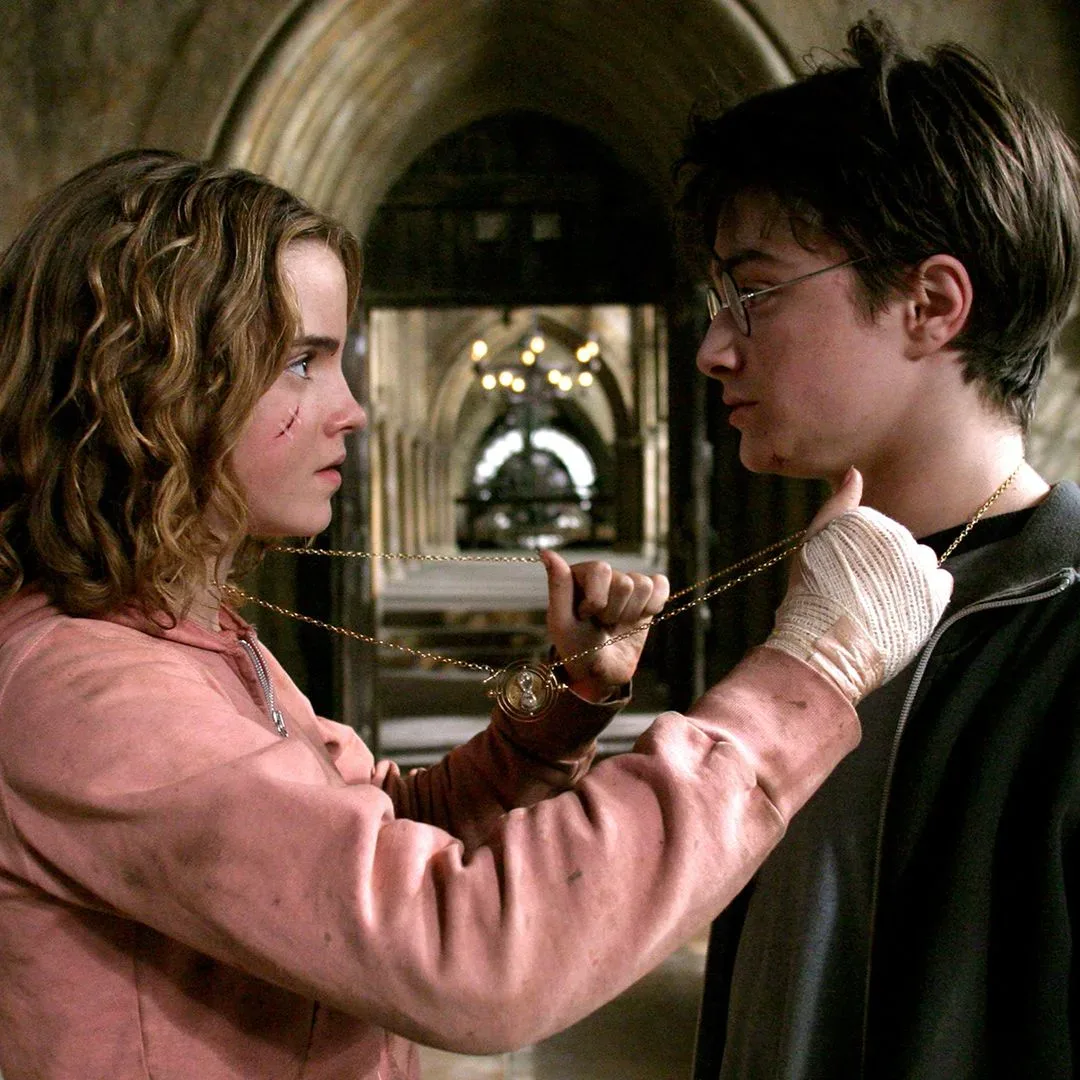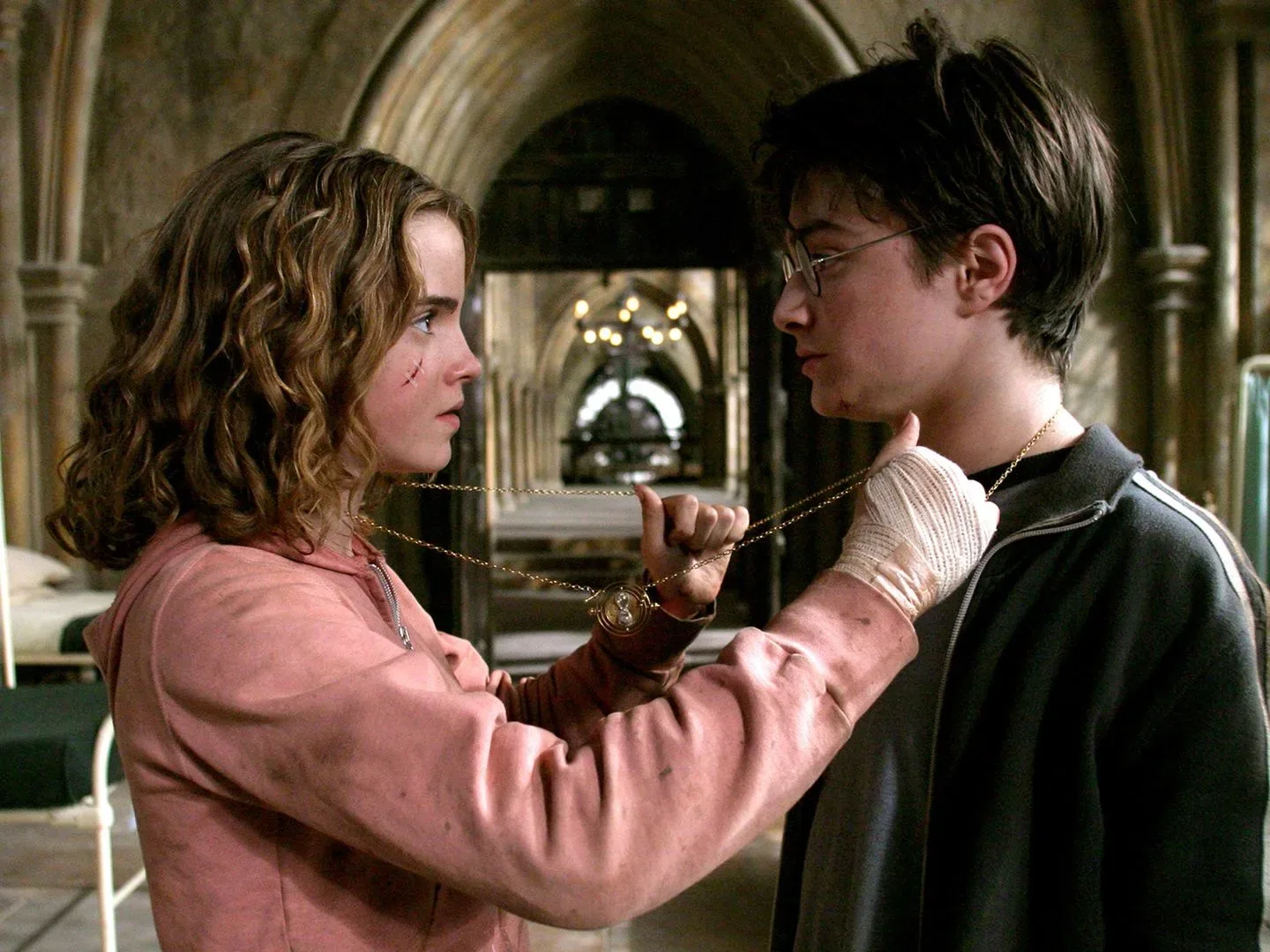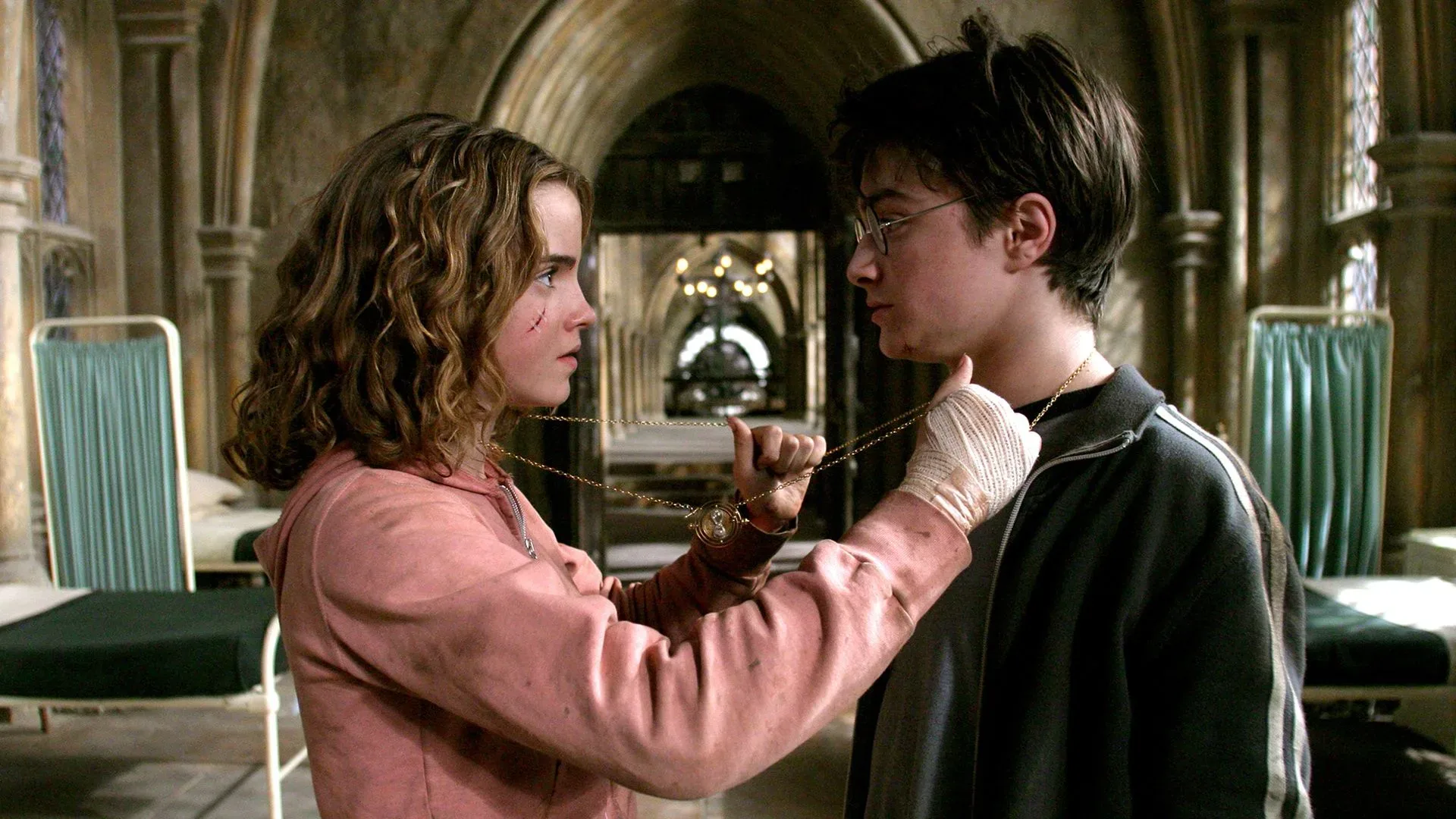
For more than two decades, Harry Potter and the Prisoner of Azkaban has held a distinctive place in the eight-film Wizarding World run. It was the third entry, but it also felt like a major turning point: the series had a new director in Alfonso Cuarón, a darker source novel to adapt, and a visual personality that made Hogwarts feel less like a fixed storybook attraction and more like a strange, changing place where the weather, seasons, corridors and danger could all matter.
That difference made one question linger. If Cuarón’s approach was so influential, why did he not return to direct Harry Potter and the Goblet of Fire or another installment? Producer David Heyman has now offered an unusually straightforward answer: Cuarón was exhausted.
Speaking on Harry Potter: The Official Film Podcast, Heyman said the production asked Cuarón about making the fourth film. Cuarón replied with a Spanish slang term, and Heyman interpreted the response as the reaction of someone who had reached the end of a demanding creative stretch. Heyman, who described Cuarón as both a close friend and his son’s godfather, said that looking back at photographs from that period makes the toll apparent to him.
It is a small answer to a large fan question, but it is also a human one. The reason was apparently not a hidden dispute, a dramatic dismissal, or an elaborate mystery tucked behind the portrait hole. Cuarón had completed one intensely ambitious film and did not want to immediately undertake another.
A single film with a lasting identity
Prisoner of Azkaban was Cuarón’s only Harry Potter feature, yet it remains closely associated with his sensibility. Before taking the job, he had directed Y tu mamá también. His later credits would include Children of Men and Gravity, films that further established him as a director with a strong interest in atmosphere, movement, emotional perspective and immersive environments.
The third Potter story offered material suited to a more unsettled mode. Harry’s world is no longer defined solely by the discovery of magic and school rituals. The threat of Sirius Black hangs over the year, Dementors arrive as a frightening new force, time becomes central to the plot, and the characters face a past that is more morally complicated than it first appears. The film’s mood matches that evolution without abandoning the series’ fantasy framework.
That is why the movie is so often singled out by viewers as one of the franchise’s strongest outings. It did not merely continue a successful adaptation series; it showed that the films could shift tone as Harry, Ron and Hermione got older. Its influence also outlived Cuarón’s direct involvement. A franchise can keep its cast, its setting and its core mythology while changing filmmakers, but a particularly memorable installment can still become the benchmark against which later entries are measured.
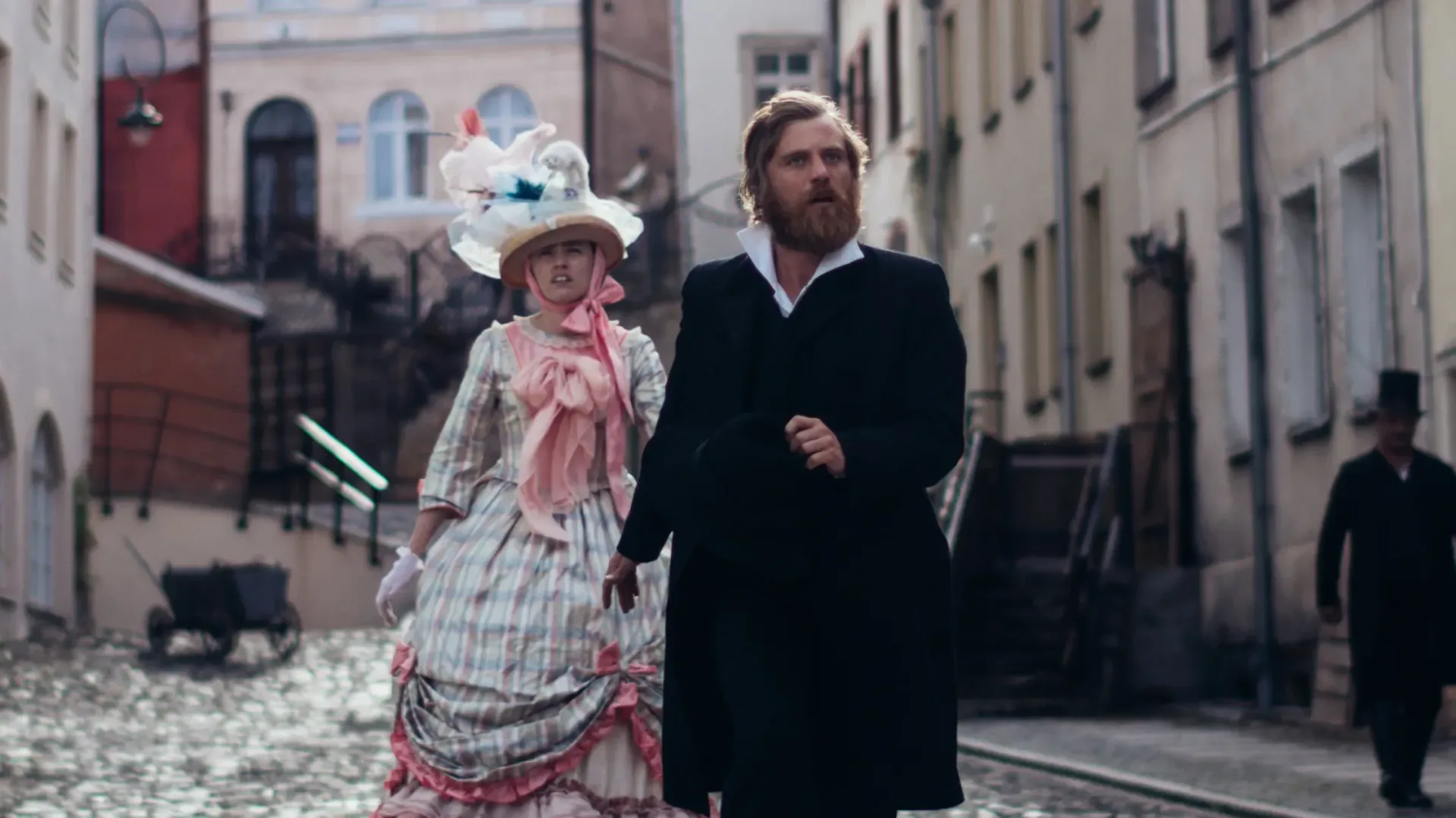
For readers interested in the broader question of how a filmmaker’s perspective can reshape familiar material, Joking Joystick recently looked at a very different literary-screen project in The Idiot(s) Makes a Messy Dostoevsky Biopic Feel Surprisingly Alive. The projects are not equivalent, but the shared point is that adaptation becomes more memorable when it has a clear point of view rather than merely checking off plot events.
Exhaustion is not a footnote
It is tempting to talk about blockbuster filmmaking as though directors move through franchises like characters moving between levels: complete one, unlock the next, collect a larger budget. Heyman’s recollection is a useful corrective. A massive film can be an all-consuming commitment, and a director declining a sequel may simply be protecting the energy required to do future work well.
That framing matters especially with Prisoner of Azkaban. Its reputation can make a follow-up seem inevitable in retrospect. Fans who value its creative choices may imagine an alternate version of the film series in which Cuarón stayed for several chapters. But the actual production history went another way. The fourth movie, Harry Potter and the Goblet of Fire, was directed by Mike Newell, known for Four Weddings and a Funeral.
Newell also directed only one Potter film. Then David Yates took the baton and directed the final four features: Order of the Phoenix, Half-Blood Prince, and both parts of Deathly Hallows. The completed film series is therefore not the work of one uninterrupted directorial voice. Its shape was formed through several handoffs, with individual filmmakers responsible for different stages in Harry’s journey.
That rotating-director structure helped the films evolve. Cuarón’s entry is particularly remembered for its mood and visual confidence, while the later Yates stretch supplied continuity for the increasingly dark endgame. There is no need to treat that history as a contest where one filmmaker’s contribution cancels another’s. Cuarón’s one-and-done tenure is notable precisely because it demonstrates how much a director can leave behind in a single chapter.
The podcast is becoming part of the next era
Heyman’s comments arrive through Harry Potter: The Official Film Podcast, a project that is expected to transition into the official podcast for the forthcoming HBO Max series when that show begins airing this Christmas. The timing turns an old question about the movies into part of a wider moment for the property: the original film cycle remains available to revisit, while a new screen adaptation is preparing to start its own version of the story.
The HBO Max show is set to adapt Harry Potter and the Philosopher’s Stone in its first season. Each subsequent season is planned to cover a different book. That format suggests a longer-form approach than the films could take, but it also means a new creative team will face a familiar challenge: how to make material known around the world feel fresh without losing the elements audiences consider essential.
New technology and new formats do not automatically solve the storytelling problem. They create different opportunities and pressures. The same broader conversation about immersive media, shared experiences and the craft of storytelling appears in Venice Immersive’s 10th Edition Shows XR Chasing Shared Spaces, Smart Glasses and Better Storytelling. A prestige television adaptation is not XR, of course, but both cases underline that format only becomes meaningful when creators find a reason to use it.
Why the clarification lands now
The longevity of the question says something about Cuarón’s impact. Fans do not generally spend 22 years wondering why a filmmaker did not return unless that filmmaker’s contribution felt unusually personal. Prisoner of Azkaban is still part of a larger adaptation, still bound to the performances and mythology established by the earlier films, but it has an identity viewers can recognize.
Heyman’s explanation does not turn the situation into an epic behind-the-scenes saga. Instead, it makes the answer refreshingly ordinary: after directing the third movie, Cuarón was worn out. In an industry where every creative departure can invite speculation, that plainness is valuable. Sometimes the big mystery is not a feud or a secret plan. Sometimes a gifted director looks at the next giant undertaking and decides that one trip through the time-turner is enough.
The Harry Potter films can currently be watched on HBO Max. As the television adaptation approaches, Cuarón’s third film remains an important reminder that the most enduring franchise installments are often the ones willing to let a distinctive filmmaker make the world feel newly alive.