Kit Harington’s route into HBO’s Harry Potter series begins not with a first-year trip to Hogwarts, but with one of the wizarding world’s most spectacularly self-impressed professors. Harington has signed on to play Gilderoy Lockhart in the adaptation of Harry Potter and the Chamber of Secrets, taking over the role after Nicholas Hoult left the project because of scheduling issues.
The actor has made clear that the larger appeal is not simply another fantasy job. He sees the television format as an opportunity to spend substantially more time inside the books than the earlier films could. “When I knew this was happening as a series, I thought it was the best idea,” Harington said during an appearance on Today. “I love the films, but with this, they can really explore the books at their fullest, and for a book nerd like me, that was a really great idea.”
That is a concise case for the series’ central creative challenge. The films are beloved, but each had to turn a full novel into a feature-length movie. A serialized adaptation has a different structural toolset: it can give more scenes room to breathe, retain smaller character beats, and let the school year’s mysteries develop across episodes rather than continually compressing them toward a single theatrical finish line.
Why Lockhart is a useful test of the TV approach
Lockhart is an especially revealing character for that promise because he is not just a suspect, a teacher, or a source of comic relief. He is all three at once. In Chamber of Secrets, the Defense Against the Dark Arts professor arrives with enormous public confidence, a polished celebrity persona, and a habit of making himself the centre of every room. He inserts himself into situations where he is plainly not needed, including the work of other teachers.
That combination can be funny on the surface, but it also matters to the story’s tensions. Lockhart holds a position of authority at Hogwarts while being defined by vanity and performance. Allowing those traits to accumulate through more of his lessons, interruptions, and promotional theatrics would make the character’s presence feel more complete—not merely a colourful detour on the way to the book’s mystery.
The earlier 2002 film adaptation featured Kenneth Branagh as Lockhart, but it left out a number of moments from the novel, including some involving the professor. That was an understandable consequence of adaptation compression: a film has finite running time and must choose which plot mechanics and character material survive. Harington’s point is that television potentially changes the calculation. It does not guarantee that every page will appear on screen, but it gives the production more room to make choices that a feature film could not.
One likely beneficiary is Lockhart’s very particular brand of excess. The story includes his Valentine’s Day breakfast, in which the Great Hall is transformed into an aggressively pink display and winged dwarves carrying harps are part of the festivities. It is a ludicrous event by design, expressing the professor’s belief that Hogwarts should function as a stage for Gilderoy Lockhart. It also offers the adaptation a visual set piece that says a great deal about him before anyone has to explain his personality aloud.
More time does not simply mean more plot
“Explore the books at their fullest” is easy to interpret as a pledge to include every scene. It is more useful to think of it as a question of dramatic texture. A serialized adaptation can preserve not only major story turns but also the material around them: classroom rhythms, student reactions, awkward detours, and the slow realization that an adult who commands attention may not deserve trust.
That distinction is important for Chamber of Secrets. The book is not only about the titular threat; it is also a Hogwarts year in which Harry, Ron Weasley, and Hermione Granger navigate a school with new pressures, strange incidents, and a wildly unsuitable teacher in a crucial subject. Lockhart’s comedy works better when it appears repeatedly against that setting. His self-promotion needs the mundane routine of school life to bounce against.
For viewers, the practical implication is straightforward: the new show is being framed less as a rapid replacement for the films and more as an adaptation with different pacing possibilities. That creates high expectations, of course. Extra screen time needs to serve character, atmosphere, or story; simply reproducing more events would not automatically make a stronger season. But Lockhart is the type of supporting character whose scenes can help demonstrate whether the show knows how to use that additional space.
Harington already has a connection to Lockhart
This will not be Harington’s first time interpreting the character. He voiced Lockhart in the Harry Potter: The Full-Cast Audio Editions audiobooks last year. Voice performance and screen acting are distinct jobs—an audiobook relies on vocal characterization, while television adds physical behaviour, costume, framing, and the reactions of other performers—but the earlier work means Harington has already encountered Lockhart’s dialogue and persona directly.
That background does not tell audiences exactly how his on-screen Lockhart will play. It does, however, make the casting more interesting than a simple fantasy-series reunion. Harington arrives having worked with the character in an audio format, while joining a production whose stated attraction is the chance to expand the books’ on-screen detail. The role offers an opportunity to move from voice-led interpretation to a fully embodied version of a professor who is, at heart, constantly staging himself.
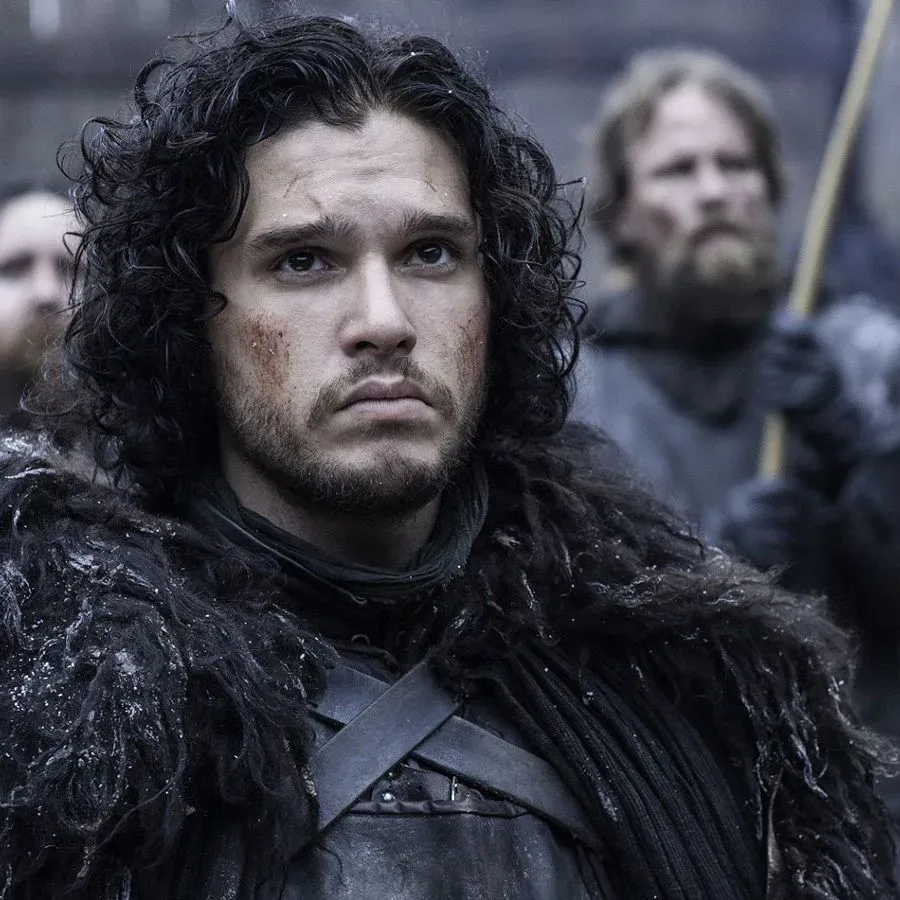
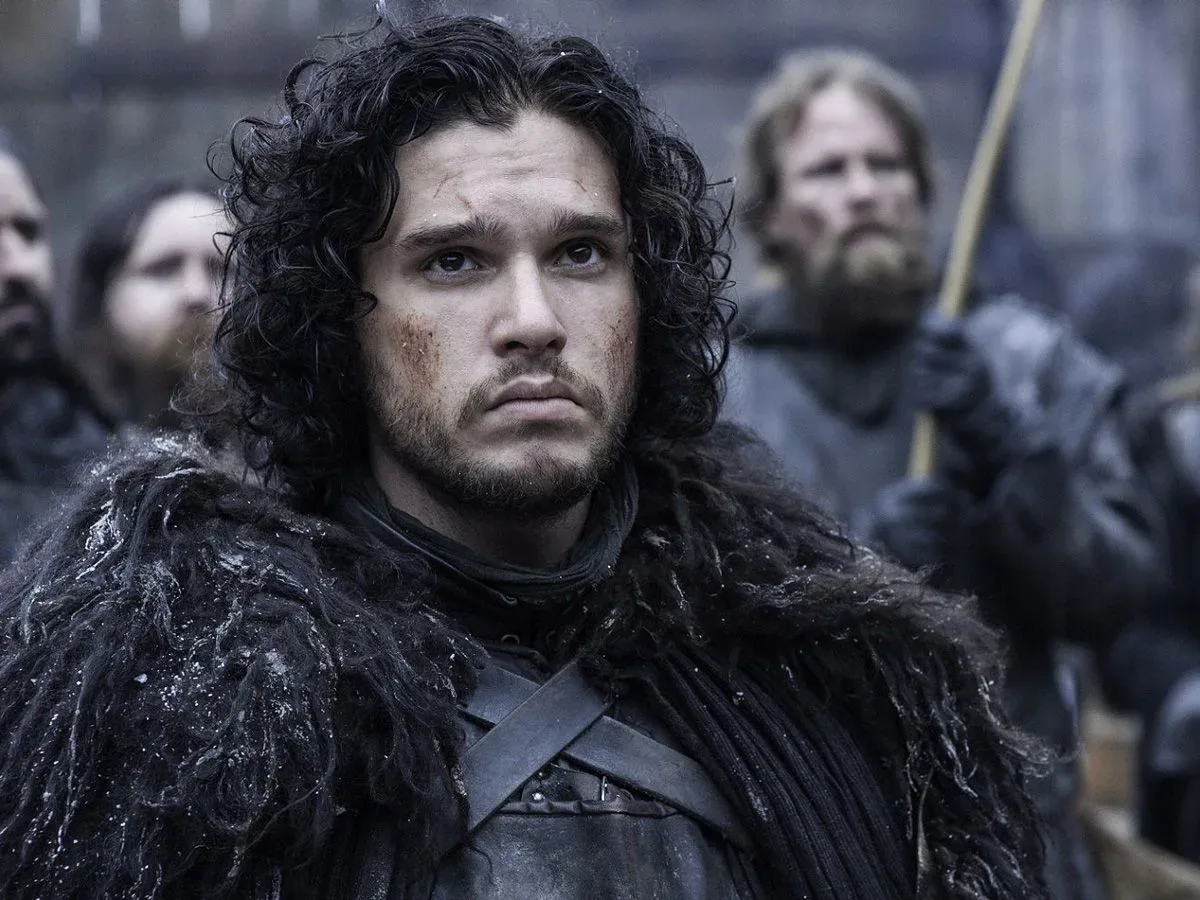
Harington is also familiar with fantasy television’s demands after his long association with Game of Thrones, a series built around magic, dragons, dangerous institutions, and large ensembles. That experience should not be treated as proof of how he will perform Lockhart; the characters call for very different registers. Still, it makes the move into Hogwarts feel like a natural genre shift rather than an unexpected detour.
The first season comes before Lockhart’s arrival
There is a major bit of calendar reality behind the Lockhart news: the audience has not yet seen the series’ first season. HBO and HBO Max are set to begin with Harry Potter and the Philosopher’s Stone on Christmas Day. That first chapter will establish the new Hogwarts, its tone, and its versions of the central characters before Chamber of Secrets introduces Harington’s professor.
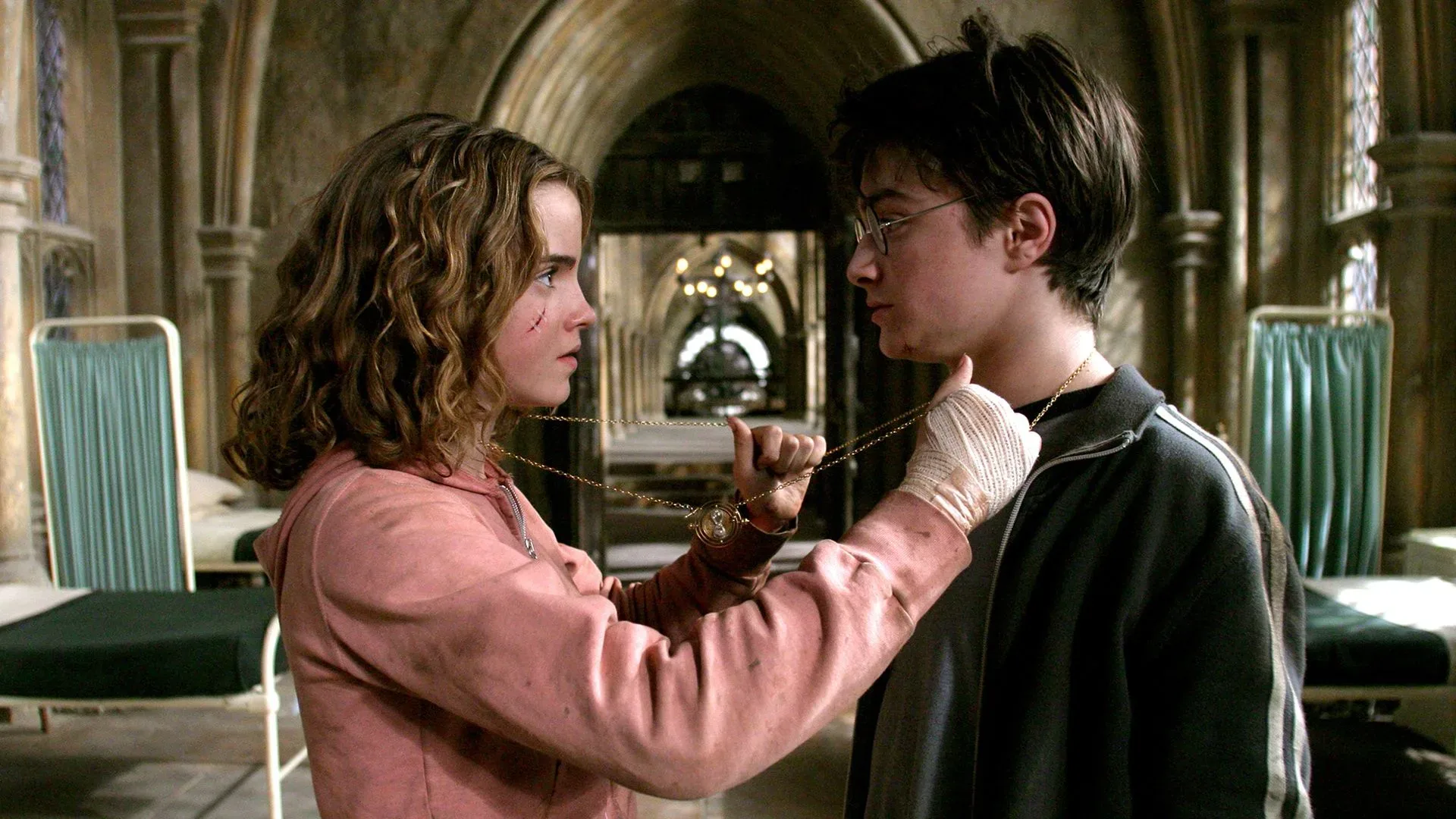
Dominic McLaughlin will play Harry Potter, with Alastair Stout as Ron and Arabella Stanton as Hermione. The adult Hogwarts ensemble includes Nick Frost as Hagrid, John Lithgow as Albus Dumbledore, Paapa Essiedu as Severus Snape, and Janet McTeer as Professor McGonagall.
Those castings underline why it is premature to treat any one future-season role as the complete story of the project. Lockhart is a memorable addition to the school, but he depends on the world around him: a functioning faculty, students capable of seeing through him, and an established Hogwarts worth disrupting with his theatrics. The Christmas Day launch is therefore the actual starting point for judging the series’ approach to fidelity, pacing, and character detail.
What audiences should watch for in Chamber of Secrets
When the adaptation reaches its second-book material, Lockhart will offer several ways to assess how the series is using its format:
- Classroom presence: The role will land differently if Lockhart feels like a recurring part of Hogwarts life rather than an occasional celebrity gag.
- Comic timing: His grandiosity has to be amusing without flattening him into a one-note joke.
- Character contrast: Scenes with the more serious faculty can show how his behaviour unsettles the school’s ordinary order.
- Book-specific texture: Events such as the Valentine’s Day breakfast are chances to retain memorable, eccentric material that feature-film pacing had less room to accommodate.
- Story function: The adaptation will need to balance Lockhart’s humour with his importance to the year’s mystery and the stakes surrounding it.
There is no need to assume that a longer-form version will replicate every choice readers remember, and nothing in Harington’s remarks amounts to a scene-by-scene roadmap. The meaningful commitment is broader: the series format is being embraced because it can go deeper into the novels’ material. For Chamber of Secrets, Gilderoy Lockhart may be one of the clearest opportunities to turn that principle into something visible on screen.
Before then, the attention remains on the opening season and the task of introducing a new generation of Harry, Ron, Hermione, and Hogwarts itself. For more television adaptation news, see our coverage of Mike Flanagan’s plans for a distinct take on The Mist.