Humor / opinion. Collecting often begins with a completely reasonable sentence: “I just want one.” One game from childhood. One card with nice artwork. One figure for the desk. It is an excellent sentence. Clear, economical, and unlikely to survive contact with a related-items carousel.
What follows is an unofficial field guide to the five stages of buying one small thing. This is satire, not a diagnosis. Some collectors skip stages. Others build a color-coded spreadsheet so they can experience all of them more efficiently.
Stage one: the sensible purchase
You identify an object you genuinely like. You check the condition, compare the description, and decide it fits your budget. The purchase arrives. You put it somewhere visible. Everything is peaceful.
This stage is underrated. The object does precisely what you hoped: it reminds you of something enjoyable. There is enough shelf space left to place a drink nearby, although you wisely choose another table.
Stage two: the context purchase
The first object looks a little lonely. It clearly needs a companion. You explain that the second purchase is not an expansion of the collection; it is context. Museums use context. You are being educational.
Soon there is a small theme. The theme is charming. You discover that the company also made a third item which, through no fault of your own, would complete a visually balanced arrangement. At this point the shelf is still a piece of furniture. It has not yet become a mission statement.
Stage three: the research infrastructure
You need an inventory. This is sensible too. You create columns for title, condition, location, and cost. Then you add edition, region, missing inserts, source links, and a field called “notes” that gradually becomes the longest document you own.
You spend an evening choosing the right shade of green for completed entries. The collection has gained a project manager, and unfortunately that person is also the customer.
Stage four: the protective ecosystem
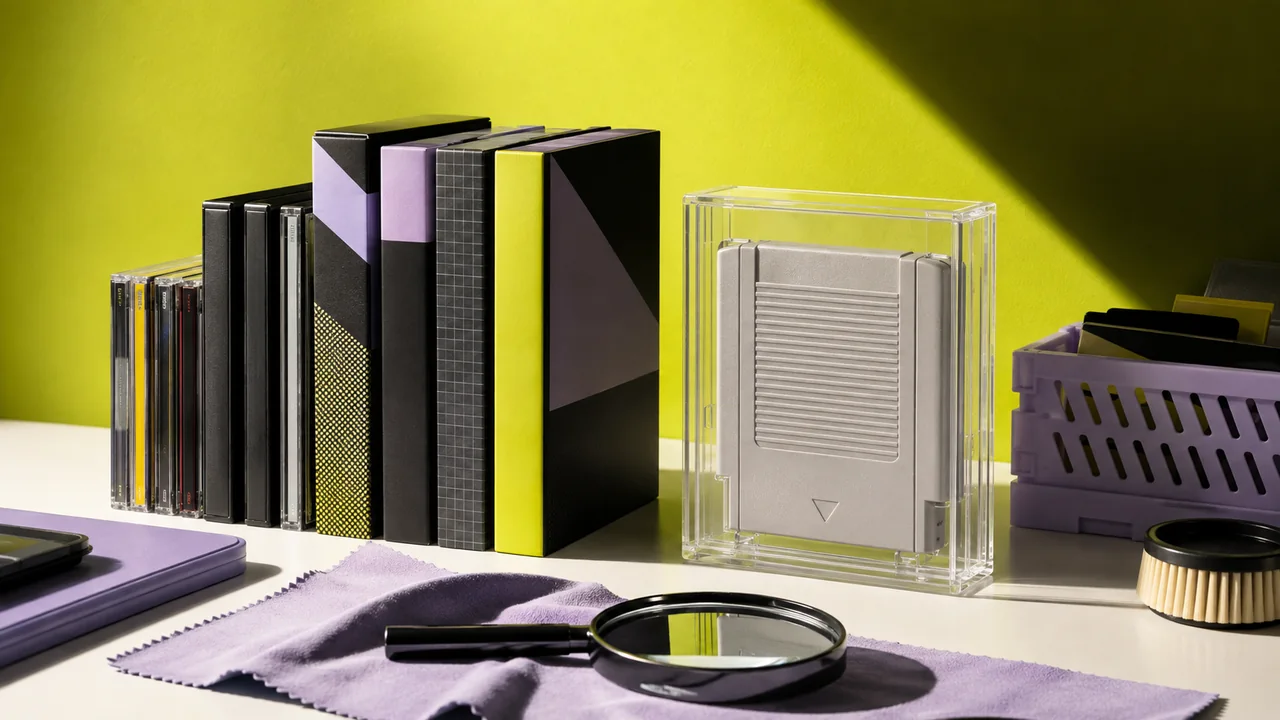
The objects need protection. You buy sleeves, cases, dividers, and boxes. These supplies require their own storage box. The storage box arrives with packaging that seems too useful to discard, so you retain it for future shipping.
You now own a box containing boxes intended to hold cases containing objects. Somewhere inside this arrangement is the original small thing. It is extremely safe. You will enjoy looking at it as soon as you have reorganized the supplies.
Stage five: the return to one small thing
You sit down and actually play the game, read the card backs, or rearrange the figures because you like how they look. The elaborate machinery becomes quiet. A particular object catches your attention for the same reason the first one did: it is interesting to you.
This is the best stage. You can keep the spreadsheet, but it no longer gets to chair the meeting. The collection becomes something you use and enjoy instead of a list of tasks you have assigned yourself.
A modest house rule
Before buying the next addition, choose one item already owned and spend a few minutes with it. Play a level. Look at the artwork. Read the manual. If the next purchase still feels worthwhile afterward, at least it is joining an active collection.
There is no prize for completing the internet. There is, however, considerable satisfaction in finding the thing you wanted on a shelf you can still reach. You may even discover that “I just want one” was a perfectly good plan—provided you allow “one” to refer to one enjoyable afternoon.