Spoilers for all eight episodes of Crystal Lake follow.
Crystal Lake ends not by tidily putting its monsters back in their boxes, but by leaving the woods with two possible threats: Pamela Voorhees and her son Jason. The finale resolves the immediate conflict with Bellflower Chemical and Elias Wittering, while deliberately withholding clear answers about Lee’s fate and the identity of the force stalking a later group of teenagers.
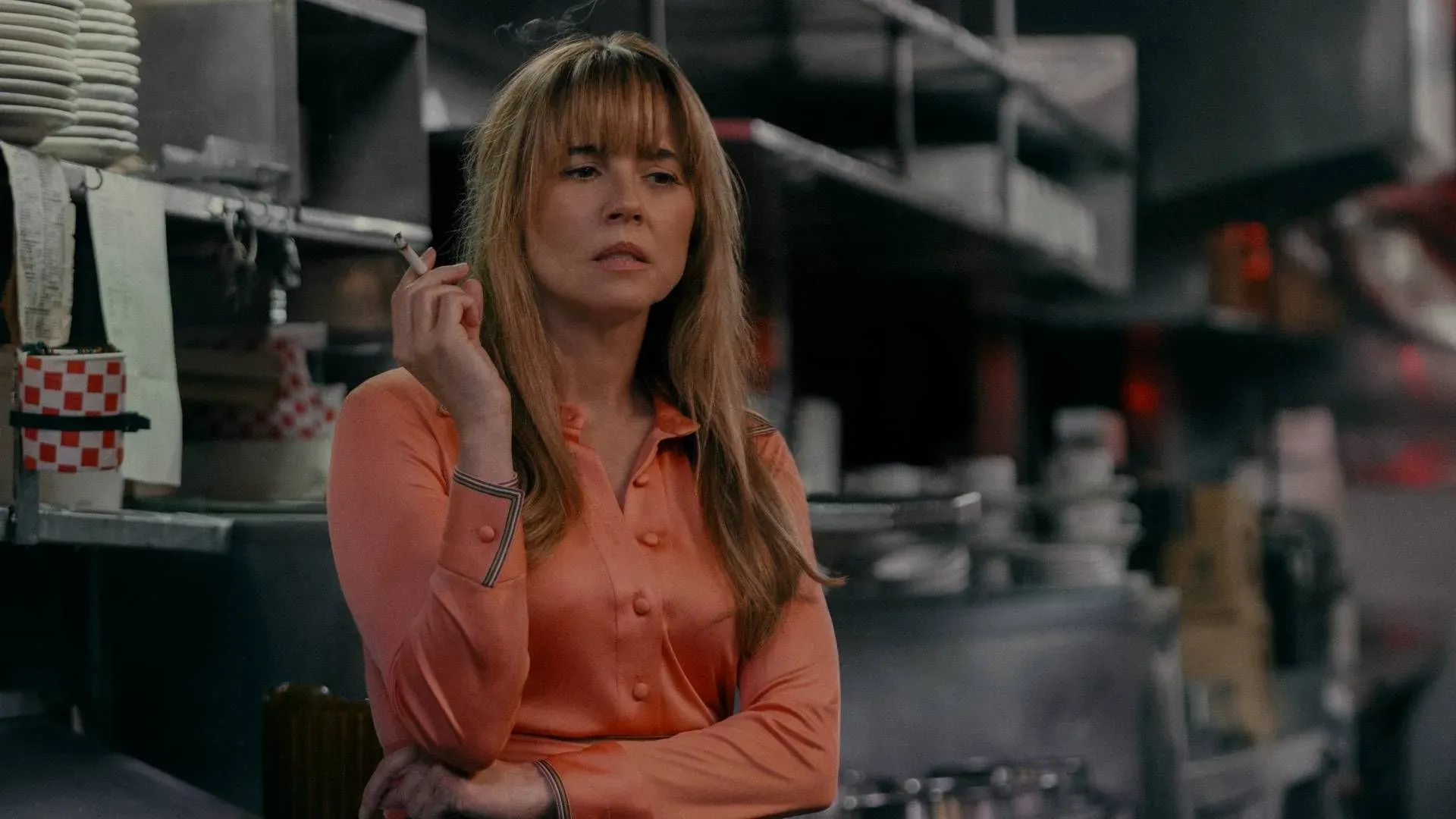
That open-ended finish matters because the series is structured as an origin story. It follows Pamela, played by Linda Cardellini, as Jason’s drowning at Camp Crystal Lake—and the negligence of camp counselors and bullying from other children—drives her toward violence. At the same time, the show expands the mythology around Jason’s medical condition, his unusual strength and apparent ability to survive through Bellflower and its Argonaut experiments.
The finale’s key message is simple, if deeply unpleasant: Elias is gone, but the conditions that made Jason dangerous have not disappeared. Pamela has escaped immediate capture, Jason is free, and the campfire coda turns the forest itself back into a hunting ground.
What happens at the end of Crystal Lake?
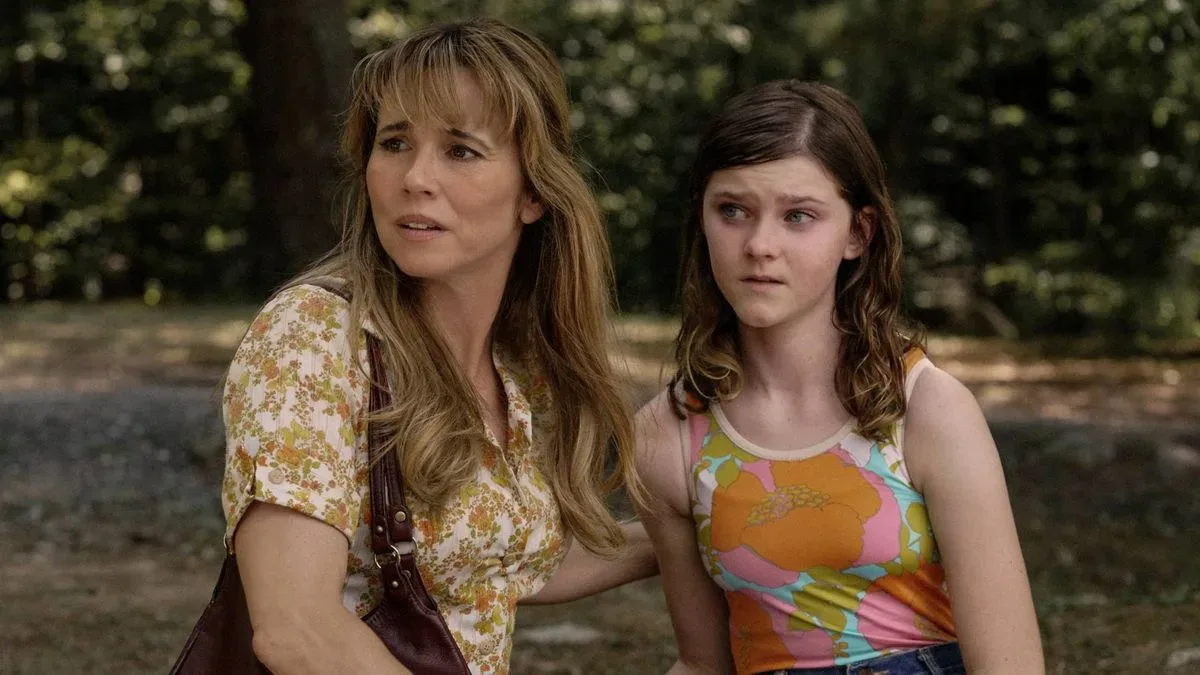
After Pamela tells Brianna and Lee the full story of Jason and Bellflower, she decides she must disappear. Lee argues that her real route out of Bellflower’s control is to turn herself in for murder. Their debate does not get far, because Elias is already closing in.
Elias enters a diner and uses false pretenses to obtain Pamela’s address. He then sends Bellflower personnel to search the house. At the police station, Pamela asks Lee to release her. Lee, in turn, reveals the personal history behind his reassignment: he used dirty money to pay for treatment for his late wife, an act that led to his move from Newark.
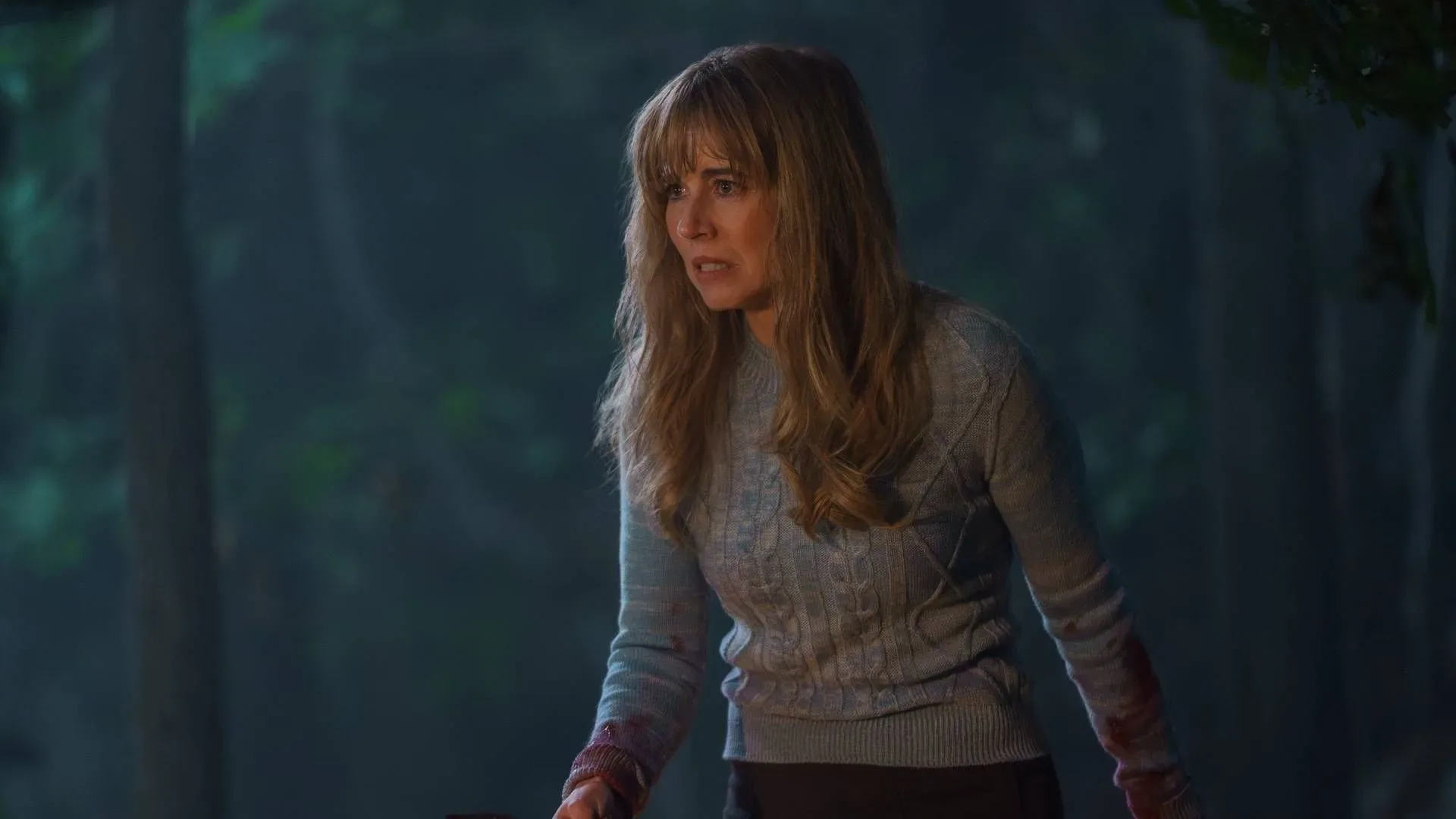
Elias arrives at the station playing the part of a distraught husband looking for his wife and child. Lee refuses to surrender Pamela. Elias responds by sending armed men after him, and Pamela gives herself up amid the escalating standoff. A gunfight follows between the attackers and Lee’s partner Dorf, who uses a Japanese throwing star. Lee shoots and kills the final gunman still in the immediate confrontation, but the others succeed in taking Pamela away.
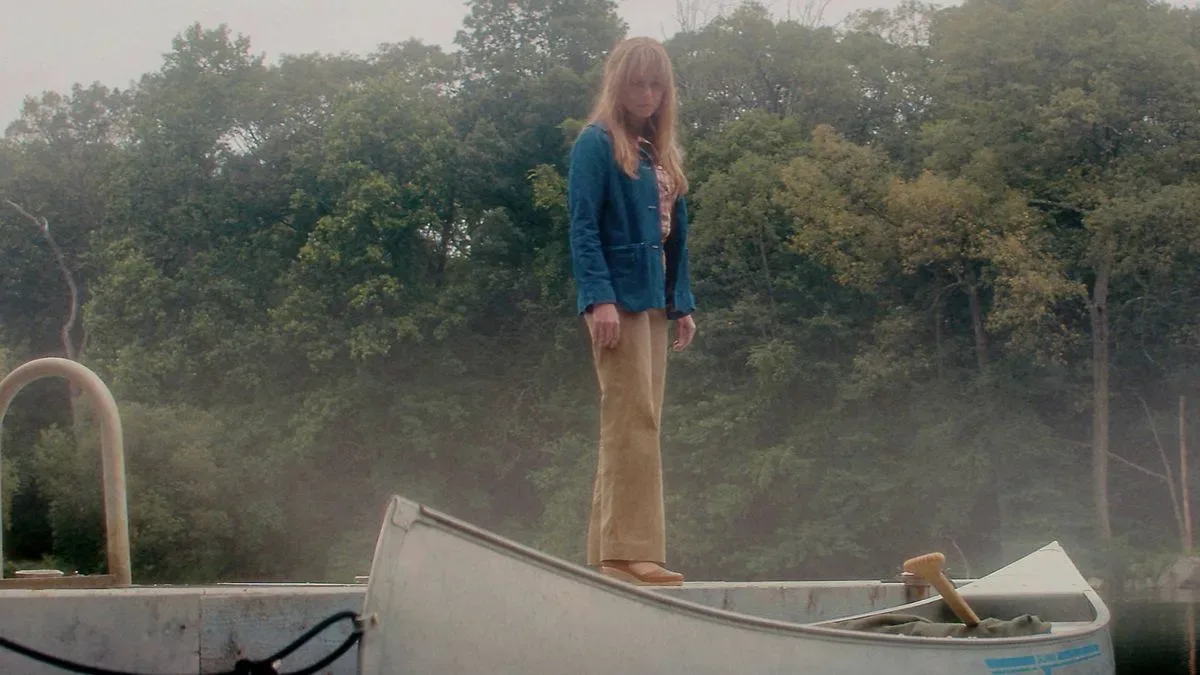
The escape does not last. While the vehicle carries Pamela away, something blocks the road. The staging strongly points to Jason, who is wearing a burlap sack. That image recalls Jason’s look in the second Friday the 13th film, before the character’s familiar hockey-mask era.
Pamela flees into a cabin. Elias finds her and insists that Jason’s testing had a purpose, attempting to persuade her to return to Bellflower. Then Jason appears. Elias removes the burlap sack with an almost parental tenderness and tries to bring Jason back under Bellflower’s control.
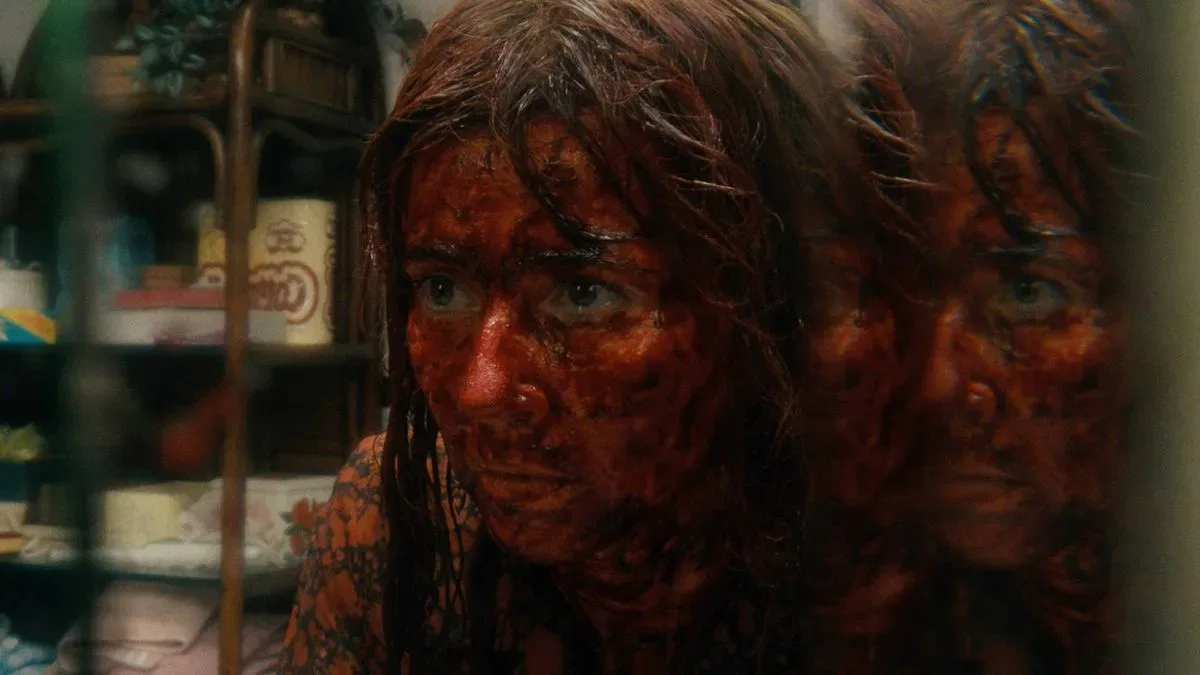
It is a catastrophic misread of the situation. Jason uses the superhuman strength linked to the experiments to kill Elias, crushing his head. Jason then nearly strangles Pamela, but Ralph fires at him, interrupting the attack. Jason escapes. Pamela’s response is maniacal laughter, a final beat that makes her mental and moral state as alarming as Jason’s physical threat.
Who dies in episode 8?
The major confirmed death in the finale is Elias Wittering. He is Pamela’s former husband, and she took the Voorhees name after escaping him around eight years earlier. His death is not ambiguous: Jason crushes his head after Elias tries to reclaim him for Bellflower.
Lee’s status is less certain. He is shot during the confrontation, but the episode does not establish whether he lives or dies. It would be inaccurate to count him among the confirmed deaths based on the ending alone.
Several other important characters die earlier in the season. Those deaths include Grace’s mother, the entire hippie clan, and Claudette and Barry. Grace kills Claudette and Barry after accidentally taking two tabs of acid. But the final episode’s body count is chiefly about Elias, whose attempt to treat Jason as Bellflower property proves fatal.
Bellflower Chemical and the Argonaut program, explained
Bellflower Chemical is central to Crystal Lake’s revised account of Jason’s origins. The series uses it to connect Pamela’s past, Jason’s physical condition and his abnormal strength into one conspiracy-like framework.
During Pamela’s miscarriage, Elias brings her to Bellflower. Because the baby is still alive, he convinces her to undergo painful treatments that he presents as a way to make both mother and child stronger. Jason is later born with a physical deformity and experiences seizures. Bellflower places him into experimental testing called the Argonaut program.
In practical story terms, Argonaut is the show’s explanation for why this version of Jason has abilities beyond an ordinary human being. The prequel associates his strength with Bellflower’s experiments rather than leaving the franchise’s long-running supernatural implications entirely unexplained. That does not mean every detail is settled: the series gives Jason a new layer of backstory, but the exact scope of what the treatments did remains intentionally murky.
Why is it called Argonaut?
The program’s name draws on Jason and the Argonauts, itself based on the Greek poem The Argonautica. In that tradition, the Argonauts travel on the Argo, a divinely made ship associated here with regeneration.
That reference creates a pointed thematic link to Jason Voorhees. Across the broader Friday the 13th mythology, Jason’s inability to stay dead is one of the character’s defining traits. Crystal Lake appears to use the Argonaut name as a clue that Bellflower’s work involves regeneration—or at minimum a belief that Jason can endure what should kill him.
Analysis: Elias calling Jason a miracle and remaining obsessed with continuing the experiments makes more sense through that lens. He is not merely invested in a successful experiment; he seems to believe Jason represents a breakthrough. Pamela, however, does not know the full implication of Argonaut. Her story is therefore not one of a willing participant in an immortality project, but of a mother manipulated by Elias and Bellflower before and after Jason’s birth.
The name also gives the show a way to echo franchise mythology without claiming to fully explain it in scientific terms. “Regeneration” is an important concept because it describes recovery or restoration after injury. Here, it functions as a thematic bridge between Bellflower’s experiments and a character repeatedly associated with impossible survival.
Why does Jason look older in the finale?
When Jason emerges at the cabin, he is suddenly teenage-to-adult sized. The finale does not provide a direct, detailed explanation for that change. The available evidence connects his unusual physical power to Bellflower’s experimentation, but it does not explicitly lay out how quickly he aged or whether Argonaut alone accounts for his size.
That distinction is worth keeping. The episode clearly invites viewers to connect Jason’s development and strength to Bellflower, yet it withholds a firm technical explanation. Treating the rapid physical change as confirmed Argonaut side effect would go beyond what the finale actually states.
Who is hunting the teenagers in the final scene?
After Jason escapes and Pamela laughs, the story jumps ahead to a group of teenagers around a campfire in the same woods. They realize something is hunting them. The scene does not identify the hunter.
Jason is the obvious possibility. He is loose, powerful and associated with the woods through the finale’s roadblock and cabin sequence. Pamela is the other possibility: she is alive, unstable and still shaped by her anger over what happened to Jason at Camp Crystal Lake. The ambiguity is the point. The closing scene positions both mother and son as viable threats, rather than committing to only one killer.
It also restores a familiar kind of dramatic tension: teenagers at a campfire realize too late that the surrounding darkness is not empty. Whether the danger comes from Jason, Pamela or some shifting combination of the two is left unresolved.
Will Crystal Lake get season 2?
A second season has not been confirmed in the material available here. The finale nevertheless leaves a very clear route forward.
As a prequel, the first season can stand as the story that leads into the original 1980 Friday the 13th. But a continuation could revisit the basic setup of that film: new campers arriving at Crystal Lake, Pamela returning to work as camp cook, and her revenge turning homicidal.
There is a larger franchise roadmap implied by that possibility. If the show were to follow the broad order associated with the films, Pamela would die at the end of a second season. A third could move into the burlap-sack phase of Jason’s killing spree, while a fourth could bring in the hockey mask. Those are logical franchise-oriented possibilities, not confirmed production plans.
The uncertainty is part of why the closing image works. The season does not need a confirmed renewal to establish a continuing threat. It has already placed Pamela and Jason in the woods and made a new group of young people aware that something is out there.
For viewers tracking how other genre continuations choose between familiar icons and new leads, the discussion around Cyberpunk: Edgerunners season 2 offers a useful contrast. Crystal Lake, by comparison, finishes by keeping its foundational figures in play—and making both of them potential nightmares for anyone who wanders too close to the lake.
All eight episodes of Crystal Lake are streaming on Peacock.