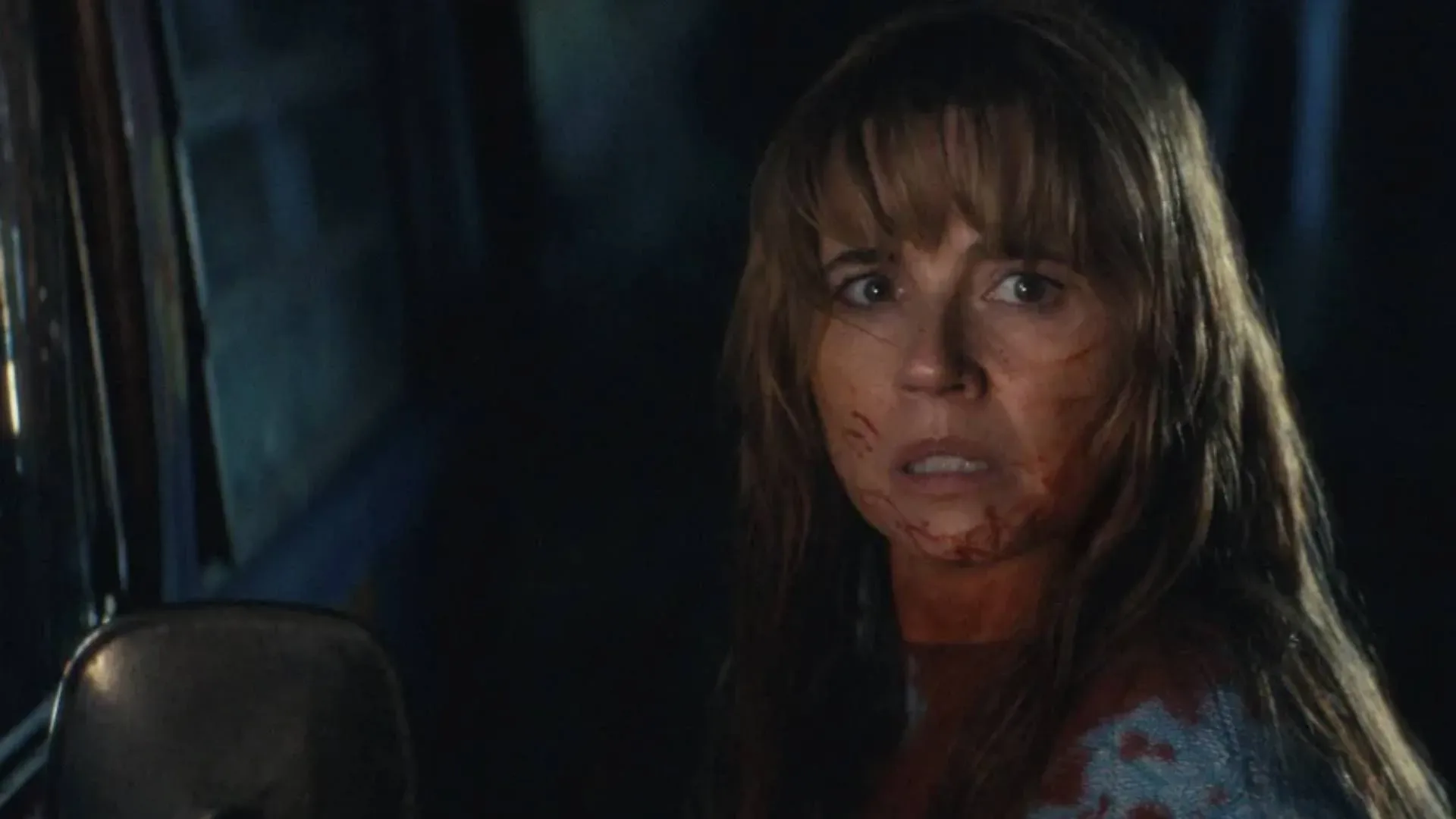
The first trailer for Crystal Lake has put an old horror-property question back on the table: when a prequel revisits a familiar monster, how much of the monster’s past should it explain? In this case, a few sterile rooms and lab-like doors were enough to send viewers toward a particularly wild possibility—that Jason Voorhees might be recast as the result of a covert government experiment.
Brad Caleb Kane, the showrunner behind the forthcoming Friday the 13th prequel series, has now directly pushed back on that reading. His message is simple: viewers should not treat the trailer’s institutional-looking imagery as evidence that Jason has been turned into a CIA asset, a government-built super soldier, or an Eleven-like test subject.
“It’s not the CIA. He’s not a gov’t super soldier or an Eleven,” Kane wrote.
That clarification matters because it establishes a boundary around one of the biggest fan concerns generated by the footage. The series may have mysteries still to reveal—Kane said everything will become known on October 15—but the apparent lab material is not confirmation of a secret-program origin story for Jason.
What the trailer theory got wrong
Trailer analysis is practically a competitive sport, especially when a franchise arrives with decades of expectations attached. A clean corridor, secured-looking door, or clinical interior can suggest research, containment, medical treatment, a government operation, or any number of genre twists. Those are visual shortcuts: images designed to create questions quickly, even when their ultimate narrative role is still unknown.
In this instance, some viewers connected those visual cues to a science-fiction explanation for Jason. “Super soldier” is a useful shorthand for a character whose extraordinary abilities are linked to military or state experimentation. The comparison to Eleven invokes another recognizable version of the same broad idea: a young person shaped or exploited by an institutional experiment.
Kane’s response cuts across both versions. The showrunner did not provide a full alternative explanation for every image in the trailer, and audiences should resist replacing one unconfirmed theory with another. But he did remove a major category of speculation from the board: Crystal Lake is not presenting Jason as a government experiment.
He also jokingly floated “Chud” and “Trog” as possibilities. Those terms should not be read as official plot descriptions or a new canonical diagnosis. In context, they are playful monster-movie language, part of a deliberately unserious response to theories that had become far more elaborate than the available footage could support.
The story is centered on Pamela Voorhees
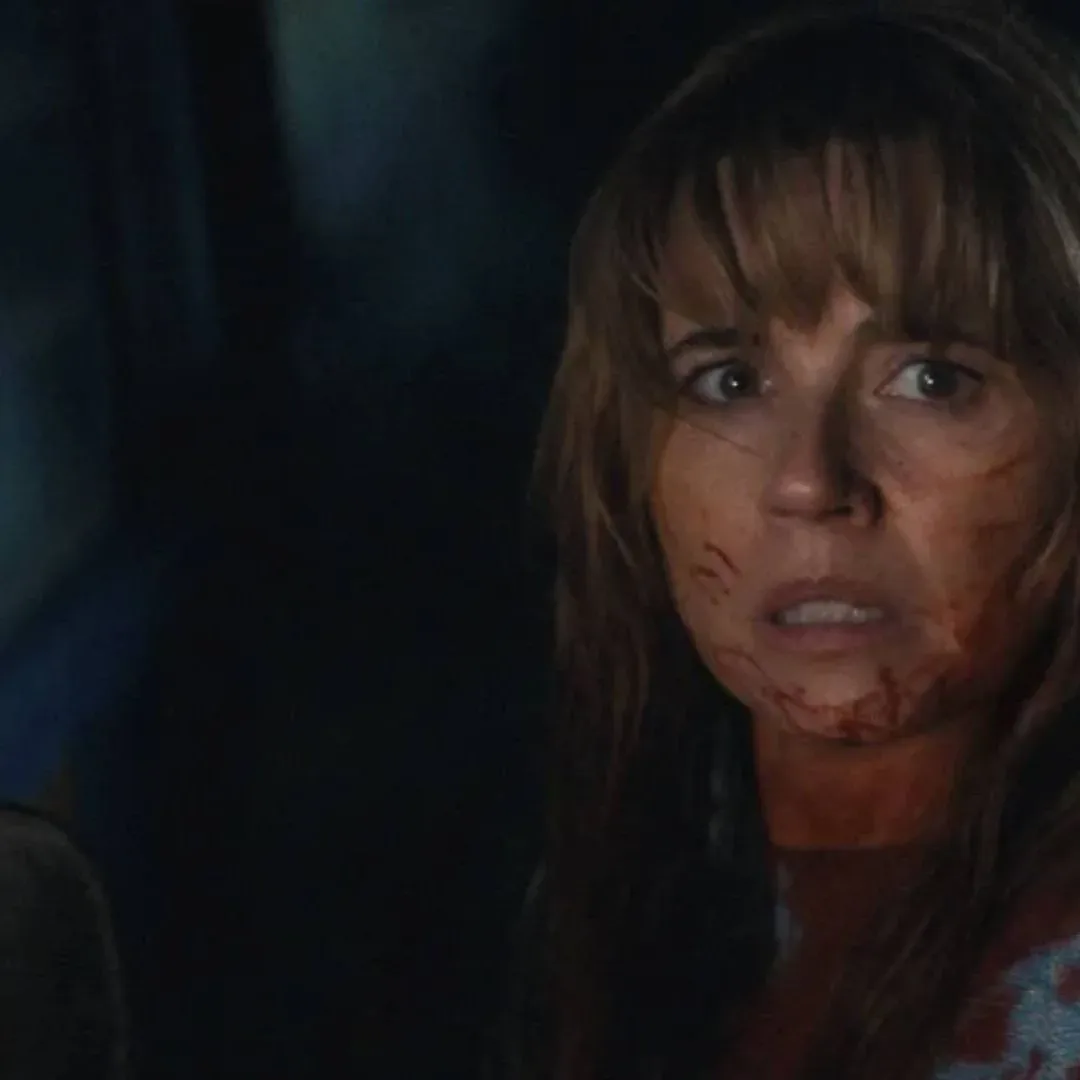
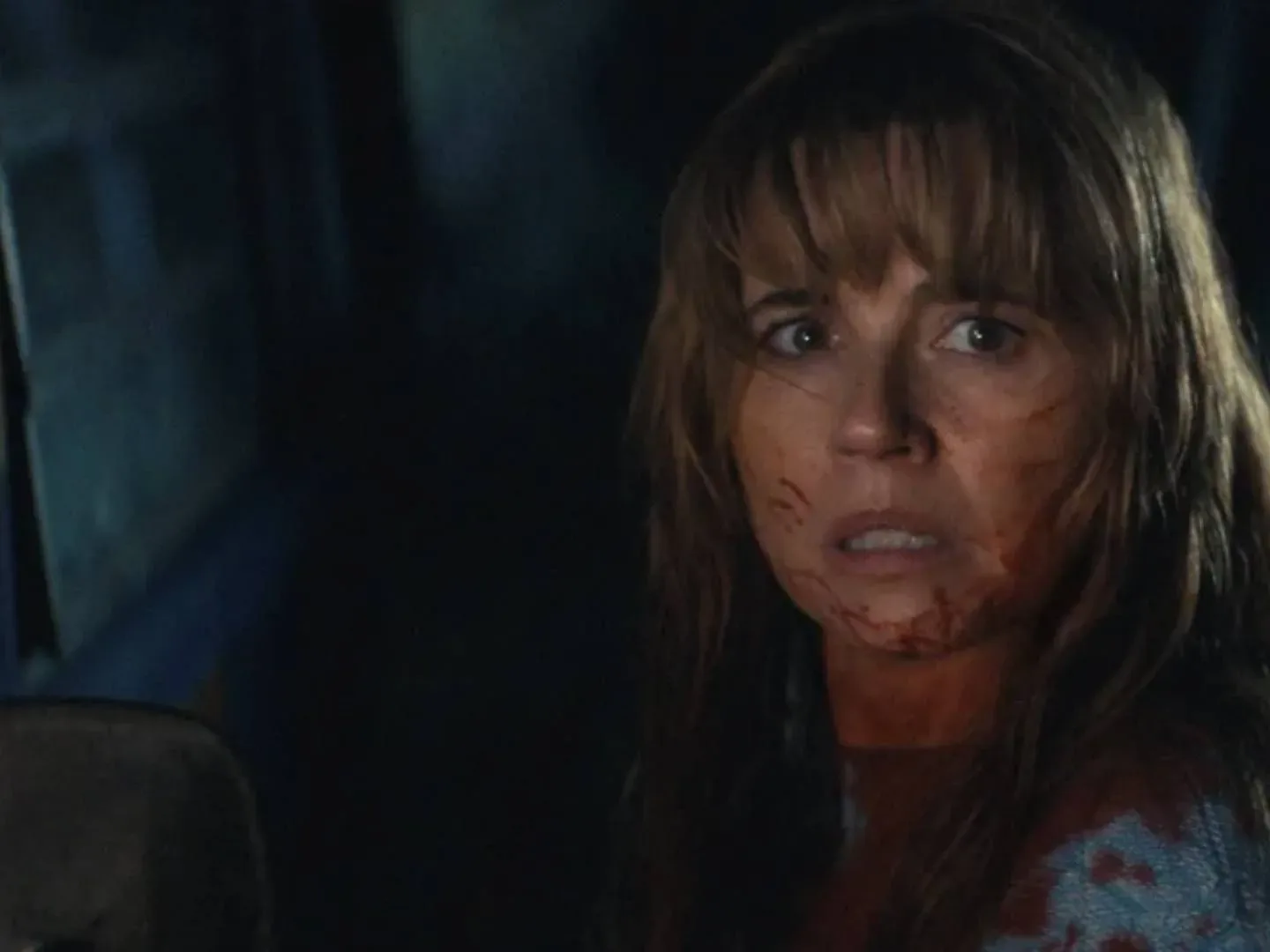
The more consequential detail is where Crystal Lake places its emotional emphasis. The series follows the events surrounding Jason’s apparent death at Camp Crystal Lake as a boy. While the town believes he drowned, Pamela Voorhees refuses to let that belief settle the matter. Her determination to retrieve him drives her into an investigation that appears set to expose more of the town’s past—and more about Pamela herself.
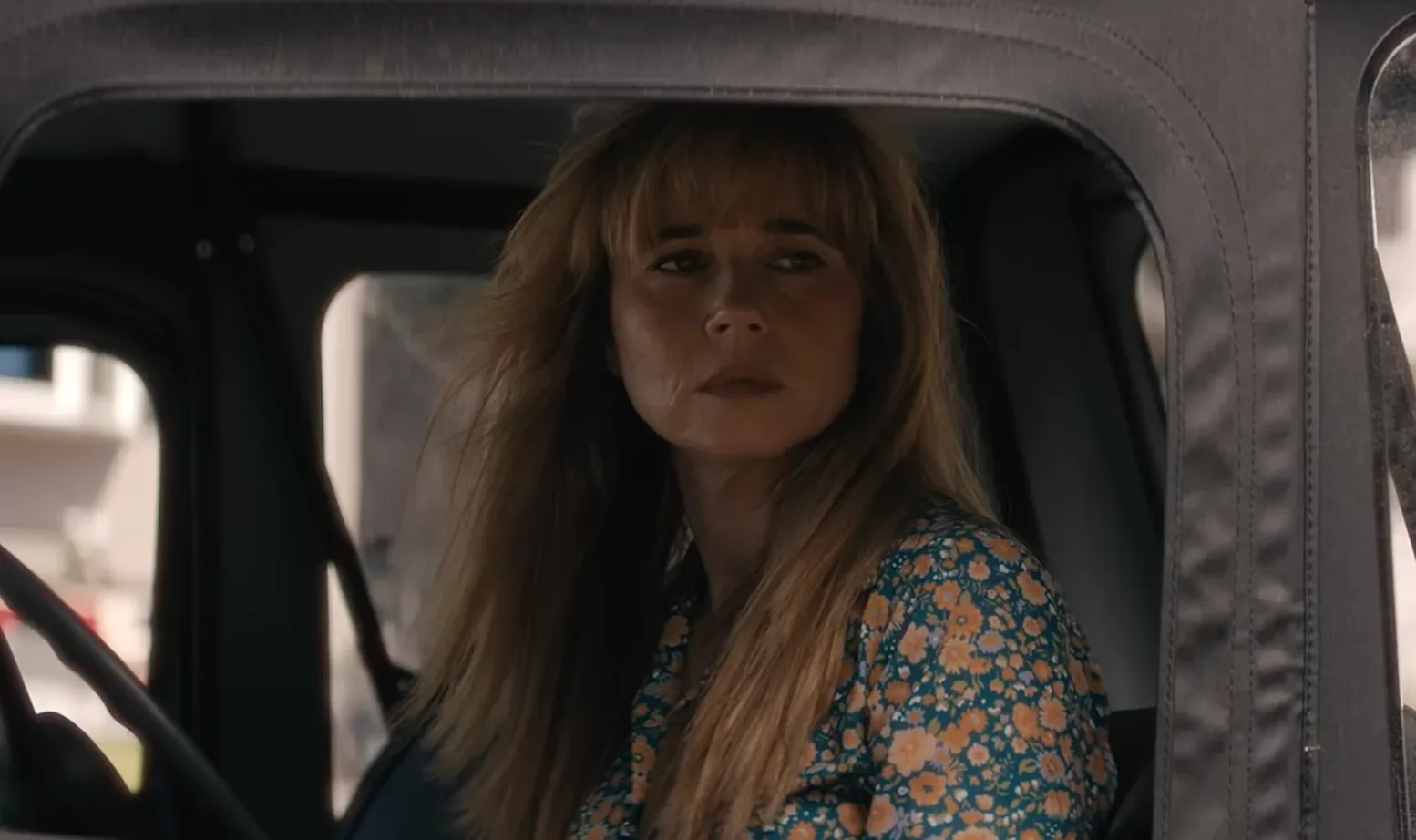
Linda Cardellini plays Pamela Voorhees. That character focus is significant for a prequel because it shifts the immediate dramatic question away from simply asking how Jason became Jason. The available setup instead points toward grief, obsession, denial, memory, and the consequences of a community accepting an apparent tragedy as finished business while one person cannot.
“Apparent demise” is doing important work here. It signals uncertainty within the premise rather than an invitation to assume the series has already laid out every answer. The town’s view of what happened and Pamela’s conviction that there is more to uncover are positioned as opposing forces. That tension can sustain a mystery without needing a classified-file explanation for its central figure.
It also gives Pamela an active role. She is not merely a figure defined by bereavement in the background of someone else’s legend; the supplied setup describes her pursuing answers long after the people around her have accepted Jason’s drowning. Whatever the show ultimately reveals, the stated story engine is a mother investigating a loss that nobody else seems willing to revisit.
A slasher promise, not a conspiracy pivot
The trailer response also confirms that Crystal Lake is not abandoning the visceral side of the property. Campers are in danger, and the show’s violence is described in bluntly physical terms: sharp and heavy everyday objects become weapons. That is a clear slasher framework—threat, vulnerable targets, improvised implements, and graphic consequences—rather than a pivot into a story chiefly about agents, laboratories, and state secrets.
“Slasher” is more than a label for onscreen gore. At its core, it describes horror organized around a killer’s pursuit of victims and the escalating sense that ordinary settings or objects are unsafe. A camp is particularly useful terrain for that structure: it provides isolation, a compact population, and practical tools that can turn menacing in the wrong hands. Crystal Lake appears ready to use those ingredients while tying the bloodshed to Pamela’s search for Jason.
That does not mean the series will be straightforward. Kane’s refusal of the super-soldier reading only tells audiences what it is not doing. There are still the trailer’s unexplained details, Pamela’s investigation, the hidden history that investigation uncovers, and the question of why the town’s account of Jason’s disappearance is insufficient for her. Mystery remains part of the pitch; the clarification simply narrows the sort of mystery viewers should expect.
Why the clarification is useful before October 15
For franchise audiences, speculation can be fun until it hardens into a perceived promise. A single trailer image can become the foundation for a theory, then a theory becomes an expectation, and an expectation can turn into a complaint about a story that was never actually announced. Kane’s post is valuable because it intervenes early and specifically. Fans do not have to spend the run-up to release treating a government-origin reveal as inevitable.
It is also a reminder that trailers often communicate mood and tension before they communicate literal plot mechanics. Sterile imagery can make a setting feel ominous without proving who occupies it or why. Horror thrives on that ambiguity. The important factual takeaway is not that every lab-like shot has now been explained; it has not. It is that the showrunner rejects the idea that those shots reveal Jason as a state-made weapon.
There is room for a more grounded kind of unease in the premise as described. A town may have its version of a child’s disappearance. A grieving parent may have another. The pressure comes from what happens when someone keeps digging after everyone else has decided the story is over. Add threatened campers and the franchise’s familiar taste for brutally direct weapons, and Crystal Lake has outlined a horror setup rooted in mourning and danger rather than secret-government mythology.
For viewers looking for another, very different discussion of how thrillers handle menace and provocation, Joking Joystick has also examined a campus thriller built around blunt provocation. The comparison is not about plot; it is a useful reminder that a horror or thriller premise depends heavily on how its threat is framed.
What is confirmed—and what remains open
- Confirmed: Crystal Lake is a Friday the 13th prequel series.
- Confirmed: Linda Cardellini plays Pamela Voorhees.
- Confirmed: Its setup involves Jason’s apparent death at Camp Crystal Lake as a boy, alongside Pamela’s effort to find him after the town believes he drowned.
- Confirmed: Kane has ruled out the notion that Jason is a CIA project, government super soldier, or Eleven-style experiment.
- Confirmed: The series includes violent slasher material involving campers and improvised weapons.
- Still open: What the trailer’s sterile locations represent, what history Pamela uncovers, and the full extent of Jason’s role and origin within the series.
Crystal Lake opens on October 15. Until then, the best reading of the trailer is the least overbuilt one: the show is withholding answers, but it is not setting up a government-lab reinvention of Jason Voorhees.