Crystal Lake is leaning into one half of the classic Friday the 13th formula with considerable enthusiasm: the blood. Showrunner Brad Caleb Kane says the prequel series has room for gruesome, elaborate violence, but that he was overruled when he pushed for more nudity.
“You can give the kids the violence, but God forbid they see some breasts,” Kane said while discussing the contrast. He did not identify who made the final call, so there is no clear answer on whether the boundary came from a platform, studio, production partner, or another part of the approval process.
That distinction is notable because Friday the 13th has long been associated with both extremes. Its horror machinery historically pairs young-adult sexuality with sudden, graphic danger: the genre’s infamous moral shorthand in which intimacy can become a signal that a character is vulnerable, isolated, or about to meet the killer. The franchise has generally shown more skin than Friday the 13th Part 6: Jason Lives, while Crystal Lake reportedly has sex scenes without sustained explicit nudity, aside from brief glimpses such as bare backsides.
A bloody prequel with a selective boundary
The restriction Kane describes did not make Crystal Lake a restrained horror show overall. The series features a level of gore intended to stand alongside the franchise’s nastier entries, including practical-sounding imagery involving bursting blood effects and a deep-fried head. Its creative line is therefore not one of broadly reducing adult material. It is a more specific divide: graphic bodily harm remains on the table, while explicit sexual imagery is more limited.
That can sound contradictory, but it is an important distinction in television production. Gore refers to vivid depictions of bodily injury, blood, or mutilation. Nudity concerns what viewers see of an actor’s body in an intimate context. Both can affect how a show is framed for audiences and how producers set content boundaries, yet they are not treated as interchangeable creative choices. Kane’s comments make clear that Crystal Lake’s decision-makers were willing to embrace the first category more freely than the second.
For viewers, the practical takeaway is simple: the series does not appear to be softening its violence just because it does not fully recreate every exploitative convention tied to older slasher movies. Anyone approaching it for inventive, messy kills should find the show focused on that element. Anyone expecting the same degree of nudity associated with much of the earlier film run should expect a different balance.
Violence is being tied to character, Kane says
Kane has also explained that the kills are not conceived only as a contest to make each scene more extreme than the last. His questions during the creative process include how to surpass the films’ previous death scenes, but also how a kill connects to a character and to emotion, and what will make the moment land hardest.
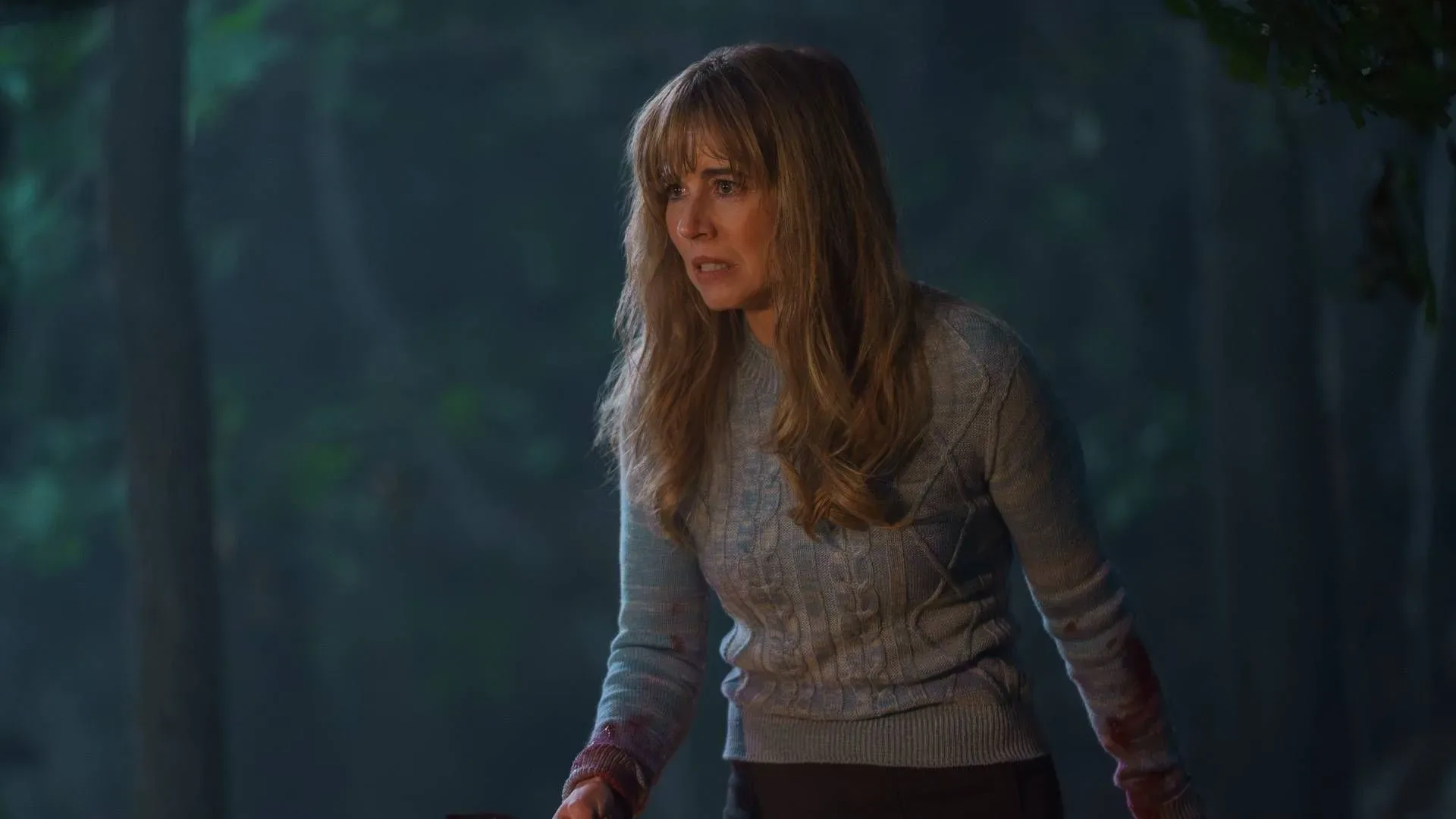
That is a useful lens for Crystal Lake’s premise. The show stars Linda Cardellini as Pamela Voorhees and follows her relationship with her son, Jason. After Jason is taken in a freak accident, Pamela’s grief develops into revenge and increasingly questionable actions. In that setup, the murder set pieces are not merely a checklist of slasher obligations. At least in intent, they are part of a story about a mother’s loss curdling into violence.
Character motivation is the emotional or narrative reason a person takes an action. In a slasher story, it can be the difference between a death scene functioning as pure spectacle and functioning as an expression of the killer’s rage, fear, grief, or warped sense of justice. That does not make the violence less graphic; it changes the dramatic context around it. Kane’s stated interest in linking kills to emotion suggests Crystal Lake is trying to make its splatter register as an extension of Pamela’s deterioration.
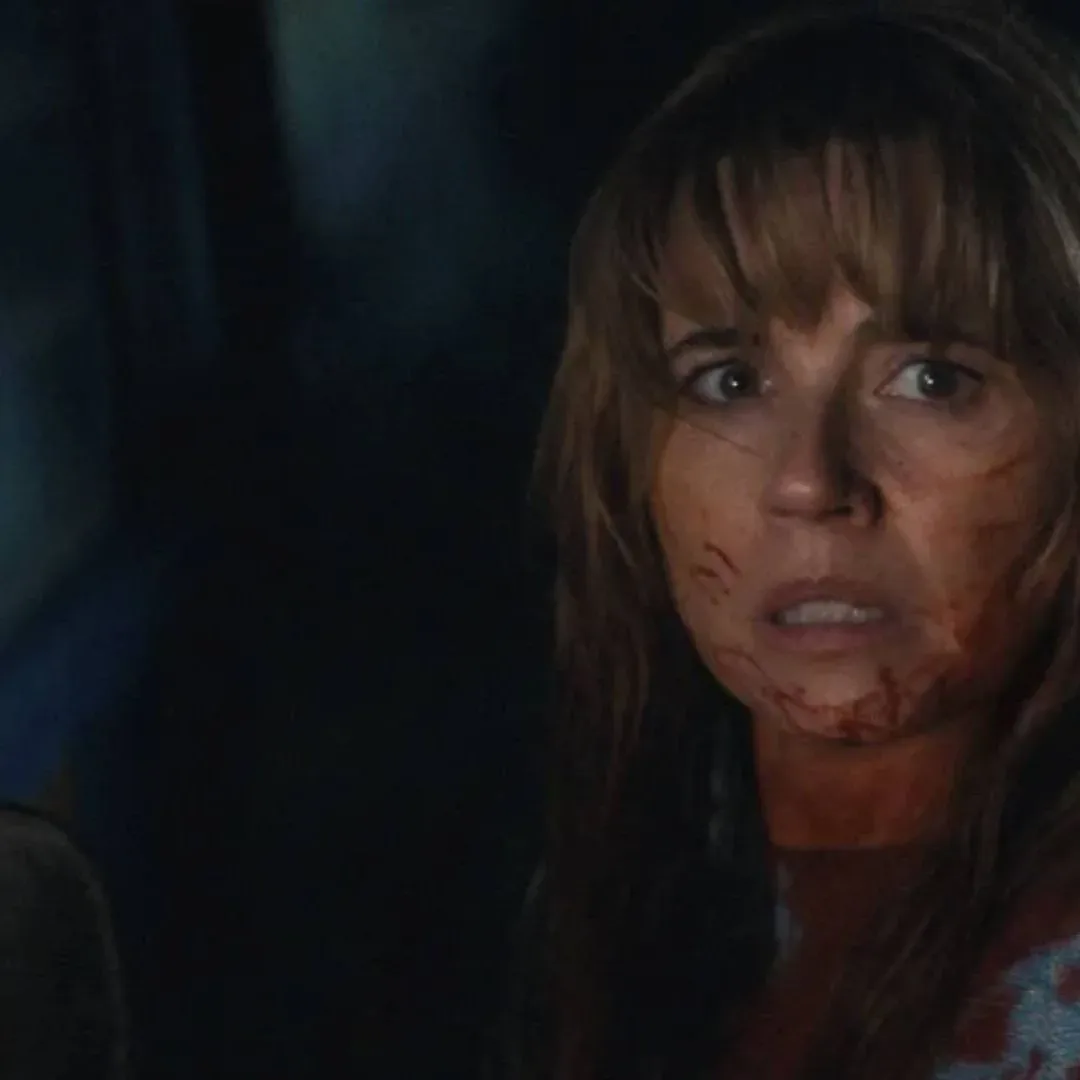
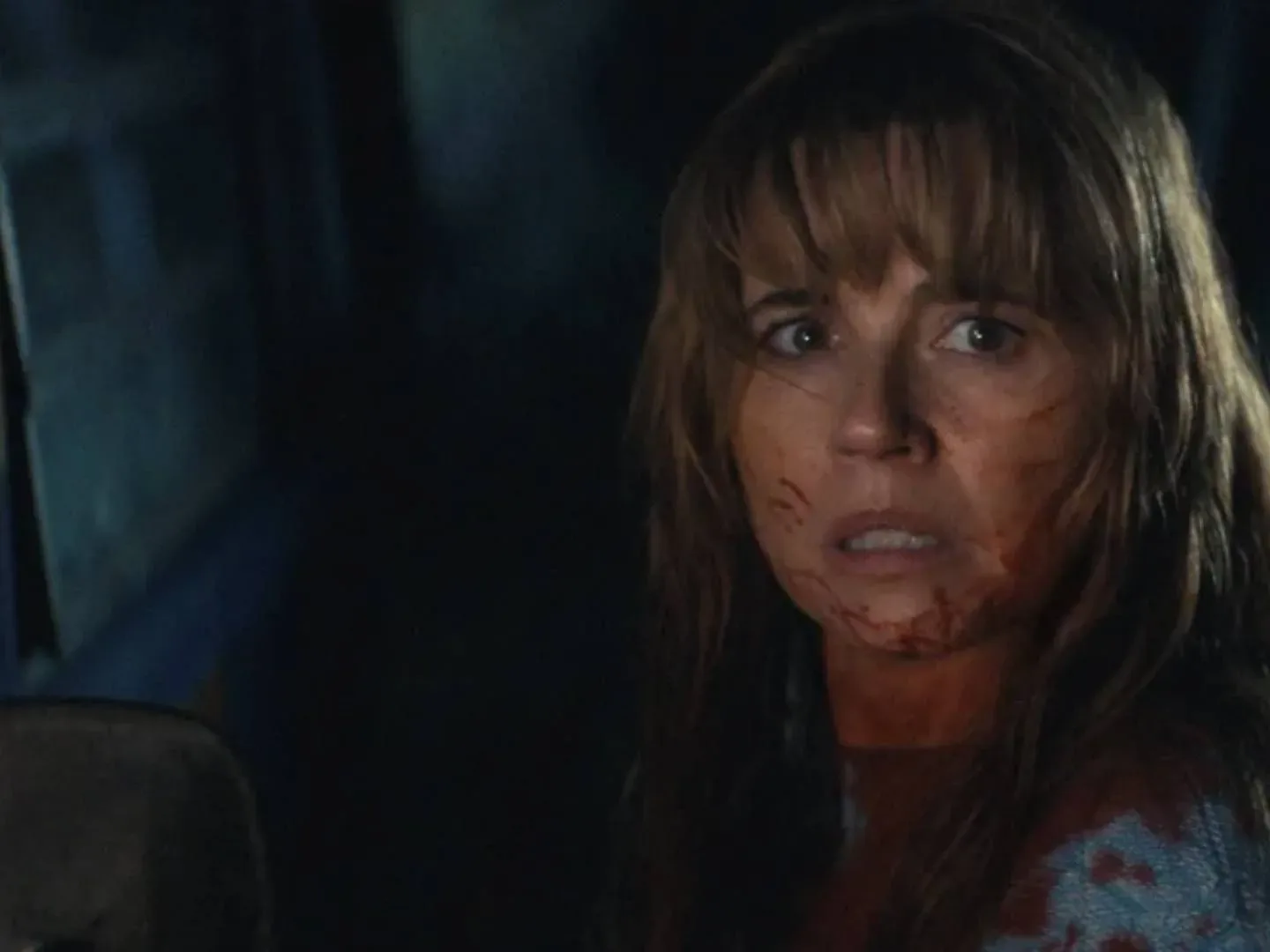
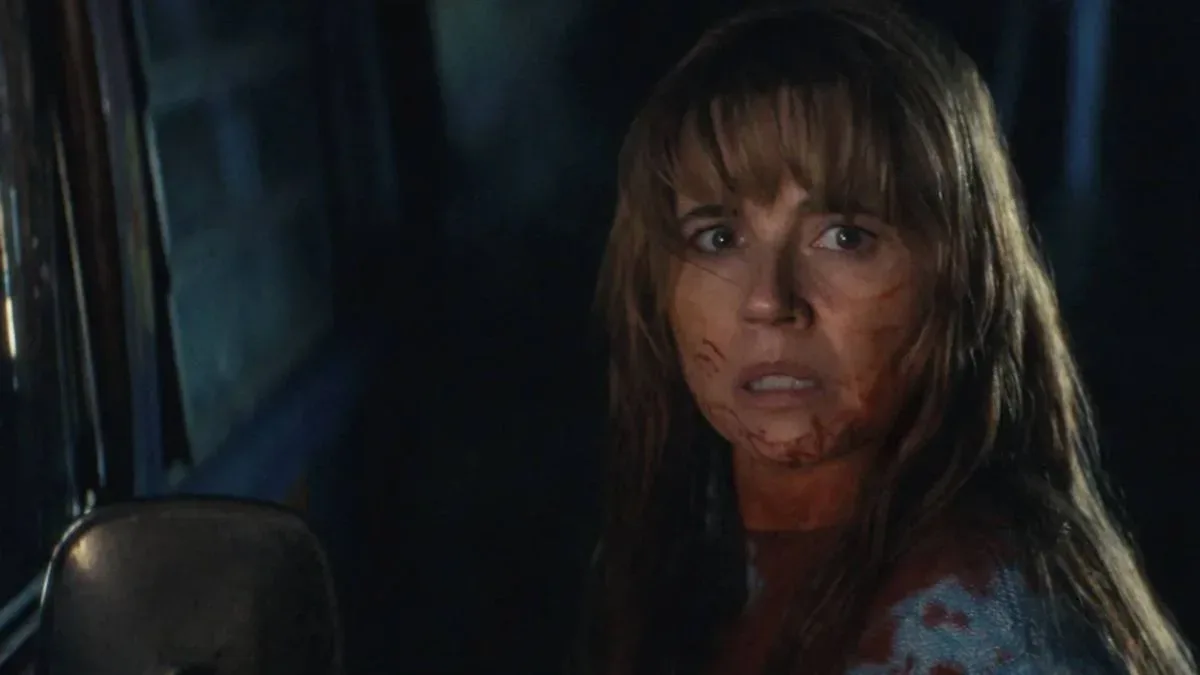
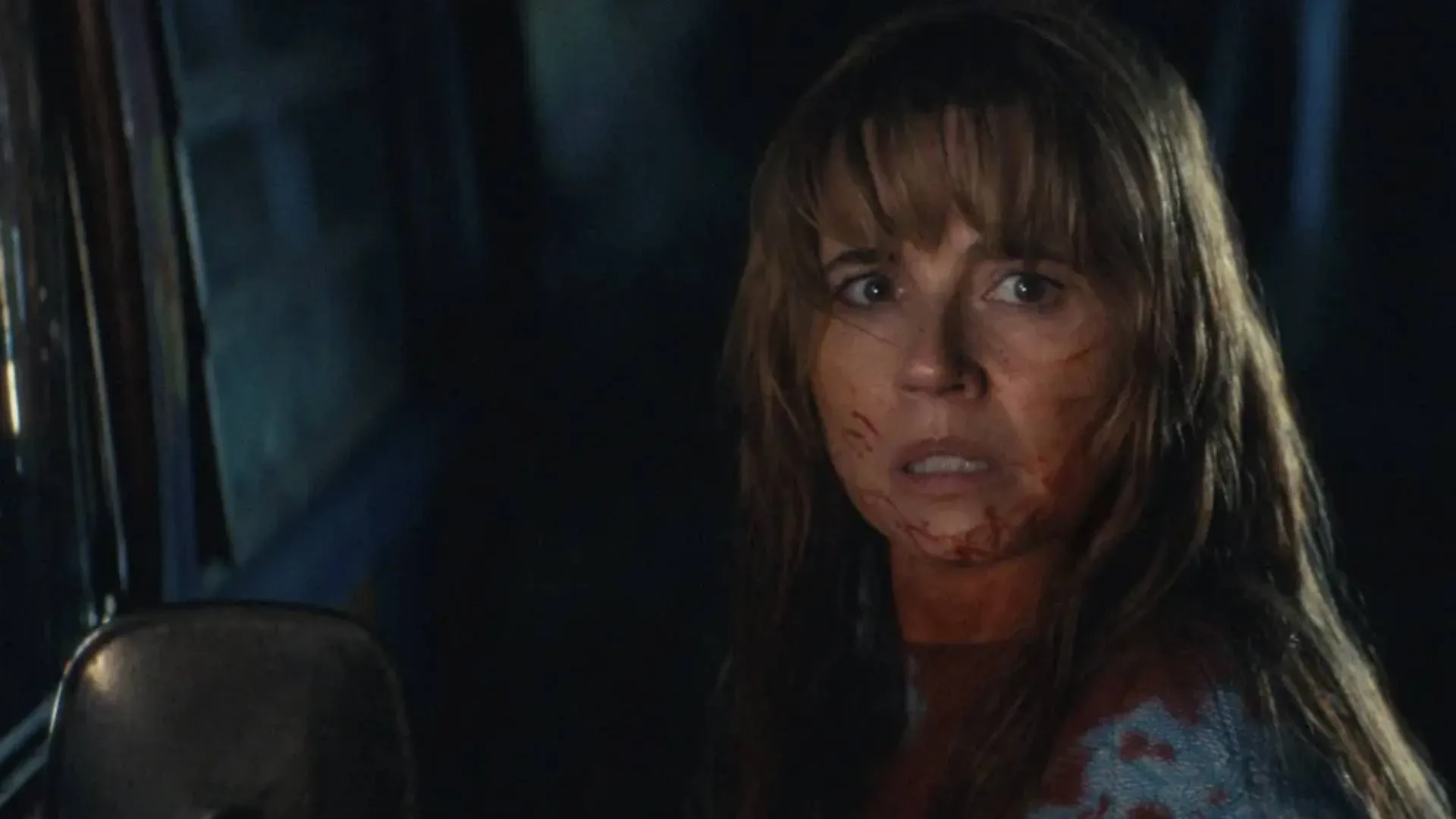
Cardellini identified the first scene in which viewers see Pamela covered in blood as her most personally gory material to film. That detail points to the way the show uses blood not only as an effect inflicted on victims, but as visual evidence of what Pamela has become. A character drenched in blood is an old horror image, but within a prequel centered on Pamela, it can also mark a narrative threshold: grief has stopped being private and has become action.
The Friday the 13th tradition, with one ingredient dialed back
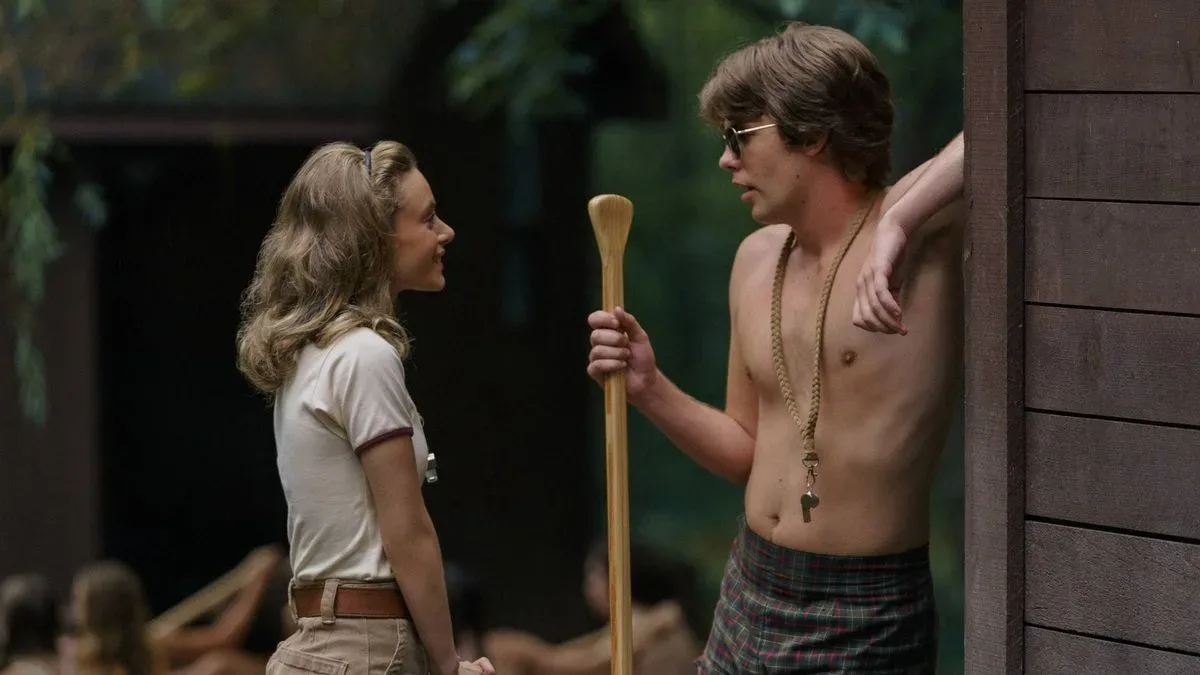
Crystal Lake is a prequel rather than a simple replay of an existing Friday the 13th entry. Its attention on Pamela and Jason places the family relationship at the center before the revenge plot fully takes over. But the series is still engaging with the franchise’s core visual language: camp-adjacent danger, sexually charged situations, sudden killings, and emphatic practical gore.
The meaningful adjustment is that sex and nudity are not being treated as the same thing. The supplied details indicate there are intimate scenes, some potentially awkward to play at full volume around other people, but without the more revealing imagery Kane says he sought. That allows the series to acknowledge the genre tradition without reproducing all of its presentation choices in identical form.
It is also worth separating Kane’s preference from a confirmed creative mandate. He says he tried to include more nudity and was overruled. That tells audiences there was an internal disagreement or limitation, but it does not establish who imposed it or why. Claims about a particular ratings rule, streaming policy, or corporate decision would go beyond what has been disclosed.
What a possible second season could bring
Kane already has ideas for new kills should Crystal Lake receive a second season. That is not confirmation that another season has been ordered, but it does indicate the showrunner is thinking beyond the current run and still sees the kill design as a major creative engine for the series.
For now, the show’s approach appears fairly clear. Crystal Lake is not abandoning the brutal side of Friday the 13th in favor of a bloodless character drama. Instead, it is filtering the franchise through a Pamela-centered tragedy while setting a firmer limit on explicit nudity than Kane would have preferred. The result is a revealing modern-horror compromise: less exposed skin, but no shortage of exposed viscera.
Crystal Lake is available on Peacock in the US, and on Sky and NOW in the UK. For another look at how television franchises are being planned beyond their initial runs, see Your Friendly Neighborhood Spider-Man’s expanding season plans.