Major spoilers for Crystal Lake, including its penultimate episode, follow.
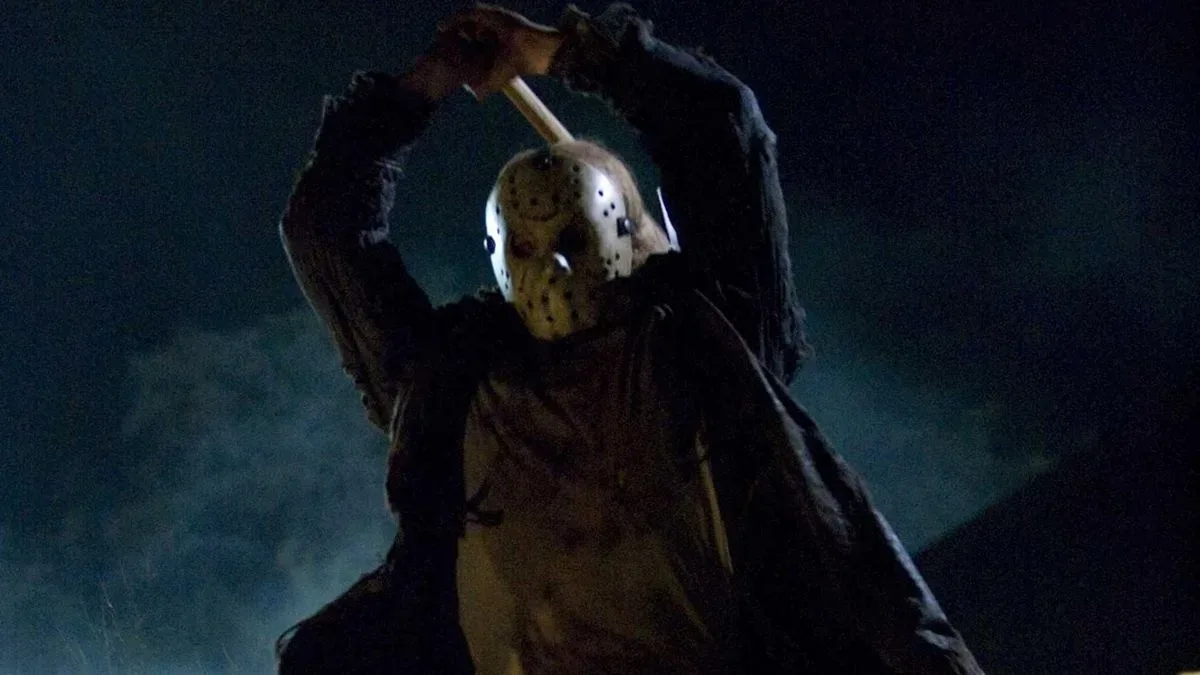
Crystal Lake is not merely filling in the years before the first Friday the 13th. The prequel series is rebuilding a foundational piece of Jason Voorhees’ story: why he looks the way he does, why his health is fragile as a child, and how the character could eventually become such an unnaturally durable threat.
In the series, Jason’s condition is connected to Bellflower, a specialist facility running fetal experiments under the name Project Argonaut. The program’s objective is horrifyingly direct: develop a human being able to withstand extreme conditions, including a nuclear blast. That makes Jason, in this version of the story, the product of an abusive military-minded experiment rather than a child whose physical condition exists separately from the eventual supernatural mythology.
It is a dramatic reframe, and creator Brad Caleb Kane does not present it as a minor patch to an otherwise airtight timeline. His case is that Friday the 13th has never had a single, perfectly consistent account of Jason’s early life to protect.
“The canon itself is pretty inconsistent and pretty wonky, and there was no real origin set in stone,” Kane said.
That perspective explains why Crystal Lake is willing to make a choice some longtime horror fans may see as a retcon. A retcon, short for “retroactive continuity,” is a later story changing, clarifying, or replacing the meaning of earlier material. It can be as small as adding missing context to an old scene, or as large as assigning an entirely new cause to a character’s defining trait. Project Argonaut lands much closer to the latter.
What Crystal Lake changes about Jason
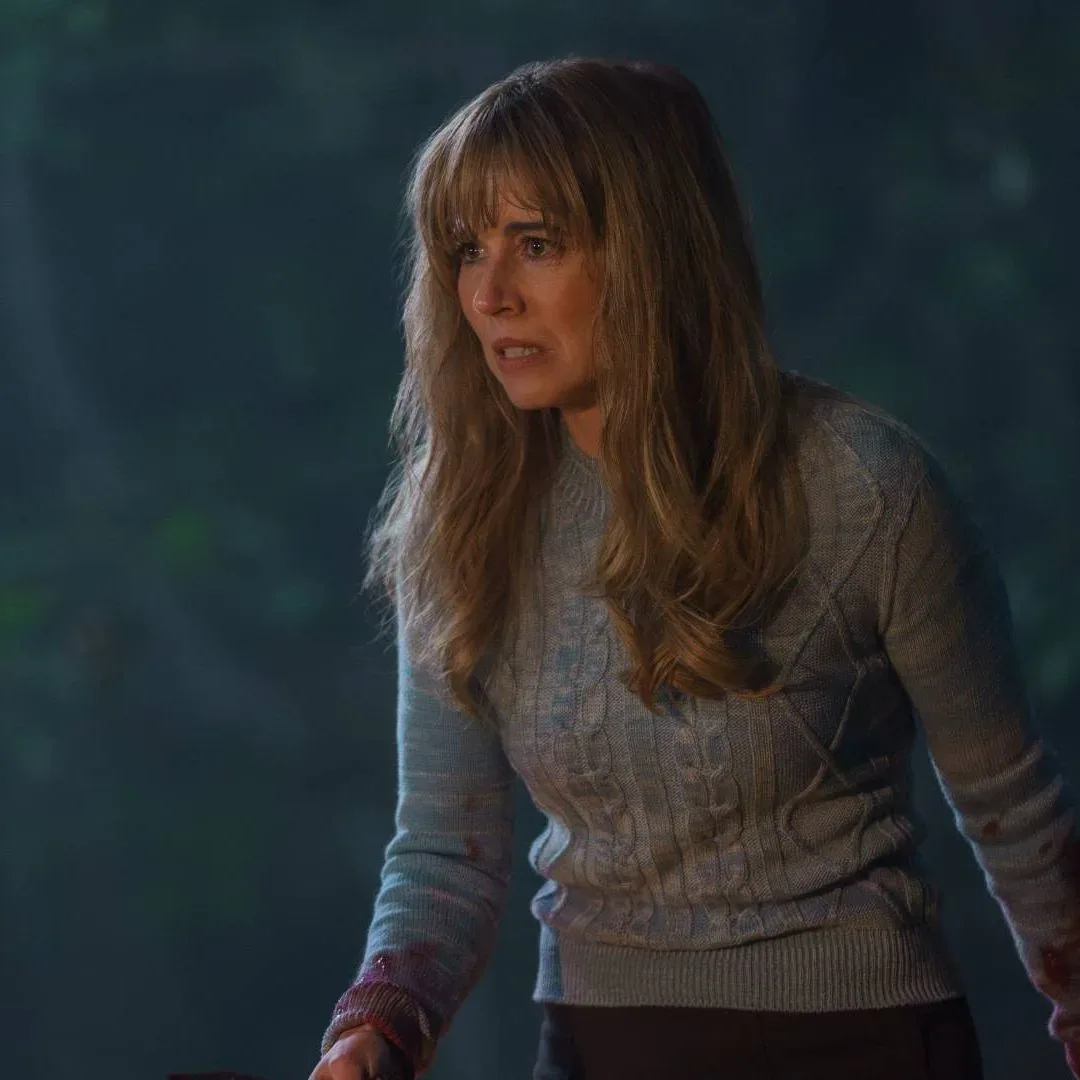
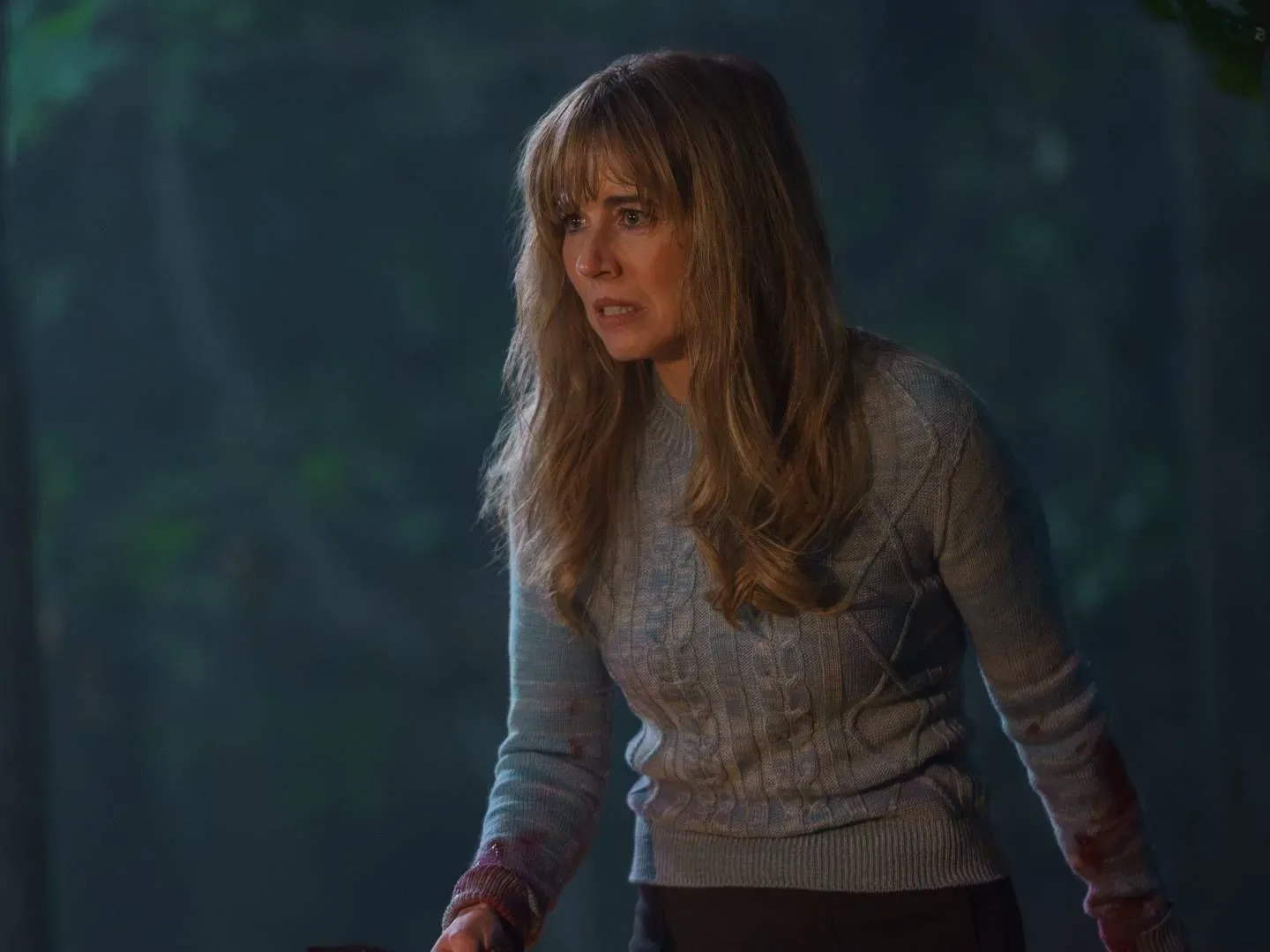
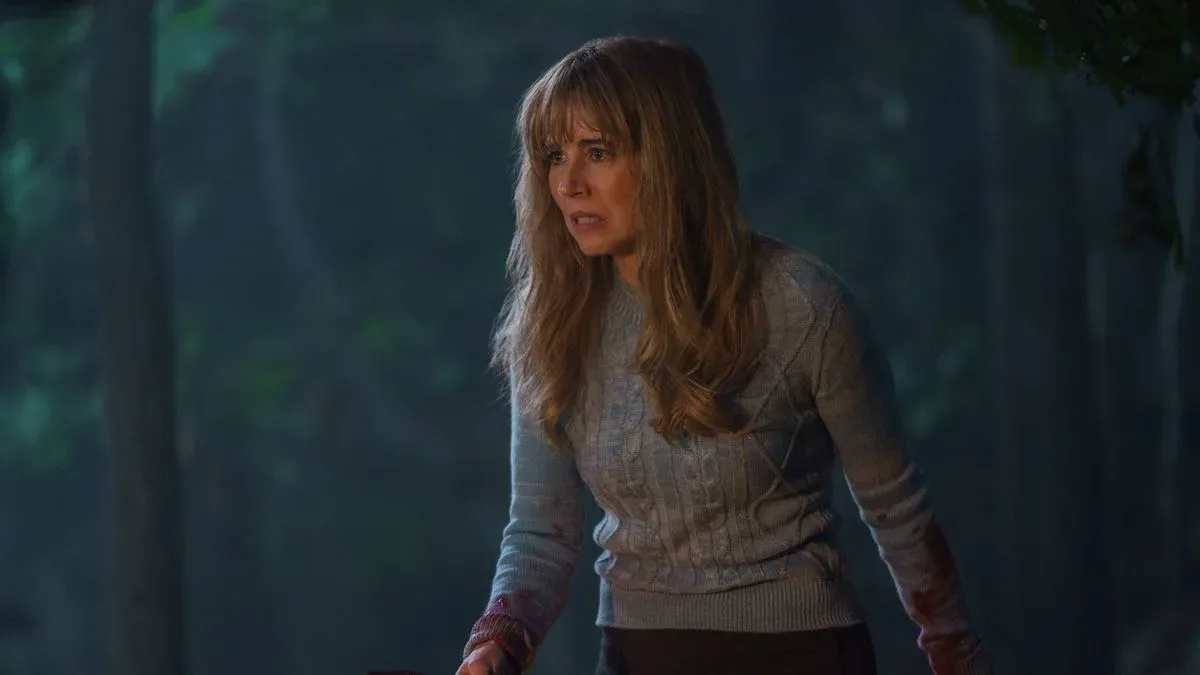
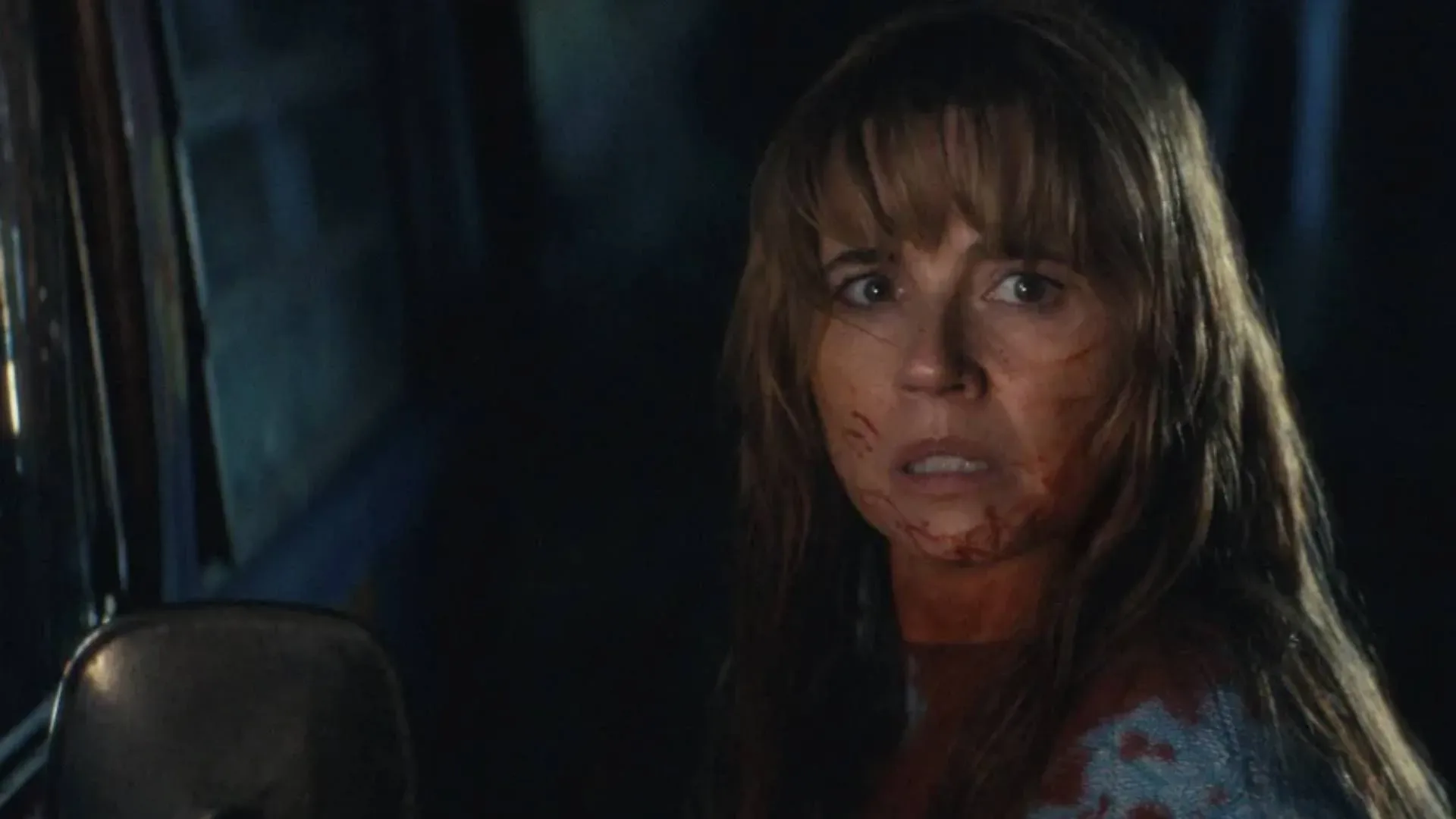
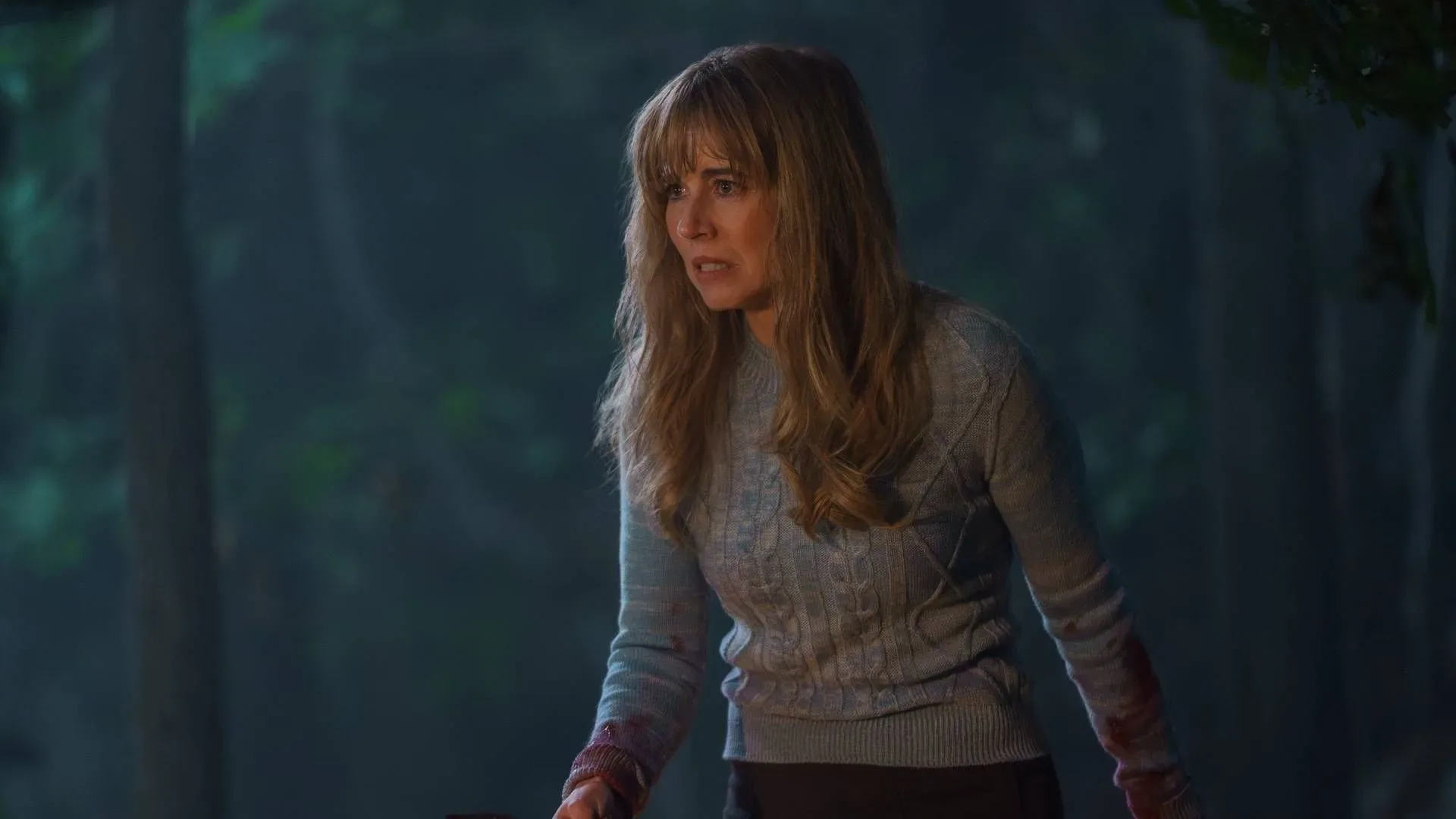
The show stars Linda Cardellini as Pamela Voorhees and centers the future killer’s mother before the events that made her synonymous with the original film. Pamela is raising a young Jason in a small town, while the series traces her worsening emotional state and the grim history shared by mother and son.
Its penultimate episode returns to the late 1950s, during the Nuclear Arms Race. After a near miscarriage, Pamela’s husband brings her to Bellflower. There, Project Argonaut conducts experimental trials on her fetus. Years later, Pamela learns that Bellflower has continued to experiment on Jason himself. The treatments are presented as the cause of his physical deformity and health problems.
Once Pamela understands that Jason is being treated as a prospective weapon, she gets him out of the facility. They flee to Crystal Lake in search of an ordinary life. But the past follows them: two Bellflower men arrive at their home, pushing the family toward the destructive course viewers associate with this corner of horror.
The important distinction is motive as much as mechanics. The series’ version does not frame Jason simply as an unknowable monster. It places him at the center of an institution’s cruelty and turns Pamela’s protectiveness into something tragically recognizable before it becomes murderous. The threat begins with people making a child into a project.
Why the earlier explanations leave room for a new one
In earlier Friday the 13th material, Jason’s deformity is associated with hydrocephalus. Hydrocephalus is a real medical condition involving a buildup of cerebrospinal fluid in the brain. It is important to separate that real condition from the franchise’s fictional use of it: the films’ later depictions of Jason’s extreme endurance and strength were not settled by that explanation.
That gap has mattered because Jason’s status changes across the franchise. At points, his abilities are loosely connected to surviving in the wilderness. Later entries take the character into explicitly supernatural territory. Meanwhile, a novelization connected with the second installment describes Jason’s inner life and a survival story involving his emergence from the lake and life in the woods. Kane’s point is that those pieces do not cleanly align with the movies’ time frame.
Rather than trying to force every existing account to fit, Crystal Lake treats the uncertainty as creative space. Kane described the mythology as malleable, saying there was room for invention because the continuity had not established one immovable origin.
That is a meaningful distinction for viewers deciding how to approach the series. It is not claiming that Jason’s laboratory history was always hiding in plain sight. It is offering a new answer to questions the previous stories answered differently—or left unanswered.
Project Argonaut shifts the horror genre machinery
The new backstory swaps one horror vocabulary for another. Classic camp-slasher mythology often works through local legend: a place acquires a terrible past, a family tragedy festers, and an apparently unstoppable figure becomes part of the landscape. Crystal Lake retains the family tragedy and the location, but adds conspiracy and body horror.
Body horror concerns fear around the physical body: its vulnerability, transformation, violation, or loss of autonomy. Jason’s body is not just different in the series; it has been deliberately altered by adults who see him as material for an experiment. The idea that a company is attempting to produce someone who can survive a nuclear blast also gives the story a Cold War-era anxiety consistent with its late-1950s setting.
The Frankenstein comparison fits this framework, though Jason is not simply a copy of that archetype. Frankenstein-style horror is often less about a creature being born evil than about a creator’s responsibility after treating life as a technical achievement. Here, Bellflower’s pursuit of a weaponized body gives Pamela a concrete enemy before her own choices turn her into a danger.
That shift could also make Jason’s later reputation more uneasy. The familiar image of the character is a powerful pursuer, but Crystal Lake begins with him as a sick child whose pain is exploited. The series does not erase the violence linked with the Voorhees name; it changes the route into it.
Canon inconsistency is not the same as no continuity
“Canon” is the body of stories treated as officially connected within a fictional world. Fans often use the word as if it means every detail must fit with mathematical precision. Long-running franchises rarely operate that cleanly, especially when different films, books, and later sequels offer competing explanations.
Still, inconsistency does not mean viewers have no reason to care about continuity. Continuity creates stakes: it tells audiences what the characters remember, what events shape them, and which rules can be trusted. The challenge for a prequel that revises history is not simply permission to change something. It is whether the new version gives the change emotional and dramatic purpose.
Crystal Lake appears to build that purpose around Pamela. Her escape with Jason from Bellflower, and the men who later come looking for them, turn her from a figure with a known violent destination into a mother responding to an institutional assault on her son. That does not excuse the killer she becomes in the first film’s chronology. It does, however, make the story interested in the path rather than just the endpoint.
For Jason, the practical effect is an attempted unification of traits that prior stories treated separately: illness and deformity on one side, astonishing physical resilience on the other. Project Argonaut gives the show one origin for both. Whether that answer feels more satisfying than ambiguity will likely depend on whether a viewer wants Jason to remain a largely unexplained campfire nightmare or welcomes a science-fiction-inflected tragedy.
What fans should take from the revision
There are two reasonable ways to read the new material. The first is as a direct replacement for previous origins within the show’s version of the mythology. The second is as a new continuity lens: a self-contained prequel interpretation using the broadest elements of Jason and Pamela’s history while reshaping the details around them.
Kane’s comments lean toward the second reading. He is not arguing that every former telling secretly confirms Bellflower. He is arguing that past material contains contradictions substantial enough that the story can be reworked. That is an honest framing for a franchise with shifting accounts of Jason’s survival, strength, and supernatural nature.
It also establishes a useful expectation for the show going forward. The question is less “Which old line does this exactly preserve?” and more “What does this new explanation do for Pamela and Jason?” In Crystal Lake, the answer is a horror story about experimentation, maternal protection, and the consequences of treating a vulnerable child as military property.
The series is currently available on Peacock in the US. It arrives on Sky and NOW in the UK on October 19. Horror viewers looking at other evolving genre franchises can also see how future-facing mythmaking works in this look at a mid-credits tease that positions a familiar character for a possible sequel.