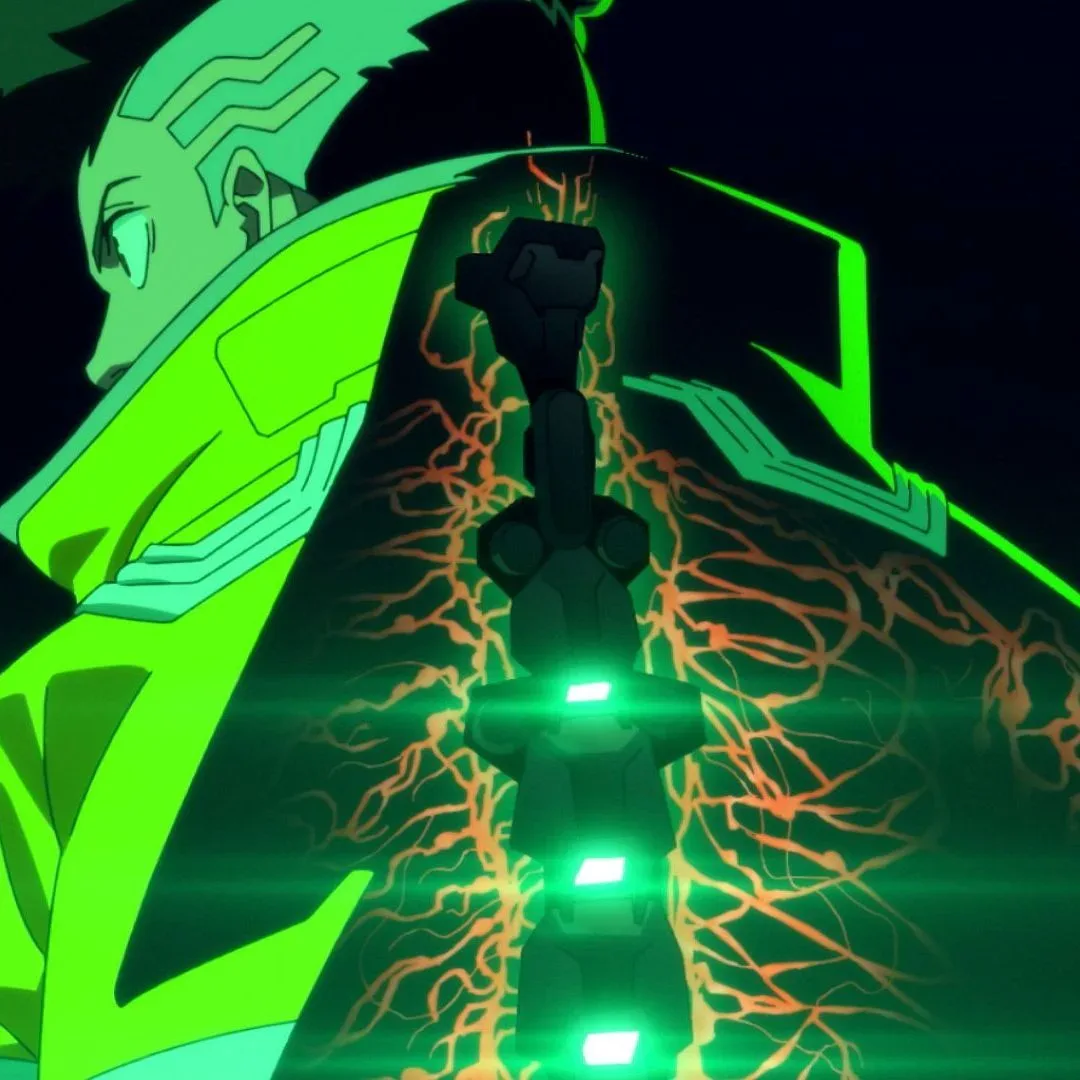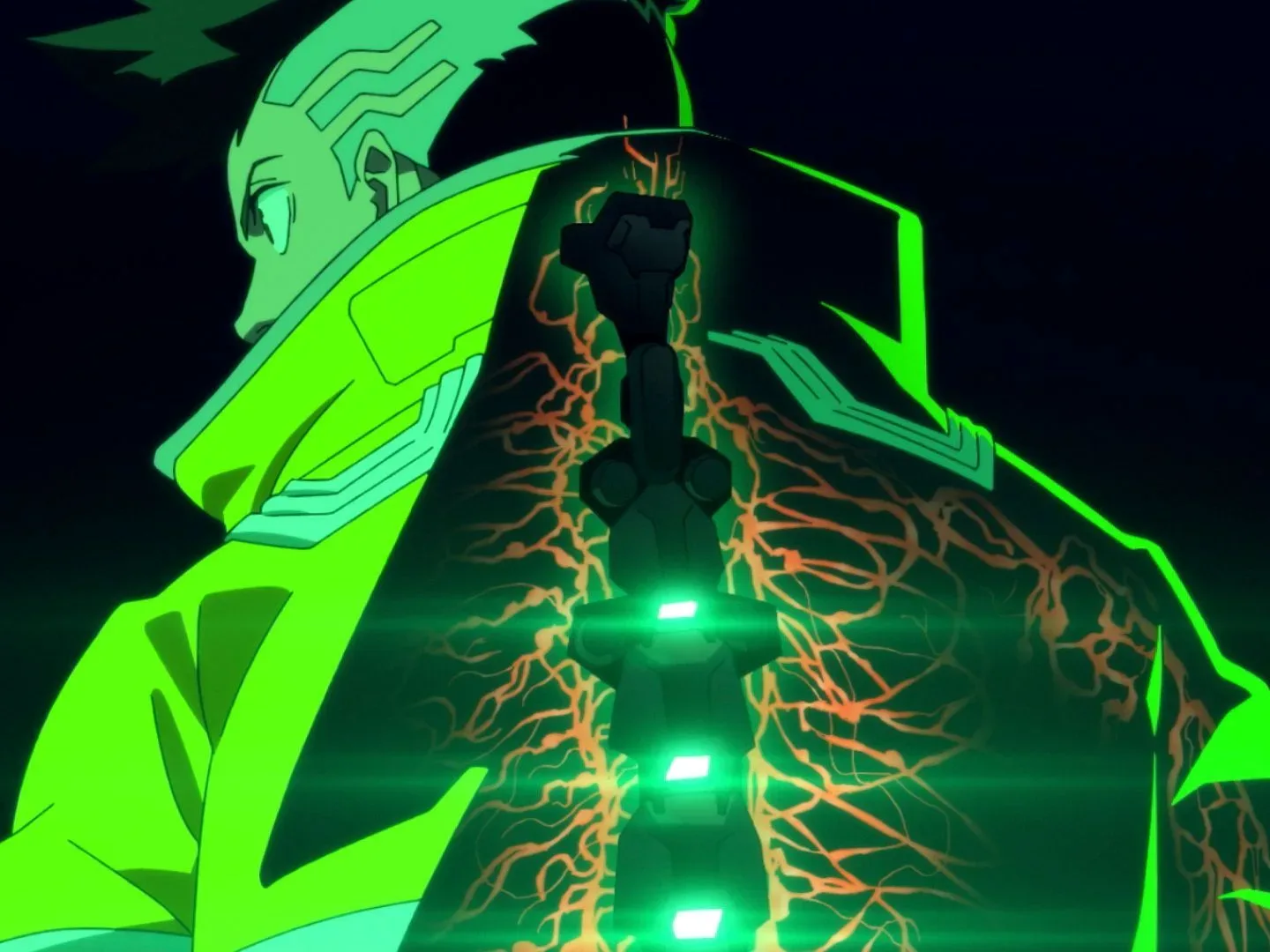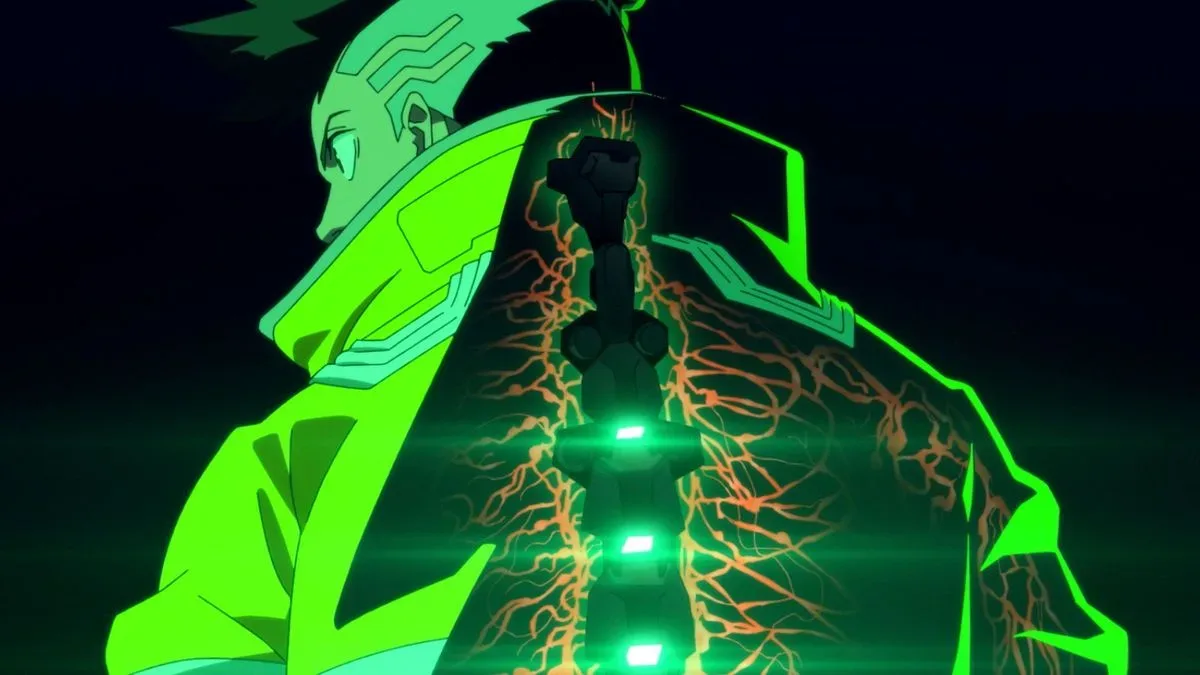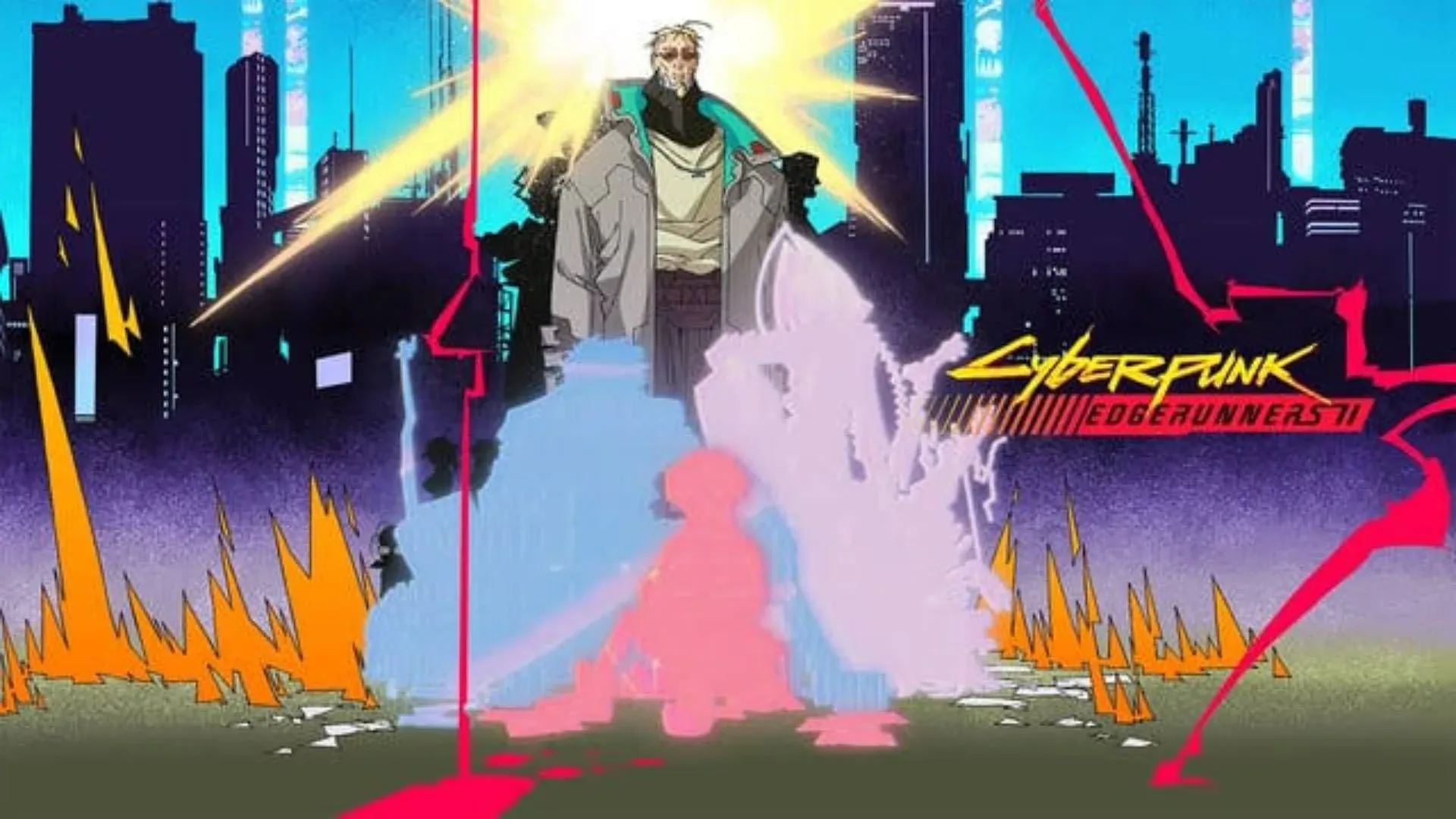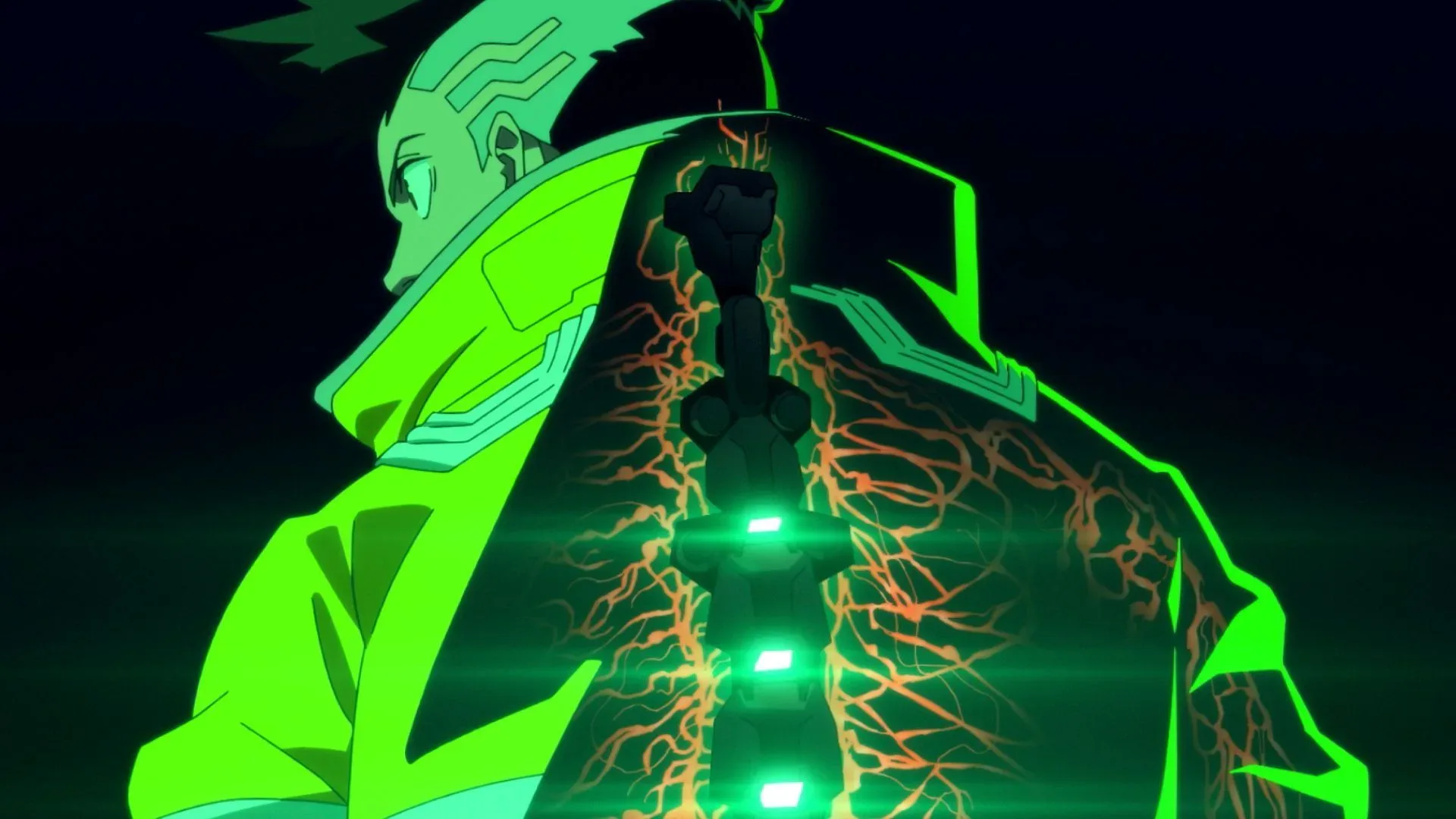
Cyberpunk: Edgerunners season 2 is not bringing David back. That choice is plainly intentional, not an evasive bit of sequel marketing. Creator and showrunner Bartosz Sztybor has said he receives dozens of daily messages asking for David’s return, but believes delivering precisely that request would leave viewers disappointed.
The second season instead moves to a new group of people in Night City: the fading edgerunner Weak Kingsley, camera-focused Roman, nomad D., and chrome-infused Talia. For a series whose first run centered on David and a crew that was largely killed off, it is a significant creative break. It also means the new season is not treating the first season’s emotional ending as a loose thread waiting to be untied.
Season 2 begins streaming on Netflix on October 20. Early reactions have been overwhelmingly positive, though the larger audience will ultimately determine whether this very different approach lands as strongly as its predecessor.
Why David’s return is not the plan
Sztybor’s argument is less about pretending there is no affection for David and more about distinguishing audience attachment from what a follow-up actually needs. Fans can sincerely want more time with a character while still being let down by a continuation that weakens the ending which made that character resonate in the first place.
David died at the end of the first season, alongside most of his crew. That fact gives the new season a firm narrative boundary. Reversing it would not simply add a popular face to the cast; it would fundamentally alter the meaning of an ending that was presented as tragic and final.
Sztybor has characterized the pressure as real, saying the volume of direct messages has been enough to weigh on him. Yet he has remained committed to making season 2 something different in order to stay true to the broader Cyberpunk property. In short, the project is choosing a new story in the same world rather than a revival of the previous one.
“Even if the whole audience wants David back,” Sztybor said, “they would probably be disappointed” if they got that.
That is a risky position, but it is a coherent one. Sequels often confuse familiarity with dramatic momentum. Returning a character can create an immediate burst of recognition, but recognition alone does not answer the harder questions: what has changed, what is at stake, and why should an ending that already had impact be reopened?
Related coverage includes Cyberpunk: Edgerunners Season 2 Won't Bring David Back, Creator Says.
A clean break, not a reset
A clean break does not mean season 2 is abandoning Night City or the series’ identity. The setting remains the chrome-lined city at the heart of Edgerunners, and the new central cast still points toward its dangerous social strata. “Edgerunner” is the term used for the world’s high-risk outsiders and operators; the label itself suggests people living close to the edge of survival, status, and sanity.
The character descriptions offer a compact indication of the different perspectives season 2 can bring. Weak Kingsley is described as a fading edgerunner, placing decline and reputation at the center of at least one character’s premise. Roman is camera-obsessed, a trait that could make observation, documentation, or image-making part of his role, though no further plot details have been established. D. is a nomad, identifying the character with a distinct way of life within the setting. Talia is chrome-infused, with “chrome” referring to cybernetic augmentation.
Those labels are not a substitute for a full plot synopsis, and they should not be treated as one. What they do establish is a quartet built from different personal conditions rather than replicas of the first season’s group. The series is setting out to introduce new people shaped by the same harsh city, not recast David’s dynamics under new names.
What “different” can mean here
Sztybor has said that viewers who fell in love with the first season will be surprised by how different the new one is. He has also said the decision has given him “nightmares,” an unusually candid acknowledgment that originality can be more stressful than simply repeating an established formula.
That does not confirm any specific shift in genre, structure, tone, plot outcome, or visual technique. No such details have been provided. But the statement does set expectations correctly: the creative team wants the audience to meet season 2 on its own terms, rather than approach it as David’s story with the serial number filed off.
Studio Trigger’s involvement has helped reinforce that direction, according to Sztybor. He described the partnership as a shared “rebel approach.” In practical terms, that describes a willingness to resist the safest fan-service option even when it comes with an obvious built-in audience.
The practical implication for returning viewers
Fans revisiting the first season before October 20 may be best served by viewing it as a complete story, not required homework for a direct continuation. Its emotional impact does not need to be suspended in anticipation of David’s return, because the people making season 2 are explicitly declining that route.
That can be useful framing for newcomers, too. The new season’s fresh protagonists suggest that familiarity with David’s crew is not the sole entry point. At the same time, the common Night City setting means the sequel remains connected by world and atmosphere even as it changes its cast.
- David is not returning: the creative team is standing by the finality of his first-season fate.
- The setting remains Night City: continuity comes through the world, rather than through the old crew.
- Four new leads take focus: Weak Kingsley, Roman, D., and Talia form the season 2 core.
- Expect a deliberate change: Sztybor has emphasized that the sequel is meant to surprise first-season fans.
- Early impressions are positive: initial reactions suggest the new direction has made a strong first impression, but they are not a replacement for broad audience response.
Why this choice matters beyond one character
There is an important distinction between continuation and preservation. A continuation expands a story by finding a new reason to exist. Preservation protects what worked before, sometimes by refusing to disturb it. Cyberpunk: Edgerunners season 2 appears to be attempting both: carrying Night City forward while preserving the weight of David’s ending.
That balance is especially relevant for an anthology-like model, where a shared setting can support multiple stories without requiring a single hero to shoulder every installment. The advantage is creative freedom: new characters can reveal different corners of a city and confront different pressures. The trade-off is that viewers must form fresh attachments rather than relying on existing ones.
Whether Weak, Roman, D., and Talia earn that investment is the question season 2 must answer. The production cannot rely on a David comeback to do the emotional work for it. It has to make its own crew compelling, give its own conflicts consequence, and show why this particular Night City story needed to be told.
That is precisely why Sztybor’s refusal is notable. He is not dismissing the affection audiences have for David. He is arguing that affection deserves better than a return engineered merely because people asked for one. In an era where familiar characters are often treated as the most reliable way to sell another chapter, that is a meaningful creative line to hold.
For viewers looking for another Netflix story beyond Night City, Netflix’s upcoming Untold entry is also on the service’s slate, albeit in a very different format and subject area.
Cyberpunk: Edgerunners season 2 arrives October 20 with the difficult task of following a beloved season while refusing to duplicate it. David’s absence is not an accidental gap. It is the foundation of the sequel’s wager: that Night City is large enough, cruel enough, and strange enough to make audiences care about someone new.