IDW’s connected Godzilla comics are heading for their first full-scale collision. Godzilla Versus Everything, a four-issue miniseries due to begin in March 2027, will bring together the casts and story threads of the Kai-Sei Universe’s principal books: Godzilla, Starship Godzilla, Deadzone, and The Horror of Godzilla.
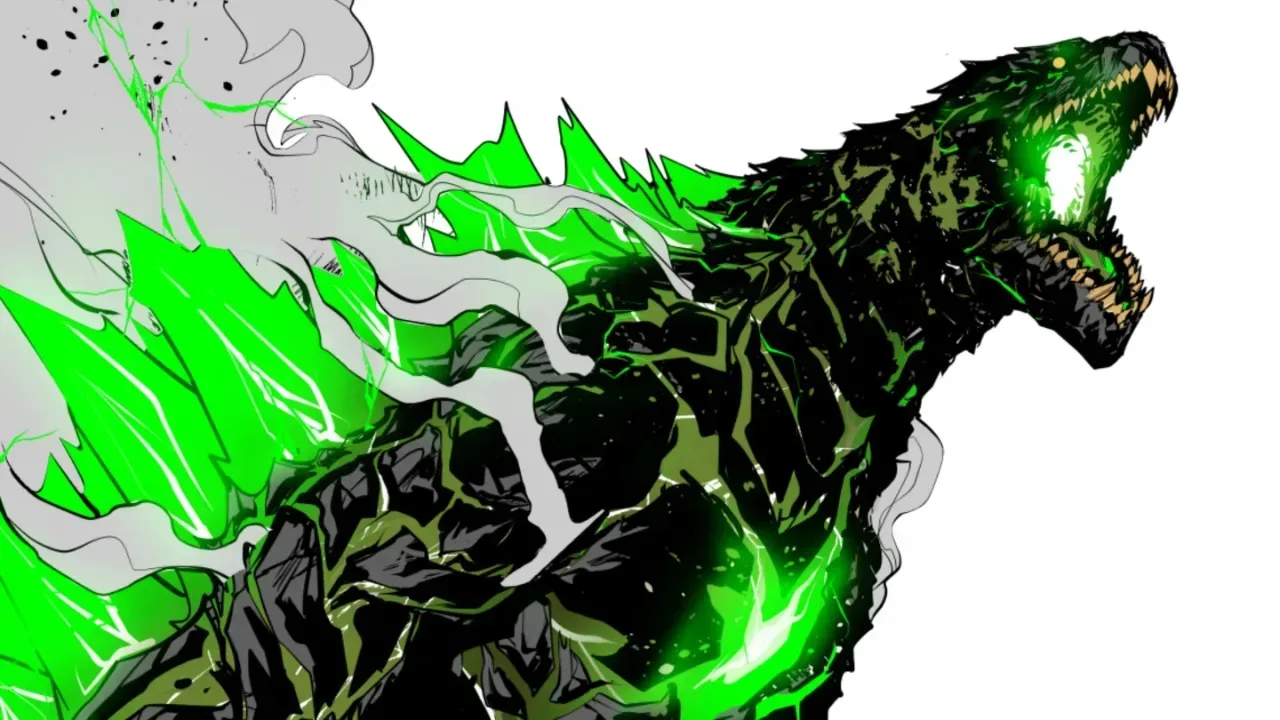
The central threat is as direct as the title promises. Godzilla will attain a new, described-as-most-powerful form and turn toward destroying the world. The event’s premise puts the connected line’s human characters, kaiju, and forces from beyond Earth into a shared fight to stop the King of the Monsters.
Tim Seeley is writing the crossover, with Fero Pe on art. That makes the book both a major payoff for the Kai-Sei setting and a potential entry point for readers who have waited to see how its separately named series actually fit together.
A crossover built into the line’s design
The Kai-Sei Universe launched in 2025 as a connected Godzilla comics initiative rather than a single isolated title. A shared-universe comic line can let individual books use different settings, tones, and casts while advancing a larger continuity in the background. In practical terms, that means a space-oriented premise such as Starship Godzilla can exist beside the more ominously titled The Horror of Godzilla and still contribute to one eventual conflict.
Godzilla Versus Everything is positioned as the point where that long-range approach becomes explicit. Seeley has said the initial plan with editor Jake Williams was to build not only a collection of titles, but a universe of characters who could eventually meet as allies, opponents, or both. His description frames the miniseries as the result of meticulous plotting by the wider creative group, rather than a crossover bolted on after the books had begun.
That distinction matters for a comic event. “Crossover” can mean several things: sometimes it is simply a story where characters from different books appear together; other times it is the narrative hinge of a shared setting, with prior issues establishing motivations, dangers, or relationships that become crucial later. The available setup indicates that Godzilla Versus Everything is intended to be the latter. The Kai-Sei books have been building toward the moment, and the event will assemble their casts against a threat too large for one title’s corner of the universe.
What is known about the story
The confirmed premise is not subtle: Godzilla has reached a heightened form of power, and humanity’s survival is at stake. The official setup also refers to the combined forces of Earth “and beyond,” an important phrase given the presence of Starship Godzilla in the crossover lineup. It suggests that the response will not be limited to one city, country, or group of characters.
Beyond that, readers should be careful not to treat the event title as a literal roster announcement. There is no confirmed list of every monster, supporting character, setting, or matchup in the four issues. Nor has a final outcome been disclosed. The most solid expectation is a multi-series alliance, not a confirmed checklist of cameos.
Related coverage includes Godzilla Versus Everything Brings Kai-Sei Comics Together in 2027.
Still, the premise establishes a clear escalation. Godzilla stories can place the monster in many roles: disaster, defender, force of nature, target, or antagonist. Here, Godzilla is explicitly the existential danger. The line is raising its own stakes by making the character’s latest transformation a worldwide crisis, then asking whether the assembled protagonists have any plausible answer to it.
“The goal was they’d all come together at some point as friends and/or enemies in a proper comic universe event title,” Seeley said of the Kai-Sei plan.
That language leaves room for friction within the resistance, too. A united cast does not necessarily mean uncomplicated cooperation. It is a useful foundation for an event comic because the monster-scale threat supplies the external pressure, while characters with different priorities can create the internal drama.
The schedule: where the lead-in begins
The path toward the crossover starts before 2027. The buildup begins with Starship Godzilla: Invasion X #1, Godzilla: Revenge of the Deadzone #1, and Godzilla #13, all identified as the opening steps toward the event.
Then, in March 2027, Godzilla #17 will serve as a lead-in and conclude that ongoing series. Godzilla Versus Everything #1 follows as the first chapter of the four-issue crossover.
For readers trying to decide how much homework is necessary, the announcement gives a sensible priority order without confirming any mandatory-reading list. The three named buildup issues are the clearest early markers. Godzilla #17 is especially notable because it is both the direct March lead-in and the final issue of the flagship series. From there, the miniseries is the core event itself.
That does not automatically mean every preceding issue of each title is required. Connected comics often aim to reward longtime readers with added context while structuring the event’s opening to establish its immediate conflict. Since no issue-by-issue reading order or tie-in slate has been specified, the safest approach is to regard the named lead-ins as recommended story markers and avoid assuming more than has been confirmed.
Confirmed reading landmarks
- Starship Godzilla: Invasion X #1 — part of the buildup.
- Godzilla: Revenge of the Deadzone #1 — part of the buildup.
- Godzilla #13 — part of the buildup.
- Godzilla #17 — March 2027 lead-in and the final issue of the ongoing series.
- Godzilla Versus Everything #1 — launches the four-issue event in March 2027.
Why the four-issue format is significant
A miniseries is a comic with a planned, finite number of issues. In this case, four issues gives the crossover a defined span instead of turning it into an open-ended replacement for the individual Kai-Sei titles. That is a practical fit for a line-wide event: the story can deliver its central confrontation in one numbered series while the component books retain their own identities before and, potentially, after the crisis.
It also puts pressure on the storytelling. Four issues is enough room to establish the transformed Godzilla threat, gather a dispersed ensemble, explain the scale of the danger, and stage a resolution—but it is not an invitation to linger indefinitely. The result should be a concentrated blockbuster structure, especially since the crossover is being sold as the culmination of material seeded across multiple books.
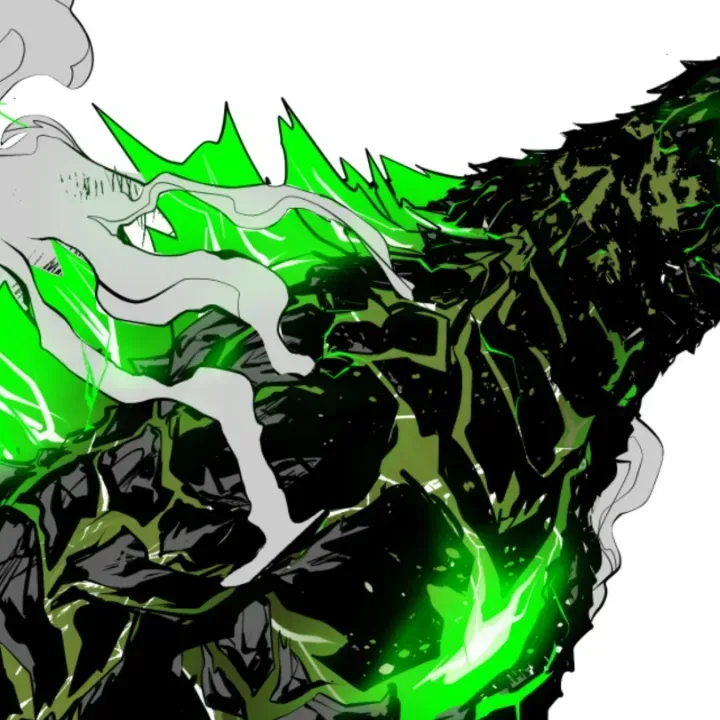
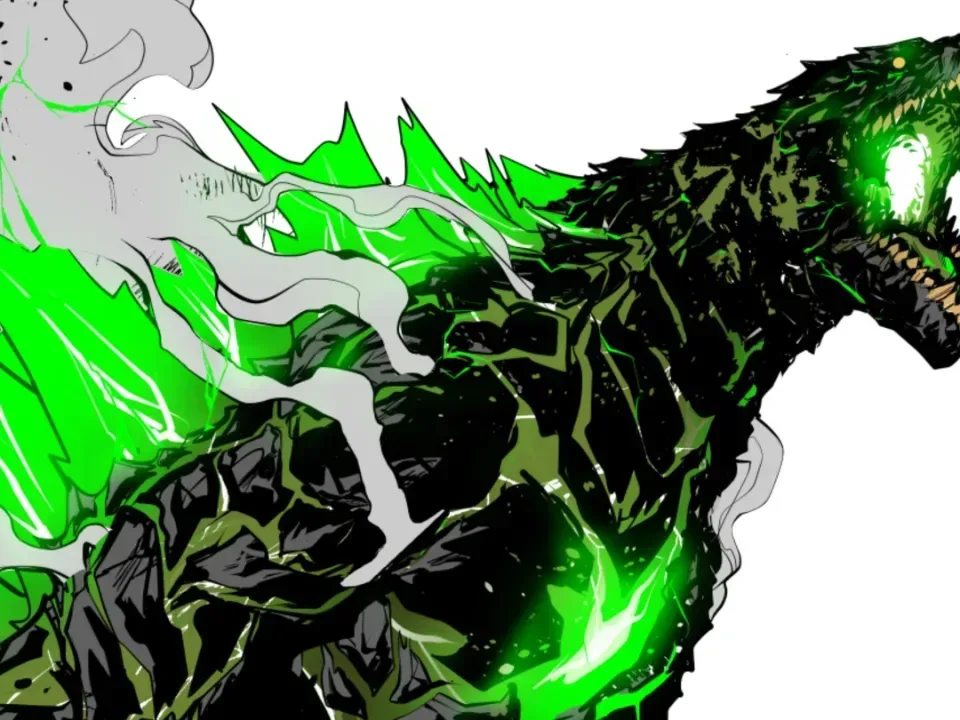
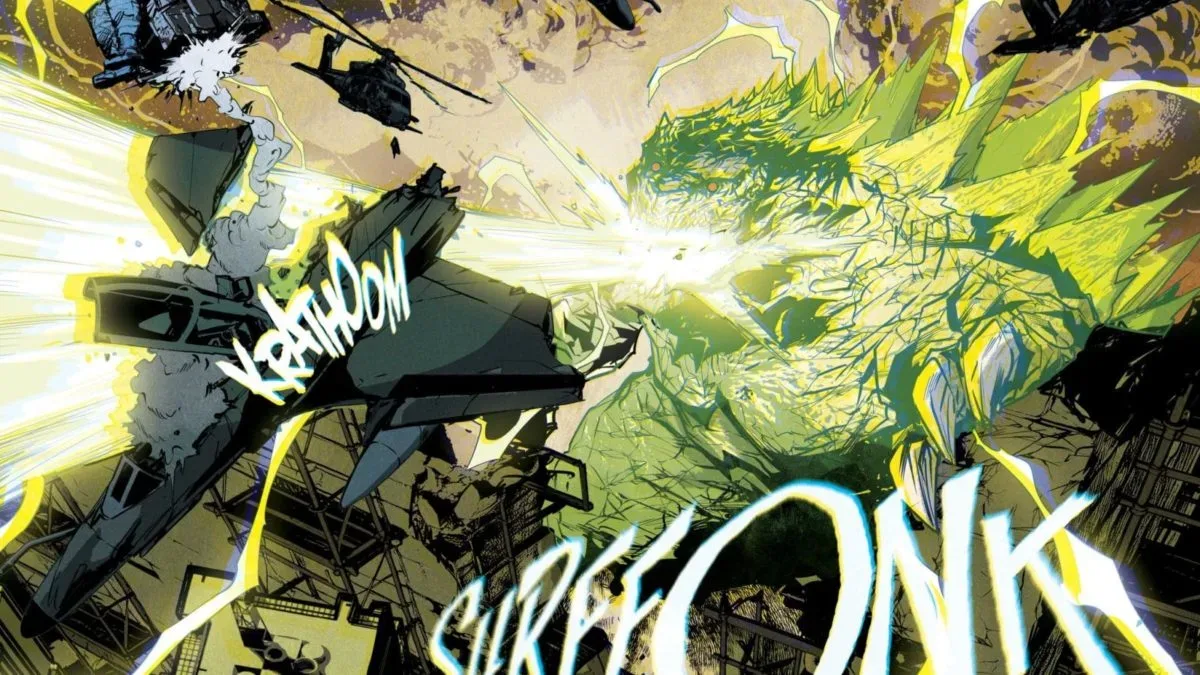
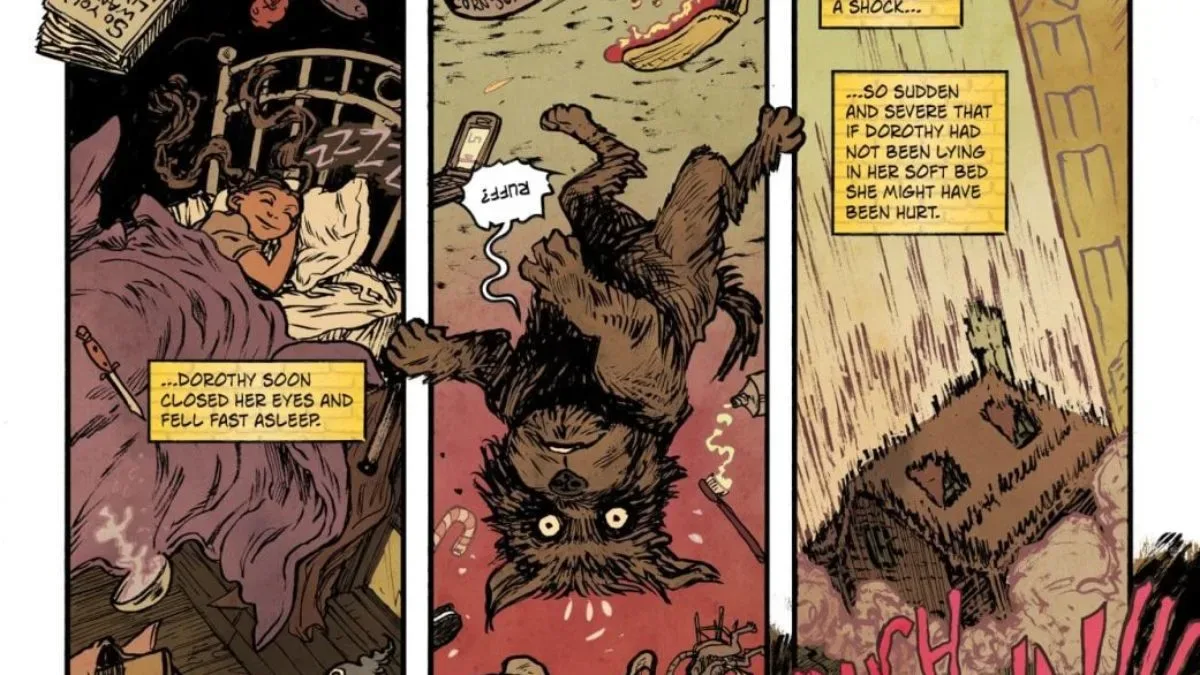
The creative pairing provides another point of focus. Seeley’s comments stress the event’s character-universe ambition, while Pe’s art will be responsible for turning that sweeping premise into readable comic-book action. The supplied preview art is credited separately to Pablo Tunica and Hendry Prasetya, so readers should not confuse those promotional pieces with confirmation that either artist is drawing the four-issue miniseries. The announced interior artist is Fero Pe.
What it means for Godzilla comic readers
The announcement is primarily a commitment to consequence. By ending Godzilla with an event lead-in and tying the crossover to three other active corners of the universe, the Kai-Sei line is signaling that its books are meant to be read as parts of a living continuity, not merely as unrelated uses of the same monster license.
For established readers, that offers the promised payoff: characters and situations that have developed in separate titles finally enter the same arena. For newcomers, a four-part event with a plainly stated threat can be easier to identify than a larger, ongoing line—provided they understand that some relationships and prior developments may have begun elsewhere.
There is also a tonal draw in the series list itself. A crossover that joins a flagship Godzilla title with a space-facing Starship Godzilla, a Deadzone storyline, and a horror-branded series has room to be broad without losing the franchise’s fundamental appeal: giant monsters, human vulnerability, and impossible-scale destruction. Readers interested in the horror end of that spectrum may also find our Hellraiser: Revival story and lore primer useful as a separate look at horror fiction’s monster mythology.
For now, the key facts are firm: Godzilla Versus Everything is a four-issue Kai-Sei Universe crossover, written by Tim Seeley and illustrated by Fero Pe; it begins in March 2027; and its setup sees Godzilla in a new peak form with the world in the balance. Exactly how the separate series’ casts converge—and whether they can stop him—remains the event’s main unanswered question.