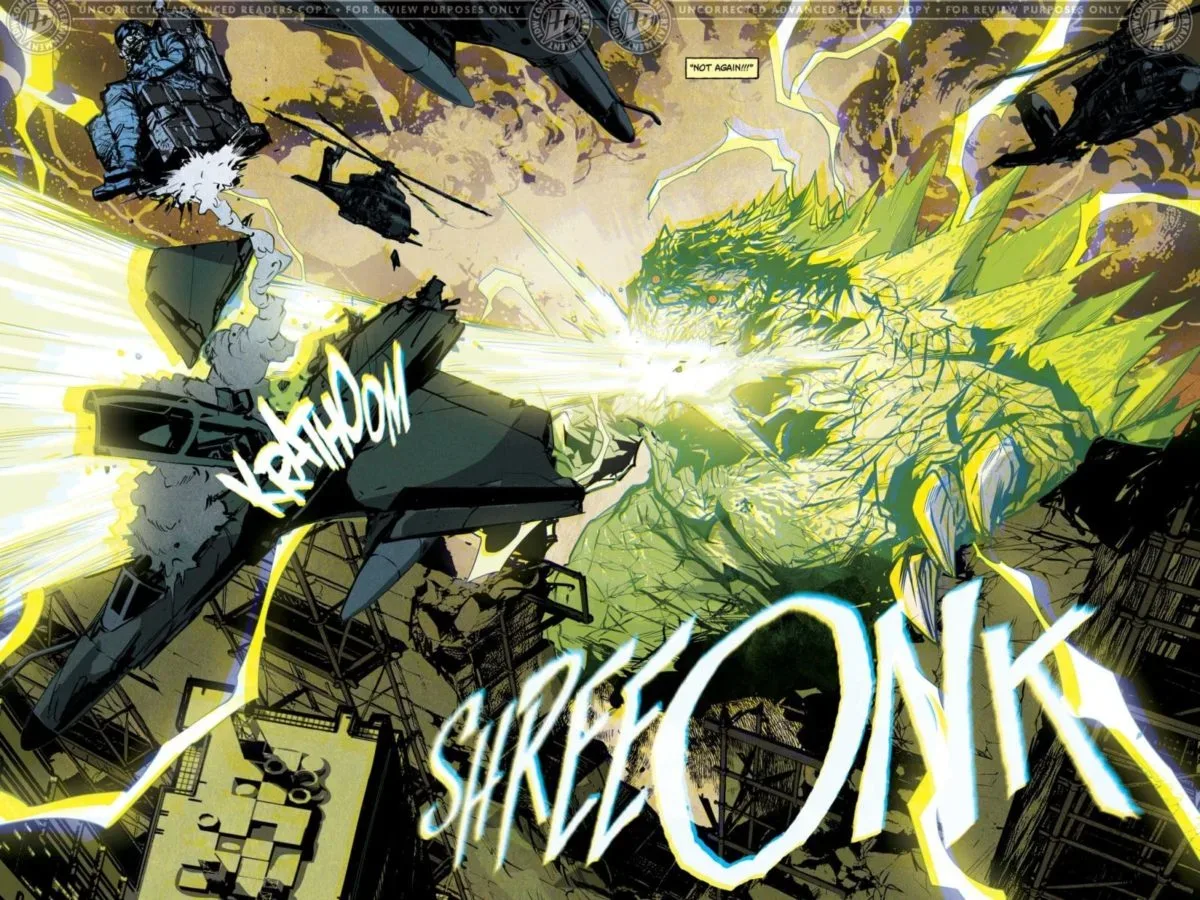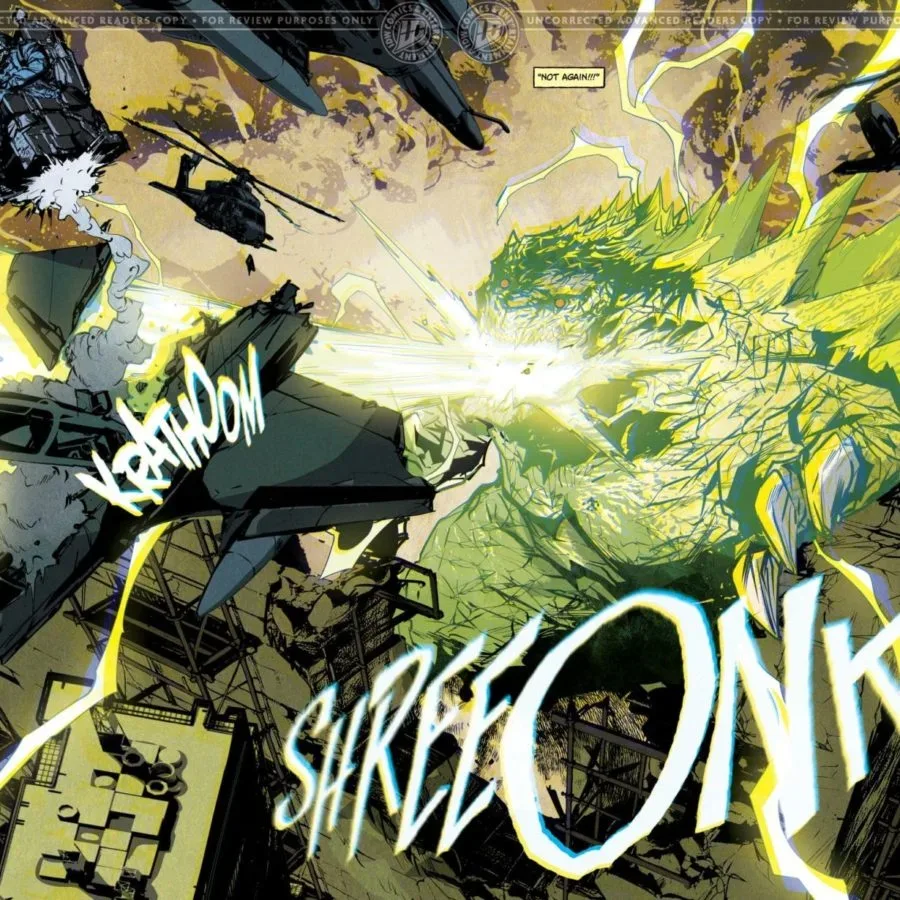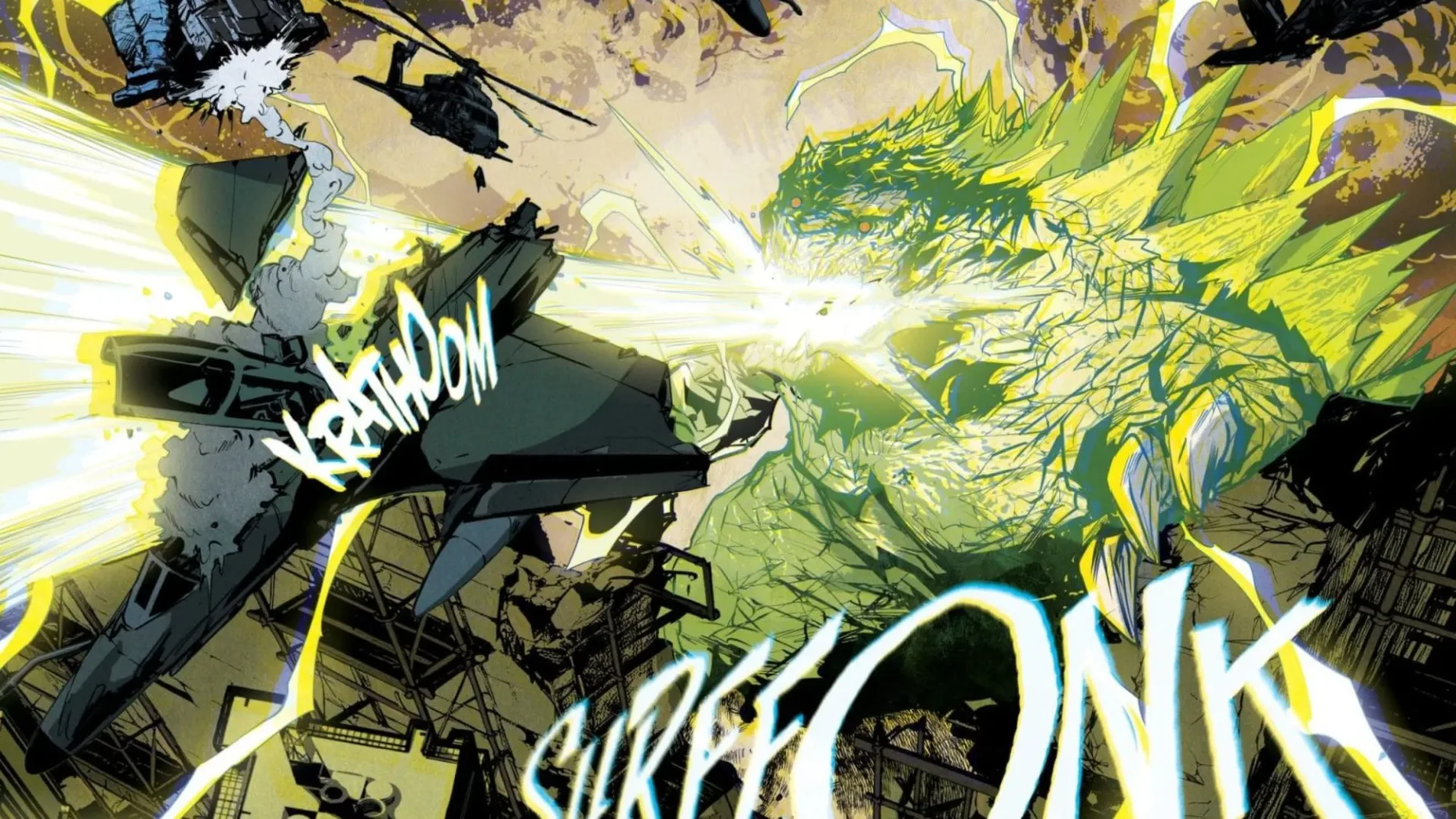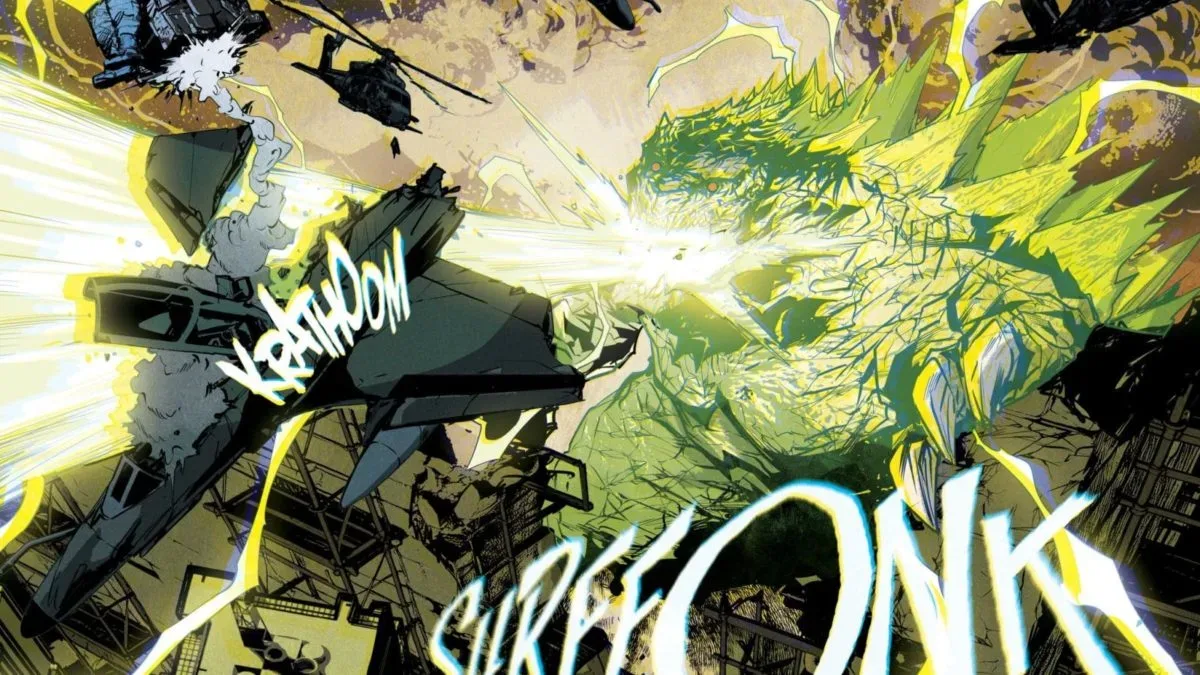
Godzilla #13 is positioned as a fresh entry point for IDW’s current Godzilla comic run, beginning a new story arc built around an unusually intimate version of the franchise’s central monster problem: Godzilla is living inside teenage G-Force operative Jacen Braid.
The issue goes on sale October 7, 2026. Tim Seeley is credited as writer, Hendry Prasetya as artist, and Ito provides the main cover. The 32-page, Rated T comic carries a $4.99 US cover price.
That premise already gives the new arc a sharply personal pressure point. Jacen and Godzilla were once enemies, but the issue’s setup says they are now beginning to understand one another. At the same time, Jacen is uncovering the truth of his own origin, including what is described as the U.S. government’s terrible role in creating the situation. The result is a conflict framed less as a simple monster attack and more as Jacen and Godzilla versus the institution that made them.
A Godzilla conflict from inside the host
Godzilla stories often turn on scale: an enormous creature, a public disaster, and human organizations struggling to respond. Godzilla #13 retains the idea of a force that must be contained, but Jacen’s connection to Godzilla changes the nature of that danger. Godzilla is not merely approaching a city or appearing on a monitor for G-Force to track. The monster is tied directly to one of its own teenage operatives.
That distinction matters because it makes Jacen more than an observer, a target, or a military asset. He is a participant in the monster’s story and, increasingly, a person capable of understanding its point of view. The phrase “seeing eye to eye” is doing major thematic work in the setup: it describes an emerging alliance between former foes, while also suggesting that Jacen’s discoveries will give him a reason to question the people and systems around him.
The solicitation does not spell out exactly how Godzilla exists within Jacen, how much control either possesses, or what Jacen’s full origin entails. Those unanswered details are important. They establish the central mystery of the arc without turning the issue’s advance material into a complete explanation. Readers looking for a straightforward status report on a giant monster may instead find an origin-focused chapter about agency, responsibility, and whether the people who create a weapon—or a monster—can ever truly control it afterward.
G-Force faces the consequences of creation
Jacen is identified as a G-Force operative, while Nuki, Rumi, Incense, and Riviera are named as the people trying to stop the monster they created. That puts the supporting cast in a difficult position from the outset. Their mission is not presented as defeating an unfamiliar threat; it is an attempt to manage the fallout from a creation connected to their own side.
In practical story terms, that should make every response more complicated. If Godzilla is linked to Jacen, an attack against the monster cannot be separated cleanly from the fate of the teenager. If Jacen is learning that the government played a role in his origins, orders from authority figures may no longer carry unquestioned legitimacy. And if G-Force personnel recognize their own involvement in making the crisis, their efforts to contain it may be shaped by guilt, self-preservation, loyalty, or all three.
The key phrase is “the monster they’ve created.” It suggests this new arc is interested in accountability as much as destruction. The responsible parties are no longer able to treat Godzilla as a problem with no history behind it. Their past choices are part of the immediate conflict.
What “Jacen and Godzilla vs. America” actually signals
The solicitation’s framing of “Jacen and Godzilla vs. America” should be read carefully. It does not confirm that every American character, organization, or civilian in the comic becomes an enemy. What it does establish is that Jacen’s growing understanding of his origin will bring him into conflict with the U.S. government and its role in the events surrounding him.
That is a more specific and potentially more interesting proposition than an indiscriminate anti-human rampage. It places the focus on a governmental institution and the consequences of its actions, while leaving room for individual G-Force members to have distinct motives and reactions. Nuki, Rumi, Incense, and Riviera may be trying to stop Jacen and Godzilla, but the available description does not say they are all equally responsible or that they all view the situation in the same way.
For readers, the immediate appeal is the chance to see how a Godzilla comic handles sympathy. Godzilla is traditionally a catastrophic presence, but the premise asks the audience to consider the monster alongside Jacen’s personal search for answers. That does not automatically make either character harmless or morally uncomplicated. It does mean the book is setting up a conflict in which the people with the most conventional power may not be the people with the strongest claim to being right.
Why issue #13 may be a useful jumping-on point
“New story arc starts here” is a meaningful label for a serial comic. It signals a shift in the ongoing narrative toward a new central problem, and this issue supplies one in clear terms: Jacen and Godzilla are reaching an understanding, Jacen is learning where he came from, and G-Force is attempting to stop the consequences of what it helped create.
New readers should not mistake “jumping-on point” for a promise that every past development will be retold in detail. The supplied description does not say how extensively earlier issues will be recapped. Still, the arc’s core stakes are easy to identify without extensive additional context. There is a teenage operative. Godzilla resides within him. Their old hostility is becoming cooperation. Government involvement in Jacen’s origin is becoming impossible to ignore.
Existing readers, meanwhile, have a clear reason to pay attention to the reset in momentum. A changed relationship between Jacen and Godzilla is not merely a new obstacle for G-Force; it potentially changes the series’ emotional center. Rather than treating their connection as an arrangement to be undone, the issue is poised to explore what happens when both sides decide they have common cause.
Creative credits and edition details
Godzilla #13 is written by Tim Seeley with art by Hendry Prasetya and a cover by Ito. Alongside the standard edition, the listed variants are:
- Variant B by Hernandez — $4.99 US / $6.99 CAN
- 1:15 retail incentive full-art variant by Eggleton — $4.99 US / $6.99 CAN
- Glow-in-the-dark Variant C by J. Gonzo — $5.99 US / $7.99 CAN
- IDW Goes Dark Variant D by Earls — $4.99 US / $6.99 CAN
The “1:15” label on the Eggleton edition denotes a retailer incentive ratio: it is a variant tied to retailers ordering a specified quantity of eligible copies, rather than simply another standard open-order cover. The other listed editions are identified by their respective variant designations, while the J. Gonzo version is distinguished by its glow-in-the-dark format and higher listed cover price.
Collectors interested in a particular cover should verify which editions their local comic shop plans to carry or can order. The available listing confirms the variants and pricing, but it does not establish how many copies any individual store will receive.
The immediate stakes
The advance setup for Godzilla #13 makes the arc’s question unusually direct: when an organization creates something it fears, who gets to decide what happens next? G-Force wants to prevent the monster it helped make from causing further harm. Jacen is discovering the hidden terms of his own existence. Godzilla, once Jacen’s enemy, is now becoming a partner in resistance.
That triangle gives the series room for spectacle, but also for a more character-driven confrontation than the title’s scale might initially imply. The major action may be associated with Godzilla, yet the new arc’s most consequential movement could come from Jacen deciding what to do once he knows the truth.
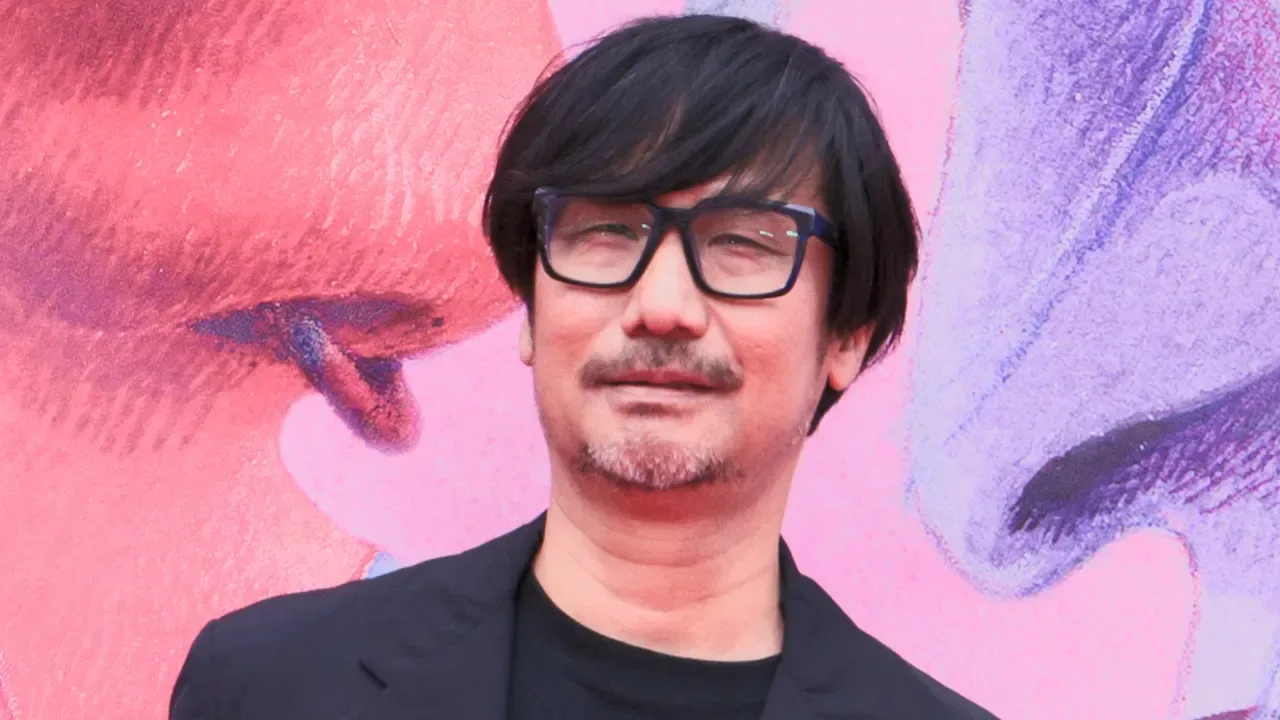
For more pop-culture coverage centered on major genre projects and their creators, see our report on Hideo Kojima’s teased live-action movie cameo.