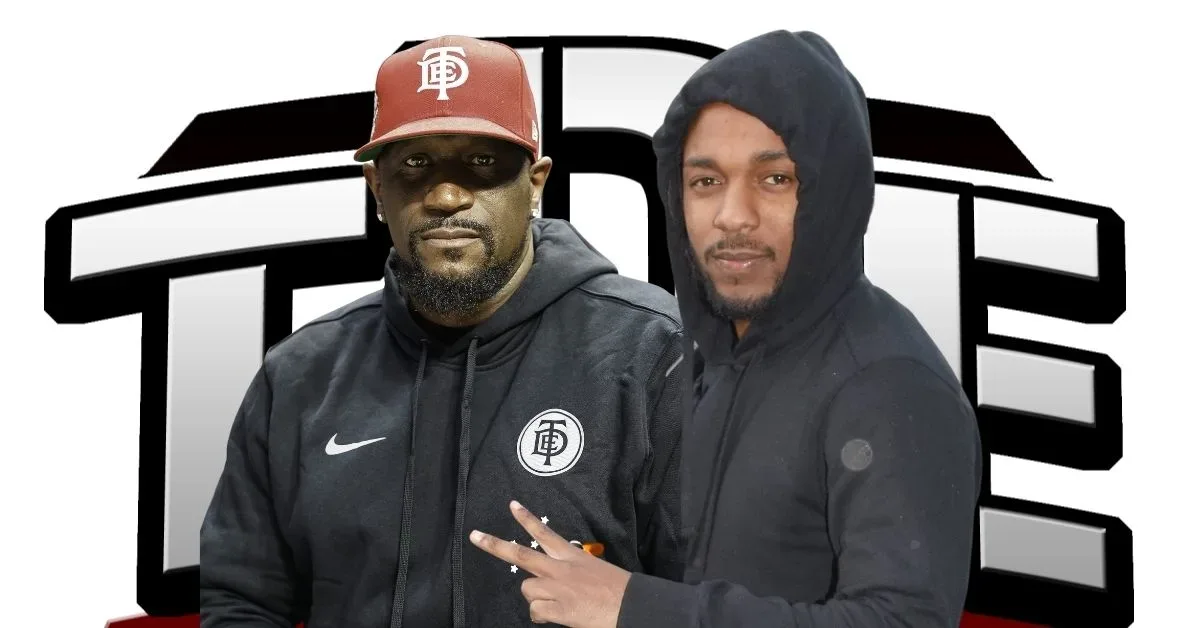
A California appeals court has overturned a prior decision that would have allowed two women to pursue a doxxing-related claim against Top Dawg Entertainment (TDE). The ruling concerns the disclosure of the plaintiffs’ identities in a public statement, not the merits of the underlying allegations of sexual misconduct involving label president Anthony “Moosa” Tiffith Jr. and chief marketing officer Brandon Tiffith.
The plaintiffs filed their lawsuit in December 2024 under the pseudonyms Jane Doe and Jane Roe. After TDE publicly named them while denying the allegations, they added a claim alleging that the label had violated California’s anti-doxxing law. A Los Angeles judge initially allowed that portion of the suit to move forward. On October 8, however, the appellate court reversed that result.
Why the appeals court rejected the doxxing claim
The central issue was procedural anonymity: whether the plaintiffs had a court-approved right to keep their names out of the public case. The appeals court found that they had not sought permission from the trial court to litigate anonymously and did not identify another legal basis that gave them that protection.
In practical terms, that finding meant TDE was not found to have violated an applicable court order or court rule when it identified the women in its statement. The result is significant because it removes the doxxing claim from the case, but it should not be read as a determination that the plaintiffs’ broader allegations are true or false.
The court indicated that the plaintiffs may have had a substantial argument for anonymity given the nature of their allegations, but said it was their responsibility to make that request to the trial court promptly.
Doxxing generally refers to the malicious disclosure of a person’s identifying information online. In this dispute, the contested conduct was TDE’s naming of the women in a press release that denied their claims. The appellate ruling did not broadly decide when it is acceptable to publicize the identity of a person who brings sexual-misconduct allegations. Instead, it turned on the narrower question of whether these plaintiffs had established an enforceable right to proceed anonymously in this litigation.
What remains in the lawsuit
The allegations at the heart of the case remain pending. One plaintiff, described as a TDE public-relations staffer, accused Brandon Tiffith of sexual battery and Anthony “Moosa” Tiffith Jr. of sexual harassment. The second plaintiff, described as a friend of a TDE artist, alleged harassment and assault while she was living in a company-owned home.
Those are allegations, not findings of fact. TDE has denied them, characterizing the claims as fabricated and describing the action as a shakedown. The appellate decision on the identity-disclosure issue does not resolve either side’s position on the alleged misconduct.
Related coverage includes California Appeals Court Dismisses TDE Doxxing Claim.
That distinction matters in any legal story. A lawsuit can contain several separate claims, defenses and procedural disputes. A court’s decision to dismiss or revive one claim does not necessarily decide the others. Here, the doxxing issue was a later-added component of the case, while the misconduct allegations remain the main dispute.
Anonymity in civil litigation is not automatic
People commonly see “Jane Doe” or “John Doe” in public accounts of lawsuits, particularly cases involving alleged sexual assault or harassment. But a pseudonym is not necessarily a permanent entitlement simply because it appears in an initial filing. Courts may permit anonymity, but plaintiffs generally need to ask for it and explain why it is warranted.
The appellate court’s reasoning emphasizes that distinction. The court did not say that people raising sensitive claims can never remain anonymous. Its point was that the plaintiffs needed to pursue that protection through the trial court, rather than assume anonymity applied without a motion or statutory authority.
That procedural requirement can carry serious real-world implications. Public identification may affect a plaintiff’s privacy, safety, employment prospects and willingness to participate in litigation. At the same time, courts weigh those interests against the usual presumption that judicial proceedings are open and that parties are identified. The available facts in this case show the appeals court placing weight on the absence of a timely request for anonymity, while expressly recognizing the sensitive nature of the allegations.
What the ruling does—and does not—mean for TDE
- It ends the anti-doxxing claim described in this appeal. TDE cannot be sued on that specific theory in this lawsuit based on the identity disclosure at issue.
- It does not clear the executives of the alleged misconduct. The appellate decision did not rule on the substance of the sexual battery, harassment, harassment, or assault allegations.
- It does not establish that the allegations were fabricated. TDE has denied the claims, but the court’s decision addressed anonymity and disclosure procedure rather than the evidence behind the accusations.
- It does not create a blanket rule for every doxxing dispute. The outcome rests on the plaintiffs’ lack of a court-approved basis for anonymity in this particular case.
Anthony “Moosa” Tiffith Jr. and Brandon Tiffith are sons of TDE founder and CEO Anthony “Top Dawg” Tiffith. The company is a prominent name in hip-hop, so litigation involving its executives will draw substantial public attention beyond the courtroom. That attention also makes precision especially important: the procedural victory for the label is real, but it is limited to the doxxing-related claim.
For readers following the music world’s wider culture, the label remains part of a scene where public image, artist relationships and media narratives can move quickly—sometimes around a single phrase or public statement, as shown in this separate look at Lil Jon’s signature “OK” ad-lib. Litigation, however, operates on a different timetable and under more formal rules. Headlines can compress a ruling into a win or loss, while the actual order may settle only one tightly defined legal question.
The next question is the underlying case
The most consequential unresolved issues are the plaintiffs’ original claims and TDE’s denials. Because the appellate ruling did not address them, it offers no answer on liability, damages or credibility. Those questions, if they remain contested, would have to be addressed through the continuing legal process.
For now, the clearest takeaway is narrow: the California appeals court concluded that the two plaintiffs did not establish a right to anonymity before TDE identified them, so their claim under the anti-doxxing law cannot continue. The court simultaneously left the alleged sexual misconduct claims untouched. Treating those two outcomes as separate is essential to understanding where the case stands.