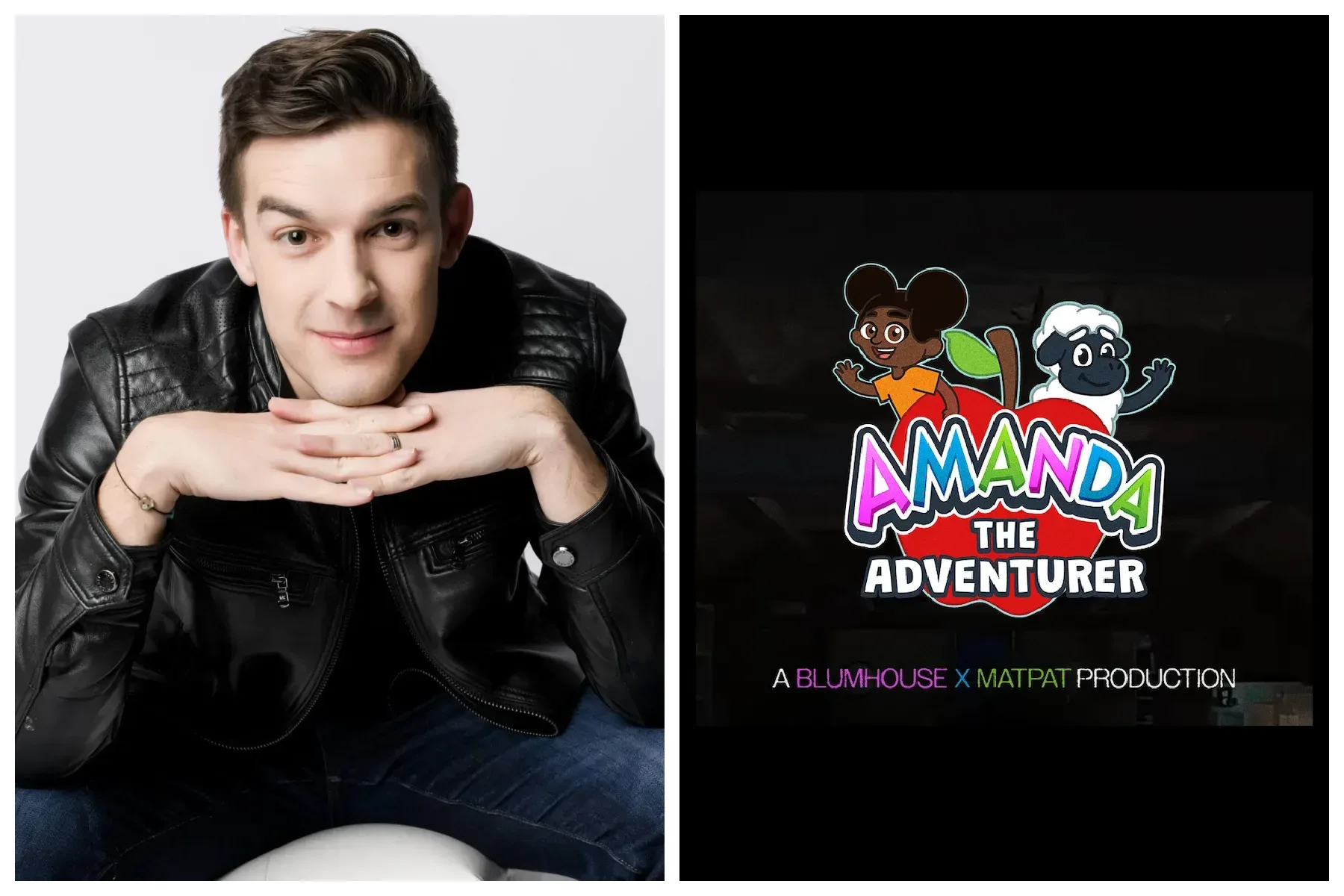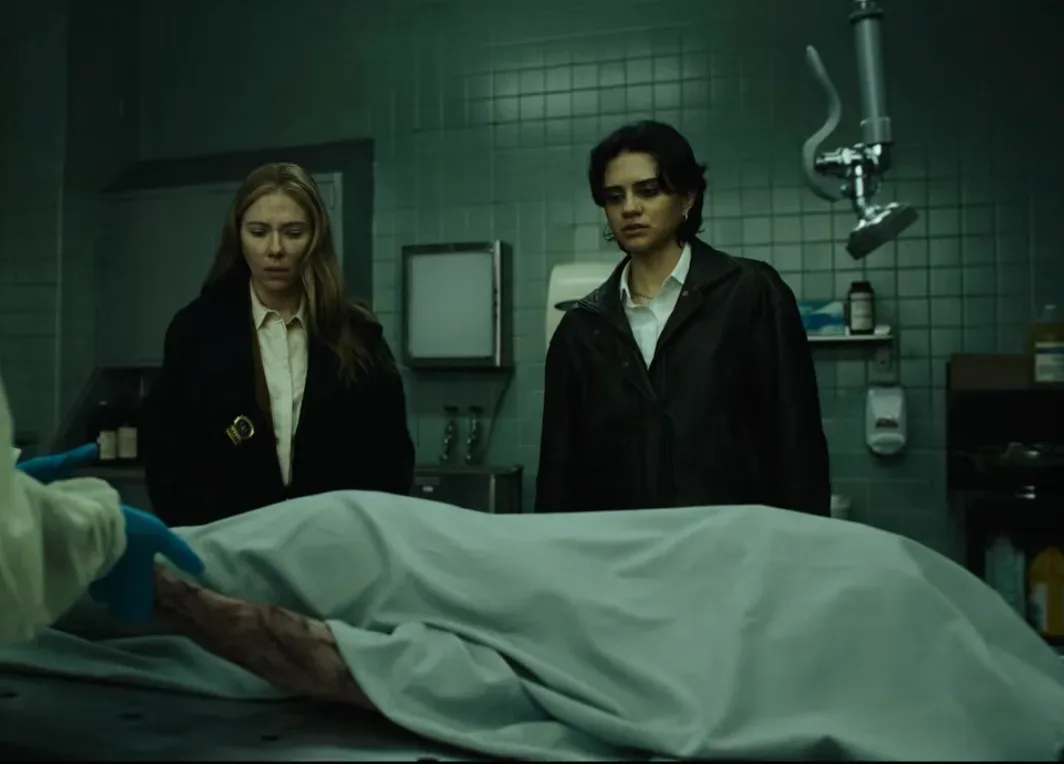
Blumhouse Productions and Matthew “MatPat” Patrick are partnering on a slate of films drawn from viral indie horror games and internet-born horror channels, with Amanda the Adventurer named as the first project. The collaboration was confirmed during New York Comic Con 2026, alongside the indication that Patrick has multiple projects in development with the studio.
The immediate headline is an Amanda the Adventurer movie, but the larger development may be more consequential: this is being framed as an ongoing effort rather than a single adaptation. Patrick said he is bringing some of his favorite indie games and horror channels to the screen with Blumhouse, establishing a potentially broad pipeline for stories whose audiences were built through gameplay, theory videos, streamers and online sharing.
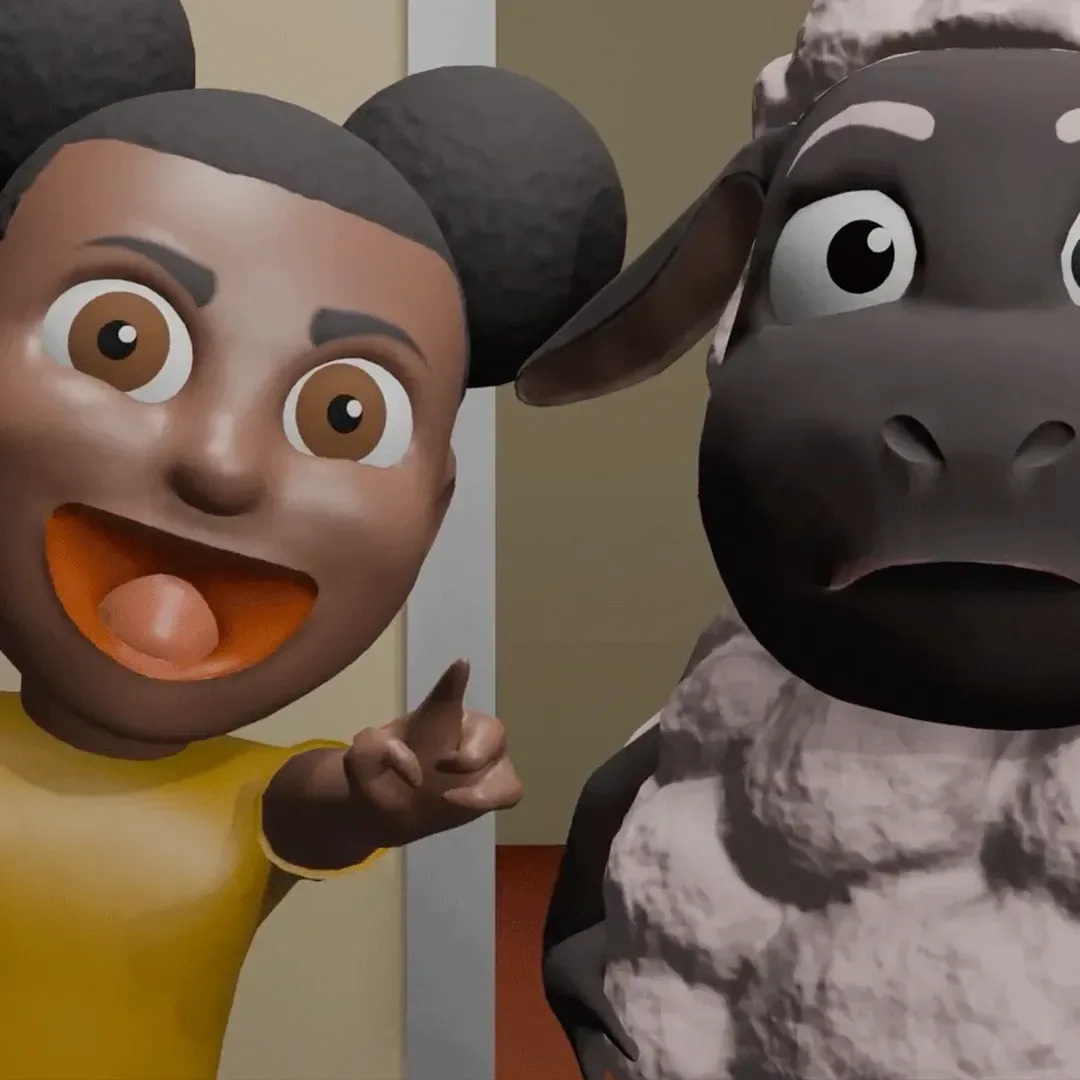
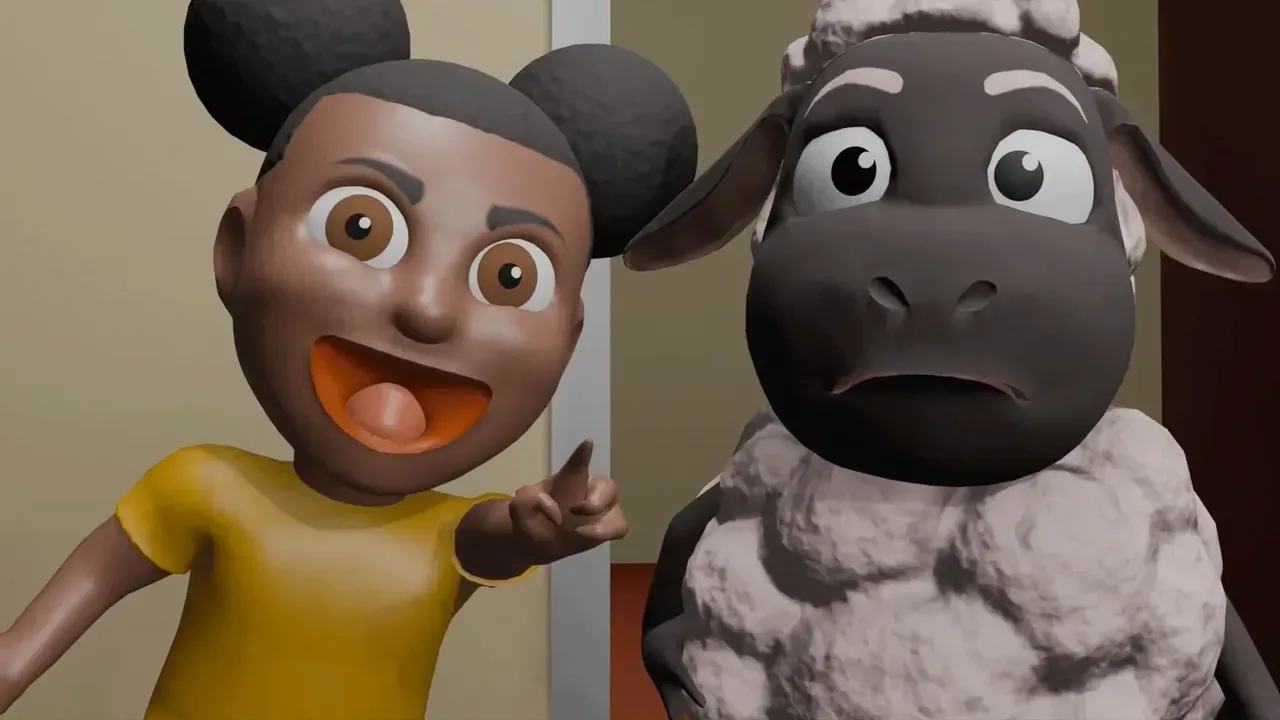
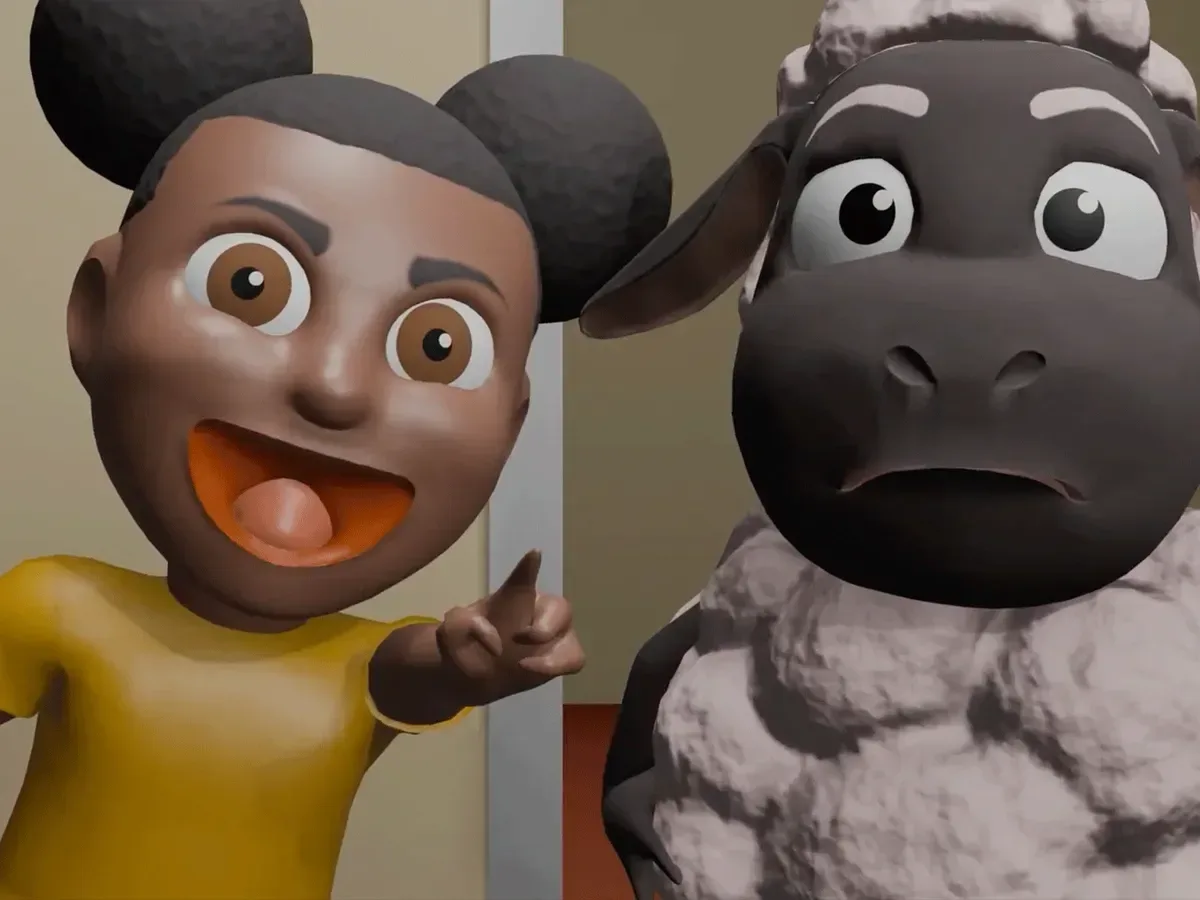
For now, the concrete project is Amanda the Adventurer. The game is a first-person puzzle-horror title in which the player investigates a disturbing mystery connected to a cheaply made animated children’s program sharing the game’s name. Patrick said the partners are speaking with writers and directors and moving quickly on the film. No writer, director, cast, release date, platform or production-start date was identified.
Why Amanda the Adventurer is a logical first pick
At its core, Amanda the Adventurer combines a familiar children’s-media format with an unsettling layer beneath it. That contrast is central to its identity. The player is not simply facing a monster in a conventional horror setting; they are piecing together an unanswered mystery tied to media that outwardly resembles low-budget programming made for children.
That premise offers an adaptable foundation because it already contains a built-in question: what is the show, what is Amanda’s role in it, and what does the player—or, in a film, the audience—need to uncover? Puzzle horror is a genre where discovery is part of the experience. Rather than relying solely on action, it places importance on clues, withheld information and the gradual reinterpretation of what viewers have seen.
Patrick described the project as “horror with heart,” characterizing Amanda as frightening but tragic. He also pointed to its thematic concern about whether media presented to children can be trusted. Those comments provide the clearest early signal of the intended emotional approach, though they do not confirm story details or explain how faithfully any particular game events will be translated.
That distinction matters. An adaptation does not have to reproduce every puzzle or every interactive beat to preserve a game’s premise. In a game, puzzles give players agency: they choose where to look and what to try. A film has to create tension through editing, performance, sound and the order in which it reveals information. For a property such as Amanda the Adventurer, the challenge will be to retain the feeling of investigation while making the viewer’s lack of control part of the unease.
The online-horror audience is part of the story
The partnership is notable not only because it involves an indie game, but because it directly brings a major online creator into a studio-led movie initiative. Patrick’s announcement explicitly included both games and horror channels, recognizing that online horror can originate in several forms: playable releases, web video, fictional broadcasts and internet-native storytelling that spreads through discussion.
Related coverage includes Blumhouse and MatPat Begin Indie Horror Film Slate With Amanda the Adventurer.
“Viral” is not merely a marketing label in this space. It describes the way many of these properties become widely known. Audiences encounter them through playthroughs, reactions, theories and conversations as well as through the original work. A mystery-heavy game can sustain attention because viewers compare clues and interpretations, while creators introduce it to people who may never play it themselves.
That ecosystem has practical implications for an adaptation. The core audience may arrive with detailed expectations about characters, hidden meanings and tone. At the same time, a theatrical film needs to work for people who have never watched a theory video or seen a playthrough. The announced direction suggests that the project’s creators understand the property emerged from an internet-driven culture, but the finished movie will need to turn that context into a self-contained viewing experience.
Patrick’s involvement also places the planned slate in a moment when creator-led game-film projects are becoming more visible. Sean “Jacksepticeye” McLoughlin has said he is leading an animated Bloodborne movie. Mark “Markiplier” Fischbach released the self-funded horror film Iron Lung, based on the indie horror game of the same name. These projects are not interchangeable in scale or creative model, but together they show creators with deeply established gaming audiences taking active roles in adaptations rather than serving only as promotional guests.
A wider appetite for internet-native scares
The announced slate also arrives after the success of Kane Parsons’ Backrooms film earlier in 2026. That result was followed by other greenlit creepypasta-related movies, including projects based on The Mandela Catalogue, Siren Head and The SCP Foundation.
Creepypasta is a useful term here. It generally refers to internet-distributed horror fiction that spreads through online communities, often gaining momentum as users share, expand upon or reinterpret it. Its relationship with games can be close but is not identical: a game gives players an interactive system, while a creepypasta may originate as writing, imagery, video or a broader shared-fiction concept. What connects the two is an online audience used to participating in the story’s discovery.
For studios, that can make these properties appealing—but it is not a guarantee that every one will translate cleanly. Online horror often relies on ambiguity, fragmented releases and the sensation of stumbling onto something strange. Feature films require a different kind of structure. They have to decide what to explain, what to leave unresolved, and how to create a satisfying arc without stripping away the mystery that originally encouraged viewers to speculate.
Amanda the Adventurer may be especially suited to that balancing act because its basic setup already focuses on media, mystery and unease. The children’s-show framing could offer recognizable visual language while the underlying story supplies the horror. Still, the project remains early: discussions with writers and directors are underway, not a final creative package. Any assertions about specific plot points, format, rating or release timing would be premature.
What is confirmed—and what remains only a possibility
- Confirmed: Blumhouse Productions and MatPat are collaborating on movies based on viral indie horror games and horror channels.
- Confirmed: Amanda the Adventurer is the first named project in that partnership.
- Confirmed: The team is in talks with writers and directors, and Patrick said development is moving quickly.
- Not announced: A director, screenwriter, cast, release date, distributor, rating or detailed plot.
- Not announced: The identities of future projects in the slate.
The absence of additional titles is worth emphasizing because it leaves ample room for speculation without providing enough evidence for a lineup. The underlying report floated the possibility of a Puppet Combo adaptation, including Nun Massacre, based on the prominence of related material in online horror circles. That is speculation, not a confirmed Blumhouse or MatPat project.
For viewers who follow game adaptations, the most useful takeaway is simple: the deal makes room for more indie and web-horror properties, but only one title has been named. For fans of Amanda the Adventurer, the project has moved beyond a hypothetical fan wish into active development, although its creative team and eventual shape are not yet public.
It also fits a broader horror-game conversation in which studios are looking beyond only the biggest franchises. As covered in plans for further Silent Hill releases after the revival’s initial trio, established horror brands remain important. The MatPat-Blumhouse initiative points toward a parallel route: projects that begin with smaller-scale games and online fandom, then attempt to carry their distinct identities into film.
Whether that approach works will depend on the individual adaptation, not the label “viral” alone. The strongest opportunity for Amanda the Adventurer is to treat its format and themes as storytelling tools rather than surface decoration: a children’s program that feels wrong, a character presented as both threatening and tragic, and a mystery designed to make audiences question what they are being shown. Those are the elements currently identified for the film; the rest of the adventure is still offscreen.